As Canadian Tourism Slows and Many Glacier Restricts Access, Summer Traffic to Glacier Dips
August visitation to the park dropped 4%, but Glacier National Park's overall visitation has remained steady in 2025
By Katie Bartlett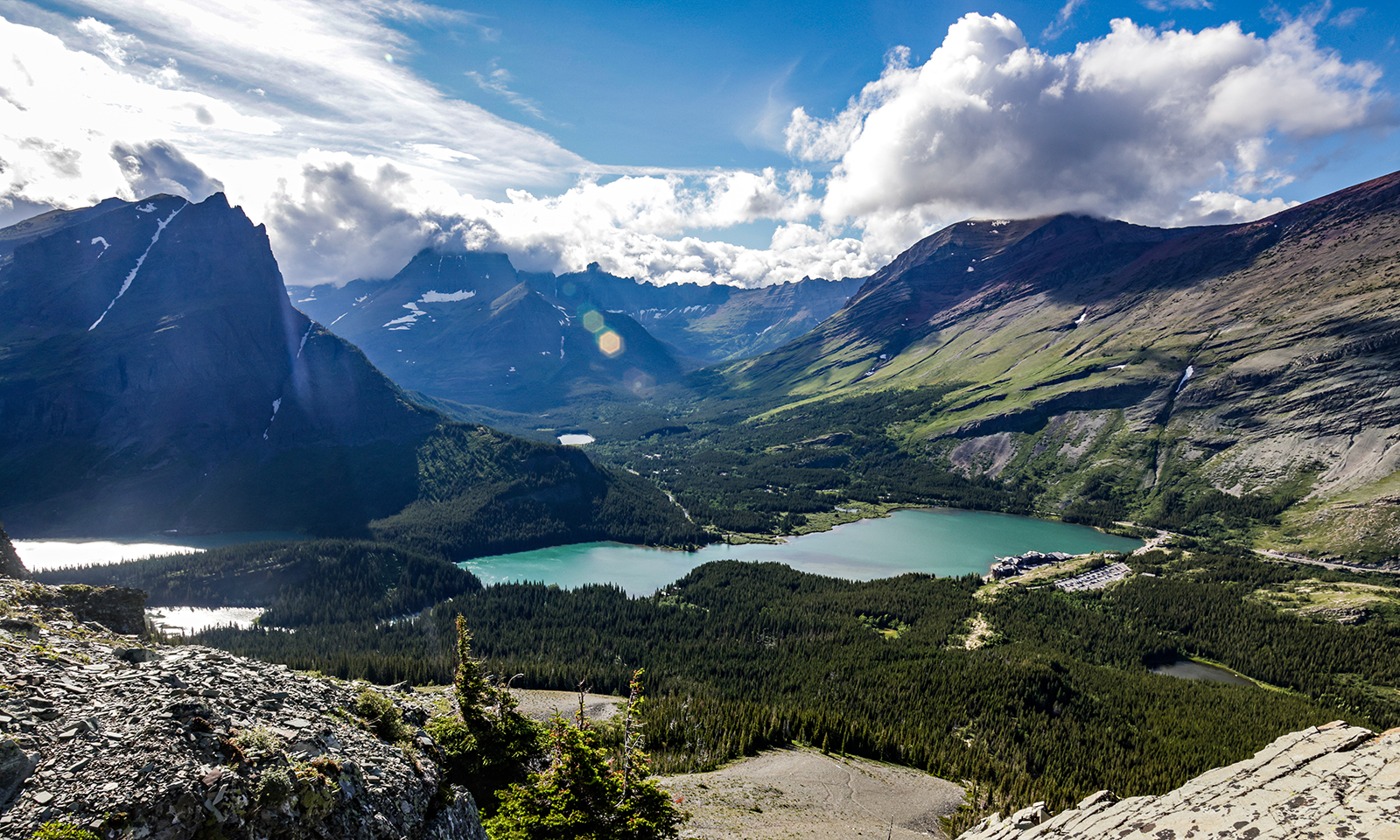
Glacier National Park logged more than 718,000 visitors in August, according to new park data, marking a 4.1% decrease compared to the same month last year.
Despite the dip, overall visitation remains steady. Through the end of August, more than 2.4 million had visited the park this year — a negligible increase from the 2.4 million visitors logged by the end of last August.
Glacier Public Affairs Specialist Autumn Sifuentes told the Beacon that visitation often fluctuates in August, while July consistently draws the largest crowds. She said that Glacier does not track guests’ reasoning for visiting and does not have the data to speculate on causes in fluctuation.
July was again the park’s busiest month, with more than 765,000 people passing through the park’s gates. But it nonetheless saw a nearly 3.4% dip compared to last July.
Early surges, however, kept overall visitation on track with previous years. June’s 576,577 visitors marked a nearly 5% increase over last year, despite a summer-solstice snowstorm that temporarily shut down the alpine sections of the Going-to-the-Sun Road. May also saw strong numbers, with 238,766 people visiting the park, nearly 14% more than the 209,650 visitors in May 2024.
Many Glacier saw the most dramatic decline in visitation, with 11,792 visitors in August compared to 31,603 visitors in August 2024. Overall visitation to Many Glacier is down by nearly 66% this year.
This is due in part to ongoing construction in the Many Glacier area, which is historically one of the park’s most popular sections. Glacier officials closed parking and vehicle access to the valley from July 1 to Sept. 21, except for visitors with a day-hike shuttle ticket, backcountry camping permit, or commercial service or lodging reservation.
Local businesses on the east side have felt the impact.
Sanford Stone, who runs the Park Cabin Company in Babb, noted that cabin renters “filled in much slower than usual, but they did eventually fill in pretty nicely.”
“Some savvy prospective guests almost definitely avoided a big trip to the east side of the park this year because of the Many Glacier access issues,” he said. “But there were plenty more possibly even savvier travelers that realized they can use loopholes to have the most beautiful place in the world just about all to themselves this summer.”
Stone commended Blackfeet-owned shuttle services like Backpacker’s Ferry, which have expanded hiking access in Many Glacier. Under the American Indian Religious Freedom Act of 1978, members of the Blackfeet Nation have unlimited access to Many Glacier and can drop off day hikers at the hotel.
However, Stone felt the park-organized shuttle system was “underwhelming to say the least.”
“I think if the park brass presented a plan like this anywhere on the west side there would be riots in the street and pitchforks at dusk and all that,” he added. “Here on the east side everybody is used to getting the short end and watching tourist dollars just flow by with very little positive impact on our communities.”
Susan Higgins, co-owner of the Two Sisters Cafe in Babb, said that restaurant guests have expressed similar frustration with the shuttle system, particularly the limited seating that sells out within seconds. She noted that diners have been timing their dinner reservations around the need to be online for the 7 p.m. ticket drops.
“To the park’s credit, there are signs everywhere keeping people informed, but there are also plenty of folks who don’t research where they’re going and just show up, which also causes lots of frustration,” she added.
However, Higgins said that overall visitation to Two Sisters has remained steady, with only “a bit of drop” compared to previous years. She noted that June was “definitely slower” and that she has also observed a decline in drive-by traffic throughout peak season.
Even so, Higgins credited Two Sisters’ reputation as a “destination dinner restaurant” for protecting it from the worst impacts, explaining that daytime business owners on the east side are reporting the most drastic hits. The Two Sisters drive through coffee stand, for example, has seen a sharper decline in hikers stopping for snacks on their way into Many Glacier.
Nonetheless, Higgins said she was “totally on board” with the project and “applauds” the park for getting it done in just one year.
“These repairs badly needed to be done — It was getting really rough back there,” she said. “Of course it’s super inconvenient, but sometimes you just need to bite the bullet.”
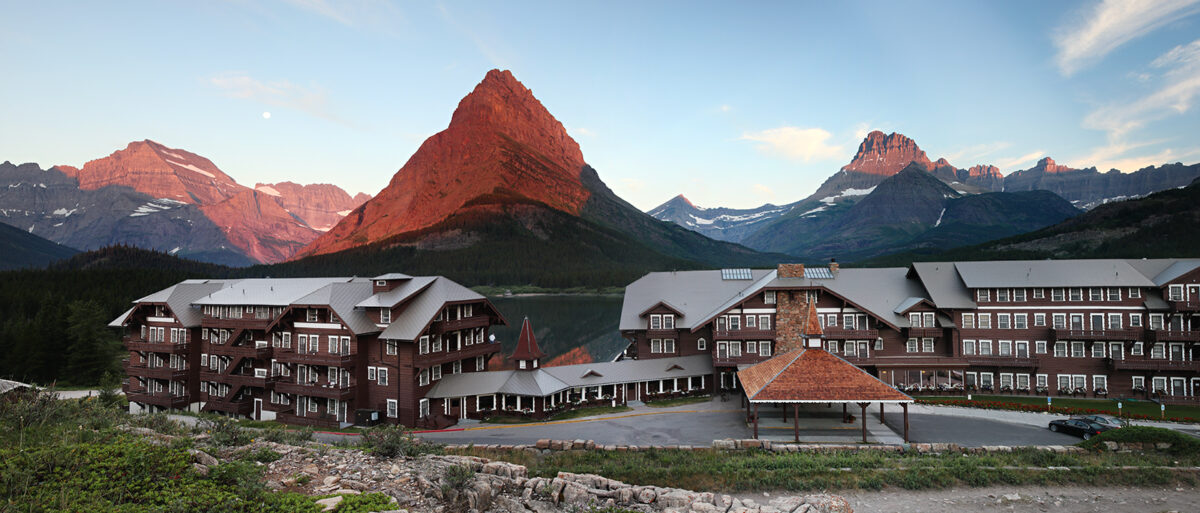
Business owners, however, believe that the Many Glacier closure is not the only factor shaping this season.
Stone said that it is “frankly hard to say” how much of an impact the construction had because of “all the factors that came into play during the booking window this year.” Among them, he pointed to inflation and the trade war sparked in February when President Donald Trump signed orders posing tariffs on Canadian goods.
Higgins likewise believes that shifting Canadian attitudes have weighed more heavily on local businesses than the Many Glacier construction.
Babb, located just 10 miles from the border, is a convenient stop for Canadians heading to Kalispell’s shopping hub. As a result, she estimates that in a typical year 25% of her customers are Canadian. This year, she said that figure was closer to 5%.
“The basic feedback I’m getting is there is a lot of resentment in Canada,” she said. “They’re being encouraged by not just the government, but also by the rest of Canadian society, to avoid crossing the border.”
Higgins added that reports of Canadians being detained by Immigration and Customs Enforcement (ICE) have caused “trepidation” about crossing the border to visit Glacier or shop at American chains.
Despite shifts in visitor traffic on the east side, Glacier as a whole continues to face the challenges of long-term visitation growth.
Over the past two decades, annual visitation at Glacier National Park has increased from approximately 1.5 million to over 3.2 million visitors, creating severe congestion at the park’s most popular entrances.
To manage that congestion, Glacier is in the fifth consecutive year of requiring a vehicle reservation for park visits to the popular west side of the Going-to-the-Sun Road and the North Fork during peak season. This year, the park added an additional timed element to the reservation system.
The vehicle reservation requirement expires on Sept. 28.