IRS Issues Tax Relief, Extends Deadlines for Northwest Montana Residents Impacted by December Flooding
Individuals and households that reside or have a business in Sanders and Lincoln counties, or on the Blackfeet Indian Reservation, qualify for tax relief and the deferral of certain tax-filing and tax-payment deadlines to May 1
By Lauren Frick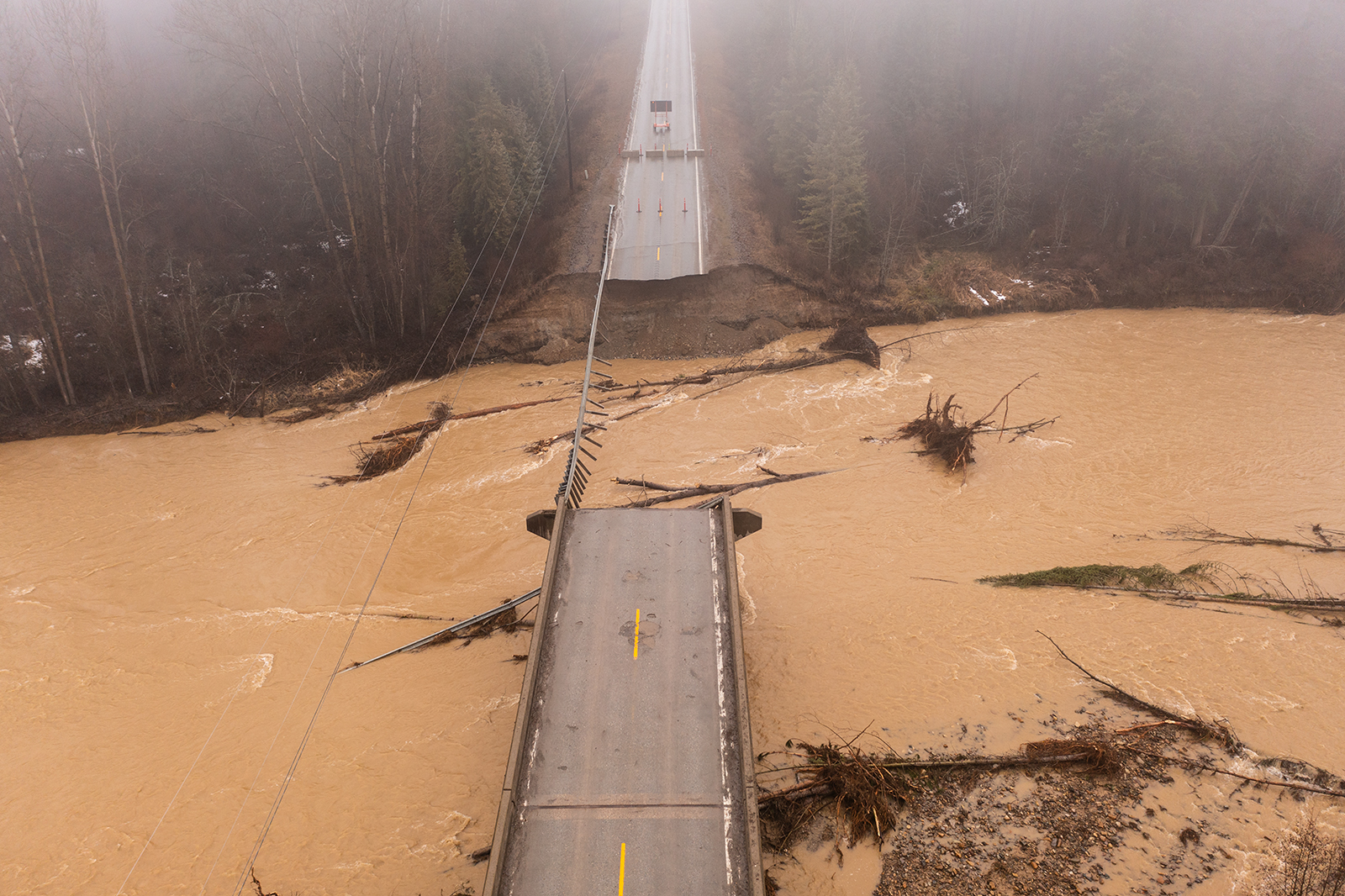
The Internal Revenue Service (IRS) on Tuesday announced tax relief measures and deadline extensions for select Montana residents and businesses impacted by severe weather in early December.
Following the disaster declaration issued by the Federal Emergency Management Agency (FEMA) in mid-December, individuals and households that reside or have a business in Sanders and Lincoln counties or the Blackfeet Indian Reservation qualify for tax relief and the deferral of certain tax-filing and tax-payment deadlines to May 1.
According to the press release from the agency, the May 1 deadline applies to the following scenarios for residents in the determined disaster area: individual income tax returns and payments normally due on or after Dec. 10, 2025; 2025 contributions to IRAs and health savings accounts for eligible taxpayers; and affected quarterly payroll and certain excise tax returns normally due on Feb. 2, 2026, and April 30, 2026.
The relief also applies to the estimated tax payments normally due on Jan. 15, 2026, and April 15, 2026. Penalties on payroll and excise tax deposits due on or after Dec. 10, 2025, and before Dec. 29, 2025, will be abated if the tax deposits are made by Dec. 29, 2025.
If an affected taxpayer receives a late filing or late payment penalty notice from the IRS that has an original filing, payment or deposit due date that falls within the postponement period, the taxpayer should call the telephone number on the notice to have the IRS abate the penalty, according to the press release.
The tax relief and deadline postponement initiatives are the upshot of President Donald Trump’s approval of Montana’s statewide elected officials’ request for a presidential emergency declaration to support Lincoln and Sanders counties and the Blackfeet Nation after December flooding triggered states of emergency across the region.
Beginning Dec. 8, a prolonged atmospheric river event impacted northwest Montana, bringing sustained rainfall and warm temperatures that led to widespread flooding. In the presidential emergency declaration request, Montana Gov. Greg Gianforte said the extreme conditions led to infrastructure damage, including the failure of the Lower Flower Creek Dam in Lincoln County and numerous roads and bridges.
The presidential emergency declaration authorized up to $5 million in federal funds for emergency response measures to support the health and safety of those impacted by flooding across the Blackfeet Indian Reservation, as well as in Sanders and Lincoln counties.
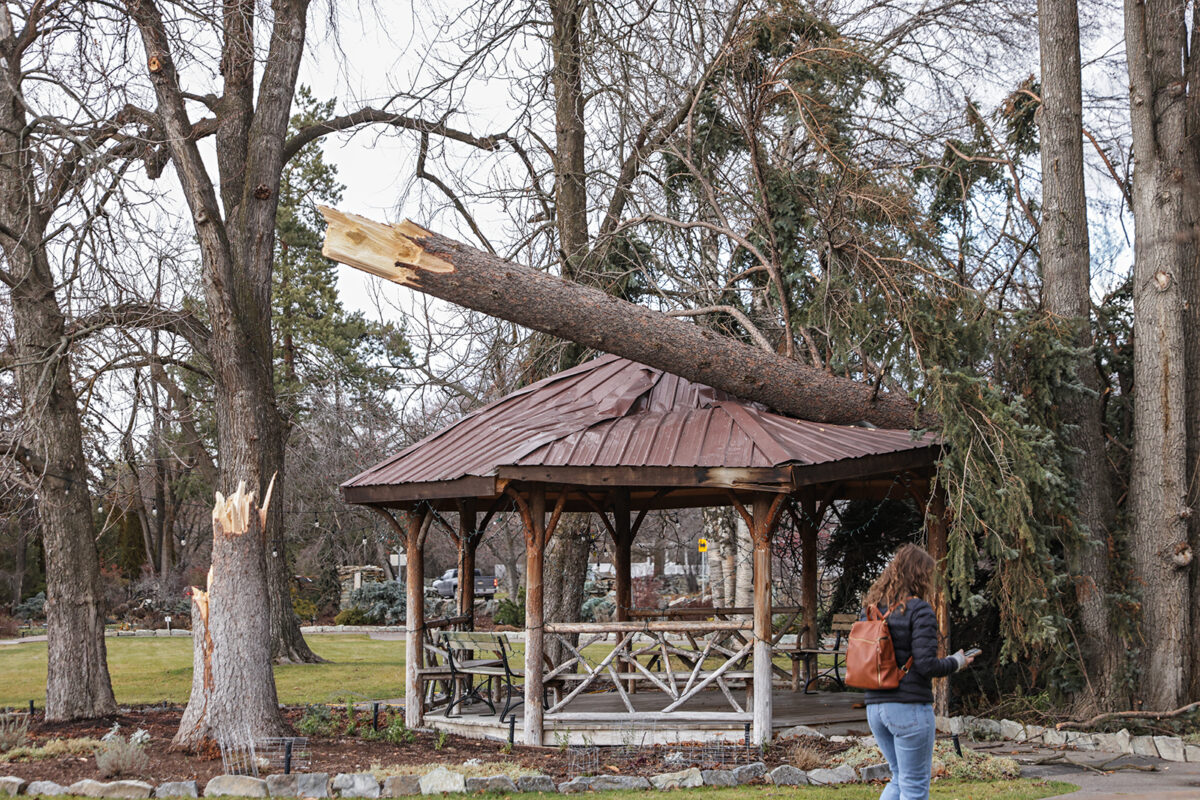
About one week after the early December flooding, a windstorm swept the northwest region, delivering frequent gusts between 60 mph and 90 mph in valleys and over 100 mph in the mountains for multiple hours. Reported impacts from the extreme wind event included blocked roads and trails, widespread power outages, crushed vehicles and structure damage.
Gianforte on Jan. 15 sent a letter to Trump requesting a major disaster declaration for damages related to the windstorm and asked that the declaration be designated for 28 counties and five tribal nations in Montana, noting that storm damage is spread across 80% of the state.
Counties and tribal nations specifically listed in the letter include Lake, Lincoln, Flathead, and Sanders counties, as well as the Blackfeet Nation and Confederated Salish and Kootenai Tribes.
“The totality of impact from the most detrimental windstorm in 30 years is estimated to be $13.3 million,” Gianforte said in the letter. “Damages, response, and recovery efforts impacted 45 of 56 Montana Counties, five of seven Tribal Nations including one with significant water system damages, five school districts, and 19 of 25 Rural Electrical Cooperatives.”
The president can declare a major disaster declaration for any natural event that has caused damage of such severity that it is beyond the combined capabilities of state and local governments to respond, according to FEMA. A major disaster declaration provides a wide range of federal assistance programs for individuals and public infrastructure, including funds for both emergency and permanent work.
“The state of Montana is facing significant effects from this windstorm, coming immediately on the heels of the Lincoln County flood, occurring only days prior,” Gianforte said in the Jan. 15 letter to Trump. “The request for a Major Disaster Declaration submitted on January 9, 2026, for the Lincoln County flooding totaled $9.968 million, and this current request for windstorm damages is $6.5 million.”
The two December weather disasters will exceed $16.3 million in recovery costs — which eclipses the $16 million in disaster funds appropriated in the state’s two-year budget — with costs only expected to rise as assessments and repairs continue, the letter states.
“These events will fully exhaust the fund and could place the state in a financially precarious position without additional federal support,” Gianforte said.
Additionally, the FEMA per capita indicator — the financial threshold used to determine if a state or county has sufficient capacity to manage disaster recovery without federal public assistance — for the state of Montana is $2.1 million dollars, according to the Jan. 15 letter. This means current windstorm costs are more than three times the indicator, with the combined disasters equaling nearly eight times the state indicator.