Investigation of Flood-related Asbestos Releases Continues in Libby
As state and federal regulators try to determine the extent to which last December's flooding exposed or mobilized legacy mine waste the Libby Asbestos Superfund boundary, they're hosting an open house on April 20.
By Tristan Scott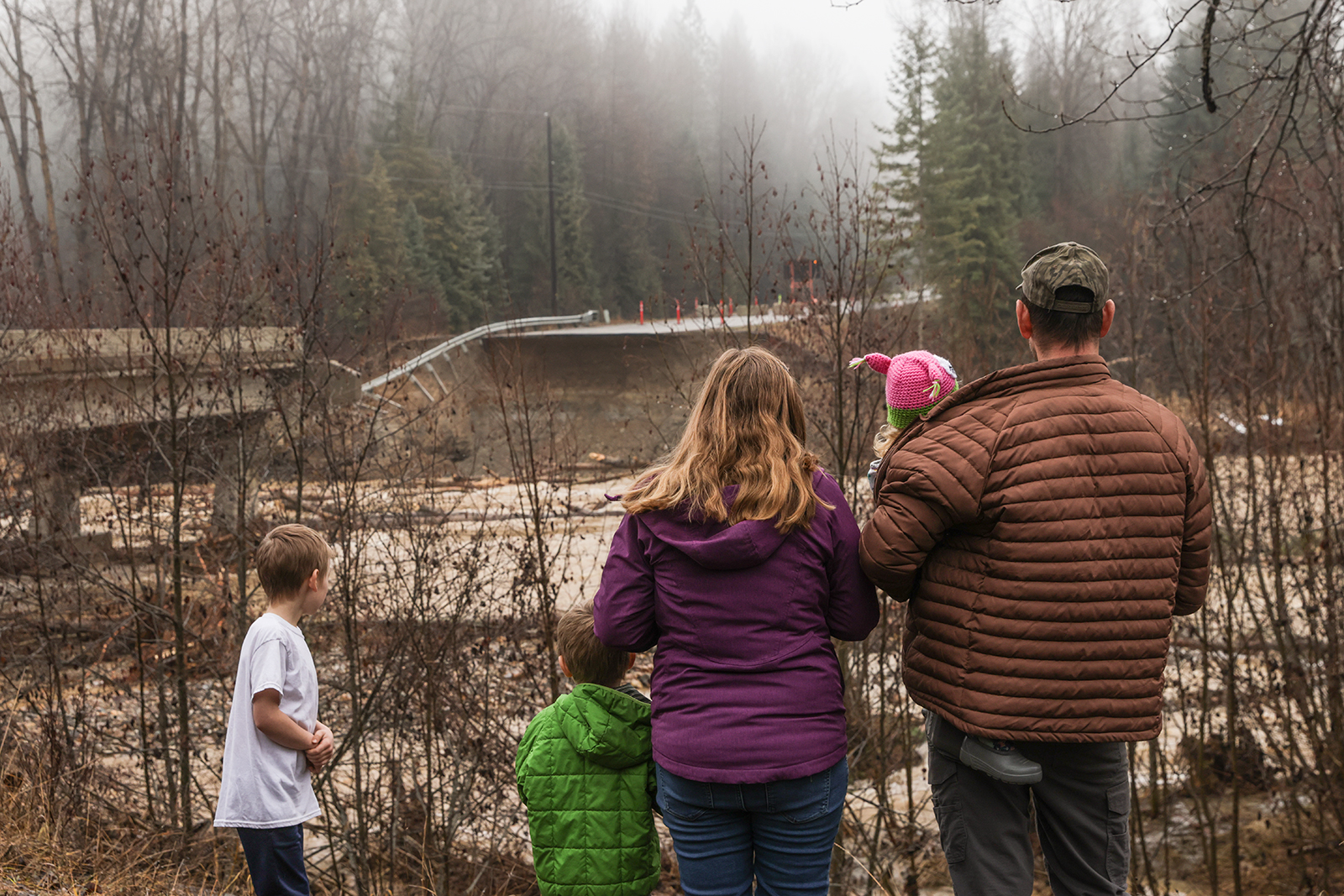
As state and federal regulators continue to investigate the extent to which historic floodwaters and squalling wind in northwest Montana disturbed mining waste in Lincoln County last December, representatives with the Montana Department of Environmental Quality (DEQ) will be on hand April 20 to field questions from Libby-area property owners at an open house.
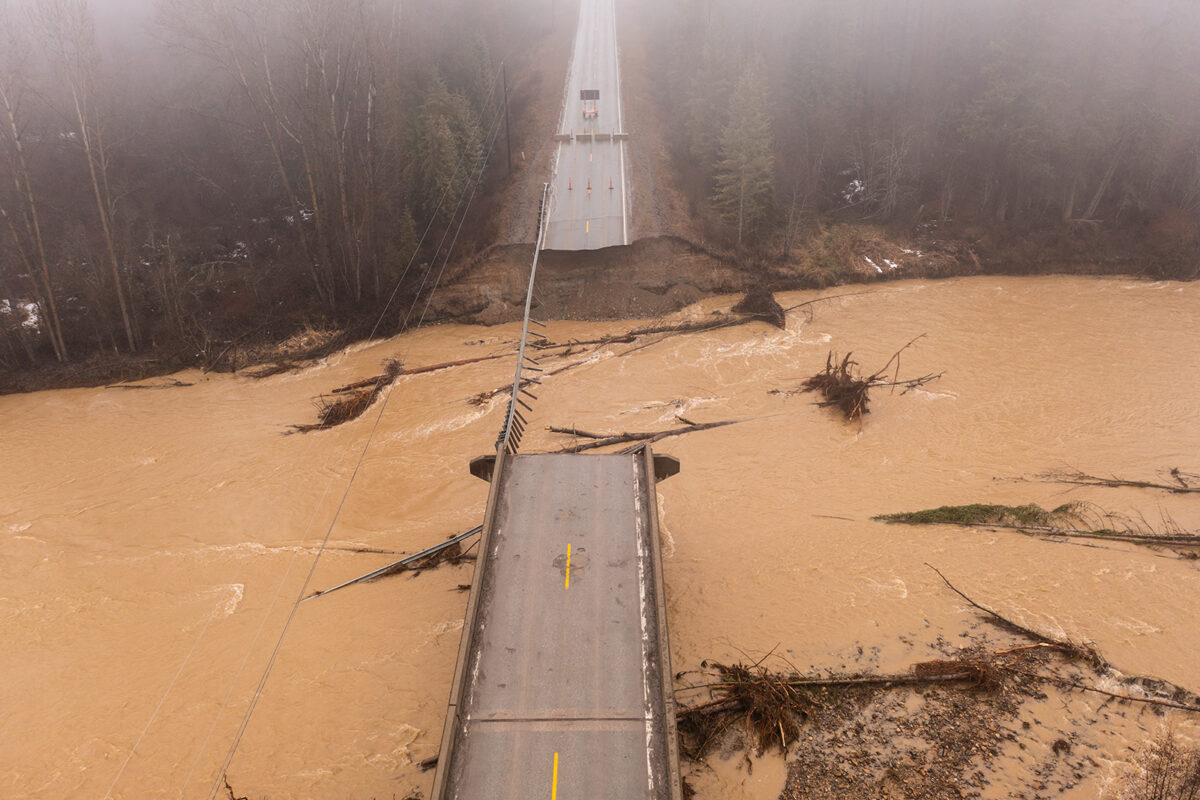
According to DEQ, the agency is “continuing its efforts to investigate the potential mobilization of known contaminants caused by the recent flooding and wind events in Lincoln County,” where five bridges were damaged or destroyed last December in the most catastrophic flooding the region has experienced in decades, prompting road and school closures as local officials pegged the costs of repairs in the millions of dollars.
Recognizing the potential for public health risks in a community that is home to two federal Superfund sites, including the site of the former W.R. Grace and Co. vermiculite mine, public health and emergency response officials have been working with residents to identify potential hot spots of contamination. Since the floodwaters have receded, officials say they have been working to identify and address public health risks associated with the impacts of flooding on both federal Superfund sites.
“Recovery in Lincoln County is a top priority for DEQ,” said Amy Steinmetz, DEQ’s waste management and remediation division administrator. “There is still much to be done, but we will continue working closely with our state and local partners to get this cleanup completed.”
The most dramatic flooding occurred on Libby Creek, as well as on the Yaak and Fisher rivers south of the towns of Libby and Troy, while some flooding along U.S. Highway 2 also touched the Libby Asbestos Superfund site.
Nolan Lister, the agency’s public information officer, said one area of concern is a constructed embankment along Libby Creek that contains asbestos-laced materials, and which washed out in the flooding. DEQ is currently seeking a contractor to stabilize and protect the embankment, which is made of riprap.
Since 2000, Lincoln County has been the epicenter of one of the largest Superfund cleanups in American history. Hundreds of people died and thousands became ill during decades of exposure to asbestos from the former W.R. Grace mine, where workers dug asbestos-laced vermiculite ore out of the earth and carried the dust home on their clothes. The mine closed in 1990 and the site was placed on the U.S. Environmental Protection Agency’s (EPA) priorities list in 2002 due to high levels of asbestos in and around the communities of Libby and Troy. The site is divided into eight operable units spanning hundreds of acres.
The EPA has partially deleted five of the operable units and billed the community as the cleanest it has been in years, but the shuttered mine site and the contaminated forest around it are still potential sources of exposure. Because asbestos is still found in the soil, the forest floor duff and in the bark of trees there, local, state and federal authorities have long worried about what would happen if a large wildfire started near the old mine site, possibly releasing asbestos-laden ash into the air.
But it’s less clear how flooding could disturb and mobilize asbestos-laced ore that had been dormant in the soil, officials said, potentially raising new exposure pathways and public health hazards.
According to DEQ, sampling has occurred on private properties of immediate concern, and no asbestos has been discovered at this time. Officials said it’s critical for residents and property owners to report any disturbances to the agency.
“Because of the potential for movement of previously unexposed contaminants, DEQ has reached out to landowners and is performing investigative work on private properties that may have flooded to make sure that materials have not been mobilized or exposed as a result of flooding,” Lister wrote in an email.
“This is another reason the open house on April 20 will be so important to the recovery efforts, as DEQ and Lincoln County staff need to work with private property owners to address any potential asbestos impacts from the flood,” he continued. “Landowners who are not able to make it can reach out to us directly.”

DEQ encouraged concerned Lincoln County residents to meet with the Libby Asbestos Superfund team that is working with local partners to support Lincoln County during the recovery. The open house is scheduled for April 20 from noon to 7 p.m. at the Ponderosa Room inside Libby City Hall, located at 952 E. Spruce St.
Residents are welcome to drop in to have their questions about the status of Libby Asbestos-related survey and clean-up work happening across the county answered as well as sign up to have their property investigated for potential asbestos contamination as a result of the flooding and wind event.
“I’ll be there to chat with people about their concerns and provide assistance,” DEQ Environmental Project Officer Melody Kraayeveld said. “We’ve set the open house up so that people can get the answers they need quickly and get back to their day.”
Interested residents unable to attend the open house can still reach out to DEQ via email to [email protected]. Complete recovery hinges on community cooperation in helping officials locate disturbed materials, with DEQ encouraging “anyone who even suspects contamination was deposited or exposed on their property as a result of flooding to reach out to DEQ.”
If there is visible contamination on a property, residents should not handle it themselves, and should instead call the Asbestos Resource Program at (406) 283-2442 as soon as possible.
Kraayeveld will also present the latest information to the Libby Asbestos Superfund Oversight Committee during their next regular meeting scheduled for April 23.