Kalispell Adopts New Zoning and Subdivision Regulations
Approving the regulatory standards signaled the final steps toward putting the city in line with the Montana Land Use Planning Act before the state’s May deadline
By Zoë Buhrmaster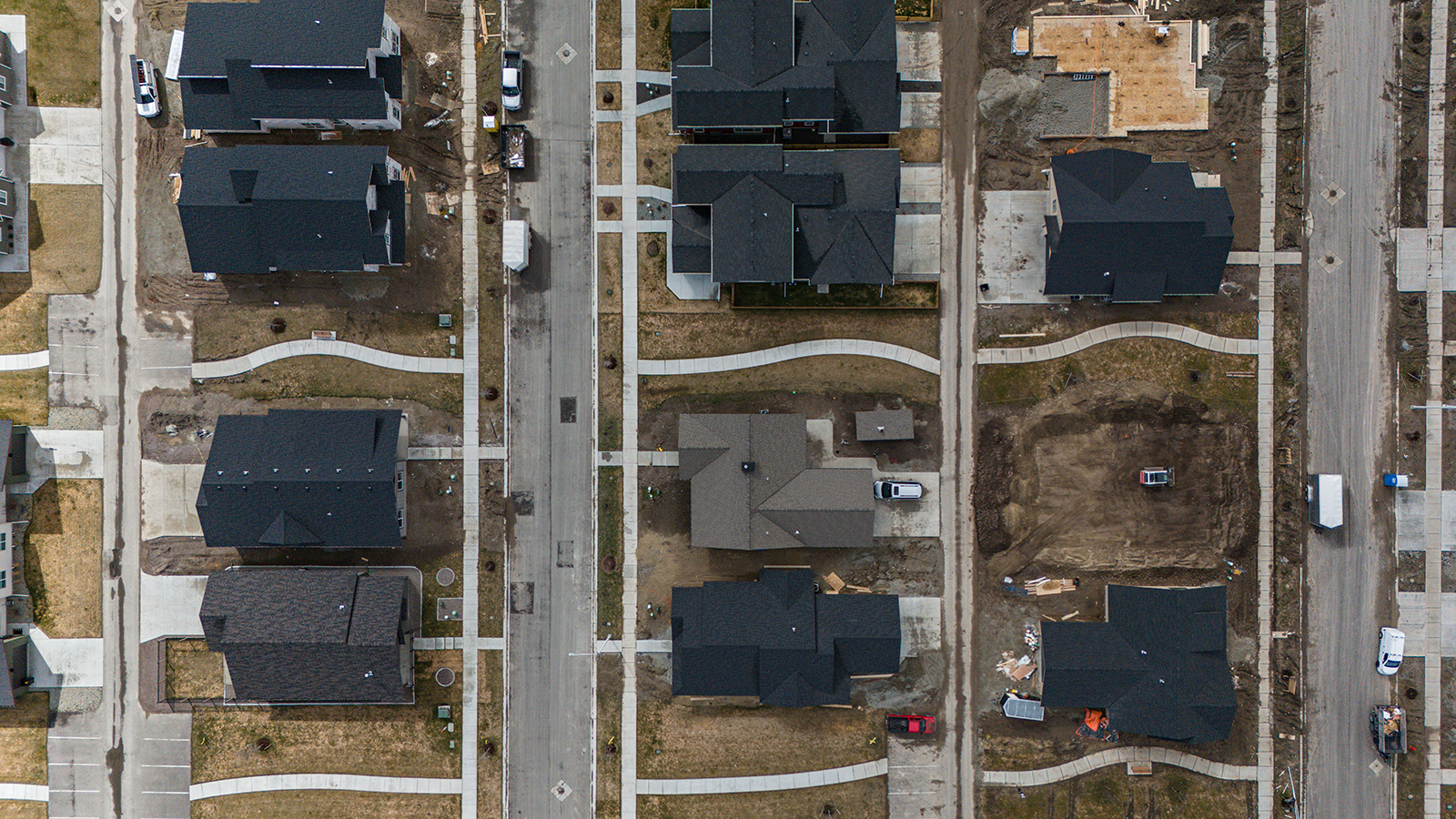
Kalispell City Council formalized the city’s new 20-year land use plan with the adoption of new zoning and subdivision regulations at Monday night’s council meeting. In approving the regulations, council took the final steps toward putting the city in line with new state law and the Montana Land Use Planning Act (MLUPA), a 2023 legislative mandate requiring cities around the state to update their growth policies. Councilors adopted the city’s land-use plan in early April before layering in the regulatory framework this week.
The new regulations are largely a copy-and-paste of state code, the city’s Assistant Director of Development Services PJ Sorensen said. They also include housing strategies, another MLUPA standard that requires cities to select at least five out of 14 suggested approaches from the state aimed at increasing housing options. Councilors adopted strategies with recommendations from the planning commission and city staff, based on public comment staff collected over the past year.
The strategies include reducing minimum lot sizes by 25%; permitting duplexes and tiny homes in all residential zones; changing multifamily dwellings from a conditional use to a permitted use in commercial and office zones; encouraging the sharing of single-family homes by multiple tenants; and incorporating state changes to minimum parking standards.
The new regulations also eliminate public hearings for preliminary plats, another MLUPA mandate that proponents of the state law say will help streamline development.
Councilors included a public participation plan, which lays out when the public can expect to receive notice about proposed developments and options for engagement. Amendments to city zoning maps, variances, conditional use permits and preliminary plats will be mailed to property owners within 150 feet of the proposed site and published in the newspaper. Residents will have 15 business days to provide written comment on the development.
Per Councilor Dustin Leftridge’s recommendation, the plan also includes a website dedicated to applications that do not involve a public hearing, which the public can access online. The site will include all application materials for a site-specific development such as staff reports, public comment, staff decisions, and where the development is in the approval process. Residents will also be able to subscribe to receive automated email notifications when a public comment period opens, when a staff report is posted or when a written decision on a site is issued.
Councilor Kyle Waterman said streamlining the permitting process while promoting public participation in a transparent manner were not mutually exclusive goals.
“What’s been unpleasant about the whole MLUPA process is sort of gutting out the public process,” Waterman said. “I want to definitely assure the public that the intent here is to improve the process, that we’re not going to just take something that’s given unpleasantly from the Legislature but find a way to enhance it to make sure that it works the best for the citizens of Kalispell.”
The council also amended the zoning text to consolidate R-3 and R-4 zones, which were previously separated as distinct single-family and multi-family zones. With state code permitting duplexes in both zones, however, the zoning districts have become essentially the same, Councilor Sid Daoud said.
“We’re going to move everything into R-3 because it’s the same both ways, and then we reserve R-4 for later use if we need to, but this will make some of the confusion around those two zones go away,” Daoud said.
The change is a “paper organization change more than anything,” Mayor Ryan Hunter noted.
Councilors said they were optimistic that, despite the change in public process, the other changes from MLUPA might help the city build more affordable housing.
“We do a heavy lift for housing in Flathead County as the county seat, but also just geographically where we are and having public systems that are adequate to support housing,” Waterman said. “I think this cleans us up when it comes down to the process we just had to make sure there is more housing available.”