From Runway Rehab to a New Jail, Local Infrastructure Projects Take Off Across the Flathead Valley
In a roundup of structural improvements including new wastewater systems and a public safety facility, local municipal leaders said new and upgraded infrastructure is necessary to keep pace with future growth
By Zoë Buhrmaster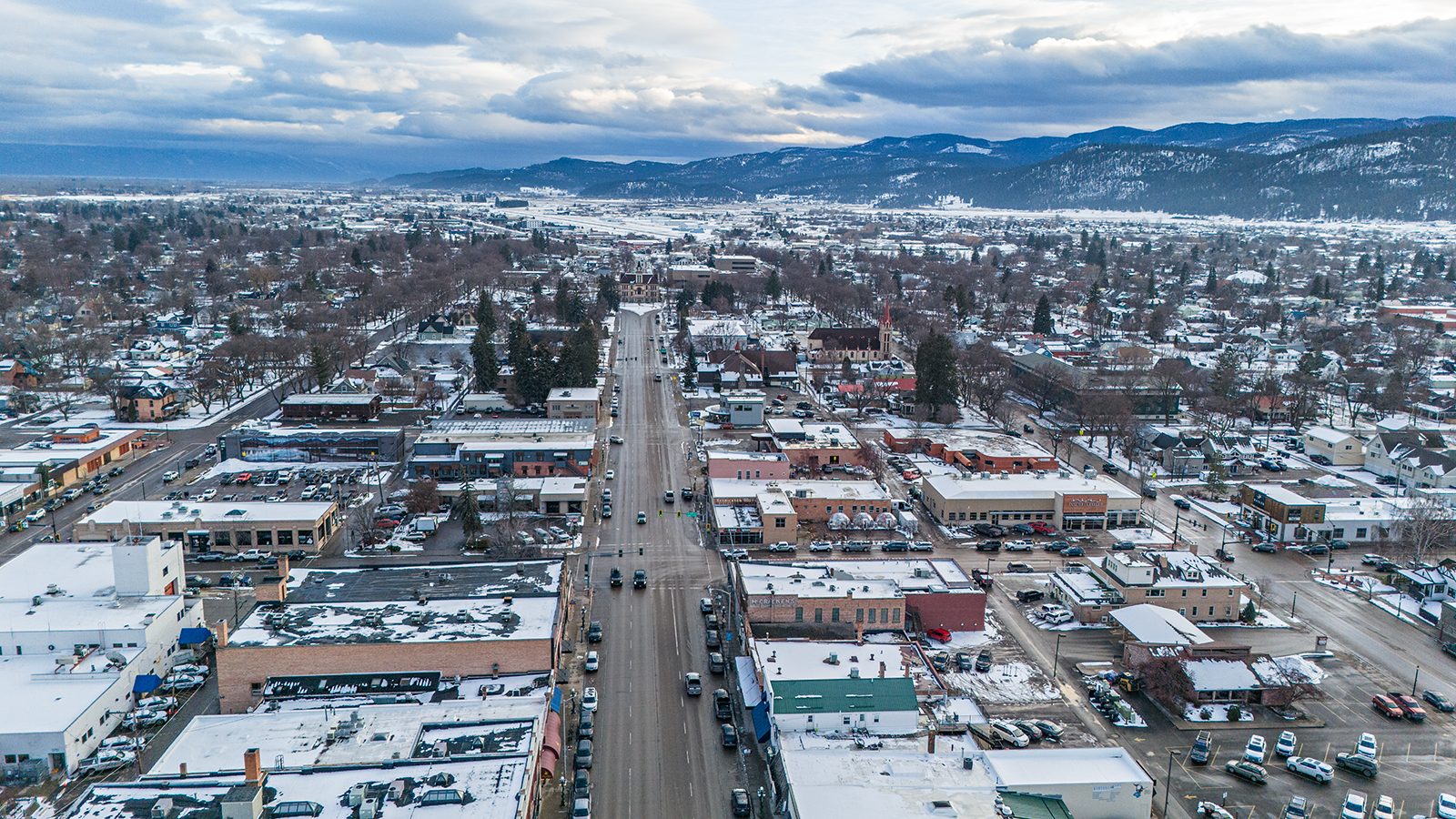
As the Flathead Valley continues to see slow and steady population growth, local government officials and transportation directors are working to upgrade aging and outdated infrastructure with capacity for future development. With a slate of projects in the queue — ranging from an airport runway rehabilitation to a city water tower and breaking ground on a public safety facility and jail — officials from Glacier Park International Airport, Kalispell and Flathead County shared updates on their respective expansion projects during the Kalispell Chamber of Commerce Growth Summit Thursday morning.
Kalispell is currently in the process of major upgrades to the city’s water infrastructure, including a new water tower that holds a million gallons of water to support the north side of Kalispell and the replacement of two water tanks serving south Kalispell. City Manager Jarod Nygren said the wells “go back to the 1950s.”
“These huge infrastructure projects will provide for the growth of the next 100 years,” Nygren said. “But also, this is just rehab and replacement that needed to happen regardless.”
Other large infrastructure projects city officials are working on include a new sewer lift station, a new biosolid dewatering system, and stormwater facility upgrades.
In Flathead County, county administrator Pete Melnick pointed to the recently passed bond for the new public safety facility and 260-bed jail, which he said they expect to break ground on in June. The facility is anticipated to help address overcrowding and includes an expanded medical wing to help with the jail’s high volume of inmates with mental illness.
County officials are also looking forward to a new septage facility they partnered with Lakeside County Water and Sewer District to construct.
The water and sewer district is expected to complete phase one of the project later this year, which includes the septage receiving facility. The district is currently waiting for approval from the Montana Department of Environmental Quality (DEQ) on phase two, which would approve the treatment process. Melnick said the process would be an upgrade from the county’s current treatment method, which involves injecting septage directly into the ground in farmland across the lower Flathead Valley.
“That’s how it’s done. Perfectly legal, perfectly normal, done all over the world, but we can do it better here,” Melnick said. “Keeping our fingers crossed there because there’s 30,000 gallons a day of septage that needs to be disposed of.”
County officials are also looking at updating the county fairgrounds in a two-phase effort. The first phase would focus on the grandstands — either replacing or patching them up, Melnick said — with the second phase prioritizing other beautification projects, such as taking down some of the horse barns and fixing fences. The county replaced the north bleachers last year.
Melnick said the county would likely be requesting quotes on potential grandstand renovations sometime in the next month or so.
At Glacier Park International Airport, Deputy Airport Director Ian McKay reminded business owners of the critical rehabilitation project taking place at the airport this summer. During July, the airport’s lone commercial runway will be closed for construction Monday evening to Friday morning each week.
“We believe that a planned disruption was preferable to unplanned chaos,” McKay said of the project occurring during the height of tourism season.
Airport officials decided on the July closure dates after considering air travel patterns, assessing 20 years of weather data, and reviewing paving standards from the Federal Aviation Administration. Though local businesses have aired concerns that the closure may result in a loss of business during one of the summer’s busiest months, McKay said the scale of the project and complicating factors necessitated the July date.
“Our staff and engineering team carefully went through all the options and determined that the closures will provide enough time for the contractor to do their work in a manner that provides for a quality product, while still preserving 60% of our standard weekly flights.”