Columbia Falls City Council Approves New Land Use Plan, Zoning and Subdivision Regulations
Discussion about state-mandated changes to the public hearing process was at the forefront as the city pushed forward in the Montana Land Use Planning Act (MLUPA) process
By Lauren Frick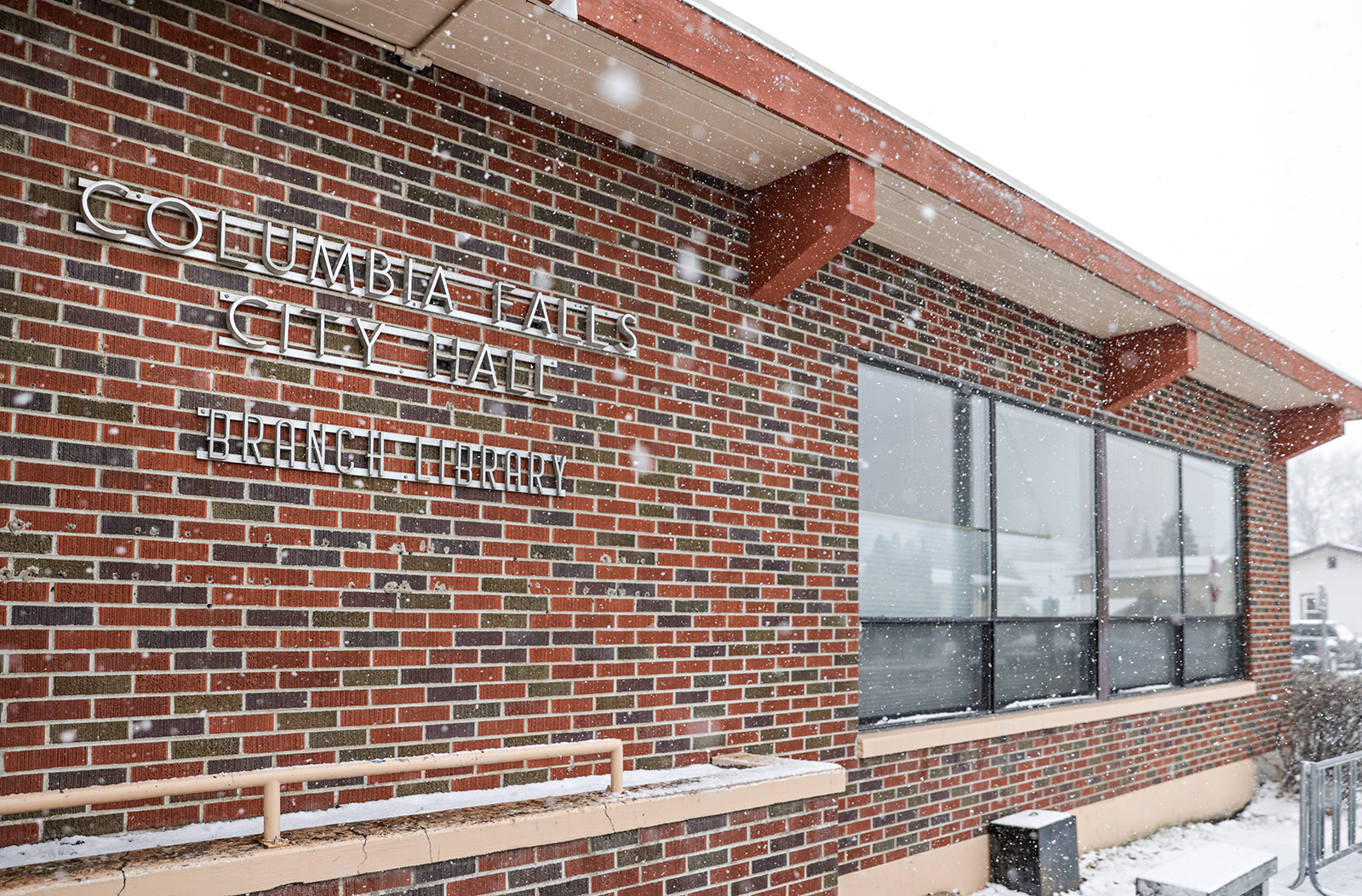
Columbia Falls city councilors on Monday night took one step closer to completing state-mandated requirements outlined by the Montana Land Use Planning Act (MLUPA) by adopting a new land use plan and approving a new set of zoning and subdivision regulations.
The city council at the special meeting unanimously voted to adopt the new land use plan and corresponding map, which was an update to its 2019 growth policy and will guide the next 20 years of development in the city. The first of two readings for the new set of zoning and subdivision regulations also received unanimous support.
“Thank you so much for all your hard work that you put into this,” Mayor Donald Barnhart said to city staff following the affirmative votes. “We’re getting closer to the finish.”
In May 2023, the Montana Legislature adopted Senate Bill 382, which created MLUPA. Under the statute, 10 cities across the state, including Columbia Falls, Whitefish and Kalispell, are required to adopt a new land use plan and update local zoning and subdivision regulations in accordance with MLUPA to accommodate for the city’s projected population growth.
Consulting firm Cushing Terrell has led the effort over the last six months to piece together the city’s new land use plan, using public feedback to propose a series of changes from the 2019 version. Several of those changes pertain to adding new land use designations, such as “downtown” and “innovation/flex.”
Land designations help define the intent, uses and character the city would like to see in an area. The designations aren’t regulatory like a zoning ordinance, but instead can help inform any updates or changes to zoning in the city.
The firm also highlighted what it deemed as “opportunity areas” for the city, which the firm identified as Highway 2 and Halfmoon Road, Cedar Palace, and the land formerly owned by the Columbia Falls Aluminum Company and the housing project Teakettle Heights, which was approved by the city on June 1.
Under MLUPA, the land use plan and map must be reviewed every five years to assess potential changes. However, the city council also has the opportunity at any time to review and change the plan as long as it goes through a complete public hearing process, Eric Mulcahy, the city’s planner, said.
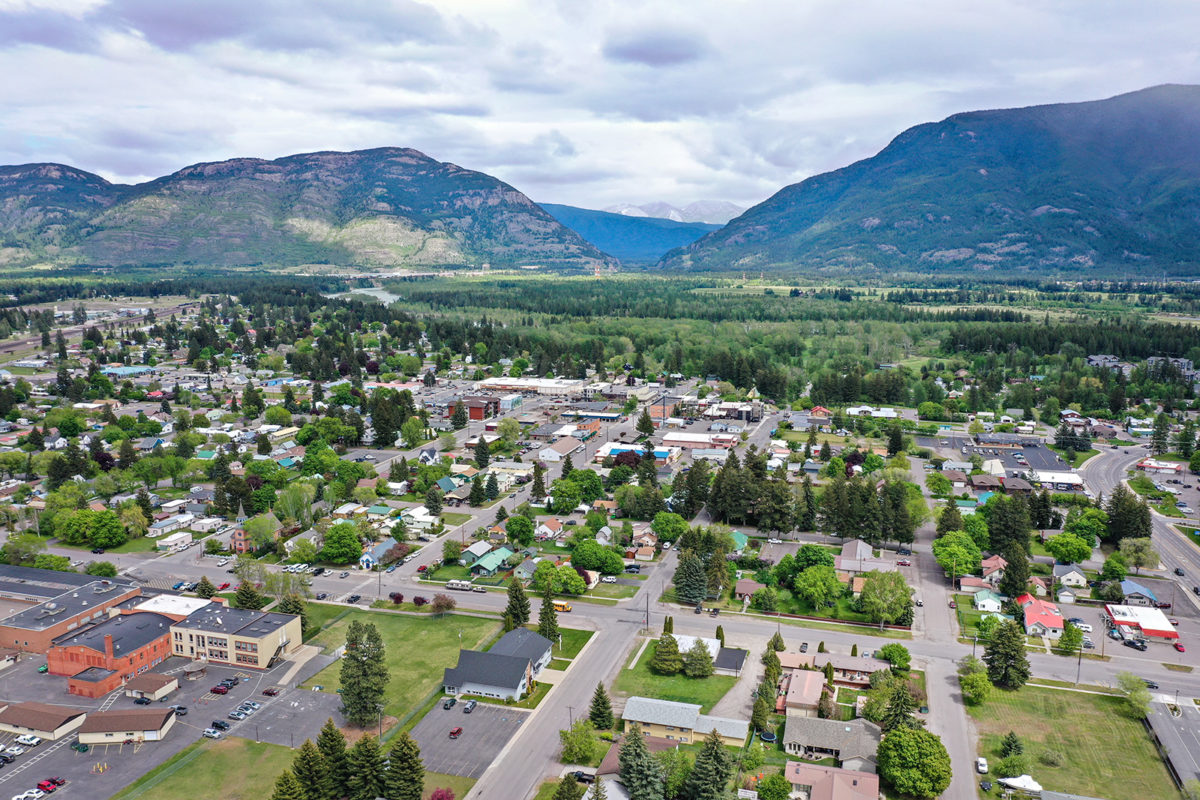
The changes to the city’s zoning and subdivision regulations supported by the city council on Monday largely dealt with bringing the city into compliance with state law. Similar to Whitefish, the city will take a more in-depth look at the regulations toward the end of the year to fully implement policies from the new land use plan.
“As part of MLUPA, we were required for subdivision rights and zoning regulations to comply with these policies that essentially changed the whole way we address subdivisions and zoning in the past,” Mulcahy said. “There was a series of bills that affected things like parking; single-family zones are now duplex zones; multifamily is now permitted in commercial zones; and mixed uses are allowed in commercial zones as a by-right, permitted use.”
“In both instances, we primarily stuck to just implementing MLUPA and the 12 to 15 House bills and Senate bills that address land use planning in these documents,” he added. “So pretty much what is in front of you is just bringing these into compliance with MLUPA.”
SUPPORT THE WHOLE FUTURE OF THE FLATHEAD VALLEY
Bolster your Flathead Beacon newsroom as we follow stories past the headlines and into the impacts on our communities by making a donation of any amount. With you, we can stay resilient, focused on solutions and committed to the future of the Valley.
While both MLUPA matters passed with little objection, there was still extensive discussion on the decreased level of public participation and changes to the public hearing process moving forward because of state law.
The goal of MLUPA is to “front-load” public input for development by shifting major community discussion and approval to the initial, broad plan and zoning creation phase — the process Columbia Falls is currently in — moving approval of individual projects to a faster, more administrative staff level with less public notice, aiming for faster housing development by making site-specific rules predictable. These administrative development approvals will be dictated by the growth policy being created through public participation, both now and as it’s updated every five years.
Public hearings will still be allowed for initial zoning after the annexation of land and if a developer requests a zoning change for a property, but subdivision approvals will be done through an administrative process informed by the land use plan.
“There’s no more major subdivisions or minor subdivisions, it’s just subdivision,” Mulcahy said. “It gets reviewed administratively, and then there’s a 15-day appeal period to allow the public to look at those applications and ask questions or put an appeal.”
The city is working to create a flow chart to help residents better understand the appeals process, Mulcahy said. It’s also staff’s goal to develop a portion of the city’s website to include development application information and a notification system, similar to Whitefish and Kalispell.
“Basically create that portal so that we can download the application once it’s been sufficient; put that on the website, and then people would have an opportunity to look at whatever we’re looking at,” Mulcahy said.
As the city crafts a system to keep its residents involved in the development process, staff Monday night also discussed the challenge of balancing public participation with the hard truths of the law.
“The very clearly stated purpose of the law is to front-end load the public comment,” Justin Breck, the city’s contracted attorney, said. “That couldn’t be more clear and the Montana Supreme Court has said unequivocally this is complete and adequate public participation by any and all measure.”
“They’ve litigated it plenty,” Breck added. “The state has been very clear. They even added another statute to supplement it and satisfy the court. Where it’s going to get litigation are cities that try to put back things and add more public comment and go contrary to what the law’s stated purpose. That’s where litigation will take place, and I’m quite sure those things will lose.”