As Trego Elementary School Takes Steps Toward Methamphetamine Remediation, Questions Remain
A newly seated board is grappling with remediation efforts, personnel challenges and attempting to learn the ropes of serving in their roles in the small, rural district
By Mariah Thomas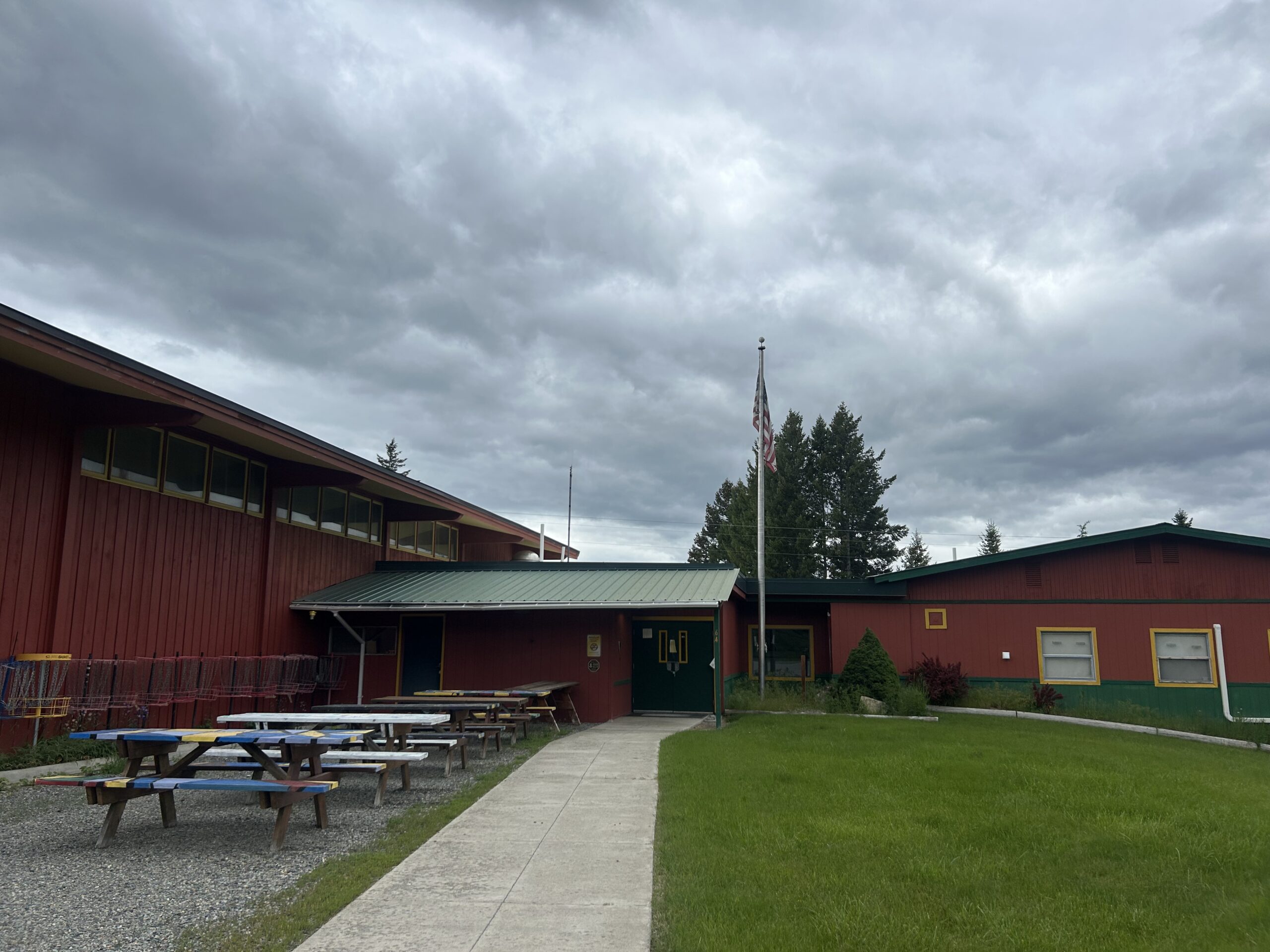
At Trego Elementary School’s June 10 board meeting, the board attempted to press on with business as usual amid continuing fallout over revelations the school library and a school-owned property commonly known as the “teacherage” tested at elevated levels of methamphetamine residue.
At the meeting, the board postponed approvals of contracts for its staff members for the next school year to a June 19 special meeting; discussed developing a stronger social media presence; and opted to continue using the services of Flathead County’s special education cooperative, which serves the needs of students in small, rural districts.
But it had sparse information to offer about remediation. More questions cropped up as a teacher raised concerns regarding her contract and pay from the previous school year. Those questions lacked answers. Most of the board has changed since it approved her contract last summer.
What is the school’s remediation timeline, and what contingency plans are in place should that timeline veer off-track?
At its May 27 meeting, the board approved a bid from Xtreme Restoration & Carpet Cleaning, based in Kalispell, with an estimated cost between $12,000 to $16,000 to remediate the school library. It opted to hold off on remediating the teacherage, which came with an additional estimated cost of around $30,000.
Kris Glover, the chair of the Trego Elementary School board of trustees, told fellow board members June 10 she didn’t have much information to give in the way of the remediation timeline.
“We planned on paying for the remediation, the half, with the credit card,” Glover said. “Unfortunately, it was more than the credit card could hold at the time, so we had to mail them a check.”
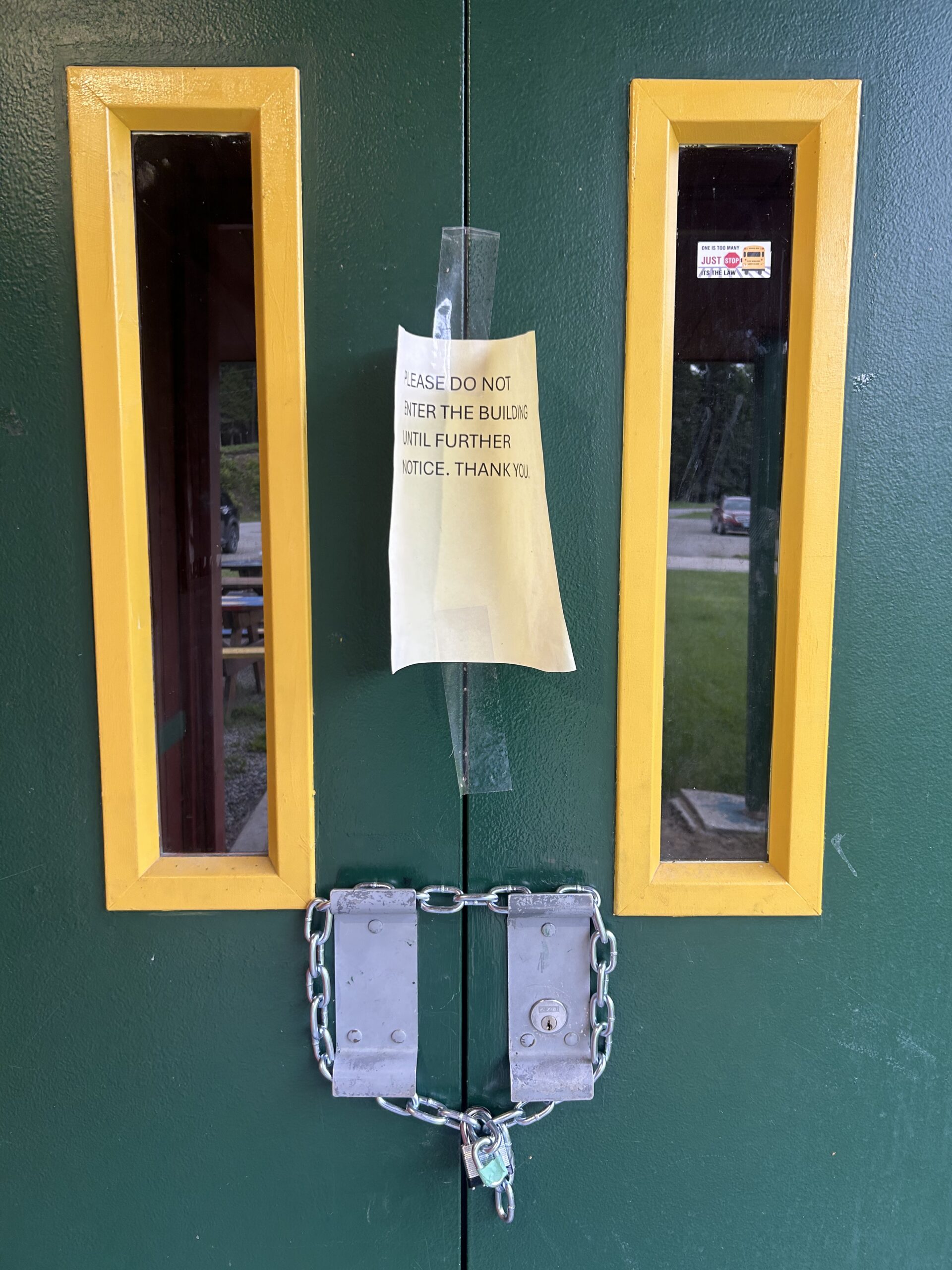
According to board meeting minutes from May 27, the school board approved pulling money out of its building reserve funds to pay for the remediation. Board member Leilani Swan said at the board’s June 10 meeting she was working on contacting the district’s insurance to see if the remediation for both the teacherage and the library was something it would cover.
Once Xtreme Restoration & Carpet Cleaning receives payment, Glover said scheduling a time for remediation should happen quickly. Remediation takes around three or four days to complete.
At that point, the district will have to retest the school library to ensure the remediation process worked. The board also discussed repainting the school with an oil-based paint once it finishes remediation. That practice is recommended when cleaning methamphetamine contamination. Painting “helps to provide a barrier between the contamination and anyone who may come in contact with the surface.”
Kaitlyn Haugen, one of the board members, said in an interview with the Beacon the board hasn’t discussed contingency plans should the remediation timeline extend beyond the summer months. It’s a moving target as the board continues determining the best way to proceed.
“I just want to make it known the board really is just doing everything possible for the kids, to make sure they are gonna have a year at the Trego School for next year, you know, and continuing years,” Haugen said. “That’s our main mission; is this is for the students. We’re going to go down every avenue possible to make that happen and just, hopefully we’re successful.”
Is someone investigating the origins of the methamphetamine residue?
On June 10, Noel Duram, a Lincoln County commissioner, attended the school board’s meeting at the request of a concerned citizen. After the meeting, Duram said he renewed concerns about the happenings in the district by reporting what he’d heard at the board meeting and in conversations afterwards to the county attorney.
Lincoln County Attorney Marcia Boris said she could not comment on specifics about a case, but investigating allegations of criminal activity is a responsibility that falls to law enforcement. Lincoln County Sheriff Darren Short previously told the Beacon his office was not investigating the methamphetamine residue at the school. He said the district was handling it as an internal matter.
“I have advised the district that any allegations that a criminal offense has occurred should be reported to law enforcement for investigation,” Boris wrote in an email. “If law enforcement determines that sufficient evidence exists to file charges, they would then forward their investigative file to this office for review.”
Boris clarified that “sufficient evidence” depends on several factors. To file a charge, Boris wrote, “the threshold requirement is that there is probable cause to believe the individual committed the offense.” For a prosecutor to file a charge, they must “believe the charge can be proven to a jury beyond a reasonable doubt.”
Board meeting minutes and a recording from April 8 reflect school board members and Trego residents in attendance discussing a rumor the methamphetamine had originated with previous teacherage tenants. Those rumors remain unverified. While testing can determine the presence of residue, it can’t determine how long it has been there, nor where it originated.
Why has the board experienced so much turnover?
In the past two years, Trego’s school board has almost completely turned over. At the board’s June 10 meeting, Clara Mae Crawford, the vice chair, said she has been on the board since 2019. But Kris Glover, the board’s chair, was first elected in May 2025. The board’s other three members won election mere weeks ago in the wake of current board members’ terms expiring, taking their seats after the methamphetamine residue came to light.
Trego’s May school board election attracted eight candidates for three open seats. All the candidates had to file by March 26 — before the district discovered methamphetamine residue in the teacherage and school library. Two weeks before the election, the district held a special board meeting to share the results of the teacherage testing. And the day before the election, the board announced it had found residue in the library.
On May 13, three new board members took seats: Leilani Swan, Kaitlyn Haugen and Heather Brannan. The trio is now at the center of the school’s decisions about moving forward.
Haugen was born and raised in Libby but moved to Trego to be with her fiancé. She has a daughter who attends Trego Elementary School. After discussing it with her fiancé and several people in the community, she ran for the school board to bring a parent perspective. Plus, she said as a newer resident of Trego, she didn’t have a lot of historical context about the board and school district — a positive, in her estimation, because it meant she could bring new ideas to the forefront.
“I guess I just want to see transparency between the school board, the parents, the community,” Haugen said. “You know, I just feel like there hasn’t been that before. And I just really, I think it’s important that everyone is on the same page, and the people that want to be involved can be involved but also know what’s going on. And I’m hopeful that we can be successful in that.”
Haugen pointed to a pair of conversations from the board’s June 10 meeting, in which they discussed the importance of having accurate minutes and re-establishing a more up-to-date Facebook page, as examples of how the district is beginning to take steps toward transparency. For Haugen, keeping the district open as an option for Trego families remains important.
“It would be kind of unfortunate for all of the kids that live in Trego to have to be shipped all the way to Eureka every single day for school when we have a perfectly good building here, and teachers, and, you know, staff members who want to work and make the school what it is,” Haugen said. “And so, it would just be really traumatic to the whole community for it to close.”
In an email, Brannan wrote that she chose to run because “the school is at the heart of our community.”
“I feel it’s important Trego has a school that is able to provide high quality education for the children in our community,” Brannan wrote. “Hopefully going forward we will have positive interaction with the community and staff. Ideally we’ll see some parents and community members step up with positive ideas and constructive suggestions as to what they would like to see the school achieve.”
Swan declined an interview, but responded to an email about why she ran for the school board. She referred to herself as “semi-retired.” The Trego resident since 1988 built and owned the Trego Pub with her husband until selling it last year.
In her email, Swan wrote that several young people in Trego either attend school out of district or are homeschooled. The K-8 district had 13 students before it closed the doors for the methamphetamine residue, and finished the year with nine. The school’s head teacher said three students opted to homeschool and one student transferred to Fortine to end the year.
Swan ran for the board in hopes that Trego Elementary School could build a program that appealed to local families.
“I truly believe in community service and hope that I can make a positive impact on the school,” Swan wrote.
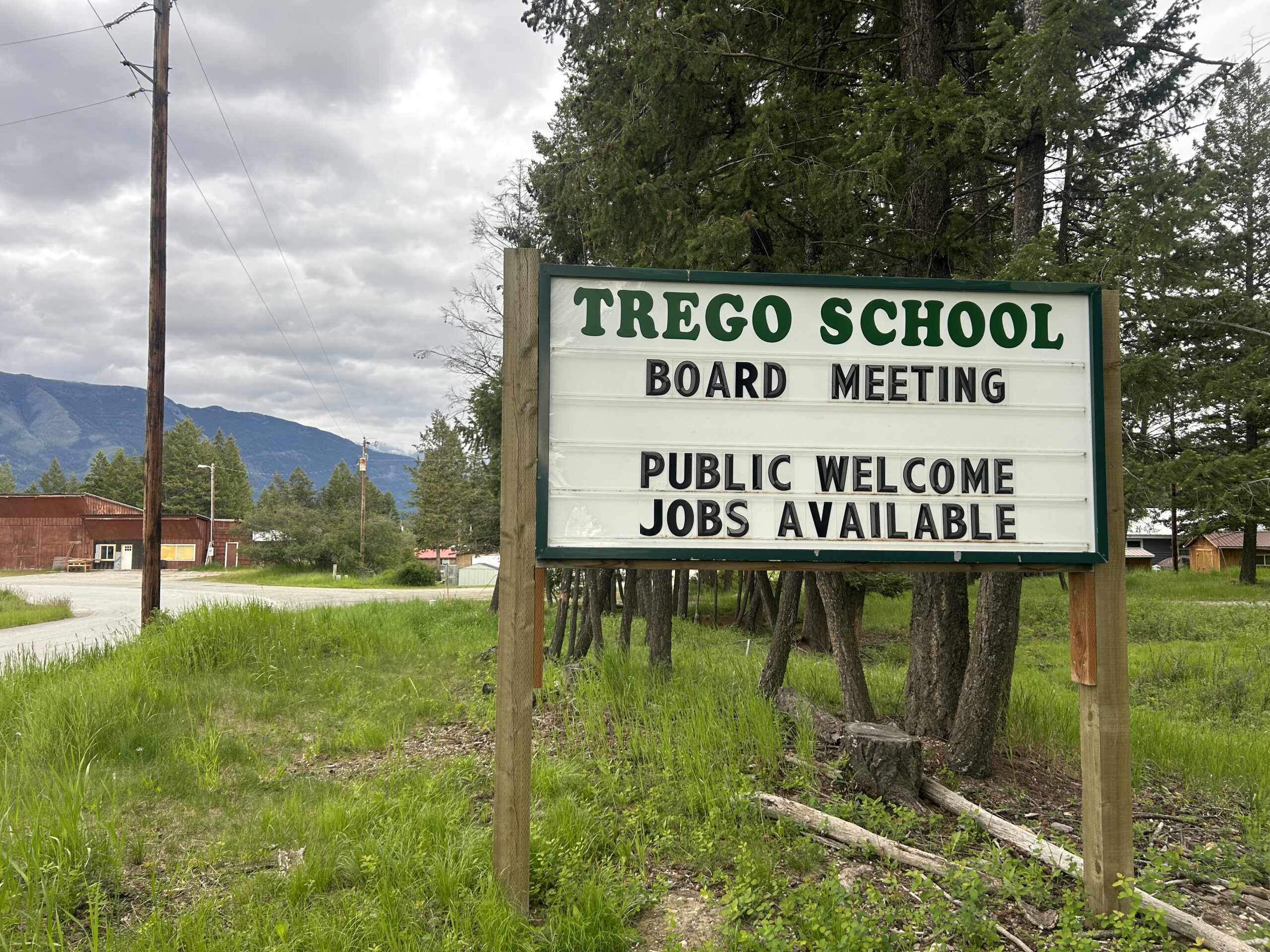
Is there anyone in charge of the school board at Trego?
School boards in Montana provide supervision and oversight for school districts. Their tasks include setting school district policy, hiring and firing decisions, selecting curriculum, budgeting and more.
Once elected, school board members aren’t required to go through any type of training, though multiple county superintendents of schools told the Beacon the Montana School Boards Association provides help and support to local school boards and trustees on policy and other topics. And Duram, the county commissioner who attended the meeting, gave public comment suggesting he’d speak with the commission about providing a training this year for the board’s new members.
Duram clarified in Lincoln County, county commissioners pay for trainings for county boards in odd-numbered years. The last training commissioners paid for was provided in 2025. At the commissioners’ June 17 meeting, Duram said he proposed planning one for this year and the county clerk and recorder is working to schedule a date for that training.
Beyond board members, at a Class III school like Trego, where the board does not employ a principal or superintendent, it’s the job of a county superintendent to act as the district’s head administrator. As the head administrator, the county superintendent doesn’t have a vote on the board, but can make recommendations to school boards. That’s similar to the role a school superintendent or principal might have in a district that employs them.
In Lincoln County, the county superintendent of schools is Suzy Rios, a Republican who was first appointed to the position by Lincoln County’s commissioners in 2022. She won a four-year term to the role in 2024’s election. County superintendents of schools must be certified teachers with at least three years of teaching experience.
Rios shared relevant parts of Montana Code Annotated with the Beacon when asked to explain her role in relation to Trego. She did not answer an email containing follow-up questions and a request for an interview.
Erin Lipkind, Missoula County’s superintendent of schools for the past 16 years, explained county superintendents’ roles may vary from county to county. She couldn’t speak to how things run in Lincoln County, but said generally, county superintendents’ jobs include tasks like overseeing homeschool rolls, acting as chairs of county transportation committees and doing distributions for retirement and transportation funds.
For Class III schools, county superintendents can be more hands-on, Lipkind said, making recommendations on budgeting, curriculum selection, hiring and firing of staff and more. But their involvement tends to be limited by how much school boards listen to their suggestions. Whether boards choose to take those recommendations, in Lipkind’s experience, largely depends on the relationship between the county superintendent and board members.
Still, Lipkind explained the role of the county superintendent — particularly in small districts like Trego — remains important. For Class III schools, it’s the county superintendent who must know administrative rule, school board policies, student handbooks, staff handbooks and collective bargaining agreements. It’s those documents that govern school systems. Often, school board members, county commissioners or county attorneys may not have knowledge of those documents and how they work together to govern schools.
“That’s where the county superintendent is the one who ensures a district operates as it’s intended to,” Lipkind said.
At Trego Elementary School’s June 10 board meeting, the board dialed Rios into the meeting over the phone. She piped up when asked. Duram, the county commissioner who attended the meeting in person, also spoke several times to give the board directions on conducting the meeting.
SUPPORT THE WHOLE FUTURE OF THE FLATHEAD VALLEY
Bolster your Flathead Beacon newsroom as we follow stories past the headlines and into the impacts on our communities by making a donation of any amount. With you, we can stay resilient, focused on solutions and committed to the future of the Valley.
What else is happening in the Trego Elementary School district?
Aside from the continuing fallout over the methamphetamine residue, the Trego Elementary School district is grappling with several changes and challenges.
Board members were open at their June 10 meeting that, with many of them being new, they were still learning the ropes. But in the meantime, the new board faces several complicated issues to wade through.
For school boards, June is typically a month that marks wrapping up the previous fiscal year’s budget and approving teacher and staff contracts ahead of the next fiscal year. As Trego’s board tried to walk through those conversations June 10, issues cropped up.
The district’s clerk, Karmen McKinney, revealed she had sent three checks to the head teacher and the district’s math teacher for June’s payroll.
“What happened is I was taught that teachers get three checks at the end of the year, and being unfamiliar with the accounting software and like we said, have been trying to catch up all year long and things have been started wrong in the first place, and I misunderstood somebody, because they told me… I should pay three,” McKinney said. “Well, it turns out I shouldn’t have paid three. I only should have paid one check in June, and so I made their day on Friday and busted it on Saturday.”
When the suggestion she had been overpaid cropped up, head teacher Cristina Jo Leib raised another issue. While the board had approved her hire last summer, no board member had ever signed her contract. Board minutes from last June showed approval of her hire, but did not contain a copy of Leib’s contract.
A copy of a contract Leib signed and brought to show the board also did not contain an agreed-upon salary or definitively indicate whether her pay was on a 10-month or 12-month cycle. She said she did not want to return the funds the district paid her. Leib claimed she had been promised higher pay than what she made throughout the school year.
The board didn’t come to a decision about how to handle the issue at its June 10 meeting. It also pushed back finalizing contracts for staff members and the district’s clerk for the next school year.
An agenda for a special board meeting on June 19 included approving certified and classified contracts and renewing the district’s membership in the Montana School Boards Association and the Montana Association of School Business Officials. The district also had a pair of personnel issues it said it would discuss at the June 19 meeting. Handling personnel issues typically takes place in executive session, because the privacy of the individuals involved outweighs the public’s right to know.