Cleveland Named Transparent Election Initiative’s Executive Director of Partnerships
The former Democratic congressional candidate will be helping to build a coalition of small businesses in the state supporting The Montana Plan, a ballot initiative aiming to remove dark money from the state’s elections
By Mariah Thomas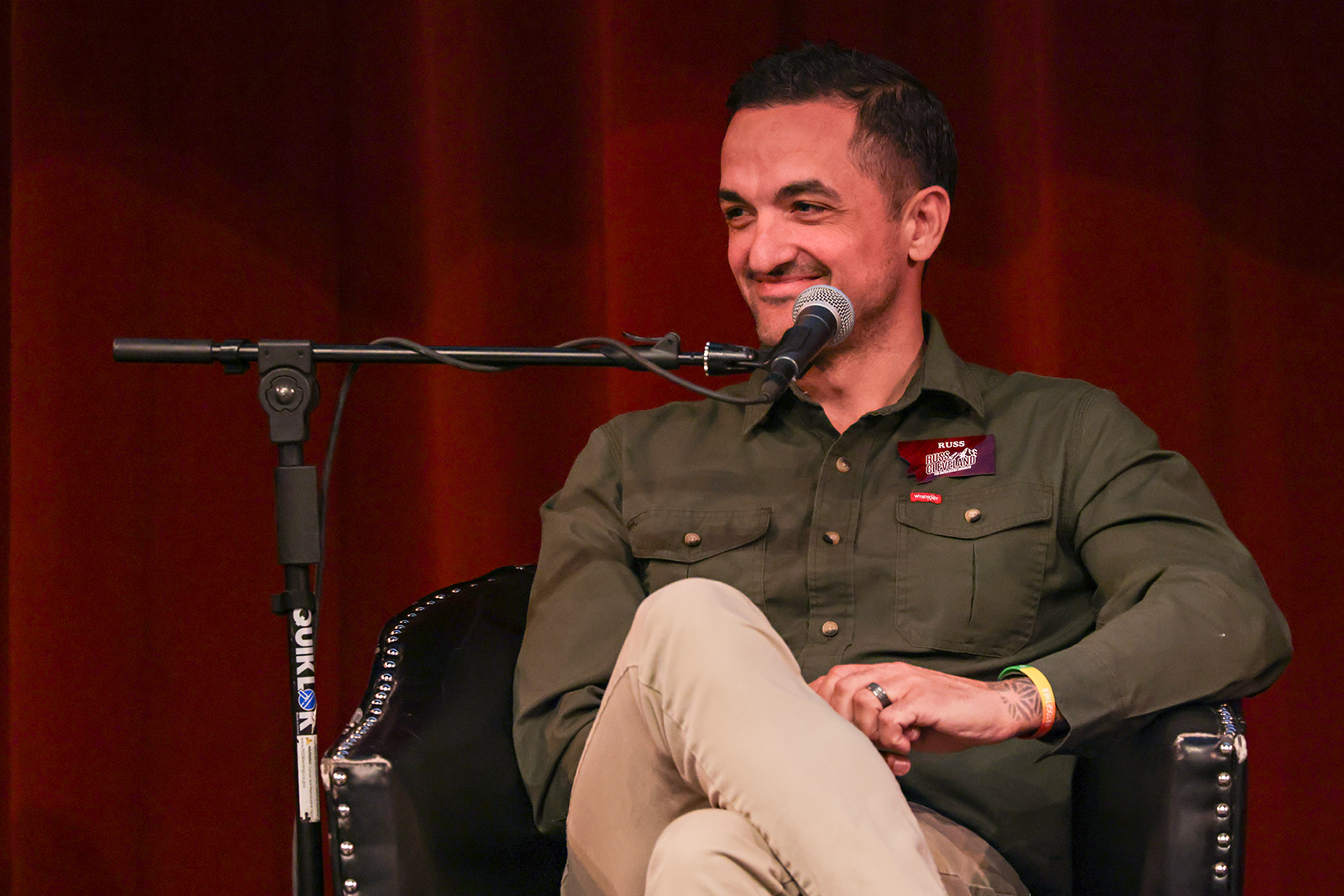
The Transparent Election Initiative, the nonprofit behind a ballot initiative aiming to remove dark money from Montana’s elections, announced Tuesday it brought on Russell Cleveland, a former Democratic candidate for Montana’s western district, to serve as its executive director of partnerships.
In his run for political office, Cleveland was one of the first candidates in the state to throw his support behind I-194, or “The Montana Plan,” the ballot initiative which aims to limit business entities in the state from contributing to candidates, political parties and state ballot issues. He carved out distinctions from the rest of the field in the Democratic primary for refusing to take any money from political action committees, telling the Beacon in April he didn’t want to be beholden to special interests should he win election. Without the passage of I-194, however, Cleveland said in a Tuesday interview with the Beacon he wouldn’t run for office again.
“I don’t think I’d consider running again if we didn’t get this dark money issue under control,” he said. “With just the amount of time and energy invested into my campaign, and seeing how quickly that can be overshadowed with a big amount of money, and you don’t know where it’s coming from, really showed how important this initiative is.”
In his new role as executive director of partnerships for the Transparent Election Initiative, the Navy veteran and former business owner turned rancher will aim to build a coalition of small businesses in the state to support I-194 as advocates try to get the initiative over the finish line this fall.
The announcement comes a week after the Secretary of State’s office accepted more than 39,000 signatures for I-194 — well above the 30,121 threshold required for it to appear on the ballot in November.
While the initiative would stop business entities in the state from contributing to political causes, Cleveland clarified the initiative, if passed, wouldn’t bar individual business owners from participating in the political process.
Still, the effort to get businesses onboard could be a challenge.
The Montana Chamber of Commerce, along with Kalispell’s and Billings’ chambers, have been vocal about their opposition to the initiative. The chambers, alongside several other groups, attempted to sue to stop the initiative from gathering signatures in March. Their lawsuit was declined by the state Supreme Court, but they’ve mounted some efforts against the initiative.
In a May op-ed, the chambers called I-194 a “one-sided disarmament of Montana’s own voices,” writing the initiative would allow for wealthy individuals to exercise outsized power over election outcomes and that small business voices could be sidelined in the process.
“There is a meaningful difference between a corporation secretly buying a legislator and a chamber of commerce publicly advocating for its members,” the chambers wrote.
For Cleveland, though, his backing of the initiative comes from the idea that it will level the playing field for everyone by taking power from large corporations, which he argues are wielding their influence against I-194.
While Cleveland’s immediate job will be trying to gain business support for I-194 in the state’s borders, he clarified the Transparent Election Initiative — the nonprofit arm behind I-194 — has a national mission.
Montana’s initiative is one of several efforts the nonprofit is involved in to change campaign finance laws under a landscape governed by the Supreme Court’s 2010 Citizens United decision. The nonprofit was also involved in the effort to pass a law in Hawaii that closely resembles Montana’s I-194, Cleveland said. In the future, should I-194 be approved by voters in November, his role will shift to focus more on building a nationwide network of businesses supporting changes to campaign finance.