Whitefish Council Directs City Staff to Continue Work With Iron Horse for Second Fire Station North of Viaduct
After another lengthy discussion, city councilors gave the OK to city staff to take the next step and begin developing an agreement with the Iron Horse homeowners association and Iron Horse Golf Club to tackle a funding plan for another city-owned fire station north of the Baker Avenue viaduct.
By Lauren Frick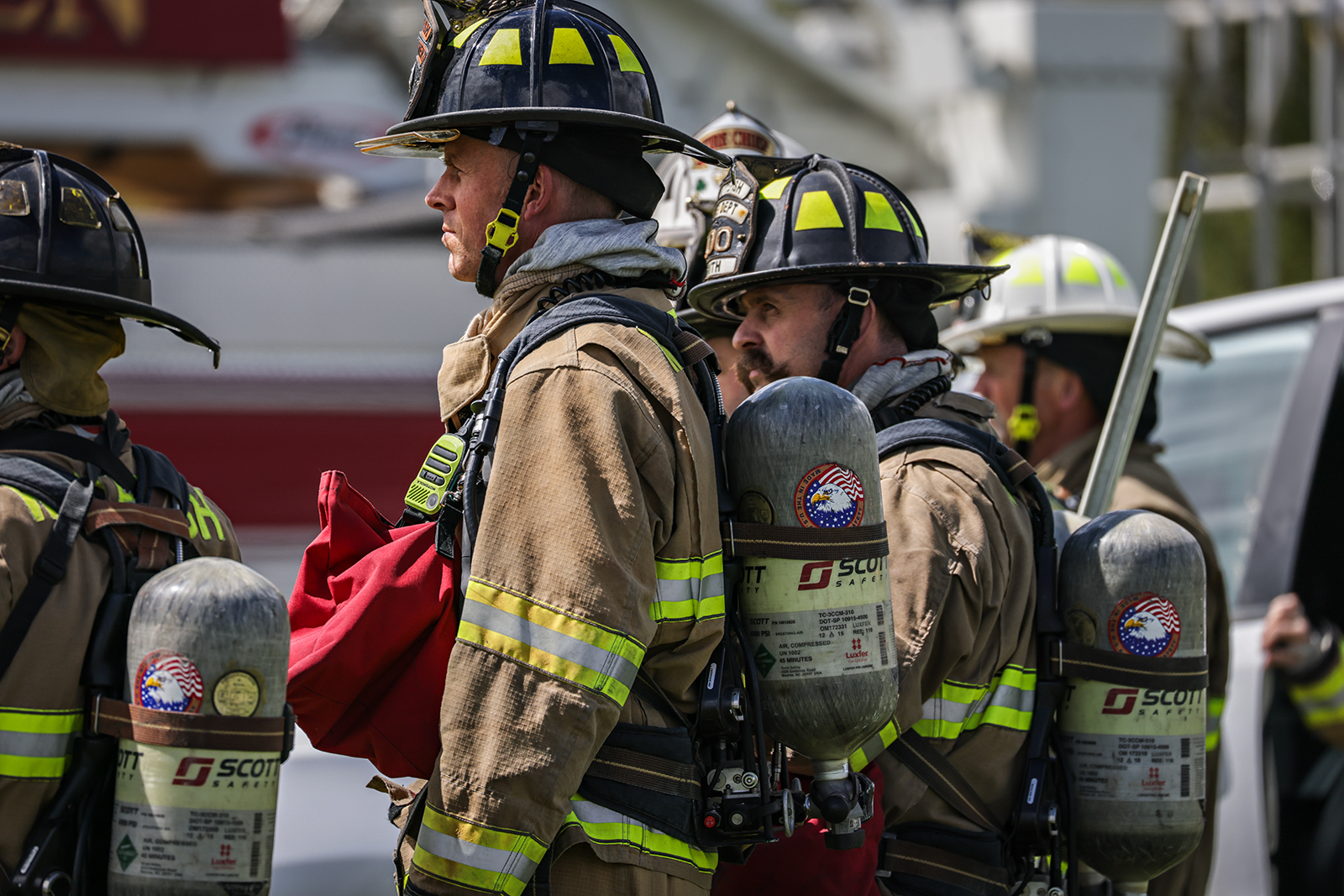
Whitefish city councilors on Monday night gave the greenlight to city staff to take the next step in a funding proposal for a second city-owned fire station north of the Baker Avenue viaduct by developing an agreement with the Iron Horse HOA and Iron Horse Golf Club.
The OK from the city council follows a July 20 work session where representatives from each of the three stakeholders shared their intent behind the proposed plan, which involves a land donation from the golf course, a capital campaign organized by the HOA and annual funding from the city for 12 full-time firefighters at the station.
Coordination between the private, luxury subdivision, golf course and city staff began in spring 2025 when Fire Chief Cole Hadley and City Manager Dana Meeker were approached by HOA president Scott Sanderude regarding a possible opportunity for the city to utilize a piece of land owned by the HOA or the golf club for a second fire station. City staff determined the ideal location would be the southwest corner of the Iron Horse Golf Club’s property along East Lakeshore Drive.
After apprehension from council members about the roughly 66% increase in firefighting staffing levels that would need to be covered annually through a levy, Hadley and Deputy Fire Chief Will Pederson performed additional analysis and determined a plan can work with only nine additional firefighters.
The nine additional firefighters would be used in a 24-hour model where staffing could be redistributed across both of the city’s stations, according to city documents for the Aug. 3 meeting.
Between the personnel costs and additional costs for things such as PPE, training, utilities and fuel, the city will need between $1.5-$1.65 million in annual operating costs if the project is completed within the next three years.
When asked by Mayor John Muhlfeld whether the council would support city staff continuing its work on the funding proposal by developing an agreement with the HOA and golf club, Councilor Steve Qunell was the only one to note his opposition.
During the council’s discussion of the funding proposal, Qunell probed whether an additional fire station would be necessary, or if the city could find ways to increase capacity through its current 18-person firefighting/paramedic staff — a new avenue that wouldn’t bring such a recurring burden on the city’s taxpayers.
Overall, Qunell expressed frustration that the city and its taxpayers would be solely on the hook for an emergency service improvement that would affect many county residents in the area as well.
“It just strikes me as weird that we’re currently underutilizing our station that we have that can hold up to nine firefighters, and now we want to build another station and reduce our current on-duty firefighters at the current station just so we can spread them out at the tune of $1.5 million to the taxpayers,” Qunell said. “I have some heartburn over that.”
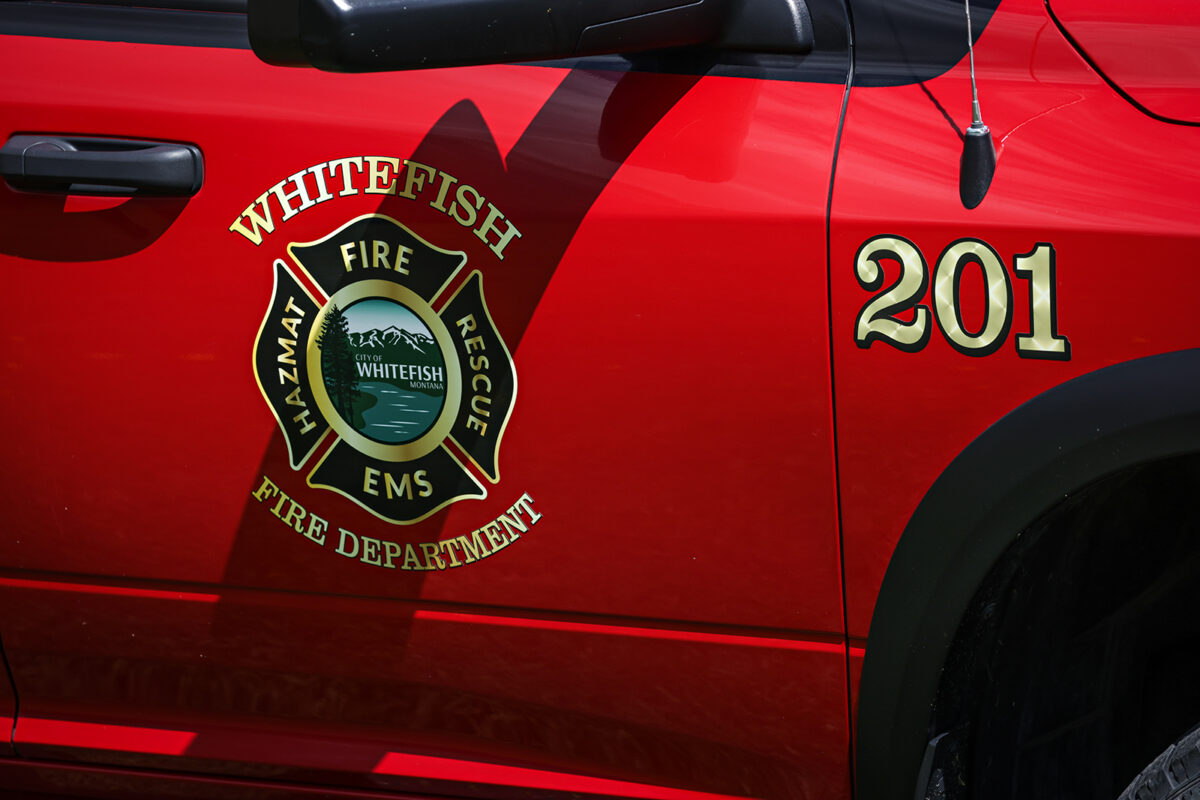
While the current station could be staffed with nine firefighters, adding a second station most effectively addresses the problem of emergency response times, Hadley said. He again noted the city is already at a cumulative 11 days so far this year in which no immediately available emergency response unit was in service due to department resources being committed to other incidents or patient transport.
“The reason for adding the second station is more about resource placement and servicing both sides of the city and not just having all resources come from the same location,” Hadley said at the Aug. 3 meeting. “Because now you’re adding extra travel time that is unnecessary if we could have a station built in that area.”
Response times have been at the heart of the Iron Horse HOA’s involvement with the funding proposal, with Sanderude, who again spoke on behalf of the HOA at the Aug. 3 meeting, saying it’s a key challenge facing those living north of the viaduct — including himself.
“I had a very serious accident on Big Mountain two years ago, and I couldn’t get an ambulance,” Sanderude said. “I was deemed non-life threatening, non-critical, but when you have a shattered shoulder and a ruptured achilles, and you’re laying there for three-and-a-half, four hours and you can’t get transport, it’s not a lot of fun.”
“We’re here to help the city of Whitefish put a fire station in,” he added. “We don’t want it to just be associated with Iron Horse.”
During discussion, Councilor Giuseppe Caltabiano suggested flipping the funding structure, with the city being on the hook for the cost of the land and the station, but Iron Horse covering the annual operation costs for the next 20 years.
Sanderude said the HOA wouldn’t be interested in continually footing the bill for operational costs, in addition to the city taxes the residents will be responsible for to fund the station and land acquisition.
Meeker noted Iron Horse residents make up a large portion of the city’s tax base, noting the proportion has been as high as 35% in the past, and will likely grow with the state’s property tax reform targeting second homes. This means that under the current funding proposal for the second fire station, Iron Horse will not only be raising capital for the station, but will also be paying a significant portion of that emergency services levy.
“We pay a lot of taxes,” Sanderude said. “We support a lot of this city, and we’re not asking for a lot. We’re asking for response time. If there’s a better answer to get response time out there, we’re all ears. We’re happy to do that.
“If all we wanted was a fire station we could do that ourselves,” he added. “We do security ourselves. But we don’t think that’s the best thing for the community. We do believe the whole city benefits by having the right number of trained personnel and the right number of equipment.”
Ultimately, city councilors agreed a levy would be the best way to approach and gauge the taxpayers’ appetite for a project as large as this. The council also expressed an interest in an all-encompassing emergency services levy that could address future equipment needs, as well as potential police department needs. Meeker said the earliest the city could have an initiative of the sort on the ballot is likely in fall 2027.
“Addressing the concern about cost going forward, it’s not us that’s going to make that decision. It’s the voters,” Councilor Andy Feury said. “In particular, if we roll it in with other capital equipment needs and going forward with one, and if people are not into it and if they don’t want to pay for it, then they’ll tell us no.”
“We do have three planning documents that tell us we need a station north of the viaduct,” Feury added in his closing comments. “If I look at some of the biggest wildfire risk in this city, it starts at Houston Point and East Lakeshore and goes all the way up the hill. A station from there is gonna hit that faster than we’re ever going to hit it from our existing station.”