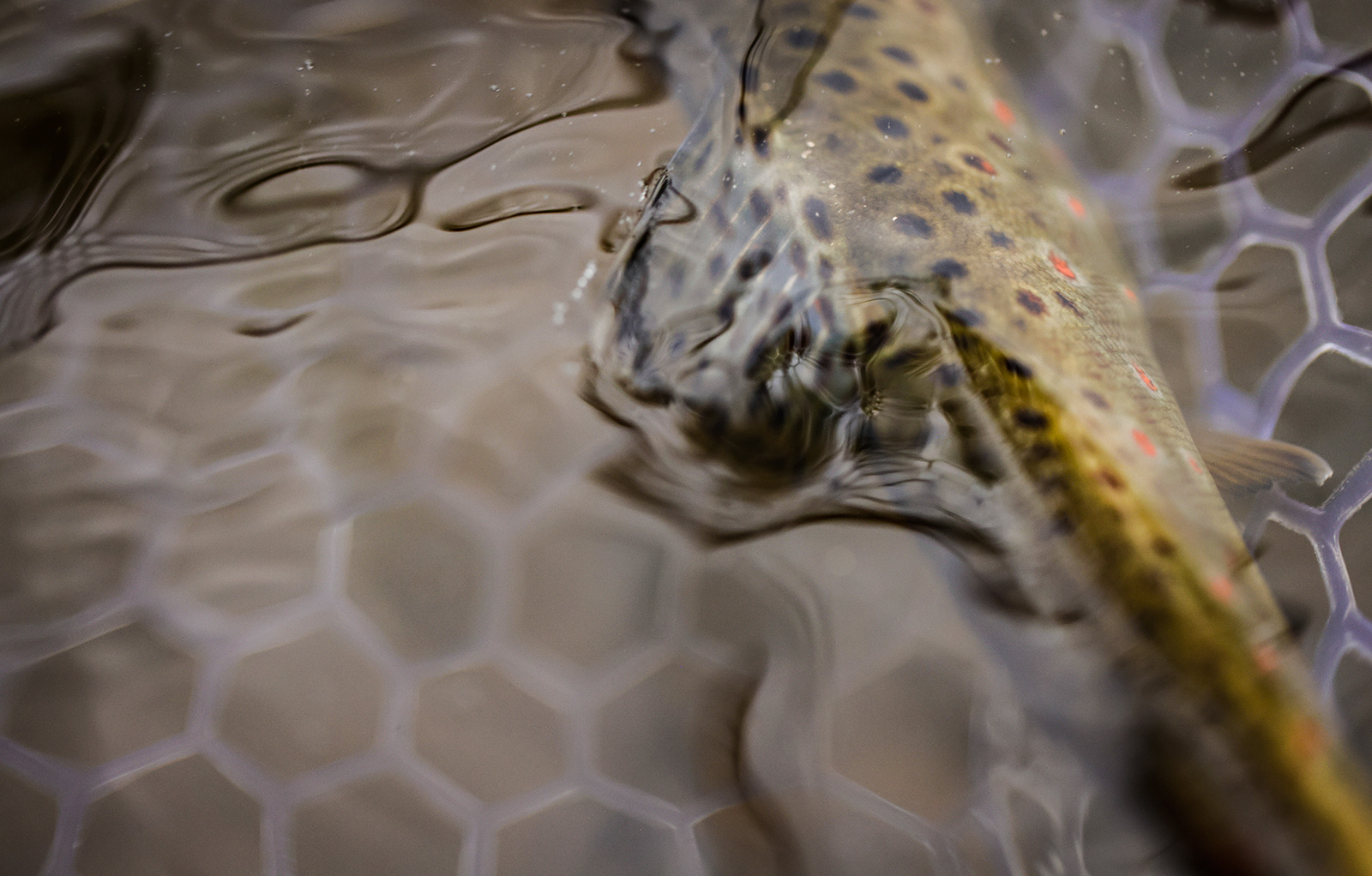
As a busy summer comes to a close for the fisheries division of Montana Fish, Wildlife and Parks — replete with reports of brown trout in the Flathead Drainage system and a myriad of hoot-owl restrictions enacted due to hot, dry weather — the agency has released its proposed four-year (2027-2030) Statewide Fisheries Management Plan and environmental assessment in a tandem package.
FWP also announced that agency staff would hold a series of meetings across the state to inform the public of what to expect in the next four years and break down the densely packed documents. Interested community members can tune into the Region 1 meeting on Sept. 3 at the Kalispell region office.
“The plan, which is updated every four years, identifies statewide fisheries-management goals, priorities, and strategies intended to sustain and enhance Montana’s fisheries and angling opportunities,” stated a press release from FWP. “Regular updates to the plan allow FWP staff to address emerging management priorities, incorporate new population-trend data and other information, revise conservation strategies as needed, and respond to changing fish populations and habitat conditions.”
Montana first implemented a statewide fisheries management plan in 2013 to outline FWP’s approach to six main categories: aquatic habitat; aquatic invasive species and fish health; fish propagation, allocation and distribution; fisheries management tools and techniques; youth and family fishing. The agency also outlines specific management direction for the 40 drainage systems across Montana.
The recent proposal marks the plan’s fourth iteration and largely builds off its direct predecessor.
“The updated draft retains the same overall project description, fisheries program areas, management framework, alternatives, and analytical approach presented in the 2023 EA Version,” FWP stated in its cover letter. “The revisions do not materially change the proposed action, the alternatives evaluated, or the overall impact conclusions of the draft Environmental Assessment.”
While many of the proposed updates seek to clarify and refine language from the previous plan, new environmental information has increased certain conservation measures for threatened species. Throughout Montana’s waters, managing fish populations has proven to be a particularly delicate balancing act between conservation and angling opportunities. Though FWP has largely stopped stocking game, decades of the practice have left native species competing with their non-native counterparts.
In local drainage systems, protecting bull trout while suppressing other lake trout remained a driving point. Reported incidents of brown trout detected in 2025 and 2026 in the Flathead River are a sore spot as the agency aims to keep the invasive species out of the water. “These fish present a serious threat to existing fisheries and fisheries management,” according to the plan’s section on the Flathead River. “FWP will continue to investigate these illegal introductions.”
The agency also outlined tentative plans for the proposed introduction of tiger trout — a sterile brook/brown trout hybrid — into the Flathead River system. Stocking the hybrid, the plan stated, could offer protection to native bull trout populations while creating popular angling opportunities. Depending on results, FWP may explore stocking additional lakes with brook trout.
In response to a historic low survey count of Swan River bull trout redds, nests built in stream beds for spawning, FWP began lake trout removal efforts to suppress the highly competitive species. “The goal is to maximize catch of lake trout while minimizing incidental bycatch of all other fish species,” according to the plan’s Swan River section FWP will continue to evaluate if the suppression efforts are effective.
The other drainage-specific plans, as well as the full 2027-2030 Statewide Fisheries Management Plan and associated Environmental Assessment can be read online. The public comment period is open until Sept. 14. Feedback can be emailed to [email protected].