Report: Montana’s Labor Force Reaches Record High, But Employment Dips for First Time Since 2020
The healthcare industry continues adding jobs as manufacturing and a dip in tourism contribute to job losses
By Maggie Dresser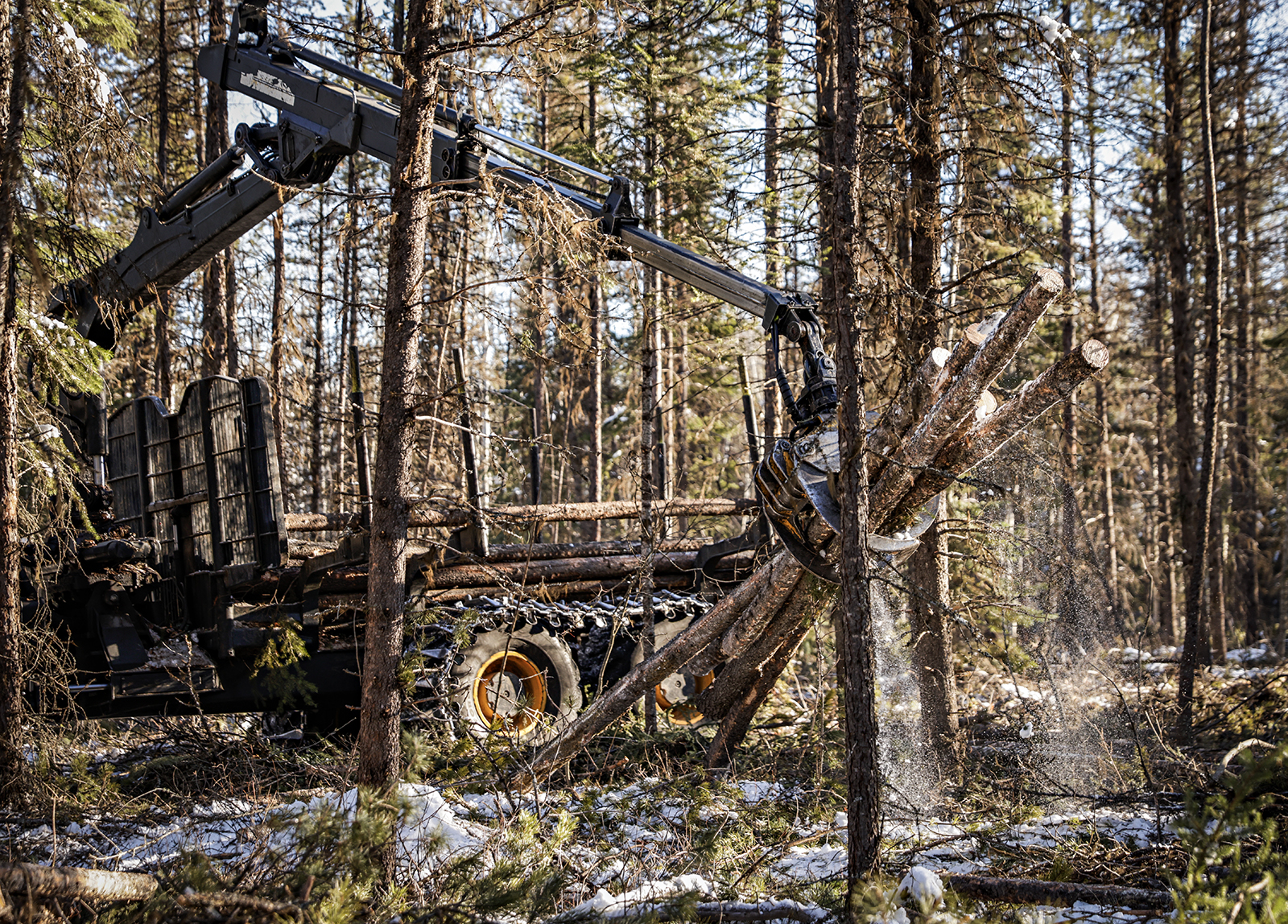
Montana’s labor force reached a record high last year even as the state lost jobs for the first time since 2020, with statewide employment declining in the mining, manufacturing, hospitality and government sectors, according to the Montana Department of Labor and Industry’s (DLI) 2026 Labor Day Report.
The labor force grew by 0.1% in 2025 to top 577,800 people, a record, while employment fell 0.3%, a loss of 1,400 jobs year-over-year. Gains in healthcare, administrative services and retail trade helped offset losses elsewhere, including a downturn in tourism.
In the northwest region, for example, a 2.3% dip in Glacier National Park visitation last year contributed to a 1.4% loss in hospitality and recreation jobs. The state’s unemployment rate hovered around 3.3% last year and has since dropped to 3.2% as of August 2026 — still notably higher than Flathead County’s 2.7% rate last month.
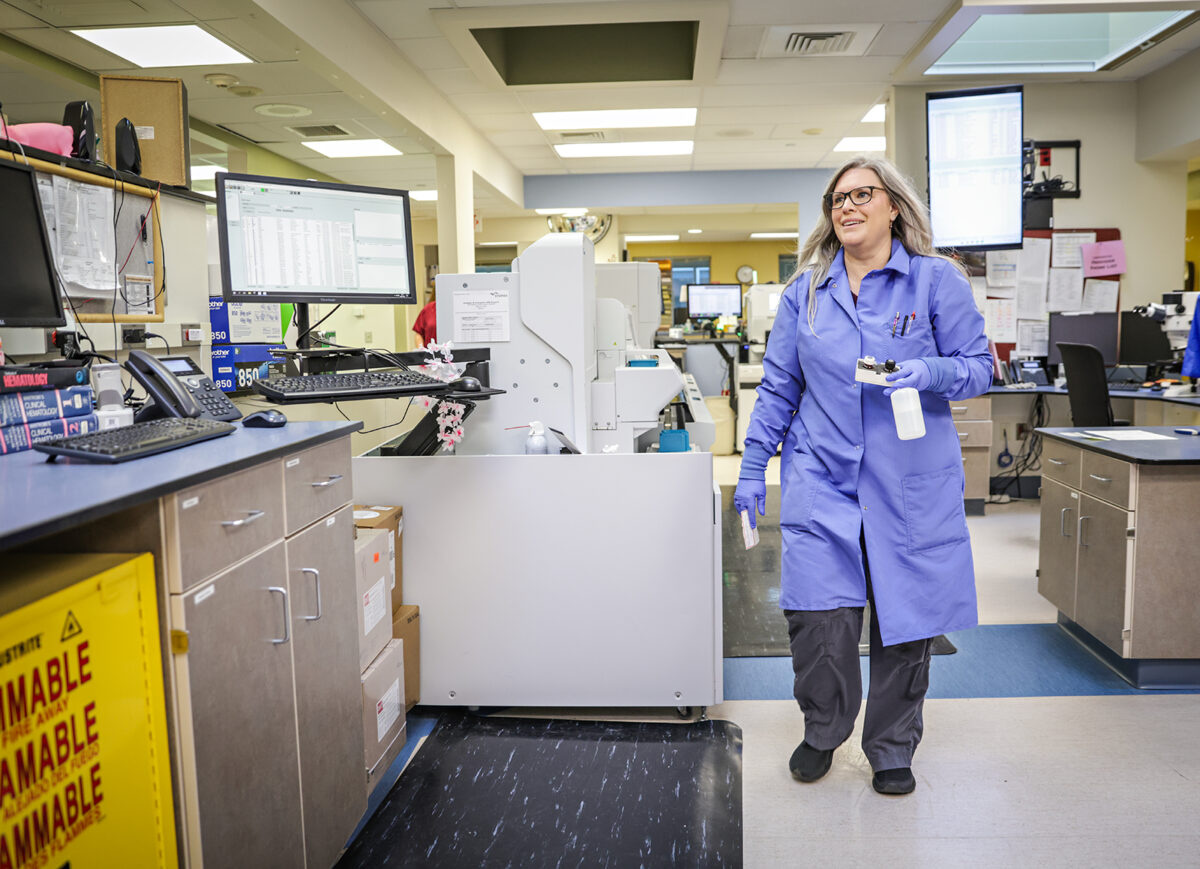
As Montana’s largest industry, the healthcare sector added more than 1,200 jobs in 2025 as employment grew at nursing and residential care facilities and hospitals, which make up the lion’s share of overall job gains.
Hospital employment alone last year increased by more than 900 jobs, marking the largest annual increase since 2016 as ongoing system consolidation and capital investments in new facilities have contributed to strong employment growth.
Logan Health, for example, merged with Billings Clinic in 2023 and now oversees 25 hospitals across Montana, northern Wyoming and the western Dakotas, and officials recently announced a possible partnership with Helena’s community hospital, St. Peter’s Health.
But even as healthcare job gains over the last three years have helped mitigate pandemic-related job losses in 2020 and 2021, nursing and residential care employment remains below 2019 levels.
Meanwhile in eastern Montana, layoffs at Sibanye-Stillwater, a mining and metal processing facility located west of Billings, contributed to a 6.9% decline in the mining industry.
Federal jobs, too, declined sharply last year in response to the Trump administration’s efforts to reduce the workforce, with most layoffs occurring in the Department of the Interior and the Department of Agriculture during the first quarter of 2025. State jobs also shrank, making up a 2.6% decrease in state and federal employment, with 530 fewer jobs.
In the manufacturing sector, jobs in the northwest region dropped by 3.3%, outpacing the statewide decline of 2.1%. The dip marked the third-largest decline among Montana industries following the closure of three wood products manufacturing companies in the last two years.
Pyramid Mountain Lumber in Seeley Lake and Roseburg Forest Products in Missoula both closed in 2024, while UFP Edge in Missoula closed last year, resulting in a total layoff of roughly 350 employees.

The declining job market has led to a slight rise in unemployment levels, which is helping ease the state’s chronic labor shortage while Montana continues to experience record wage growth.
In 2025, Montana’s average wage reached a record high of $62,920 and ranked No. 2 nationwide for the fastest wage growth, rising by 2.1% on an inflation-adjusted basis year-over-year.
DLI economists cite labor productivity as the primary driver of wage growth following a 3% increase last year, which includes implementing labor-saving technologies and automation that allow businesses to cut down on staff.
As artificial intelligence (AI) alters the economy, experts say Montana’s workforce is less exposed compared to the national average because of the high volume of hands-on occupations like construction, healthcare and food service.
According to the Bureau of Labor Statistics (BLS) data, management occupations rank No. 1 with the lowest exposure to AI at 5%, while computer and math occupations are 100% exposed. Job sectors like education, healthcare, architecture and engineering, and social services also have a low exposure to AI.