Blackfeet Lawmakers Become First Native American Couple to Serve Alongside Each Other in the Legislature
Sen. Tyson Running Wolf and Rep. Lona Running Wolf will be part of the largest Montana American Indian Caucus in the history of the Legislature
By Zoë Buhrmaster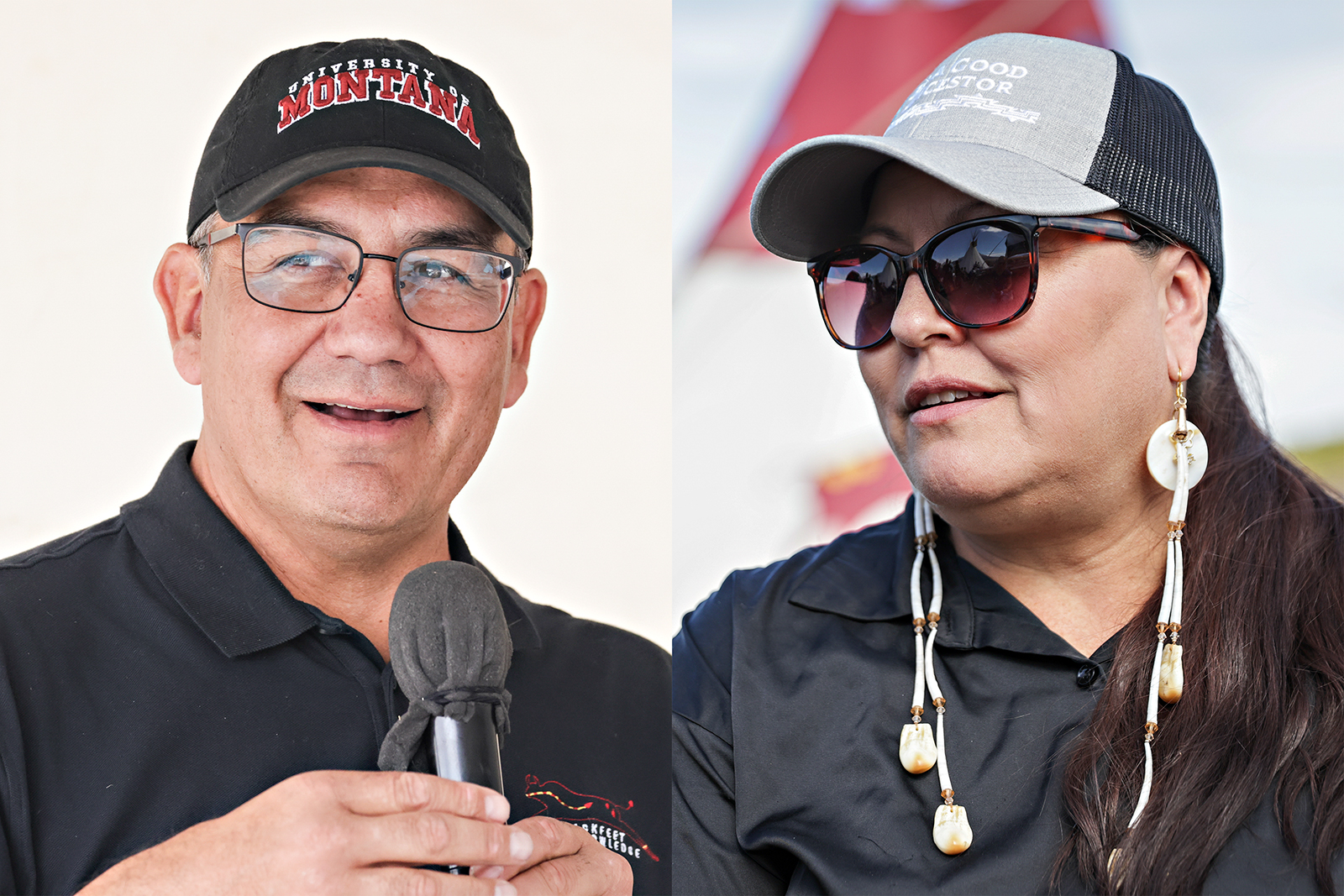
For Lona and Tyson Running Wolf, the ability to work together in the upcoming legislative session is the realization of a nearly eight-year-old dream the wife and husband formed when Tyson first ran for a seat in the State House. The Blackfeet legislator has represented parts of the Blackfeet Indian Reservation and Glacier County in House District 16 since 2019, with sights set on eventually running for the state Senate.
“As he was getting used to being a legislator and getting the skills he gained from it he started telling me, ‘You’d be a really powerful legislator,’” Lona recalled.
Then Sen. Susan Webber announced she would not be running for reelection in Senate District 8 this year. The Senate district includes the Blackfeet Reservation and parts of the Flathead Indian Reservation. With Lona finishing her doctorate in teaching and learning at the University of Montana in May, the pieces seemed to fall together.
On Tuesday, Tyson won the Senate seat with 62% of the vote. Lona took his seat in House District 16 without a challenger.
“I don’t think it’s really set in yet,” Lona said Wednesday evening. “In the past I’ve always been Tyson’s or the representative’s wife. That’s the role I’ve known.”
Lona and Tyson will be part of the largest Montana American Indian Caucus in the history of the Legislature, set to include 14 Democratic members. It will also break the record for most Indigenous women serving in the Legislature. The Montana American Indian Caucus works to advance legislation aiding Indian Country, building on the premise that what benefits Indian Country benefits the state as a whole.
Lona and Tyson will also be the first Native American couple to serve alongside each another in the Legislature. Sens. Shane Morigeau and Jacinda Morigeau, second cousins and members of the Confederated Salish and Kootenai Tribes, concurrently served during last year’s session.
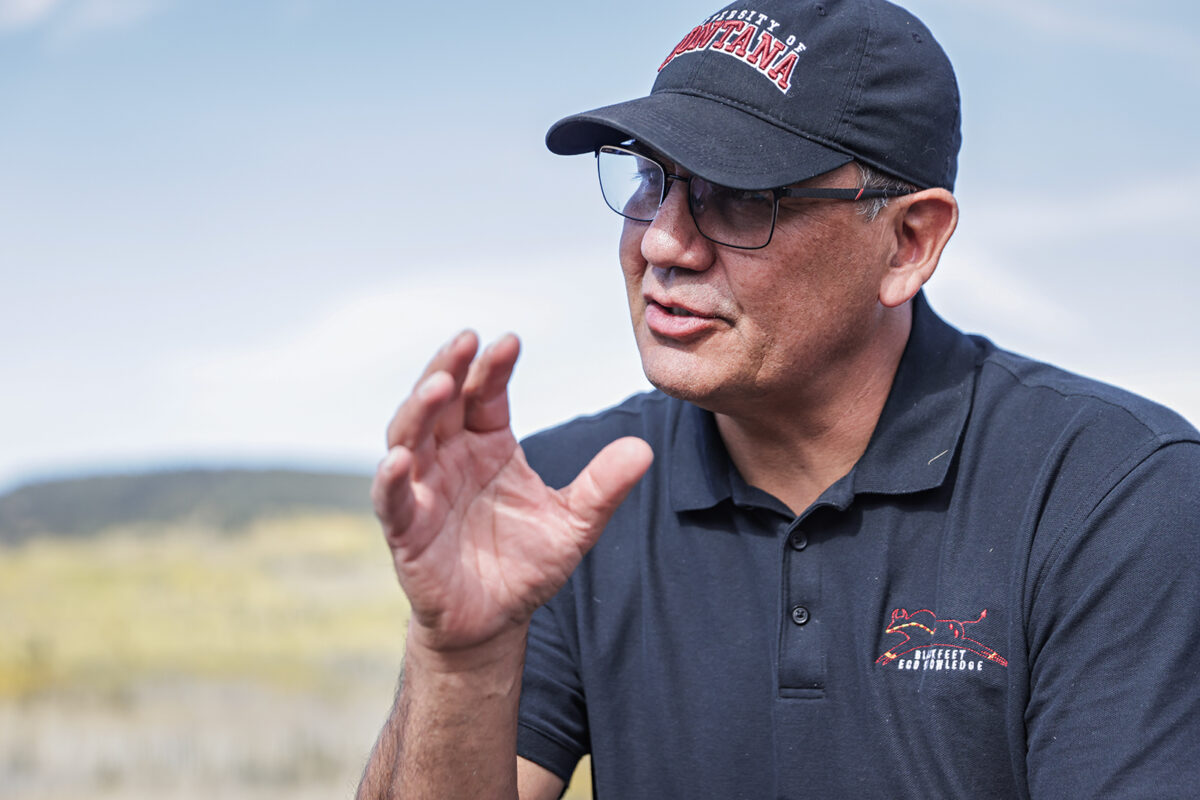
Tyson, 52, grew up in Browning. The citizen legislator owns a construction company and holds a bachelor’s degree in forest resource management from the University of Montana. He served on the Blackfeet Tribal Business Council from 2014 to 2018. Last year during the 2025 Legislature, he served as House minority whip, chair of the Montana American Indian Caucus, and has served on the Montana House Education Committee for multiple sessions.
In the Legislature, he’s supported Medicaid and other affordable health initiatives, sponsored legislation supporting the Missing and Murdered Indigenous Persons task force and worked to preserve natural resources.
Lona, 54, has a long history in education. Born and raised in Browning, she’s taught in a classroom, served as the director of American Indian Student Achievement for the Montana Office of Public Instruction and worked as an instructional leader at the University of Montana Western. There she also worked in teacher preparation programs until she returned to school for a doctoral degree focusing on Indigenous educational systems in 2021.
“It’s a long way to do it, but I started at the grassroots level and could see the issues our students were facing,” Lona said. “I’ve still been able to see what the issues are and not compartmentalize I would say. Not just for Native children, but all children.”
Together for more than two decades, the Blackfeet couple raised a blended family of seven children, which has grown to include 10 grandchildren.
Around the same time Lona began her doctorate, Tyson and she cofounded Blackfeet Eco Knowledge, a nonprofit focused on reconnecting Blackfeet tribal members to their land and culture following years of assimilation. Combining their passions – his for the environment and hers for education – tested their ability to work together.
“We don’t agree on everything,” Lona said. “We’re not just the blind leading the blind, and we do have our individuality too. But I’m not so afraid or intimidated knowing he’s on the other side of the Legislature.”
Working through those differences has sharpened their ability to unite over a shared goal, something they are both looking forward to in the upcoming session.
“Going into the leg I think we’ve worked out most things,” Tyson said. “How to fight right and to make it a good environment for the people around us, how to move some legislation we’re both eyeing to get through the session.”
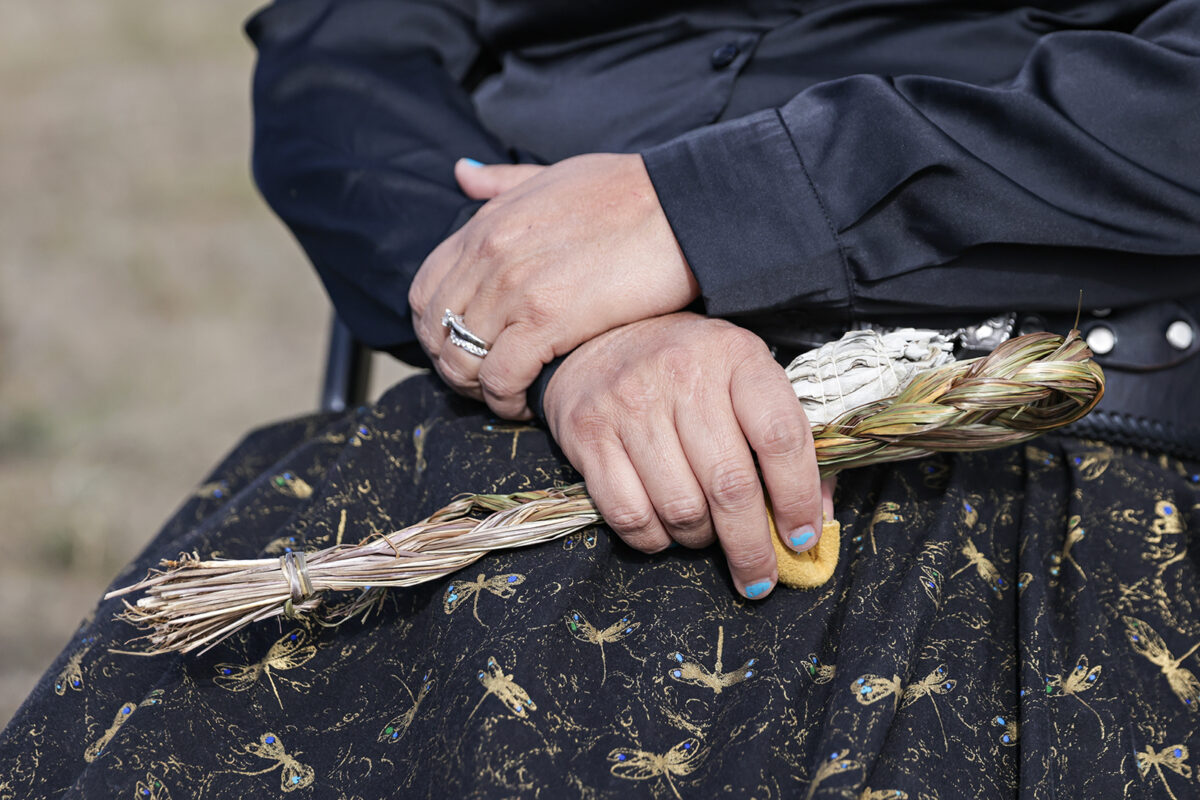
Part of those skills has also been developed through osmosis as Lona helped Tyson with bills he’s worked on during his years in the House. When Lona moved from the primary uncontested and became representative-elect, she began picking his brain on how to motivate others with legislation and teachers began calling her to talk about issues such as language revitalization.
“Everything is a bill to me right now,” Lona said. “I’m seeing Native people really interested in how they can impact change … And I’m really excited to help with those kinds of things.”
While the pair is comforted knowing they’re guaranteed support for each other’s bills on the other side of the Legislature, they’re most excited to collaborate on education initiatives. Earlier this year the ACLU and Native American Rights Fund reached a landmark settlement with the state requiring schools to show how they are teaching Indigenous education. The state has the only constitution in the country mandating instruction about Native American history.
“It can’t just be the old system, of how do we fill the constitution duty of Native American education for all,” Tyson said. “But we have to think about how to implement it stronger. Both of us working together can build a new bill that will fill part of the requirements within the lawsuit that came forward.
“If we got that one bill through, I think that would be a success,” he added.
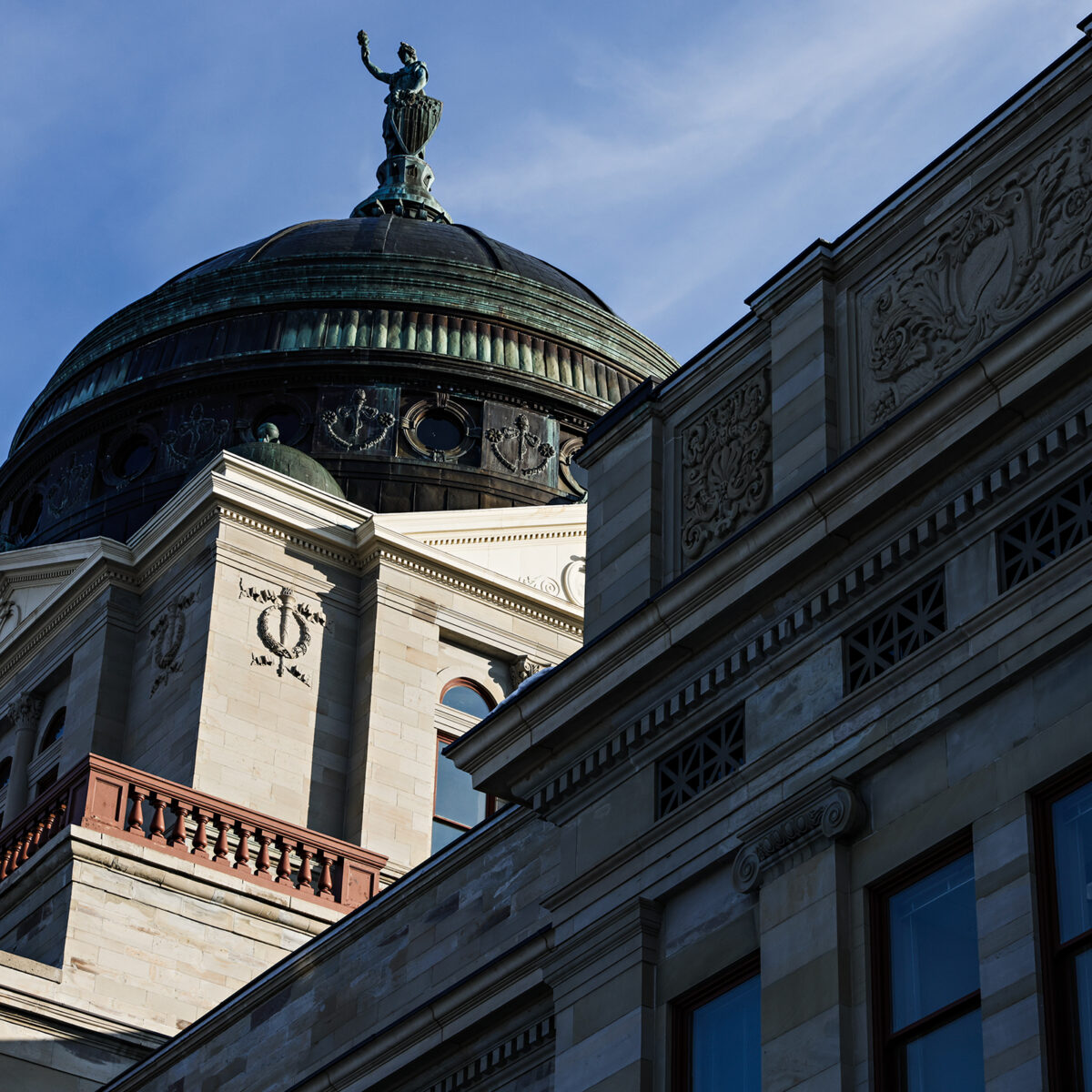
Montana State Legislature often sees family ties at the Capitol. In the 2025 Legislature, nearly 10% of its members served alongside a spouse, sibling or other family member. But never before has a Native American couple served alongside each other.
The pair watched with swelling pride as Native Americans made history across the country in Tuesday’s midterms, with the first Native American woman elected to lead a U.S. state and first Native American woman senator. Family members shared photos of “I Voted” stickers and as Tyson’s victory in the Senate became clear texts flooded in congratulating the couple on their own history making.
“It felt good to be able to say, yeah, we’re also a first,” Lona said. “But what I really love about it is seeing the community being proud of it.”
“I think it’s just the beginning,” Tyson added. “Beginning of an adventure for all of Montana to see a Native American couple moving forward in the leg, first of its kind, and there’s more to come.”