Flathead National Forest Proposes Salvage Logging on 1,537 Acres Burned in Skillet Fire
The proposal, open for public comment through Nov. 25, would harvest fire-damaged trees in the Bowen Creek, Robertson Creek, Alder Creek and Sunday Pass areas west of Olney
By Jules Lingenfelter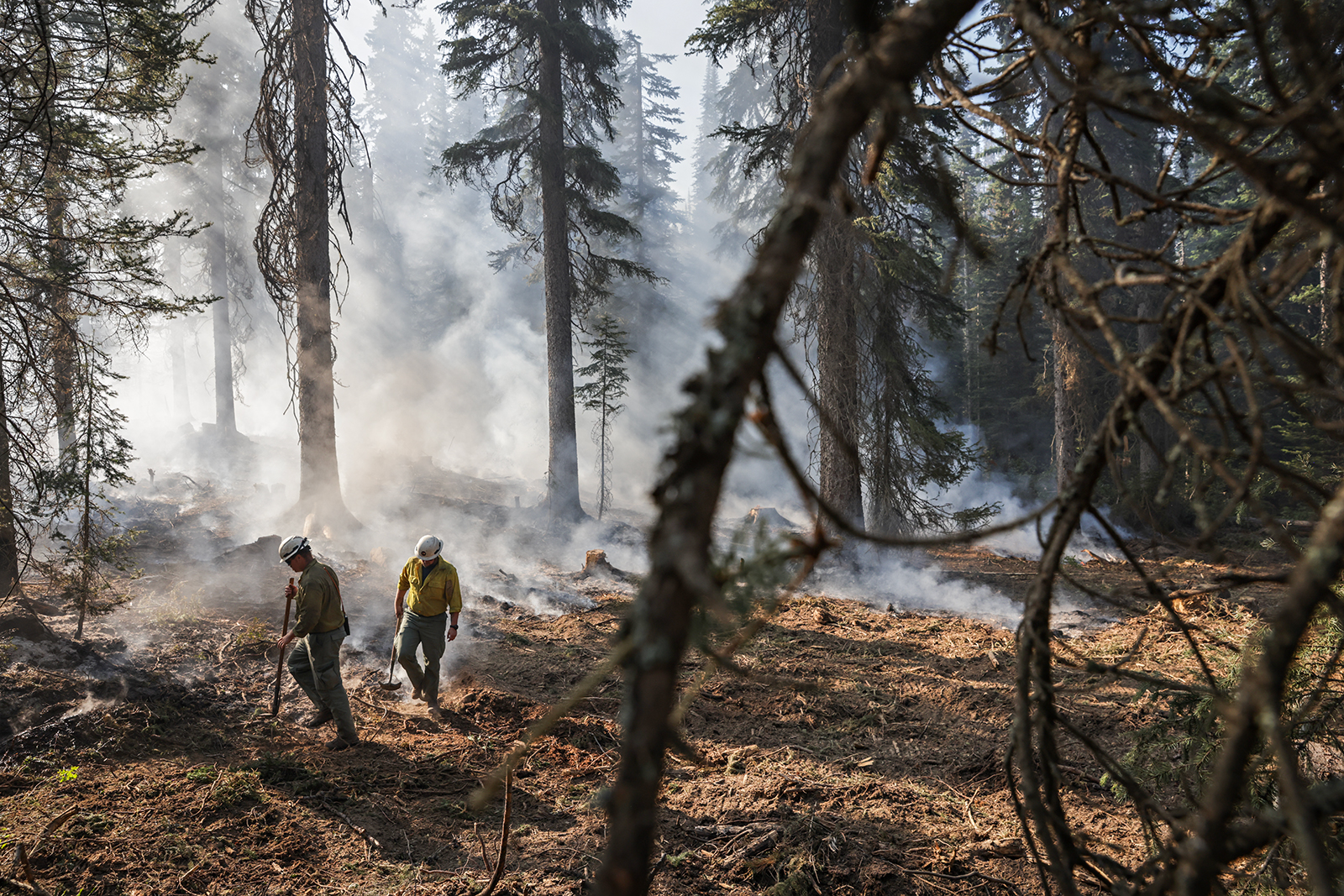
The Flathead National Forest is proposing a timber salvage project on 1,537 acres burned in this year’s Skillet Fire, and it is accepting public comment on the plan through Nov. 25.
The project was analyzed under the Post Fire Recovery Environmental Assessment, a nationwide U.S. Forest Service initiative that guides proposed actions after wildfires.
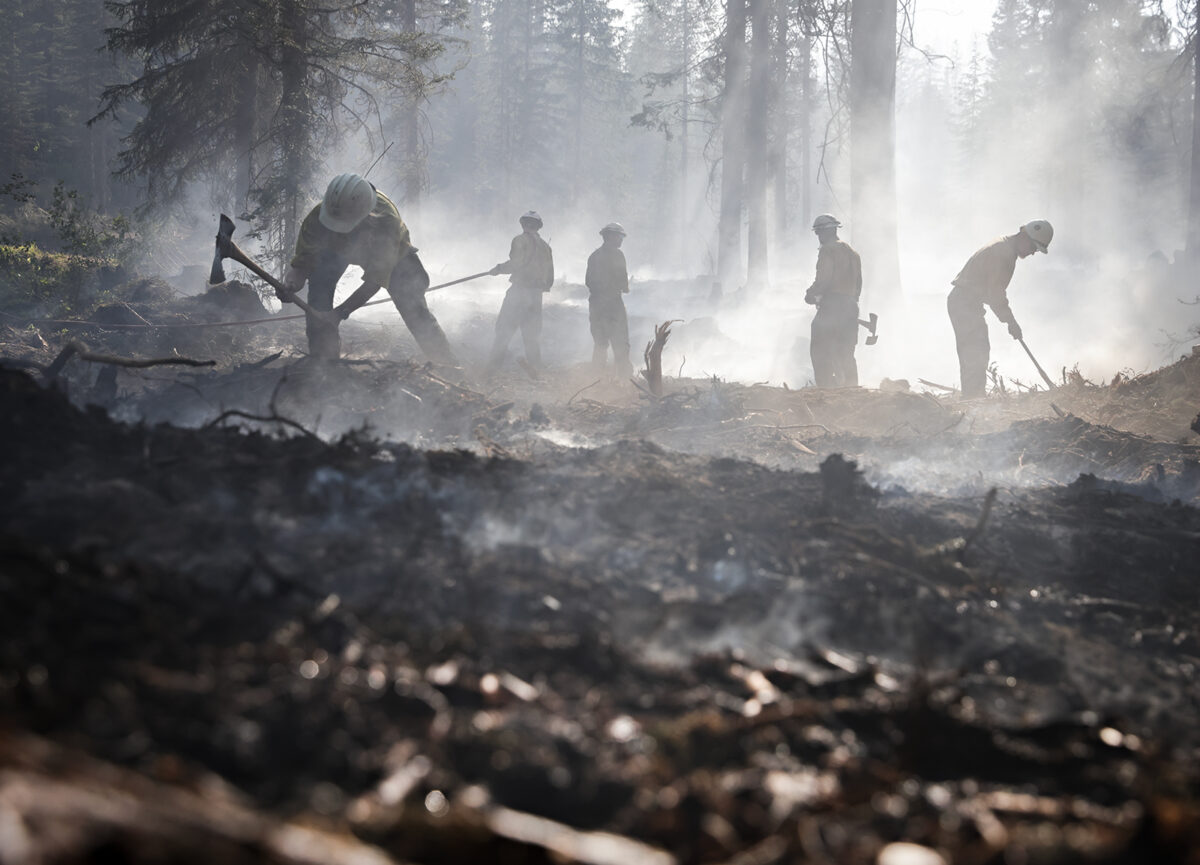
First ignited July 29, the Skillet Fire burned for over a month on nearly 3,400 acres of national forest land about 15 miles west of Olney. Roughly 3,100 of those acres are in the Flathead National Forest, where officials have proposed salvage activities in the Bowen Creek, Robertson Creek, Alder Creek and Sunday pass areas.
On Nov. 11, the forest released the proposed action plan and a draft decision with finding of no significant impact (FONSI) for the Skillet Fire Salvage Project.
“This project is focused on helping the landscape recover from the Skillet Fire while providing economic benefits to local communities that depend on forest products from our National Forest lands,” said Bill Mulholland, Tally Lake district Ranger, in a press release.
According to the proposed action plan, the Skillet Fire damaged economically viable trees, including Douglar firs. “Over time the fire-killed trees will lose their economic value due to deterioration of the wood from fungi, insect damage and decay,” the document states. “The Tally lake interdisciplinary team assessed the burned area and identified opportunities for achieving natural resource management objectives through salvage harvest.”
In addition to supporting the local economy, forest officials aim to rehabilitate the burn area by harvesting fire-killed and dying trees and removing built-up hazardous fuels. The proposal calls for timber harvest and, as needed, planting of western larch, rust-resistant western white pine and ponderosa pine on 1,437 acres. Salvage without replanting is proposed on another 100 acres. To complete work, officials plan to use 38.3 miles of existing National Forest roads and build 5.1 miles of temporary roads, which would be rehabilitated afterward.
Officials used the Post Fire Recovery Environmental Assessment, or PFREA, to analyze the project. Released in June by the Forest Service, the PFREA lets local managers speed up post-fire projects by eliminating the requirement for a site-specific environmental assessment. Instead, officials can rely on the nationwide document to assess the potential impacts of proposed actions, including mechanical and non-mechanical hazardous fuels reduction, hazardous tree removal and timber harvest.
“An agency review of more than 50 post-fire recovery assessments found that, regardless of location, many projects occurred in a relatively similar manner and had similar environmental effects across a suite of post-fire activities,” states the Forest Service website.
The agency says the PFREA does not authorize site-specific projects but serves as a starting point for guiding proposals.
In place of an environmental assessment, the Flathead National Forest released a draft determination of analysis reliance, or DAR. It lays out the forest’s justification for using the PFREA based on three criteria: the similarity of the proposed action, the potentially affected environment and the anticipated environmental impacts. The DAR also details the site-specific information that informed the proposed actions.
The forest is also relying on the Emergency Situation Determination that Agriculture Secretary Brooke Rollins issued in April 2025. The determination allows officials to streamline projects aimed at reducing wildfire risk, including by eliminating the objection period. Ordinarily, before a final decision notice is issued, stakeholders can file an objection that officials must review and respond to. Opportunities for public comment are still required.
In the draft decision, Mulholland found the proposed action would have no significant effect on the environment. He outlined potential short-term adverse effects on lynx and grizzly bears, including temporarily converting denning habitat to non-denning habitat, as well as short-term impacts to soil from mechanical treatments. But he concluded the project would not have severe or irreversible impacts.
“If the proposed action is not implemented, fire-damaged trees would remain onsite, resulting in continued deterioration of affected stands, lost opportunities for timber value recovery, increased fuel loading and reliance on natural regeneration for forest recovery,” Mulholland wrote. “Implementing the proposed action would allow for the recovery of economic value of damaged timber (providing local jobs and income), reduce hazardous fuels accumulations, support reforestation objectives and facilitate ecosystem recovery.”
More information on the Skillet Fire Salvage Project, including supplemental documents, can be found on the project webpage. Comments can be sent online or mailed to Tally Lake Ranger District. A final decision is expected to be released in December.