The Tribal Health Pharmacy for the Confederated Salish and Kootenai Tribes (CSKT) recently installed harm reduction vending machines in buildings across the reservation. The vending machines contain free essential harm reduction supplies across the health spectrum, ranging from Narcan to tampons to cold weather essentials.
These kinds of kiosks have been around since the 80s internationally, in Denmark and other places across Europe and Australia. Organizations in the U.S. hesitantly adopted them, with a nonprofit in Puerto Rico opening some in 2009 and Clark County, Nevada, taking the first stateside step in 2017. Within the first year, the county saw a 15% reduction in overdose fatalities by dispensing naloxone, a medication known by the brand name Narcan that can reverse the effects of an opioid overdose, from area vending machines.
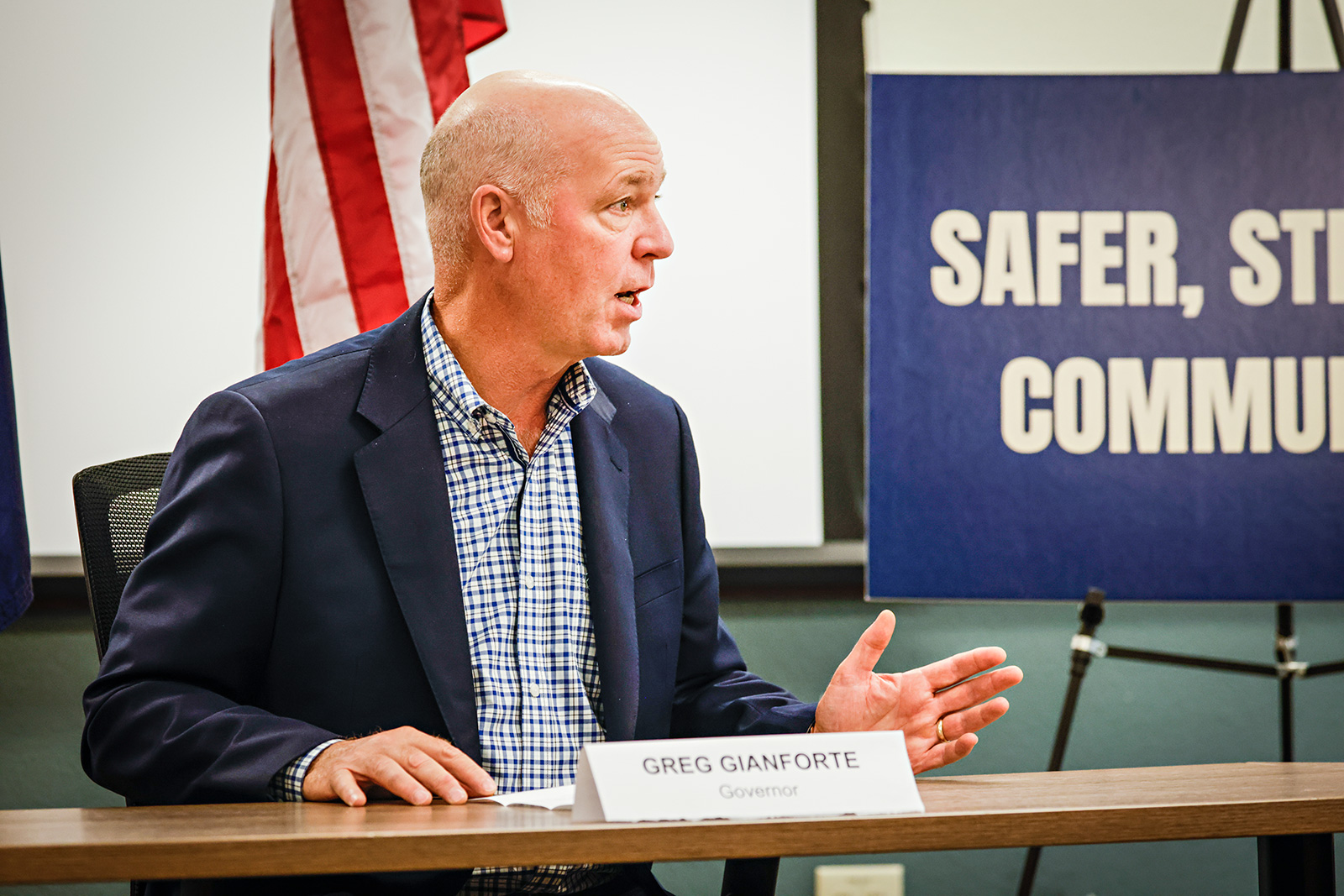
In 2023, Montana saw 123 fatal opioid overdoses, a record-breaking number in comparison to the state’s previous average of eight deaths per year. In response, Gov. Greg Gianforte announced last August that the state would invest $400,000 to install 24 of those kiosks throughout the state.
The Flathead City-County Health Department currently runs a kiosk outside of its building at 1035 1st Avenue West in Kalispell. Inside are naloxone, fentanyl test strips, hygiene items, and other wellness supplies at no cost.
“The goal is to make these resources more accessible to people who may benefit from them but are not always comfortable accessing services in a traditional setting,” stated Mandie Fleming, the county health department’s family planning and harm reduction manager.
CSKT Tribal Health is launching its own initiative with the installation of three harm reduction machines at Tribal Health Centers in Polson and St. Ignatius and at the tribal headquarters in Pablo.
“We just saw a need,” said Jessi Cahoon, the pharmacy director. “Both from a healthcare perspective and personal care and needs with clients.”
The machines are stocked with Narcan, drug test strips, head lice kits, feminine hygiene products, condoms, socks, oral birth control, emergency contraception and safer injection supplies. Because the Pablo location is a central point for many other social services, the kiosk there also contains person hygiene kits, charging cords and cold weather supplies.
The kiosks feature large screens which also provide information about other community resources such as housing and food. There’s also a map that shows which resources are closest. The kiosks’ messages are currently in English but also include other language options, such as Spanish. Tribal health leaders hope to one day add traditional Indigenous languages like Salish and Kootenai.
The Tribal Health Pharmacy tracks the inventory of its harm reduction machines to learn what items are most popular, while the kiosks also track user data through anonymous surveys.
“We will see in the future what people are engaging with,” Cahoon said. “As of now, the anecdotal has been positive.”
I’m Zoë Buhrmaster. Let’s take a look at the rest of today’s Daily Roundup.
Wilderness Wonks Get Deep in the Woods with New Public Lands Podcast
Bill Hodge, a Flathead Valley public lands advocate who has led several environmental stewardship organizations, hopes to move the conservation conversation beyond “hyper partisan politics”
Montanans Remember Charlie Kirk, Conservative Activist and Founder of Turning Point
His death has come with calls for an end to political violence, and many argue his legacy lies with young people, whom he is credited with inspiring to vote for conservative candidates
Whether you’ve been here for decades, or you’re new to the Flathead Valley, our reporting is here to help you feel smarter and in the loop about the issues most important to Northwest Montana. With your support, we can build a more engaged, informed community.