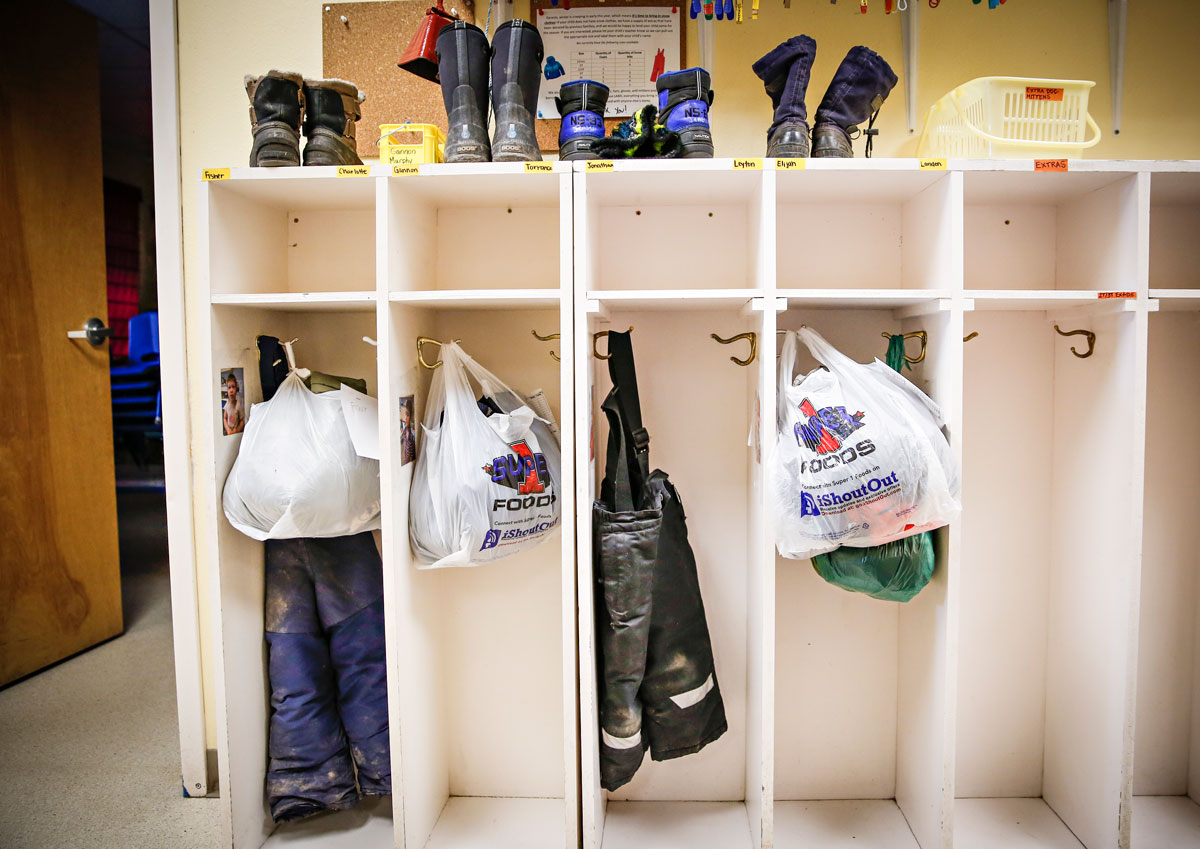
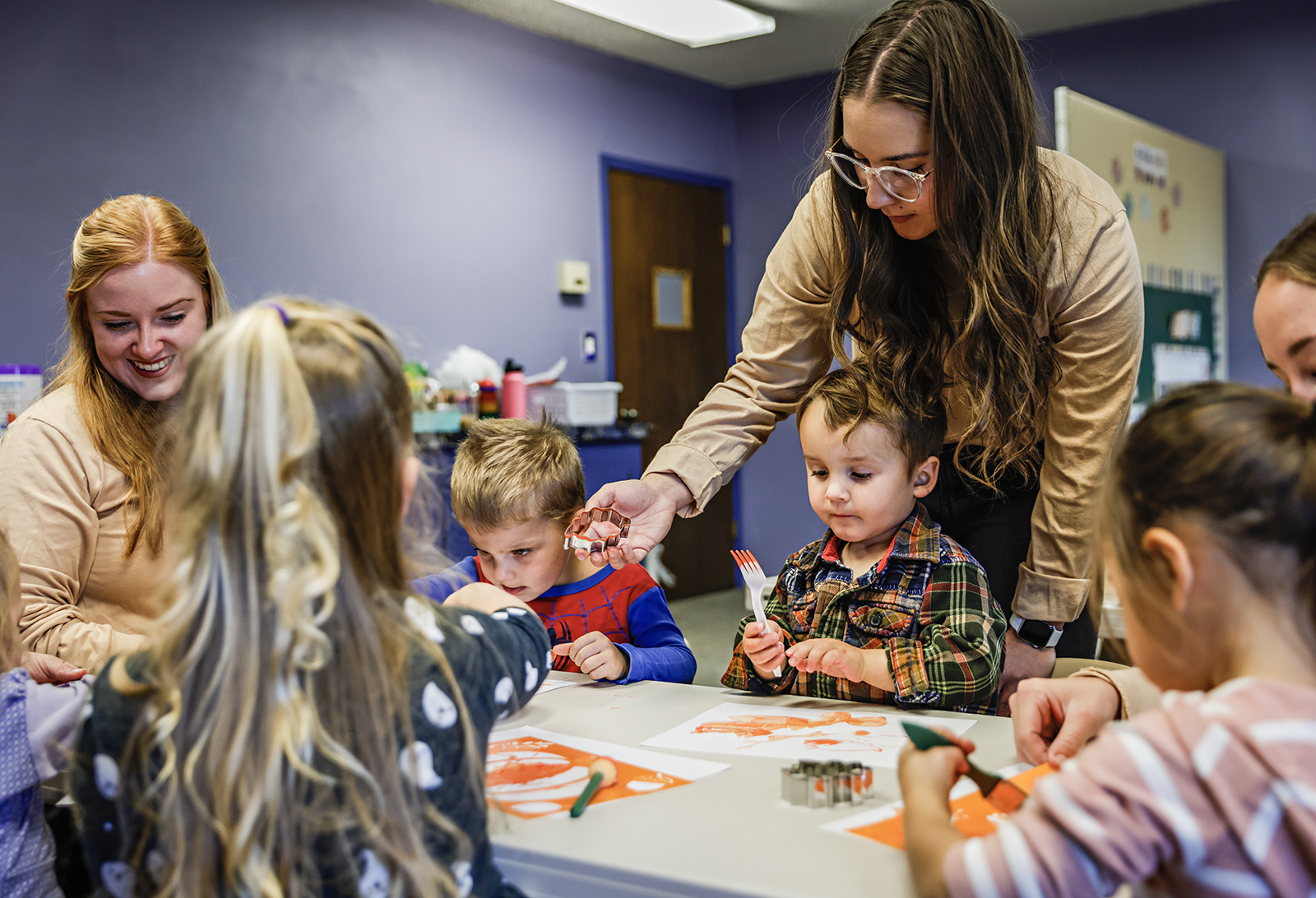
According to current federal guidelines, child care is defined as affordable when care totals 7% or less of a family’s annual income. Based on those guidelines, child care is costly across country, especially in Montana.
A LendingTree study released last month places Montana third on a list ranking states by the gap between average incomes and the amount needed to afford child care based on federal guidelines. According to the study, which used U.S. Census Bureau and Child Care Aware of America data, the average annual cost for care of an infant and a 4-year-old in Montana is $29,380. An income needed to comfortably afford child care based on that cost is $419,714. Meanwhile, the average income of households with two children in the state is $117,314.
A Montana Free Press-Eagleton Poll released a year ago found that 71% of Montanans were concerned about the cost of child care, additionally citing concerns about availability and access to child care.
The Best Beginnings Child Care Scholarship program, an income-based scholarship through the state, provides subsidies for families earning less than 185% of the Federal Poverty Level. At the end of 2025, 278 subsidies had been authorized through the program in Flathead County. (The application is open year-round and interested families can check out eligibility requirements and the online application portal here.)
Child care advocates also fought for a variety of bills focused on child care affordability during last year’s Legislature, with just one – House Bill 924 – becoming law. The bill created a bundle of state trusts that includes child care receiving up to $5 million in interest over the next two years. The Department of Public Health and Human Services formed the Montana Early Childhood Account to oversee the funds.
The account’s 10-member board is tasked with establishing funding priorities and evaluating the effectiveness of state programs, dedicating monies to initiatives that focus on quality improvement, workforce development, child care expansion, emergency assistance and support for the state’s subsidy program. The board met for the first time in January and will report annually to the health department’s Education and the Children, Families, Health and Human Services Interim committees.
I’m Zoë Buhrmaster. Let’s see what’s happening around the Flathead Valley in today’s Roundup.
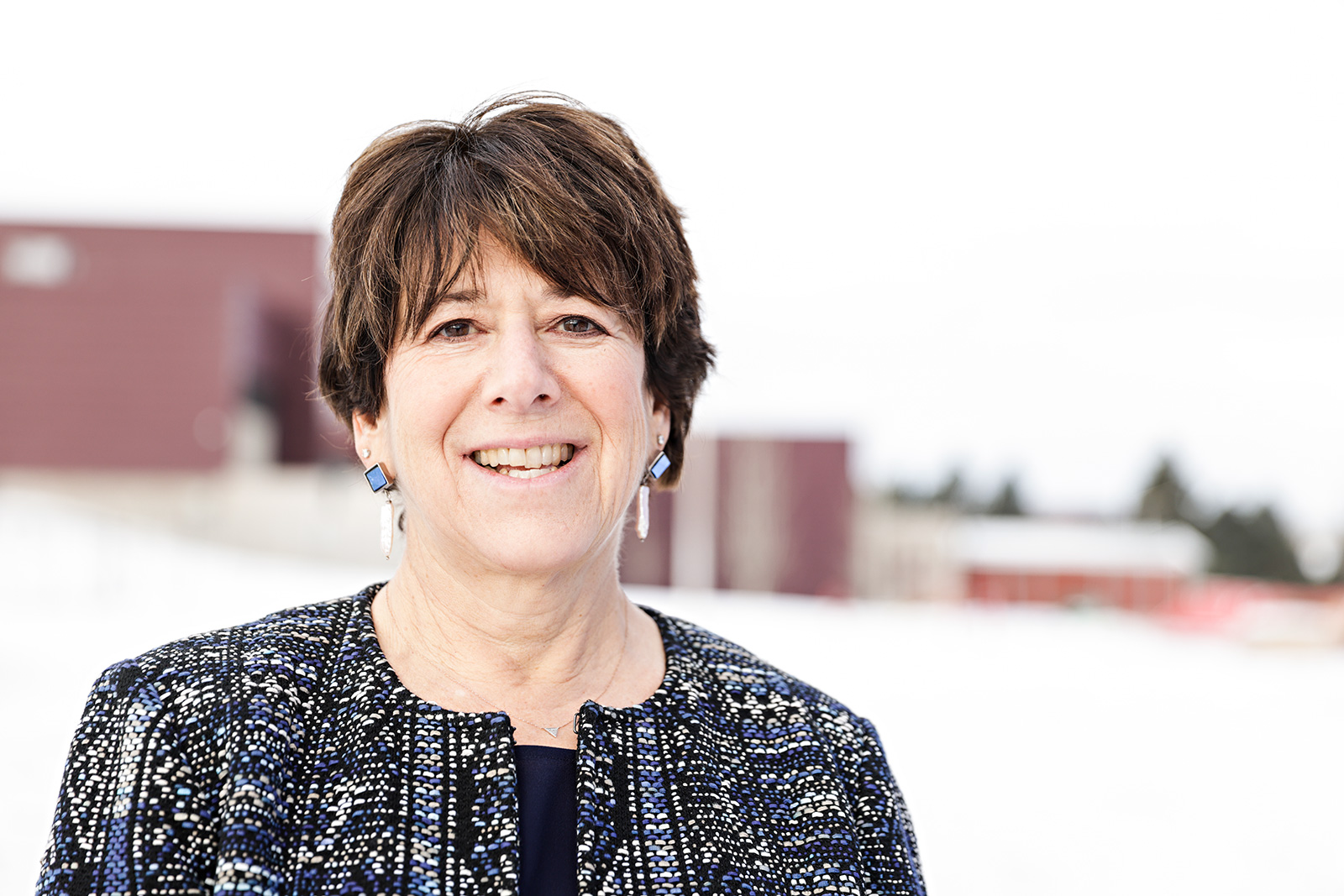
Longtime FVCC President Jane Karas Announces Retirement
Karas will finish her 25-year tenure as the president on Dec. 31. The board said it will develop a presidential search process and timeline in the coming weeks and months.
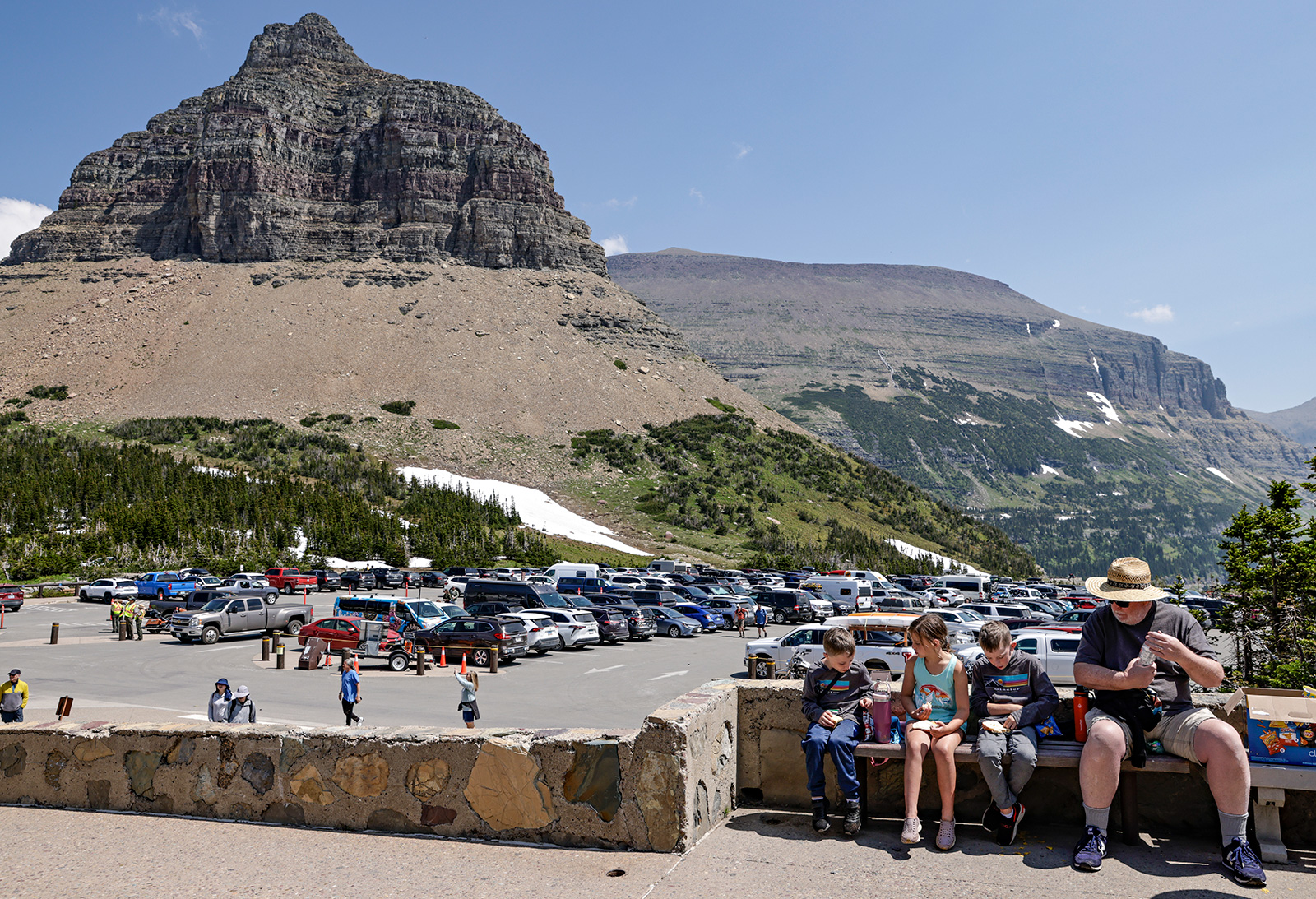
As Interior Dept. Spikes Reservation Requirement at Glacier and Other Destination Parks, Local Stakeholders Weigh Pros and Cons
For the first time in five years, vehicle reservations will not be required anywhere in Glacier in 2026. Although tourism leaders generally support the new strategy, conservation groups describe aspects of the plan as short-sighted.
Who Has Filed to Run for Office in the Flathead So Far?
Candidate filing for 2026 officially opened last Tuesday. After the first week, a handful of Flathead County state House and Senate seats, along with the Public Service Commission district, have competitive primaries taking shape.
From Gateway to Getaway: Five Reasons to Leave Paradise Behind
When you live in the Crown of the Continent, it can be hard to justify a weekend escape. With suggestions, your family will have an easy-to-follow getaway plan no matter the season.
Since the Child Care Initiative launched three years ago, Kalispell Chamber of Commerce officials have helped multiple providers expand services while focus attention to career recruitment
Whether you’ve been here for decades, or you’re new to the Flathead Valley, our reporting is here to help you feel smarter and in the loop about the issues most important to Northwest Montana. With your support, we can build a more engaged, informed community.