During National Tribal Colleges and Universities Week, College Leaders Emphasize Importance of Federal Funding Support for the Future
Montana’s Sen. Steve Daines, who serves on the Senate Indian Affairs Committee, co-sponsored the annual resolution to honor the contributions of tribal colleges, whose leaders emphasized the importance of having their mission championed at the federal level.
By Mariah Thomas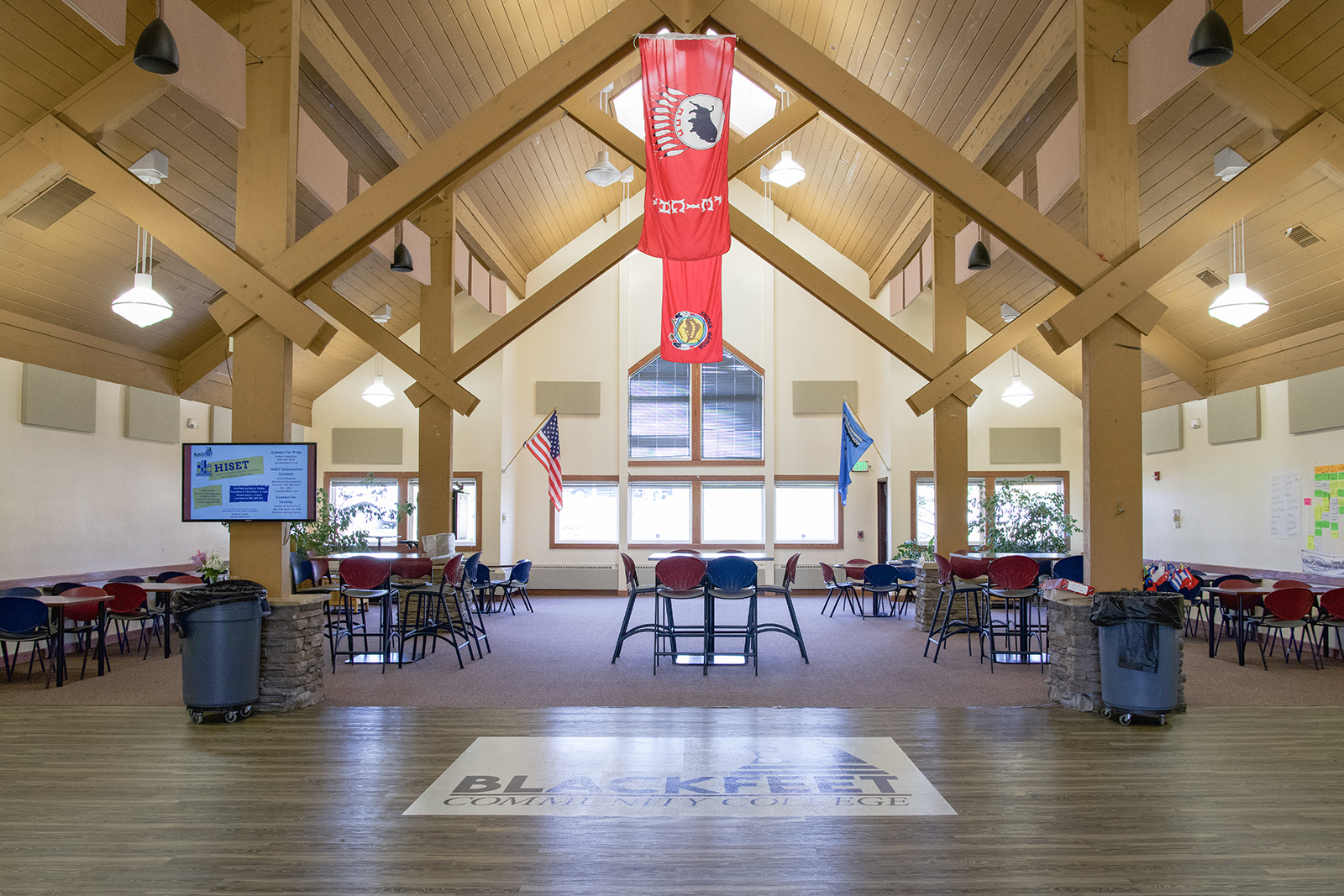
Montana’s senior Sen. Steve Daines co-sponsored an annual bipartisan resolution recognizing the contributions of the country’s tribal colleges and universities this week, alongside Sen. Martin Heinrich, D-N.M. The resolution coincides with a week of advocacy for tribal colleges and universities, with many students and leaders traveling to Washington, D.C., to inform their representatives about the continuing importance of their support.
Montana has the most tribal colleges of any state at seven, with one on each of the state’s Native American reservations. The state’s tribal colleges are open to all students. They provide culturally based programming, language revitalization and have been lauded as innovators helping to meet workforce needs in their respective communities. These are all realities the resolution Daines sponsored highlighted, citing tribal colleges and universities’ $3.8 billion contribution to the national economy in fiscal year 2023. In Montana, per a report from the American Indian Higher Education Consortium, TCUs added $322.22 million in income to the state’s economy, which supported 5,178 jobs in the state.
“I’m thrilled to introduce a resolution celebrating National Tribal Colleges and Universities Week,” said Daines, who serves on the Senate Indian Affairs Committee. “I’m proud of the hard work, achievements, and academic greatness of tribal students in Montana and look forward to the lasting impact these students will make on our state and the nation.”
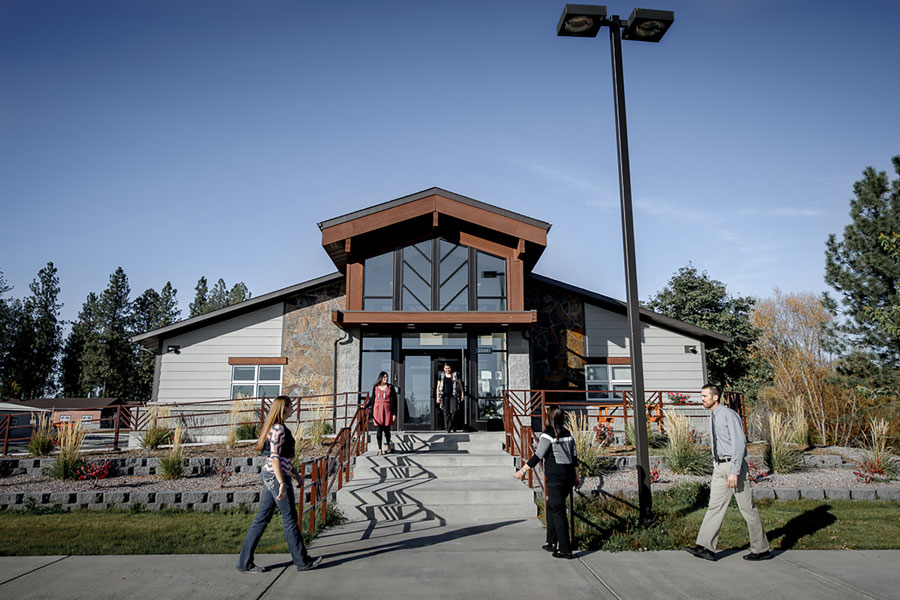
For Brad Hall, the president of Blackfeet Community College (BCC), the week marks an important opportunity to bring students directly to Washington, D.C., and to meet face-to-face with the state’s congressional delegation to advocate for themselves. Michael Munson, the president of Salish Kootenai College (SKC), said eight students from across the tribal colleges in Montana are in attendance.
“Really what it is, is it’s us having not just a seat at the table, but visibility when they’re making decisions that affect us,” Hall said.
While in D.C., students receive a workshop on advocacy. They will also have the chance to meet with U.S. Reps. Troy Downing and Ryan Zinke, as well as Daines and Montana’s other U.S. senator, Tim Sheehy.
“They know this comes every year, and many of them anticipate it, and it’s also a good experience for our students to be able to share their story to people that have the ability to make those things happen, or to continue the things to help them get through their educational journey, which ultimately results in reduction of barriers, the investment in key critical programs of study and supportive services, and which leads to better outcomes in general,” Hall said.
In those meetings, Hall and Munson said students are focused on a slew of priorities that will help tribal colleges in Montana continue to build.
This year, priorities include advocating for expanded opportunities and addressing historical underfunding TCUs have experienced in workforce development. TCUs are also asking members of Congress to strengthen core appropriations, which mainly includes increasing operating funds from the Bureau of Indian Affairs under the Department of the Interior, along with the Department of Agriculture and Department of Education. And, they’re asking for several changes to level the playing field when it comes to the schools’ 1994 land grant status. The land grant status granted to TCUs comes with several funding inequalities it hopes Congress will help address.
Part of the reason the week of recognition and advocacy at the federal level is so critical is because tribal colleges and universities rely heavily on federal funding.
“One of the things about TCUs is that we really operate on a shoestring budget in comparison to Historically Black Colleges and Universities and other public institutions,” Munson said. “We really do need that funding and support from our congressional delegates and senators, because without that, our funding is minimal.”
Some state governments, Montana’s included, also provide funding to support non-Native students who attend the schools. BCC and Fort Peck Community College this year each received hefty donations from philanthropist MacKenzie Scott, the ex-wife of Amazon mogul Jeff Bezos. Hall previously told the Beacon the school hoped her donation would help prompt other private donors to make investments. But he emphasized those donations don’t negate the importance of continuing federal funding the school relies upon.
Last year, a proposal from President Donald Trump’s administration would have reduced the amount of federal funding the institutions receive from more than $182 million to just over $22 million, or a 90% slash. After outcry, the cuts never happened. In fact, Munson said, TCUs saw a slight increase in funding this year, which she said goes to show the importance of advocating with a unified voice on both the state and national level.
As for Montana’s congressional delegation, Hall said they have historically supported the state’s tribal colleges. The week of advocacy and recognition, however, allows a chance to put faces to the investments they are supporting.
For BCC, those investments include a focus on career education, including industry trades and nursing to fill in workforce gaps. SKC has focused on similar investments, Munson said, highlighting the school’s welding partnership with the Confederated Salish and Kootenai Tribes, along with its dental assistant program and building trade program.
“Dollar to dollar, TCUs make a bigger impact than the money that comes in,” Munson said, adding that they provide critical workforce training and education that serves predominantly rural areas in the state.
To sustain that programming, Hall said it’s important to be able to anticipate continuing federal funding and to advocate for the types of critical investments that make it possible.
“There’s two sides to the coin,” Hall said. “There’s the continued funding, and then there’s the new request for support for additional funding in critical areas. So, we are addressing both sides of that coin in a constructive and meaningful way, and again, it gives our students proximity to the people who make those decisions.”