Democrats Running for Western Congressional Seat Draw Distinctions Between Their Campaigns in First Flathead Meeting
All four candidates running in the primary on the left side of the aisle participated in a roundtable hosted by the Beers, Buds and the Big Sky Podcast, discussing a number of high-profile issues that could be at-play in the looming midterm elections
By Mariah Thomas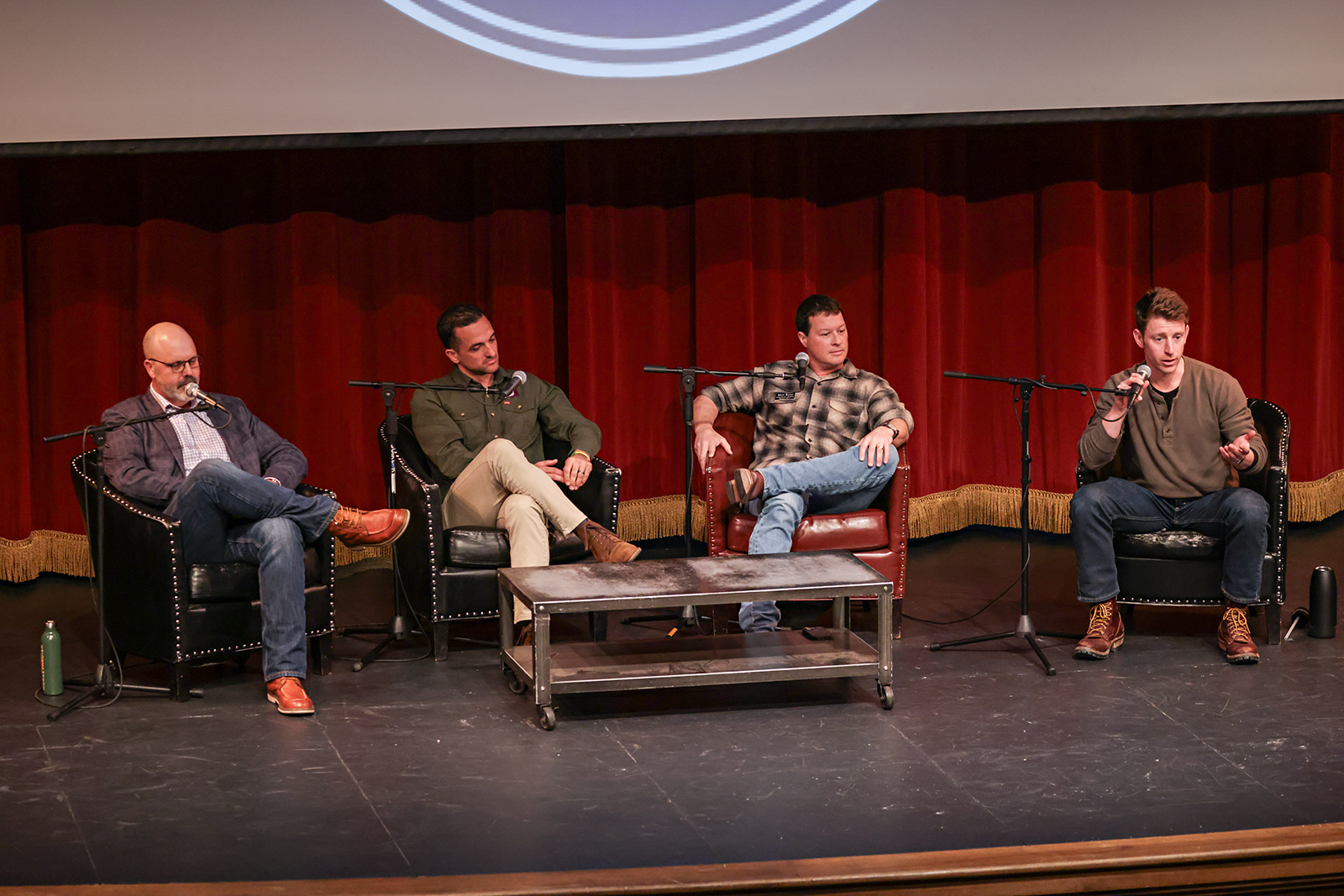
The four Democratic hopefuls running for Montana’s western congressional seat drew parallels and distinctions between their respective campaigns at a roundtable in the Flathead Monday.
The forum, held at the Whitefish Performing Arts Center and hosted by the Beers, Buds and the Big Sky Podcast, marked the first time the four candidates met in the area.
Democrat contenders for the congressional seat are Ryan Busse, a Kalispell-based former firearms executive; Russell Cleveland, a rancher and Navy veteran from Saint Regis; Sam Forstag, a wildland firefighter and union leader from Missoula; and Matt Rains, a rancher and former Blackhawk pilot from Simms.
Their meeting came a week after incumbent U.S. Rep. Ryan Zinke announced he wouldn’t seek re-election. The western congressional seat has long been seen as Democrats’ best opportunity for a pickup in a state that has become increasingly dominated by the GOP.
During Monday’s event, the four candidates touched on several high-profile issues. They included money in politics, the Epstein files, the conflict in Iran and wealth inequality. The roundtable also featured chances for the Democrats to share where they diverged from their party’s prevailing views.
One area where candidates lacked consensus was accepting dark money and money from PACs, or political action committees, which aim to influence elections via spending money. The prevalence of those groups rose after the 2010 Citizens United Supreme Court decision opened the door for corporations to more-heavily contribute to political campaigns.
Montana has a unique history with dark money. The 2010 decision struck down the state’s 1912 Corrupt Practices Act, enacted at the state level following a period of corporate control and corruption when the Copper Kings controlled the levers of state government and the economy. This year, a potential ballot initiative known as “The Montana Plan” aims to undo Citizens United — though it’s in a time crunch to qualify language and collect signatures after facing a legal hurdle.
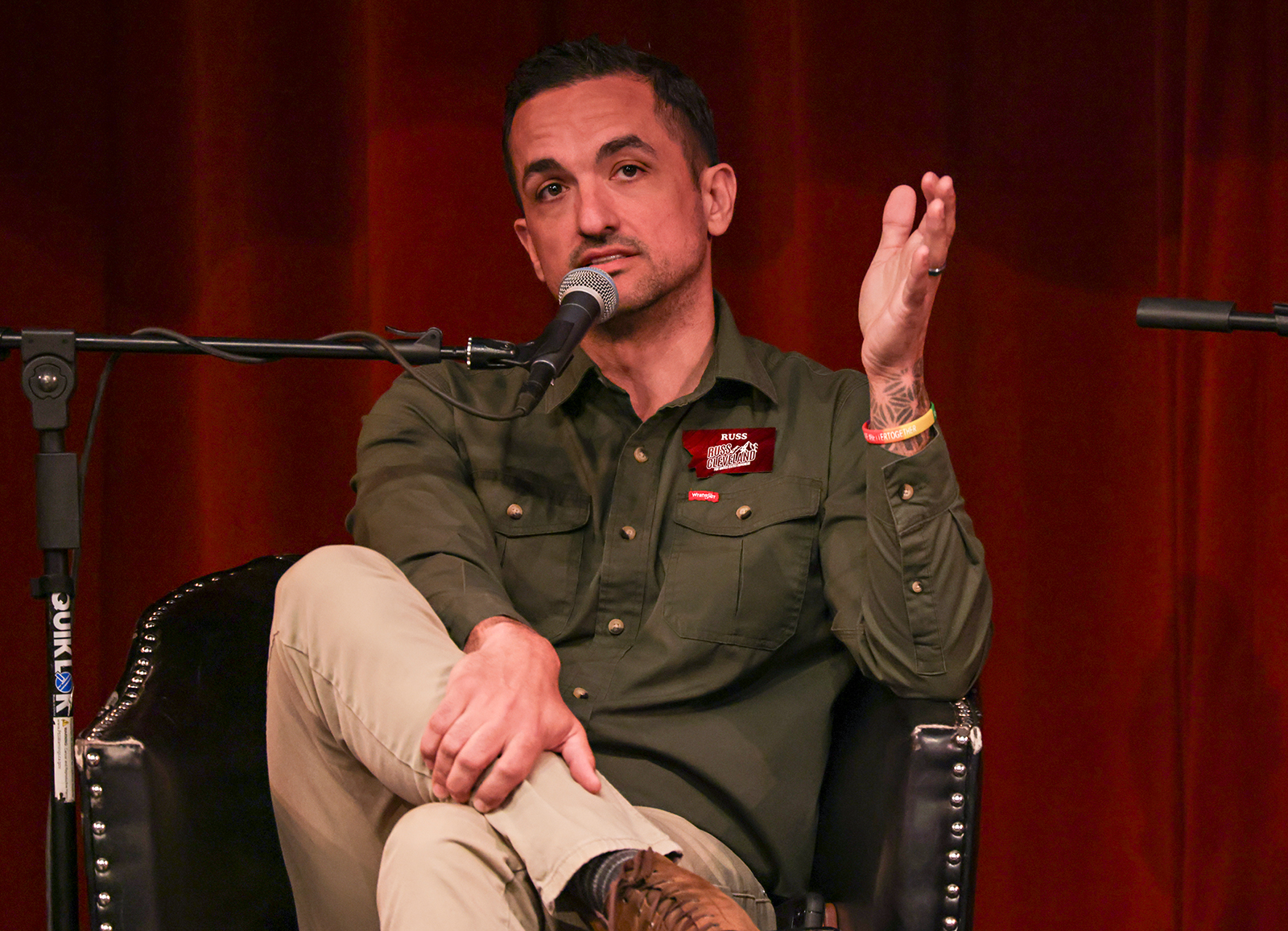
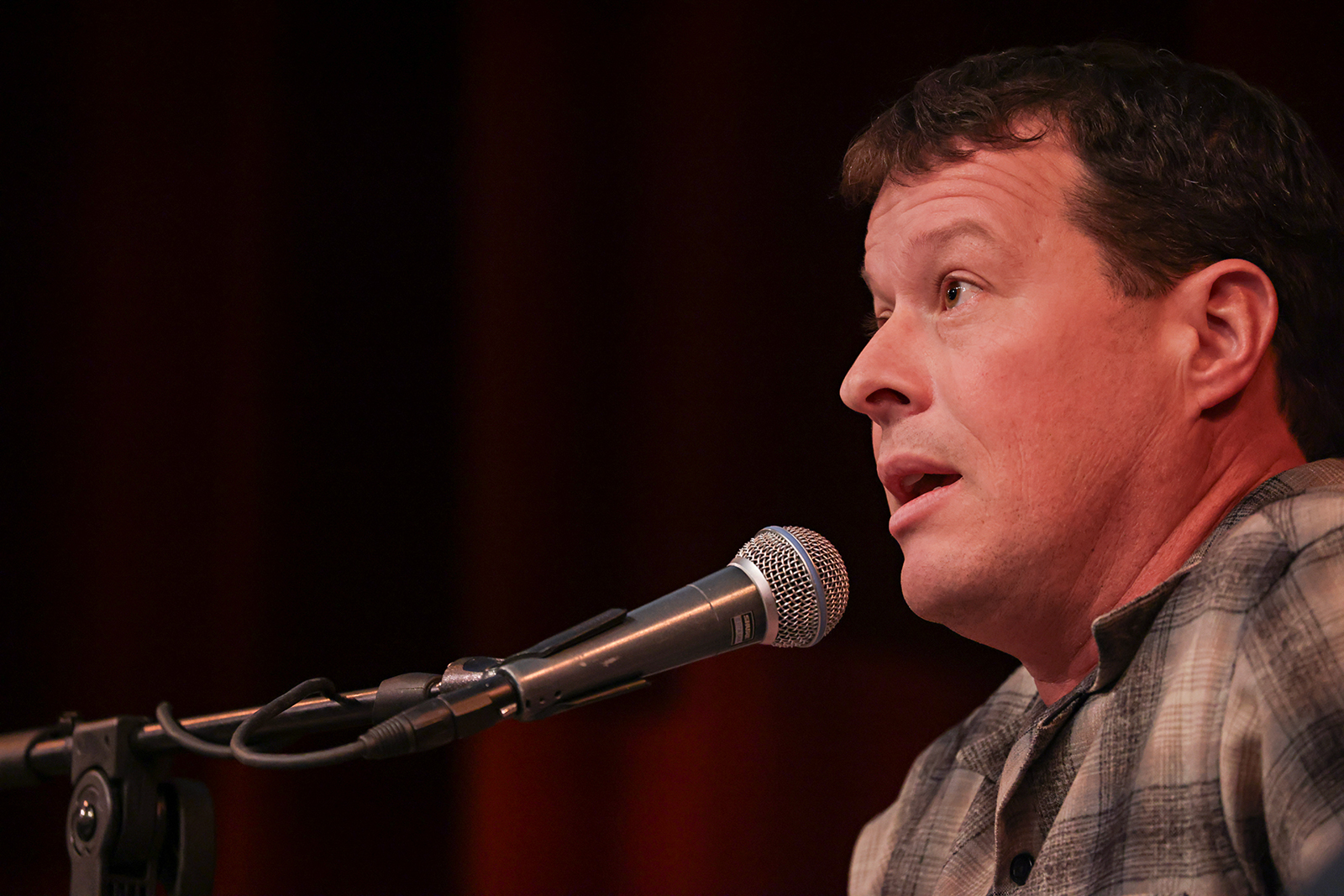
All four candidates supported the idea of campaigns being run with a fixed dollar amount to level the playing field, but acknowledged that wasn’t the reality they were working within. Busse, Cleveland and Forstag each outlined promises not to take corporate dollars, American Israel Public Affairs Committee dollars, or dark money. Cleveland highlighted that issue as one of the core tenets of his campaign.
“My goal in this is to show that you can run a strong campaign with only individual contributions,” Cleveland said. “We don’t need dark money. We don’t need PAC money. We don’t need influence of any kind outside of the people that are voting for us. And until we can fix that piece, we will not have 100% transparency.”
All three also said they supported The Montana Plan ballot initiative.
Rains gave a more nuanced answer. While he said he would support efforts to overturn Citizens United and would not take dark money, PAC money posed a different story.
“We have to win, and by doing that, we have to use the rules on the table,” Rains said. “… If these guys aren’t gonna take PAC money, I’ve got no problem with that. I’m gonna do whatever it takes for all of Montana to make sure we win this … race.”
Rains also waffled on support for The Montana Plan ballot initiative.
All four candidates also offered different prescriptions to the issue of wealth inequality.
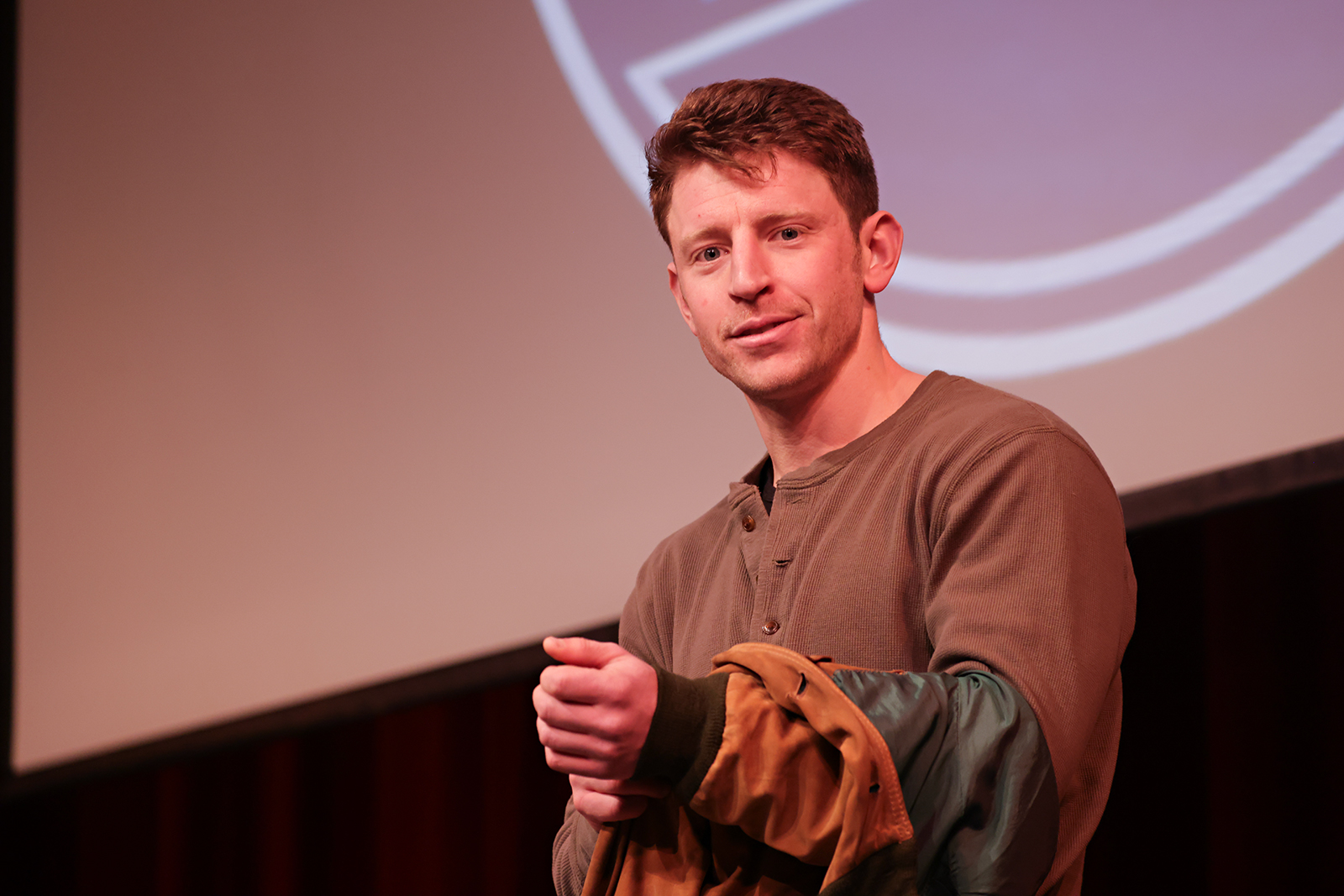
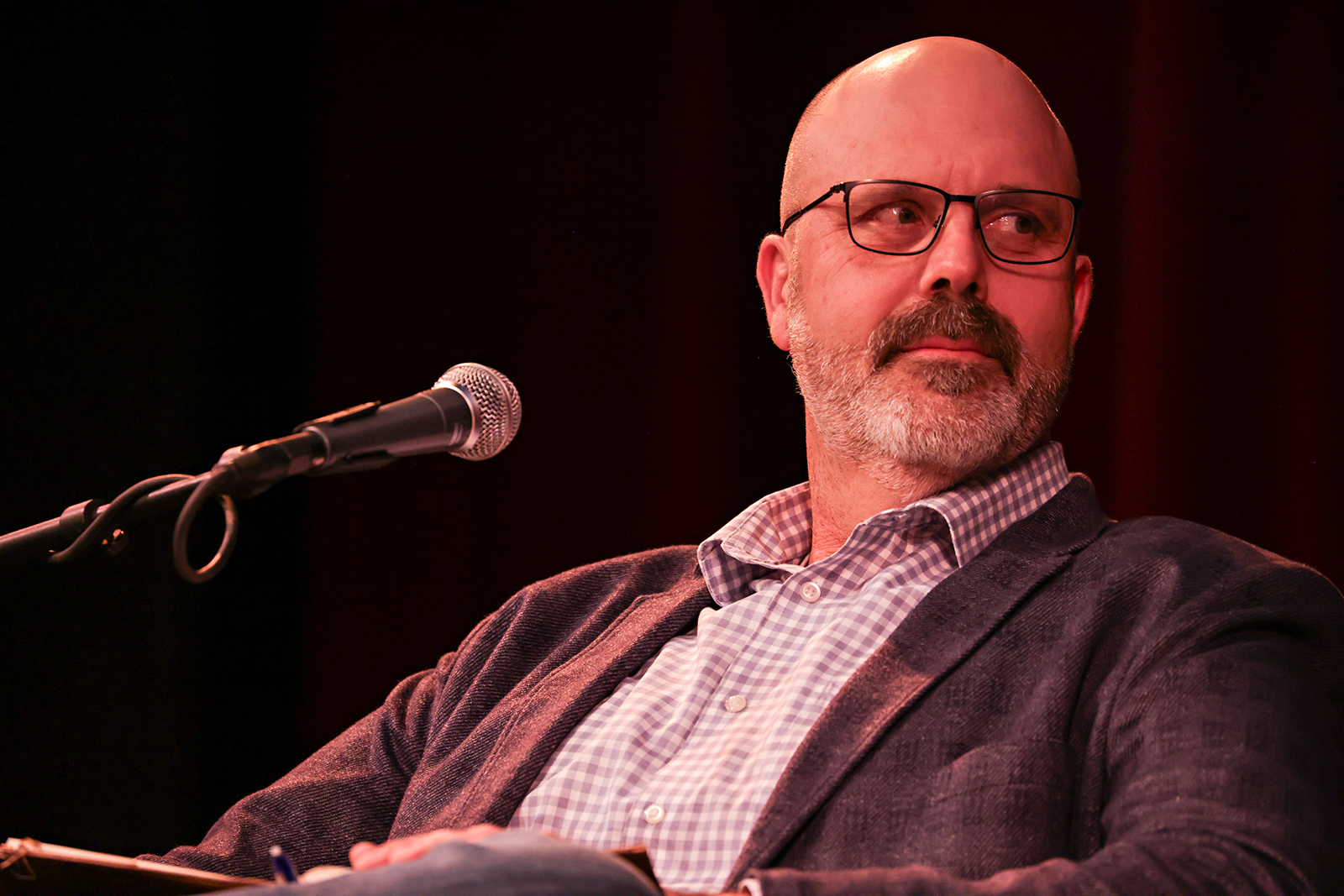
Rains advocated reversing President Donald Trump’s tax cuts and taxing the rich while trying to give the middle class a break. Cleveland outlined providing varied educational options, like offering associate degrees to high schoolers and championing apprenticeship programs, along with universal childcare as potential solutions. He and Busse both spoke to the importance of tackling the affordable housing crisis and advocated for the idea of universal healthcare.
And Forstag — whose answers nearly-always circled back to the plights of the working class throughout the night — blended healthcare, childcare, the housing crisis and taxation into his answer.
“This is precisely what this campaign is about,” Forstag said. “This is the issue that we started with.”
Candidates also spoke about issues where they diverged from their party’s line. Cleveland and Rains both described themselves as fans of the Second Amendment. Busse painted himself as a candidate who will be a vocal supporter of universal healthcare, an issue he described Democrats as wavering on.
“I think it’s time for universal healthcare in this country,” Busse said. “I doubt that there’s anybody in this audience that isn’t fighting for [their] healthcare to work.”
Forstag highlighted the issue of age in politics, pointing out that congressional Democrats skew slightly older than Republicans. He framed it as a problem of representation out of alignment with the population.
The four candidates will meet again in Butte on March 10 for a debate as they continue on the campaign trail.
Montana’s primary election will take place June 2. Voters will have a chance to cast their ballots in either the Democratic primary or the competitive primary shaping up across the aisle.
On the Republican side, conservative radio talk show host Aaron Flint, Flathead County Republican Central Committee chair Dr. Al Olszewski and Secretary of State Christi Jacobsen have all mounted bids to replace Zinke.