‘We Just See More and More People’: Flathead Food Banks Say Demand Steady as SNAP Benefits Taper and Prices Rise
From changes to work requirements to more cumbersome SNAP paperwork and an ongoing affordability crisis, food bank directors said determining a single cause was challenging
By Mariah Thomas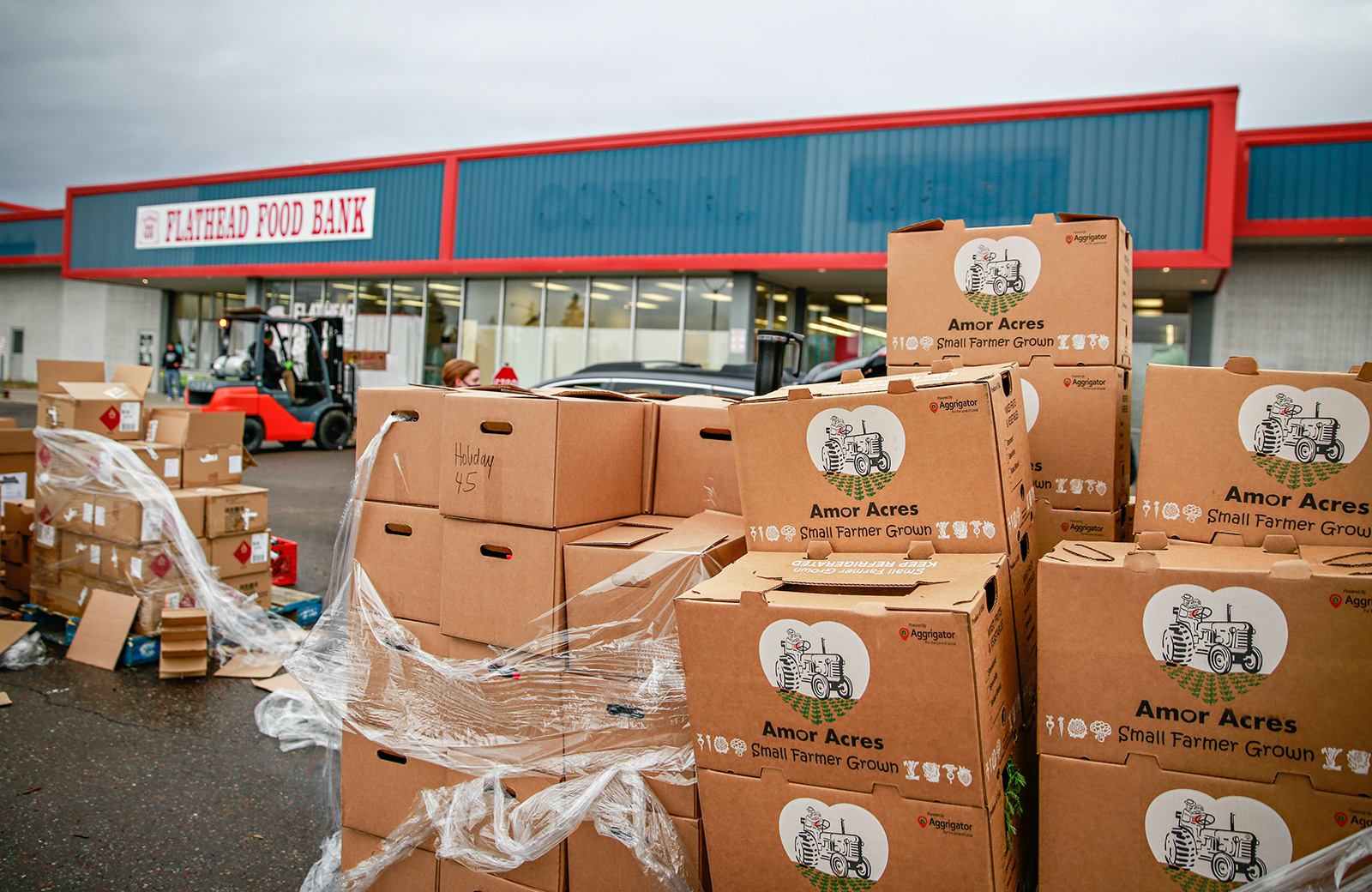
Glen Bishop moved to Kalispell in November for a two-month treatment program. After visiting the warming center and then working his way through transitional housing, he eventually landed permanent housing through Samaritan House, which serves those experiencing homelessness in the Flathead Valley.
Bishop mops floors, cleans restrooms and “helps give people guidance” at Samaritan House, sitting down with fellow residents and talking with them about their lives. He attends Epworth United Methodist Church on Sundays, and lives with a black-and-white “tuxedo” cat named Walter.
And Bishop, like more than 72,000 Montana residents, is a recipient of benefits from the Supplemental Nutrition Assistance Program, better known as SNAP. When he first moved to Kalispell, Bishop said the program provided him $65 a month. That sum bumped up to $109 when his rent rose after moving into permanent housing. Bishop said he receives his SNAP benefit on the 5th each month, and budgets about $50 for groceries for himself and Walter on a bi-weekly basis. To fill in any other gaps, Bishop visits the Flathead Food Bank in Kalispell.
“We all gotta eat one way or another,” he said.
While Bishop described his story of finding permanent housing and seeing an increase in his own SNAP benefits in the past year as a “success,” he also described a challenging landscape for fellow SNAP recipients he knows. He said he’s seen other SNAP recipients be disqualified from the program. Bishop also described “horror stories” about people in other states whose purchases have been regulated by a recent push to ban unhealthy foods from the program. All of it comes after a tumultuous year for those in the business of food access in the Flathead Valley.
Spurred first by grant cuts and changes to SNAP from H.R. 1 — more colloquially known as the “big beautiful bill” — and followed by a SNAP cliff during last year’s government shutdown that exposed deep needs in the Flathead, food banks in the area have described constantly preparing for the next surge in demand coming down the pike, even as the number of people on SNAP in the state, and in northwest Montana, has fallen in the past year.
Directors at the Flathead, North Valley and Bigfork food banks said those falling numbers don’t necessarily indicate a decrease in needs. In fact, each reported encountering new faces over the past year as new work requirements for SNAP have fallen into place. The need, they say, has been compounded by a continuing affordability crisis.
“I think it’s really hard to know what’s coming from SNAP cuts and what’s coming from increased costs of food, gas, all of those things, ‘cause they’re all kind of happening at the same time,” said Sophie Albert, the director at North Valley Food Bank. “And we just see more and more people.”
Since H.R. 1 passed in July 2025 — revamping work requirements and requiring more paperwork to receive benefits — the number of SNAP recipients in Montana dropped by 8.4%. Flathead County saw a drop of 11%, translating to more than 600 fewer residents utilizing SNAP this June than last year. The drops were similar in both Lake (8.1%) and Lincoln (9.7%) counties. Federally, more than 3.5 million people have fallen off SNAP rolls since last July, as states work to implement the new requirements.
While Albert said several factors bring people into the North Valley Food Bank, anecdotally, both work requirements and difficulties with applying and submitting SNAP paperwork have translated into people falling off the program and needing to use the food bank as a result.
“It’s just, there’s so many hurdles to get benefits, even if you qualify,” Albert said.
A July 23 press release from the North Valley Food Bank stated it’s serving more than 1,500 people each week. Over the past year, the release stated, food pantry visits increased from 23,700 to 28,991. And Albert, the director, also said the nonprofit is contending with increasing food expenses to boot, thanks to a combination of losing grant funding and inflationary pressures.
“Our food budget has gone up almost $200,000, just for the year, and that’s just the food budget,” Albert said. “And then you have to calculate in any other increased capacity. You need to move the food, to store the food, to distribute the food to all the people. That’s just increasing our budget significantly.”
Albert also said many people who don’t qualify for SNAP are facing a perfect storm of high inflation and rising gas prices stretching their pocketbooks. Those factors, she said, are driving them to the food bank to make ends meet. And since the North Valley Food Bank doesn’t have any requirements to use its services, many people facing what she calls the “cliff effect” — where they don’t qualify for benefits but still don’t have enough to go around — turn to the food bank to fill gaps. All of it, she said, has helped contribute to the food bank meeting the needs of a higher number of people.
The Flathead Food Bank and Bigfork Food Bank each painted slightly different pictures. While their respective executive directors, Chris Sidmore and Jamie Quinn, said they haven’t seen the same drastic increases in the number of people they’re serving as the North Valley Food Bank, each has seen several people visiting their food banks for the first time.
“We’ve seen a lot of new people,” Sidmore, with the Flathead Food Bank, said. “We’ve seen a lot of people get on their feet, but that demand is just as high as ever.”
“All of this is a really small, slow train kind of going off the rails because it’s not instant, so it’s hard for people to really see and feel an impact when you see small numbers of people who start rolling off,” Quinn, in Bigfork, said.
Quinn is tracking anywhere from between two and 10 new families who haven’t used the food bank before coming to visit each week.
“Bigfork has never been as high in SNAP utilization as other communities, not because of eligibility, but because there’s a big push for community resources to fill in those needs,” she said. “We’re definitely seeing people are struggling.”
Sidmore said seeing more first-time shoppers could indicate several possible scenarios at play, from people needing help stretching their grocery bills to people who’ve fallen off SNAP or are waiting for their applications for food assistance, or other types of assistance, to be approved. Navigating SNAP and other programs through the Office of Public Assistance, Sidmore said, can be a challenging process.
And in the past year, Sidmore, like Albert at the North Valley Food Bank, said the Flathead Food Bank has faced government grants drying up. The loss of those funds has raised pressure for the food bank’s fundraising arm to make up the difference. Those cuts have come as Sidmore said the food bank has taken on more responsibilities. In the past year, following feedback from those who use its services, the Flathead Food Bank started a referral program to help connect clientele with other resources in the community.
Even so, Sidmore takes heart in the fact that the food bank has continued stepping up to meet the needs of people in the Flathead. It served more than 7,000 Flathead Valley residents last year. He attributed its ability to do that to community support — both financially and from volunteers.
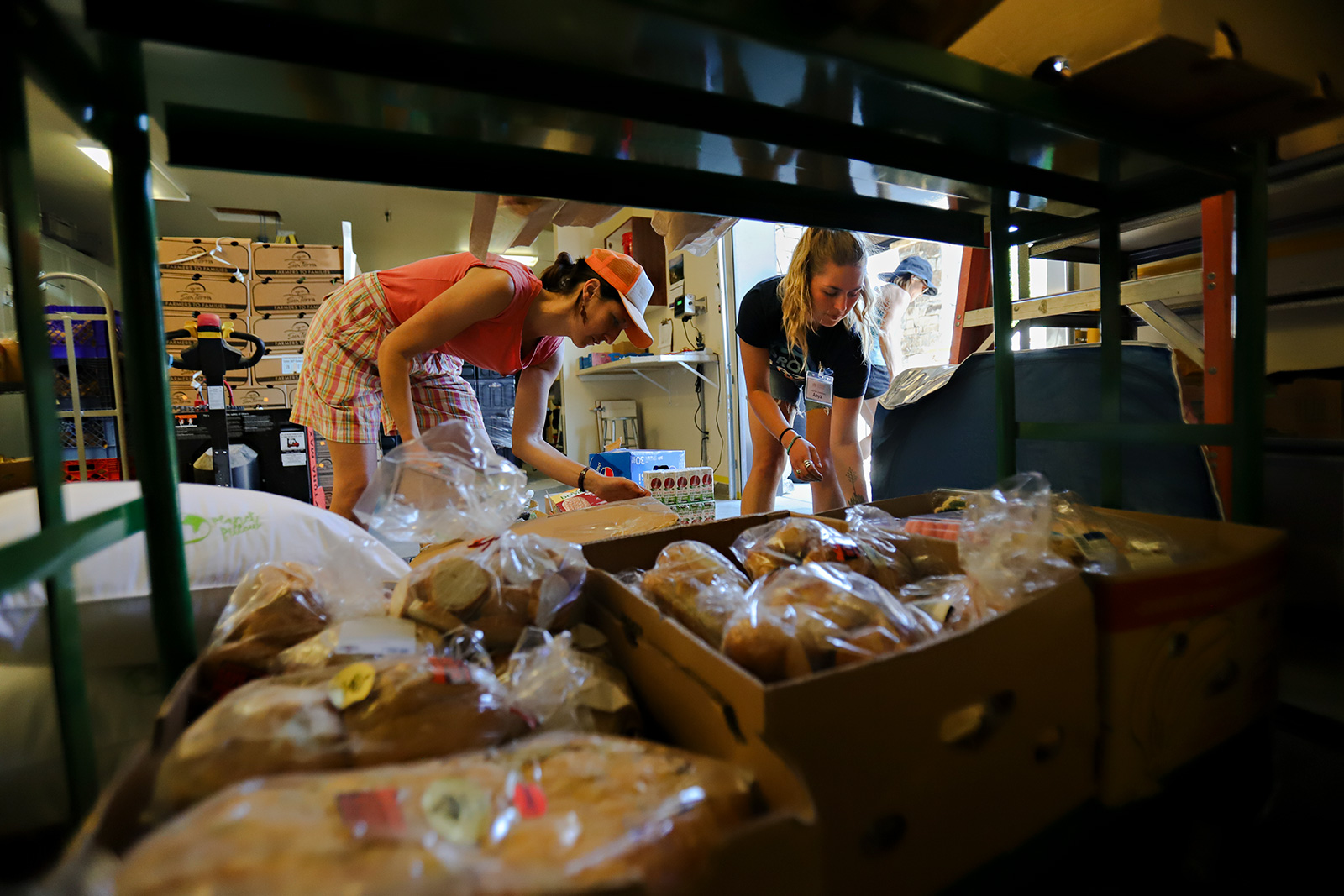
Those include people like Doug Nelson, a recently retired physician, who for four years has volunteered at the food bank. On Monday mornings, he helps people box and bag their groceries. Food bank shoppers, like Bishop, come into the food bank and receive a ticket listing out the quantities of items they can take. The list includes items like vegetables, soup, oatmeal, rice, pasta and peanut butter. Shoppers are free to take their pick of items from there.
As Nelson checked out shoppers, he talked with them about the items they got. He took care packaging all the items, especially “precious cargo,” like pies and cakes donated from local grocery store bakeries. Volunteering each Monday means there are some faces Nelson recognizes. Many others were new.
“I think it’s a real lifeline for people in all kinds of situations,” Nelson said.