Glacier Ends Shuttle Service, Logan Pass Parking Limits for the Season
Park officials describe the pilot program as achieving high turnover rates and opening access to Logan Pass
By Jules Lingenfelter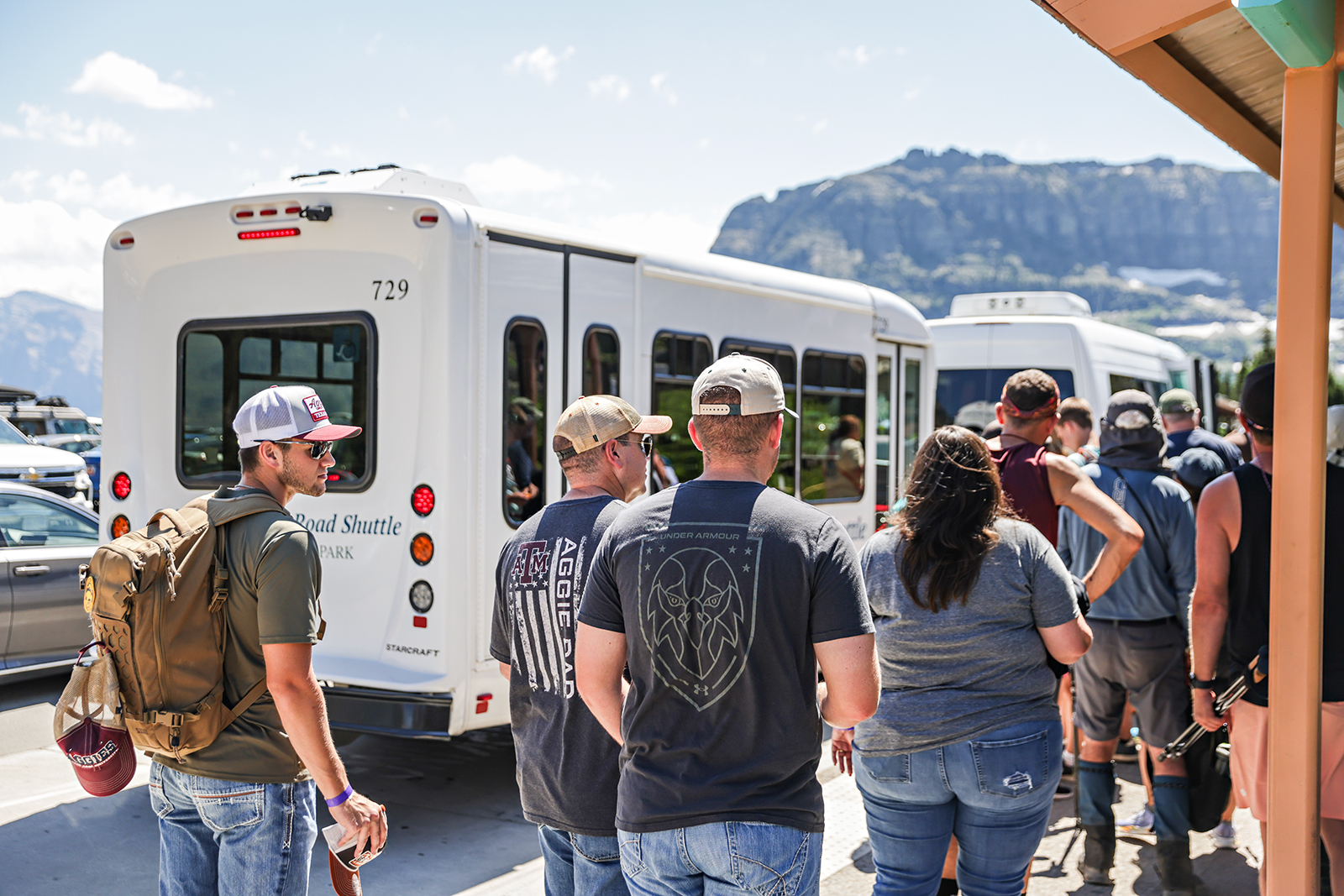
A Labor Day weekend that closed out with heavy rainfall — and a temporary closure of Going-to-the-Sun Road — marked the shift into Glacier National Park’s shoulder season. As tourist numbers can be expected to slow heading into fall, park officials announced the end of the shuttle service and parking time limits at Logan Pass.
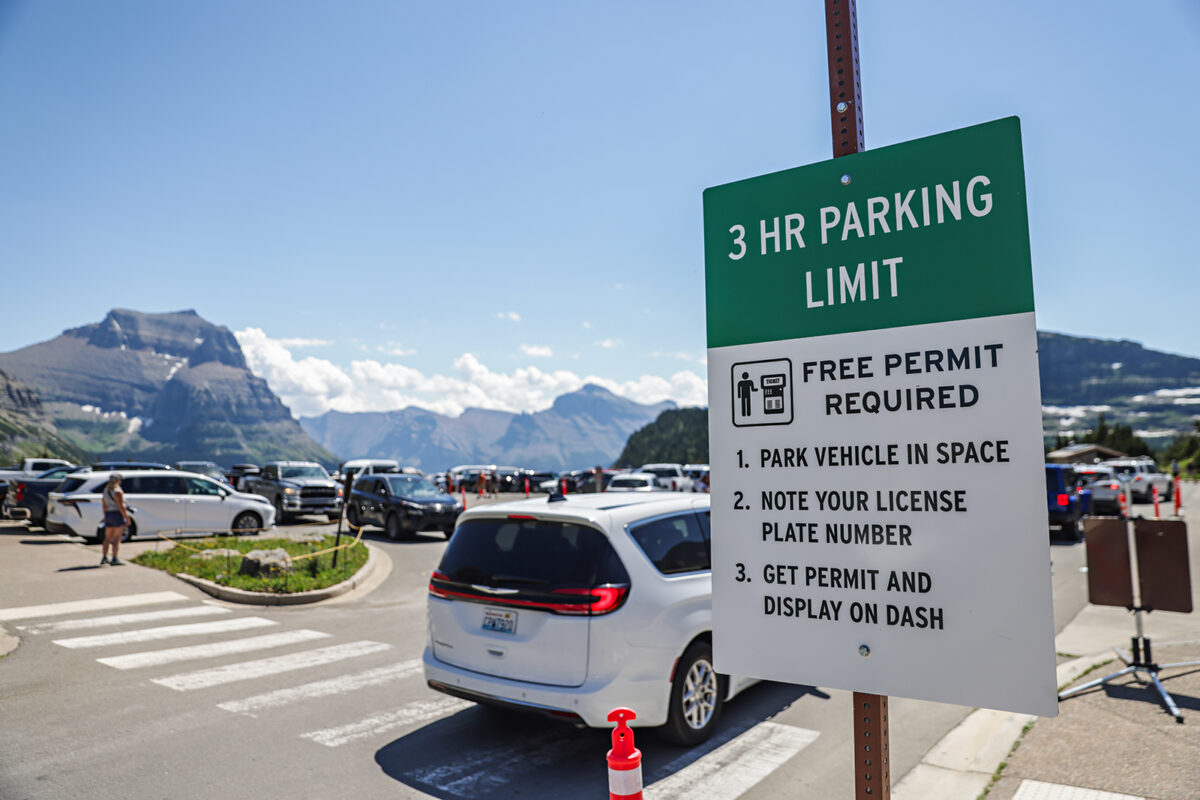
Glacier National Park implemented the two new changes as a pilot program, testing the waters of a pivoted approach to the park’s transportation system. Beginning July 1, park-goers could take an express shuttle service delivering them directly to Logan Pass, provided they bought a ticket online either 60 days in advance of the night before. At the same time, parking at the Logan Pass was limited to three hours. The pilot program aimed to mitigate overcrowding at the popular destination; the shuttle would allow hikers to tackle all-day activities while the time limit encouraged high turnover rates for drivers.
The pilot program always carried a scheduled end date of Sept. 7, with the possibility of continuing the shuttle service depending on operation funds. On Tuesday, park officials confirmed that the pilot program had ended for the season, with the last shuttles running on Sunday. Parking at Logan Pass has since returned to a first-come, first-served basis.
“On most days we issued 1,200-1,300 free permits from onsite kiosks for three-hour parking at Logan Pass,” said Glacier National Park Superintendent Dave Roemer in the press release. During peak visitation times, roughly 100 parking permits were issued per hour for the lot’s 235 spaces and the park achieved its desire for high vehicle turnover rates, according to the press release.
Officials described similar success with the shuttle system, including the implementation of standby lines which allowed park-goers who hadn’t bought tickets to fill any bus seats left open by no-shows.
“By utilizing standby access, we filled seats that were available and provided service to Logan Pass that maximized ridership,” Roemer stated. “This new reservation program significantly reduced wait times at boarding and pickup locations compared to previous years.”
The press release further stated the program had “improved public access to Logan Pass by increasing vehicle turnover throughout the day compared to previous years, allowing more people touring Going-to-the-Sun Road to reliably park at Logan Pass to access visitor services, facilities and trails.”
First announced in February, the reservation-only shuttle service and parking time limit represented a distinct shift from the park’s previous strategy at mitigating heavy congestion. In 2021, following an influx in visitation numbers during the pandemic, Glacier implemented a required vehicle reservations for Going-to-the-Sun Road. The park had continued to tweak the system every year before ultimately scrapping it ahead of the 2026 season.
Piloting the two new changes represented the first step towards a broader revamp of Glacier’s transportation system that includes a more extensive shuttle system and expanded parking at popular destinations. The proposal, which Roemer previously described as having to “grow in lockstep,” requires a delicate balance of current park resources with record-breaking yearly visitation numbers that show no sign of slowing down in the seasons to come — a balance that has left stakeholders questioning the park’s ability to implement a wholly new system.
In the past decade, Glacier National Park has seen record-breaking visitation numbers, including an all-time high of 3,305,512 people in 2017. Each of the past two years exceeded 3 million visitors and 2026 is on track to follow a similar, if not steeper, trajectory — this July saw a 17% increase in visitation compared to 2025. Amid the increase of park-goers, funding remains a particular sore spot; Glacier’s own project backlog carries a price tag of $132 million as the Trump administration has continuously proposed budget cuts for the National Park Service.
While Glacier National Park has not released further details on what the proposed transportation system will entail, the press release stated that “the park continues to refine transportation and access for visitors while safeguarding park resources.”
As the shuttle service ends and the parking lot reopens to all comers, park-goers can also expect seasonal changes at Logan Pass. Starting Sept. 8, water will be shut off and visitors should be prepared to bring their own water. The Visitor Center will reduce its hours on Sept. 13 and close for the winter on Sept. 27.
More information regarding operational updates can be found on the Glacier National Park website.