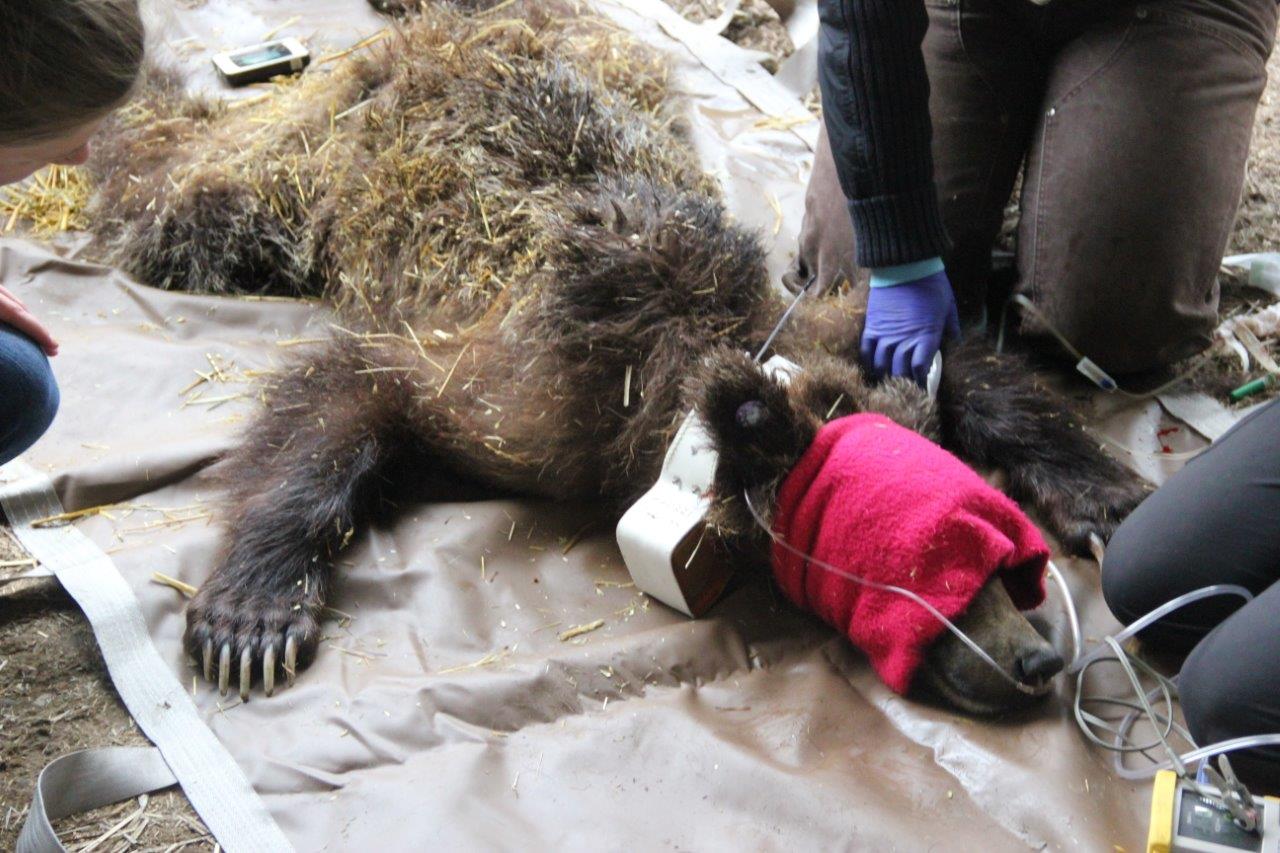
Greetings, Beacon Nation! Federal game wardens and wildlife advocates have pooled resources to offer a $15,000 reward in exchange for information about the illegal killing of a collared female grizzly bear from the imperiled Cabinet-Yaak Ecosystem in northwest Montana.
Although the grizzly was killed last October in the Idaho Panhandle near the border with Montana, officials say she belonged to an isolated and struggling population of grizzlies in northwest Montana where the death of a single bear can set recovery efforts back years. That the illegally killed bear was a collared female made her an invaluable biological asset to wildlife managers working to augment the fragile population.
“This was a tragic, completely preventable loss and the consequences to grizzly recovery are enormous,” Kristine Akland, Northern Rockies director at the Center for Biological Diversity, said in a press release. “In a population this small and fragile, every female is critical to survival. Losing even one can tip the balance toward the decline of the entire population. We’re increasing the reward because the person responsible for killing this bear needs to be held accountable.”
The Center for Biological Diversity this week offered $7,300 for information leading to an arrest and conviction in the illegal killing, bringing the total reward to $15,000 after the U.S. Fish and Wildlife Service offered up to $7,000, with additional funds provided through Idaho’s Citizens Against Poaching program.
I’m Tristan Scott, checking in with the region’s critters before rounding up the rest of today’s news.
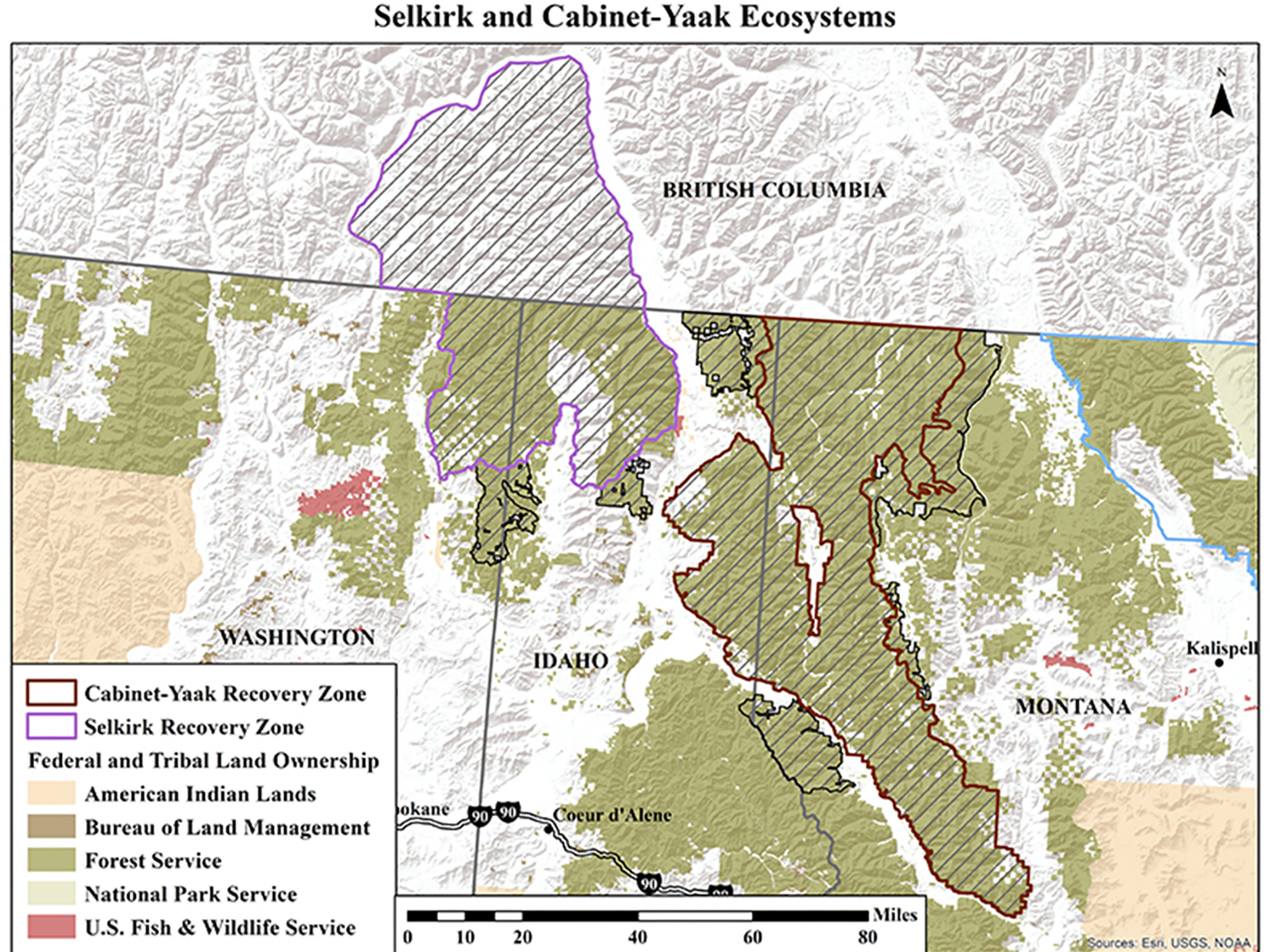
Grizzly bear populations in the lower 48 states were listed as threatened under the Endangered Species Act in 1975, while a recovery plan adopted in 1993 identified six individual ecosystems that they occupy, including the Cabinet-Yaak Grizzly Bear Recovery Zone spanning northwest Montana and northeast Idaho. The Kootenai River bisects the Cabinet-Yaak Ecosystem, with grizzly habitat within the Cabinet Mountains located to the south of the Kootenai and the Yaak River drainage to the north. The degree of grizzly bear movement between the two portions is minimal.
On Oct. 28, 2025, federal wildlife officials received a mortality signal from the collar of a female grizzly bear they were monitoring. U.S. Fish and Wildlife Service (FWS) officers and wardens with the Idaho Department of Fish and Game investigated and “determined the grizzly was shot in a manner indicating it was not a threat to the shooter,” according to FWS.
The bear was collared for research purposes as biologists monitor the population trends and genetic exchange of grizzlies in the Cabinet-Yaak, which biologists say hold about 60-65 bears. Those populations are dwarfed by the Northern Continental Divide Ecosystem, which has an estimated 1,100 grizzlies in the mountains between Glacier National Park and Missoula.
For the past 35 years, recovery efforts in the Cabinet-Yaak Ecosystem have included monitoring radio-collared individual grizzly bears in the isolated populations, tracking their genetic exchange through fur samples and augmenting the populations with transplanted grizzles from other recovery areas.
“Our ultimate goal is gene flow,” according to Wayne Kasworm, the U.S. Fish and Wildlife grizzly bear manager in Libby. “It is one thing to see a bear move. But when we talk about productivity in recovery terms, we really want to see gene flow from one population into another.”
Under Kasworm’s guidance, the Cabinet-Yaak augmentation program has helped rebound an ecosystem that saw its grizzly bear population nearly vanish. In 1988, biologists estimated fewer than 15 grizzly bears remained in the Cabinet-Yaak, which spans approximately 1,000 square miles in the Yaak River drainage and 1,620 square miles in the Cabinet Mountains.
Today, the recovery goal is 100 grizzly bears in the Cabinet-Yaak, and managers hope over time the animals will link with surrounding yet separate ecosystems: the Selkirks to the west, the Northern Continental Divide to the east, the Bitterroot to the south, and British Columbia to the north.
Understanding grizzly bear mortality is critical to puzzling out the formula to meet long-term recovery goals for the species, according to biologists, and unnecessary mortalities are a setback in such fragile populations.
“Whenever there is something from a management standpoint that we can do to lessen the impact of necessary mortalities, we try to do that,” Kasworm said in a 2023 interview with the Beacon after an adult male grizzly bear without a history of conflict was shot illegally in the Cabinet Mountains in Sanders County north of Noxon. “If someone kills a bear in the case of self-defense or protecting themselves, we count that as a necessary mortality. But if someone kills a bear out of malicious intent or due to mistaken identity, then that is unnecessary.”
Federal and state wildlife officials are asking anyone with information about this killing to contact the U.S. Fish and Wildlife Service TIPs line at (844) FWS-TIPS (397-8477) or https://www.fws.gov/wildlife-crime-tips. Tips can also be made to Citizens Against Poaching at (800) 632-5999 or citizensagainstpoaching.org. Callers may remain anonymous.
Stakeholders Weigh in on Granite Moccasin Logging Project
Proponents say the Flathead National Forest's proposal would reduce wildland fire risk and improve forest health in a critical infrastructure corridor along the Middle Fork Flathead River. Meanwhile, conservation organizations are pressing for more environmental review in a 67,536-acre project area that includes a Wild and Scenic-designated river and roadless lands.
Man Accused in Christmas Eve Road Rage Shooting Pleads Not Guilty
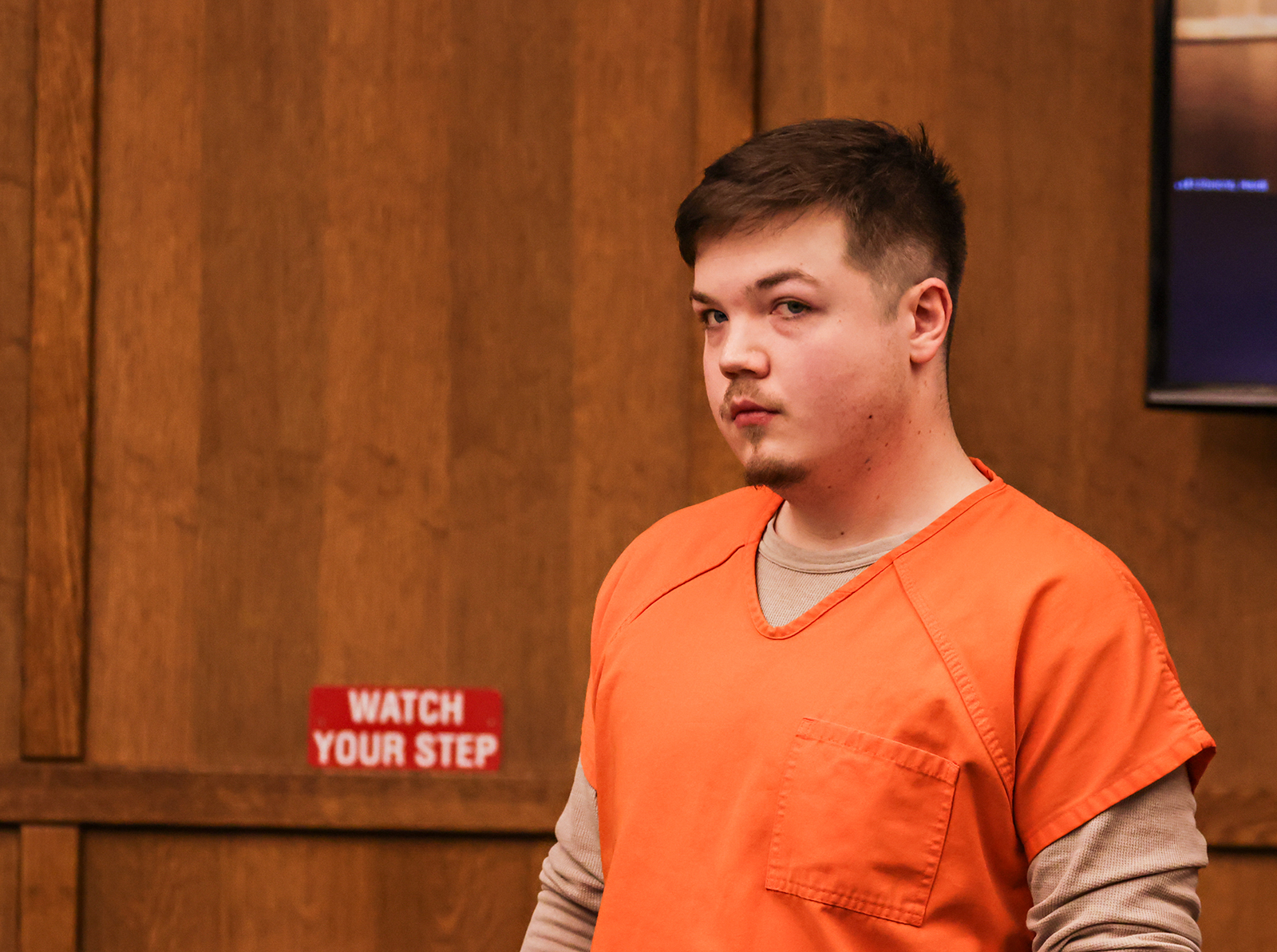
Mitchell Alexander Kleinman, 24, pleaded not guilty to felony counts of attempted deliberate homicide and criminal endangerment after allegedly shooting another driver in the head and firing multiple rounds at his vehicle with a child in the backseat
Whether you’ve been here for decades, or you’re new to the Flathead Valley, our reporting is here to help you feel smarter and in the loop about the issues most important to Northwest Montana. With your support, we can build a more engaged, informed community.