DEQ to Hold Public Hearing on Phase Two of Lakeside Sewer District Expansion Plan
State regulators are reviewing the district’s proposed wastewater treatment technology and will accept comment until April 23, when a public hearing will be held in Lakeside.
By Zoë Buhrmaster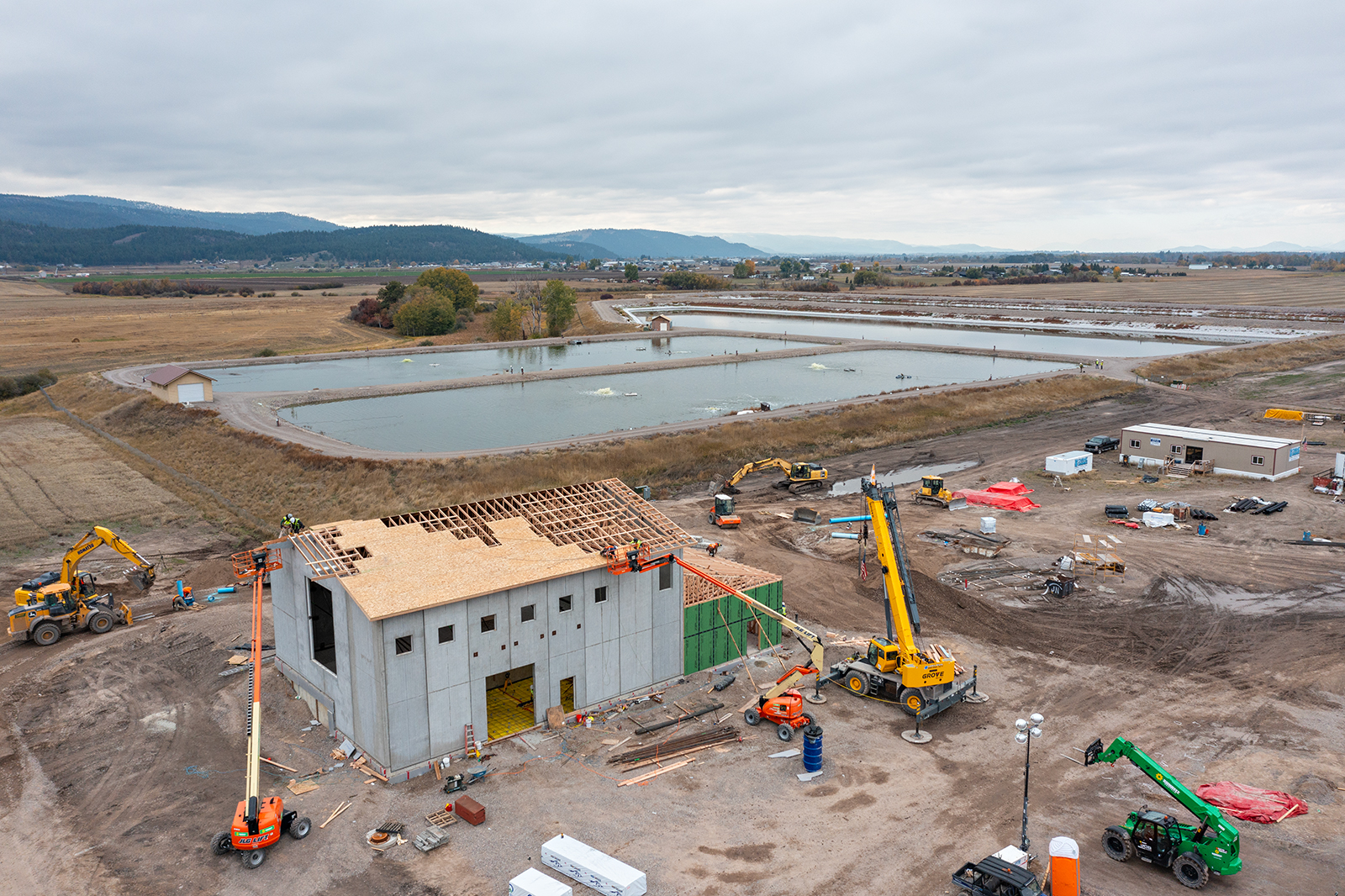
The Montana Department of Environmental Quality (DEQ) is accepting public comment for the second phase of the Lakeside County Water and Sewer District (LCWSD) Improvement Project until April 23, when a public hearing will take place.
The wastewater district’s expanded facility will accommodate the growing lakefront community’s increasing wastewater and septic needs, in addition to accepting septage from tanks in Flathead County.
The wastewater district began work on the project, which is located on LCWSD land in Somers, after DEQ approved phase one of the two-phase plan last year. Phase one authorized construction of a new septage receiving facility with a potable well and an integrated screening system, a new headworks facility, a buried main connecting the facilities, and replacement of the district’s lift station #10.
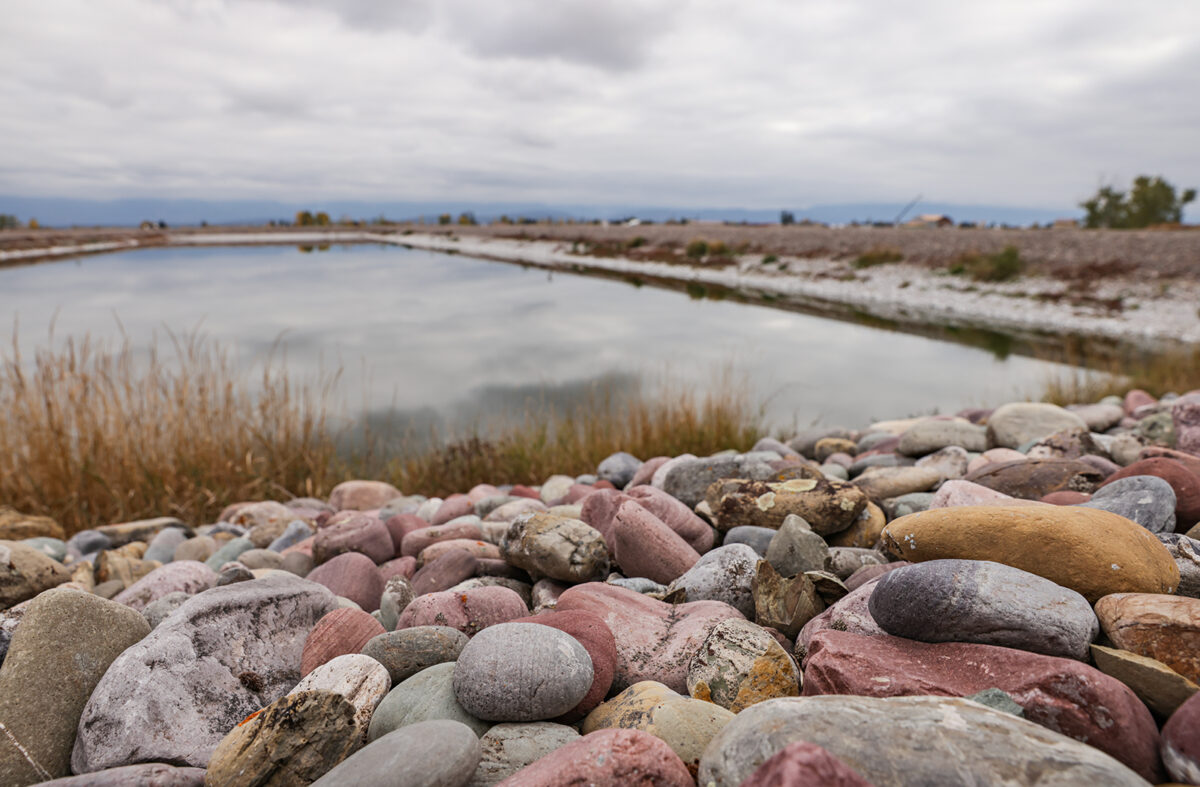
DEQ also approved the district’s Montana Ground Water Pollution Control System permit that will allow the treated wastewater into groundwater via three rapid infiltrations basins (RIBs), requiring a specialized treatment process to reduce nutrients and a groundwater mixing zone for nitrogen.
Phase two includes construction of the wastewater treatment plant using sequencing batch reactor technology (SBR) and the three RIBs.
SBR removes nitrogen and biological phosphorous from effluent using a five-step cycle: filling reactor basins with sludge, aerating it, letting it settle, decant and idle. The district also considered membrane reactor technology (MBR), another treatment method that treats wastewater through continual aeration. The district board ultimately selected SBR as the primary treatment method because of its higher rating for longevity with fewer maintenance and operation requirements. The district is also planning to use aluminum sulfate, another wastewater treatment process, to treat the effluent per recommendation from the SBR manufacturer.
LCWSD is also looking at adding a small membrane bioreactor to additionally treat the effluent and methods to treat PFAS and pharmaceuticals. General Manager Rodney Olson said Friday that district officials are designing the new facility to include space for a membrane bioreactor and have applied for funding from multiple locations for one. The additional treatments are not included in phase two and would require additional DEQ review.
“If something falls through and we don’t get funding we may have to wait, but we are building the building to put it in there,” Olson said.
The new facility is anticipated to remove around 80% and 70% more of nitrogen and phosphorus respectively from the wastewater compared to the existing lagoon treatment.
Opponents have criticized the project for its location just north of Flathead Lake and its planned treatment method of discharging treated wastewater to groundwater, citing environmental concerns. Local environmental watchdog group Citizens for a Better Flathead (CBF) is currently seeking to halt the project through two separate lawsuits — one challenging DEQ’s decision to approve a groundwater discharge permit for the first phase of LCWSD’s expansion plan, which includes as co-plaintiffs the Confederated Salish and Kootenai Tribes (CSKT), and another, which involves a local ratepayer, and alleging the wastewater district violated public participation laws.
DEQ Environmental Engineer Steve Lipetsky notes in the environmental assessment that downstream surface waters were evaluated in a previous assessment of the project, finding that “effluent and groundwater transport analyses demonstrate that discharge from the RIBs are expected to meet applicable water quality standards and to maintain beneficial uses.” He added that the anticipated project impacts are minimal and do not trigger the need for an environmental impact statement.
The project is estimated to cost around $13.4 million, with the district contributing $983,000. The remaining funds would be provided through the American Rescue Plan Act (ARPA), Western Montana Conservation Commission, and loans from the DEQ’s Montana Water Pollution Control State Revolving Fund program.
DEQ published notice of the public comment for phase two on April 9, including the state department’s draft environmental assessment and its finding of no significant impact.
Following DEQ’s release of the notice, CBF called for an extended 60-day review and the creation of a community task force to find a better site for the project. During the approval process for the wastewater-to-groundwater permit, DEQ extended the public comment period twice after receiving a significant amount of public interest.
“This extension is vital to allow the public the necessary time to hire independent experts to review the DEQ’s proposal,” CBF’s Mayre Flowers said. “Without it, the community is being denied the opportunity to provide informed and meaningful feedback on a project of immense public importance.”
DEQ scheduled a public hearing for April 23 from 5 p.m. to 7 p.m. in the community room at the Lakeside QRU located at 201 Bills Road. A zoom link to attend online will also be available on DEQ’s webpage for the project.