Greetings, Beacon Nation! Another day, another meteorological mood swing. The heavy snowfall that greeted various Flathead Valley locations early this morning smacked me with a dose of atmospheric amnesia; peeking beneath the bedroom window blinds, it was difficult to remember what month it was, let alone keep track of the season. But now that I’ve got my bearings, let’s take a moment to acknowledge the forecast before moving on to discuss a few insights I gleaned from this week’s polling by the University of Montana’s Crown of the Continent and Greater Yellowstone Initiative, which surveyed Montanans about their stances on public lands and conservation. (Spoiler:The survey registered unprecedented support for both.)
But first, about that snow.
The National Weather Service updated and revised its initial briefing after the timing and locations of the valley snow shifted, with the latest models showing snowfall rates of a half-inch an hour, which, combined with breezy northeast winds, “could briefly overcome warm pavement, leading to slushy conditions” on U.S. Highway 93 between Eureka and Whitefish and on U.S. Highway 2 from Marion to Kila. There’s also a 10% chance for a half-inch to an inch of snow to accumulate along the Highway 2 corridor west of Kalispell, but the axis of moisture is expected to shift to the I-90 corridor Thursday and Friday morning.
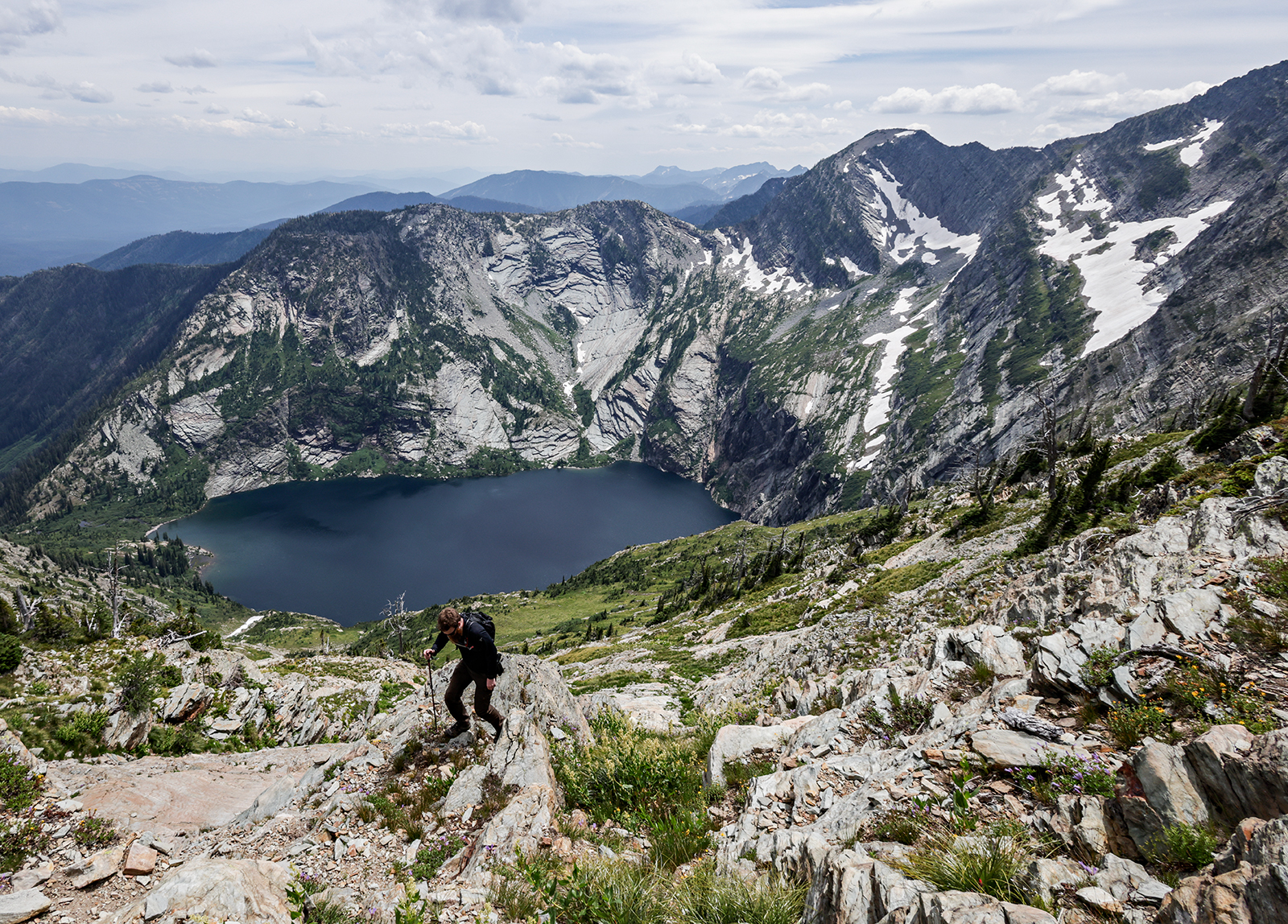
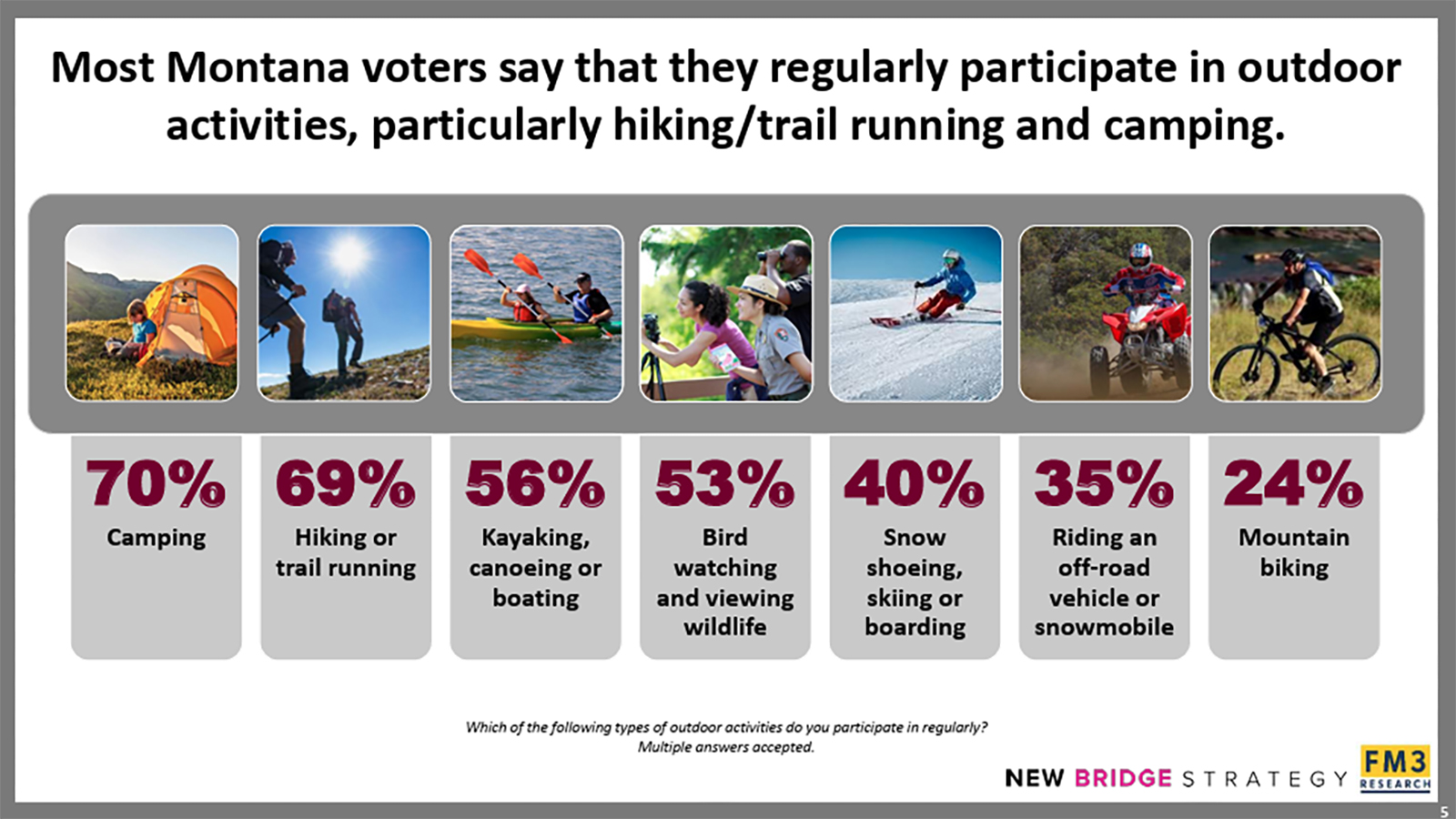
Now that the amnesia’s cleared, let’s not forget this week debuted with a pair of glorious spring days that stretched late into the evening, when Print the Supermutt and I encountered hikers and bikers of all stripes taking advantage of the public access to local trails and troads. If anyone needed a reminder of the extent to which public access to open spaces affords locals the opportunity to get out and play in the outdoors, it was on full display before the weather turned — from quick after-work front-country forays to deeper backcountry excursions, the Flathead has it all.
And it’s not just locals who appreciate Montana’s trove of public lands. A new statewide poll commissioned by the University of Montana’s Crown of the Continent and Greater Yellowstone Initiative sharpened that point, revealing growing concern among residents across Montana about access to public lands, increasing environmental pressures, and the impacts of reduced funding and staffing for land management.
The results build on a long-running series of surveys conducted biennially since 2014, providing valuable trend data on Montanans’ views toward public lands and conservation. The bipartisan survey highlights a sharp rise in concern over access to public lands — 71% of respondents now say loss of access is an extremely or very serious problem, marking an increase of 30 percentage points since 2022.
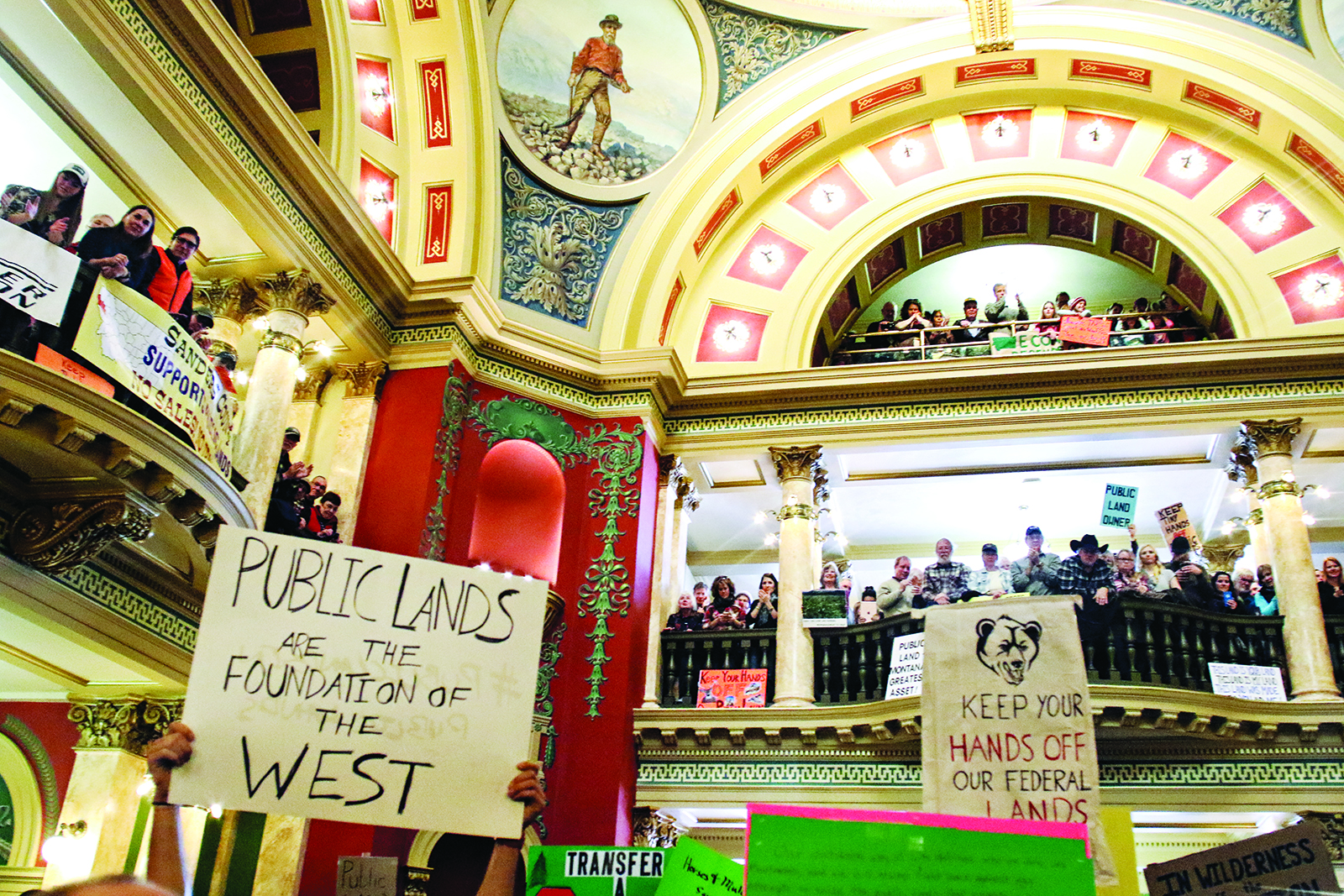
The strongest intensity of support polled was for banning the sale or transfer of public lands, with 84% in support. That’s not surprising given the pushback on a controversial public land sale provision last year that Montana’s federal delegation helped stop in its tracks, as well as the ways in which Montanans shut down a state lawmaker’s resolution to support Utah’s quest to lay claim to 18.5 million acres of federally managed land within its borders.
Rick Graetz, the iniative’s director at UM, said the bipartisan poll gives Montana decision-makers and federal policymakers helpful information about the sentiment among voters when it comes to policy decisions.
“Since this poll began a dozen years ago, Montanans’ interest in protecting public lands has only grown stronger,” Graetz said. “Bipartisan support for conservation is undeniable and deeply rooted. Wherever I go in Montana, I hear from people wanting to safeguard their quality of life and their freedom to visit public lands and waters. There is no appetite for sell-off or industrialization of public lands here and that clearly shows in the data.”
The poll also finds widespread concern over recent firings and funding cuts affecting public lands. Nearly three in five respondents said they are extremely or very concerned, with that number climbing above 80% when including those who are somewhat concerned.
“A majority of voters believe these reductions will negatively impact all areas tested, with wildfire management topping the list of concerns,” according to the survey. “More Montanans report heightened worry about low snowpack and drought compared to prior surveys, underscoring growing awareness of changing conditions across the state.”
Support for conservation policies remains strong and consistent across the political spectrum, with nine in 10 Montanans identifying conservation issues as important when deciding whether to support an elected official, including 82% of Republicans, 92% of independents, and 99% of Democrats.
The statewide poll of 515 registered Montana voters was conducted by a bipartisan research team, New Bridge Strategy (Republican) and FM3 Research (Democrat), and carries a margin of error of ±4.38% at the 95% confidence level.
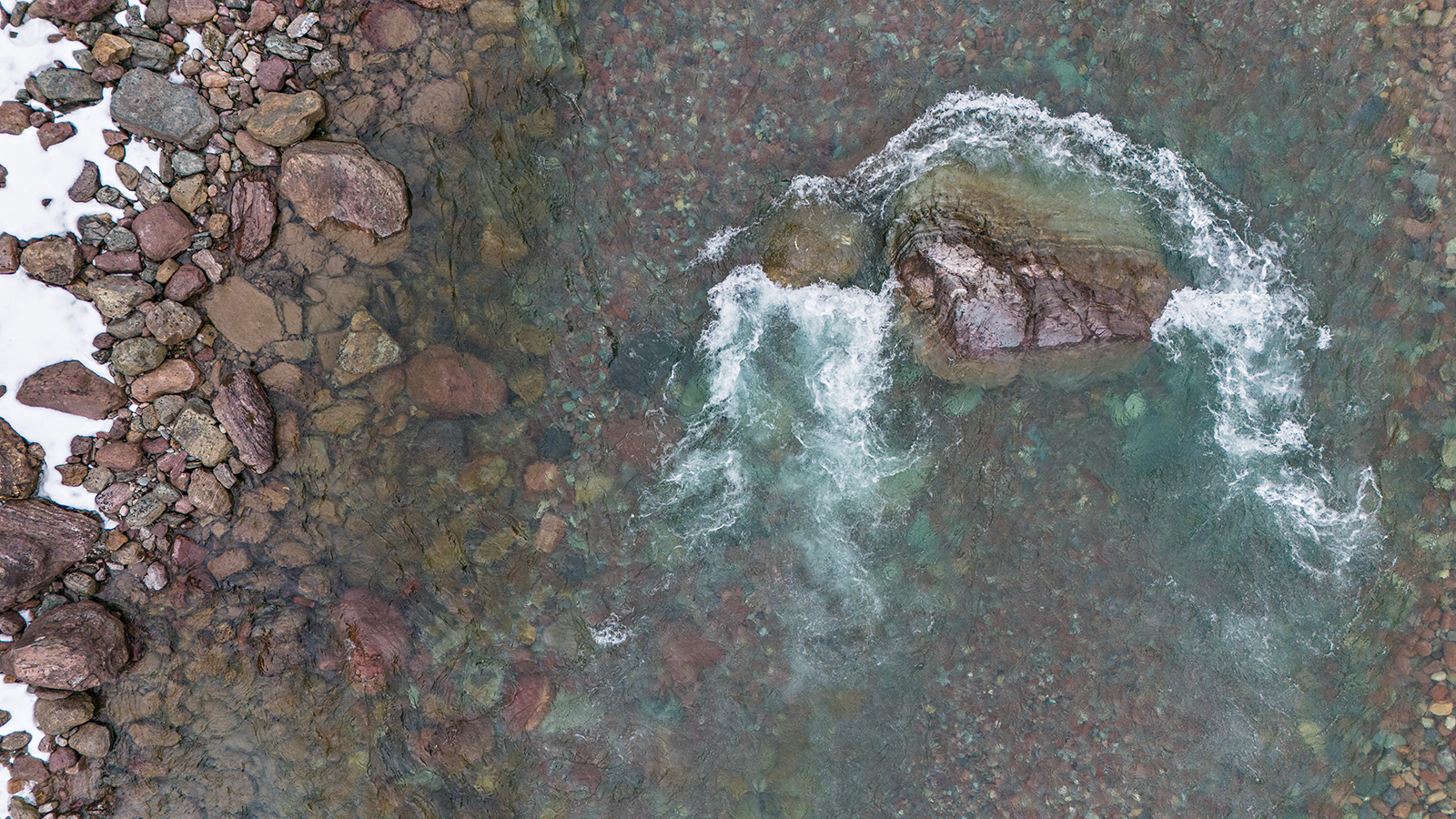
For 50 years, the Flathead River system has been designated under the Wild and Scenic Rivers Act, serving as the legislation’s inspiration after wildlife biologists John and Frank Craighead spearheaded the watershed’s protection stemming from the Spruce Park dam proposal on the Middle Fork
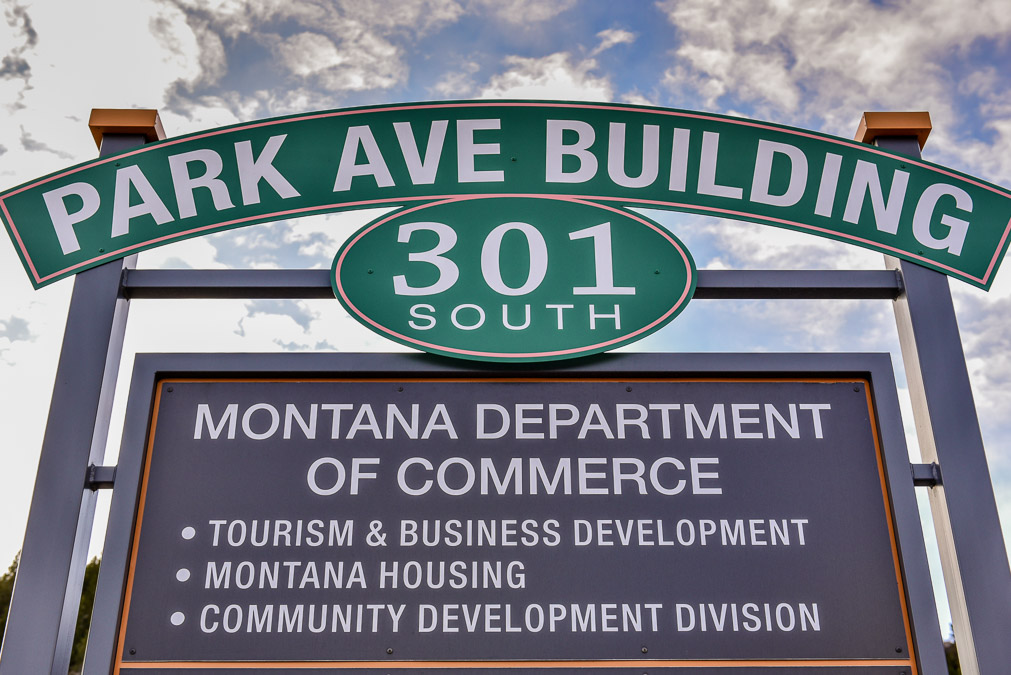
Judge Orders State to Halt Paychecks for Commerce Department Director, but Questions Remain
A District Court judge ruled that Marta Bertoglio was unconstitutionally appointed to run the state agency. The governor’s office contends the judge may not have jurisdiction to decide.
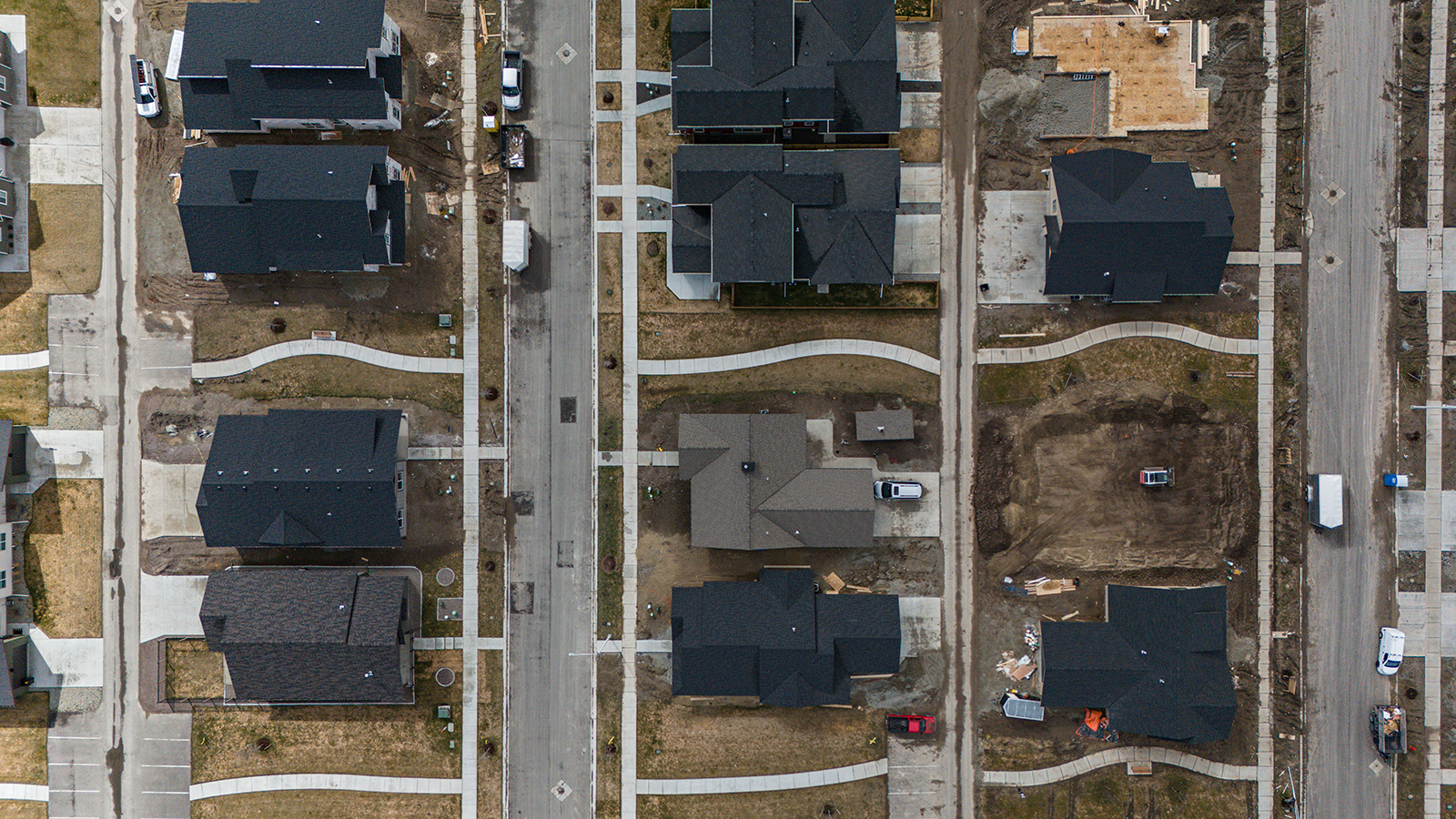
Kalispell Adopts New Zoning and Subdivision Regulations
Approving the regulatory standards signaled the final steps toward putting the city in line with the Montana Land Use Planning Act before the state’s May deadline
Whether you’ve been here for decades, or you’re new to the Flathead Valley, our reporting is here to help you feel smarter and in the loop about the issues most important to Northwest Montana. With your support, we can build a more engaged, informed community.