Salmon Prairie School Closure Reflects Growing Strain on Small Montana Districts
The rural Seeley-Swan Valley school has long struggled to make ends meet, but school board members and the county superintendent say a 2023 law requiring tuition payments was the final blow. It's one of at least nine small Montana districts to go non-operational since the law passed.
By Mariah Thomas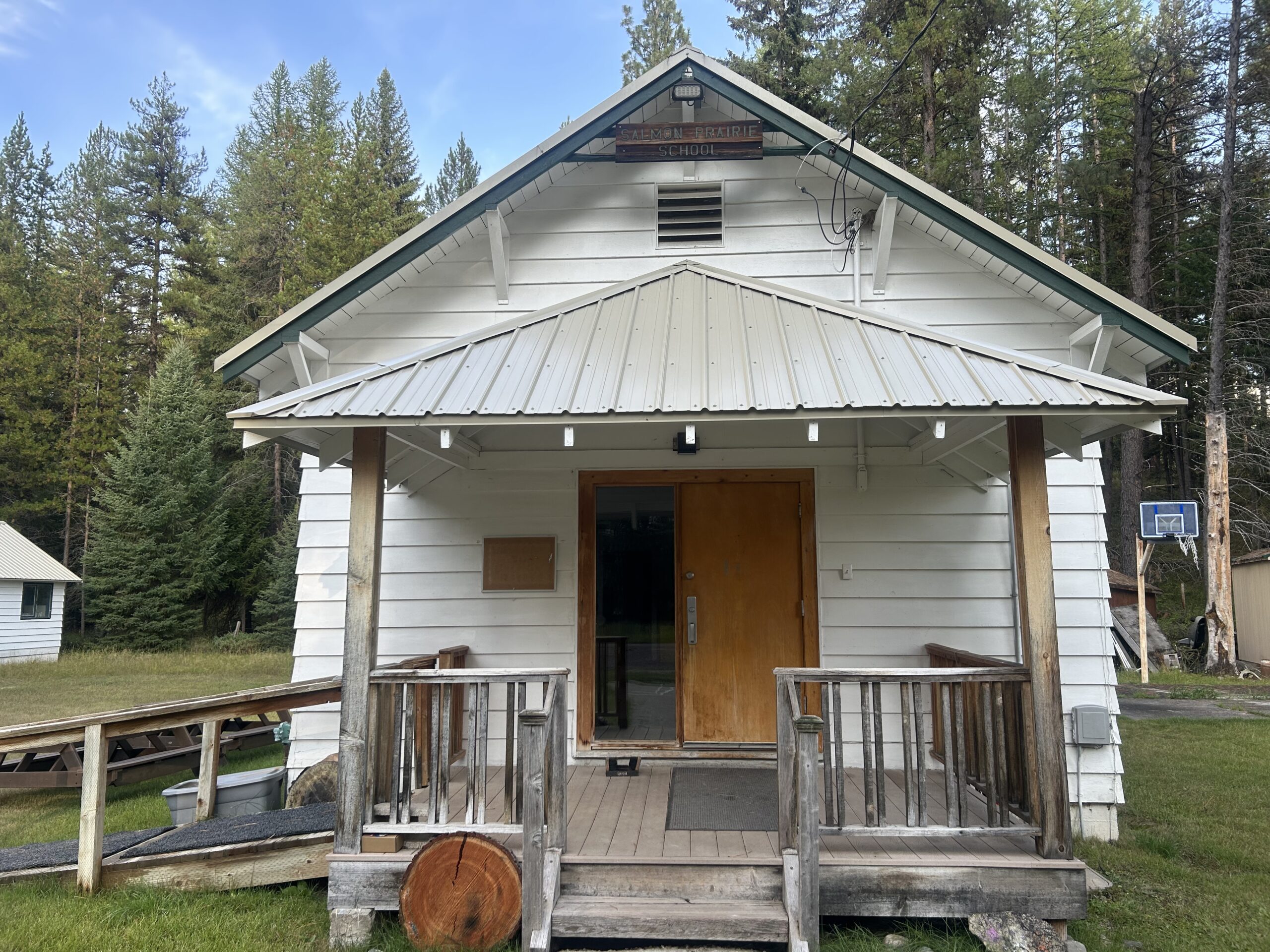
While most students across Montana returned to school in routine fashion over the last couple weeks, Josh Reed and his family faced a different reality, marked by the closure of a one-room schoolhouse.
Reed, a forester with the state’s Department of Natural Resources and Conservation’s Swan Unit, sent his children to Salmon Prairie School for the past two years. His family lived in state housing in the Swan Valley, and Salmon Prairie, a small, rural school serving around half a dozen students in grades K-8, was the closest school to them. But this summer, the family moved to Polson, and, even if their children wanted to continue traveling to attend Salmon Prairie, it would no longer be an option.
At the end of the 2025-2026 school year, the rural school’s board of trustees voted for the school to enter non-operational status, a designation that means it won’t be serving students or having classes for the year.
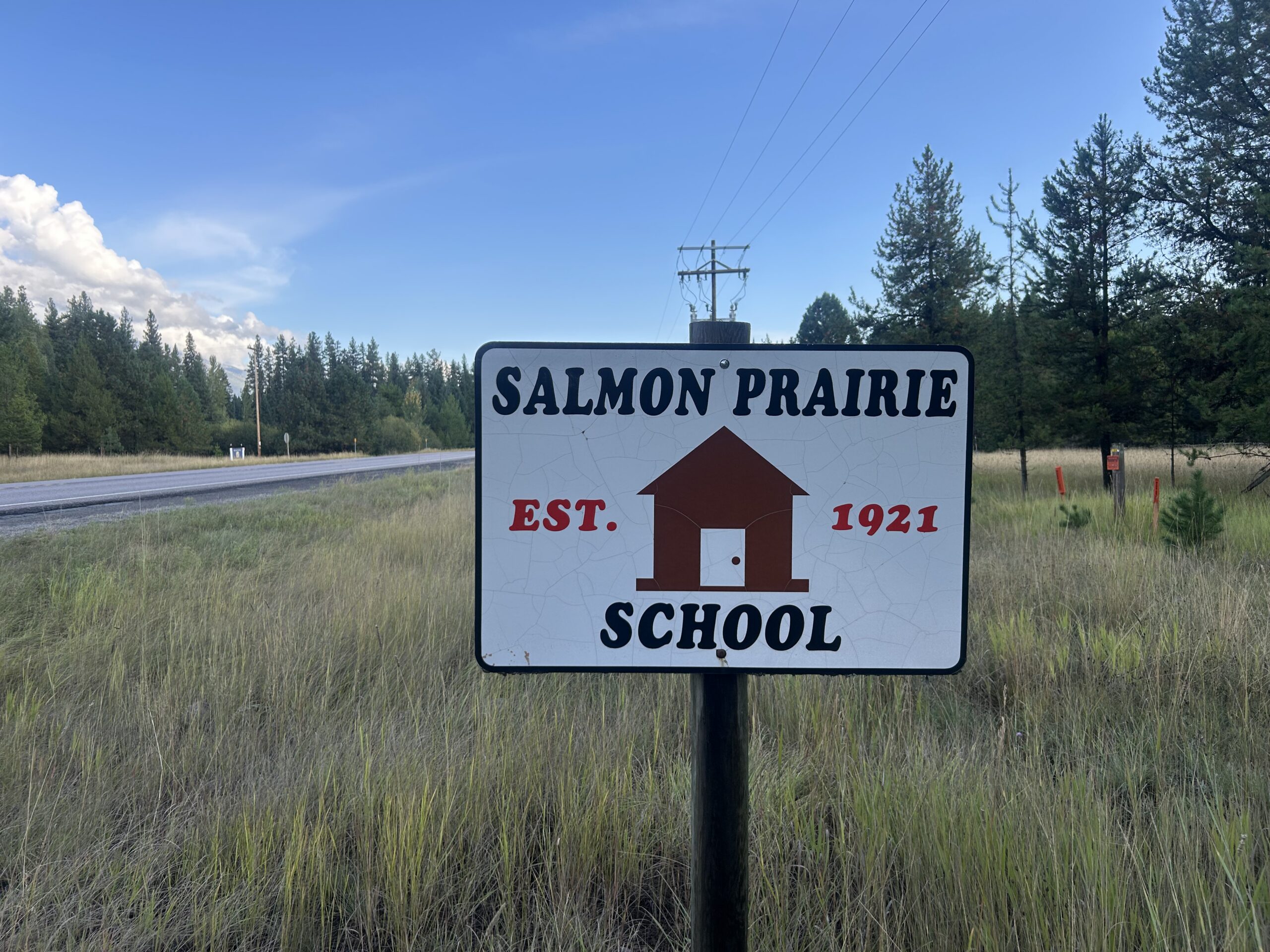
While schools must be non-operational for three years before officially being considered “abandoned” and shutting their doors permanently, longtime Lake County superintendent Carolyn Hall said there are no plans to reopen Salmon Prairie. The board’s vote — and the factors that led to it — leaves the Seeley-Swan Valley without a one-room schoolhouse that has taught students in the area for more than 100 years.
Across Montana, a perfect storm of factors is hitting small districts like the Swan Lake-Salmon Elementary District, creating a landscape where some are battling to balance budgets and, in extreme cases, opting to shutter. In some rural areas, like the Seeley-Swan, schools are teetering on the edge as they grapple with a widely criticized K-12 school funding formula, along with factors like fewer students, rising costs, a lack of jobs and aging populations that have made it more difficult to continue funding small schools.
In the case of Salmon Prairie, Hall explained, the school had wrestled with several of those factors. The school housed fewer than 10 students, which means it brought in a slim amount of state funding and local taxpayers picked up a larger chunk of the district’s bill. With the 2024 closure of Pyramid Mountain Lumber, the Seeley-Swan Valley lost its largest employer, and with soaring housing costs, young families like Reed’s have struggled to afford living there. In short: the small, rural district had long been embattled in efforts to keep its head above water, even as Hall said the community tried hard to support it.
Then came a new piece of legislation. In 2023, the Montana Legislature passed House Bill 203, which purported to standardize open enrollment across the state. The bill passed as part of a slate of school choice legislation, aiming to make it easier for parents to have a broader say in their students’ educational journeys. While Montana has long offered open enrollment, districts across the state differed on charging tuition and their processes for accepting out-of-district students. The legislation made the process more uniform and ensured funding followed students from one district to the next.
“It’s a fair share thing, and that’s if you believe that the responsibility for educating children in a district resides with the school district,” said David Bedey, a Hamilton Republican who sponsored the bill. “And if you have a different view on that, then we’d have to, I think, rethink exactly how we fund schools. That’s the basic premise.”
Bedey, a former school board member who has long been a leading voice on education policy in Montana, said the legislation earned nearly unanimous support from lawmakers in 2023. It cleaned up a fragmented landscape of open enrollment in the state, though some educators in Flathead County have taken issue with a burdensome paperwork trail it’s placed on the plates of school business officials.
“It’s not fair to say, ‘This process changed everything,’” said Laurie Barron, the longtime superintendent of Kalispell’s Evergreen School District. “The process already existed for accepting and serving out-of-district students. This law tightened it up a great deal, and added some additional steps, and particularly increased the burden on the business office for documenting where the tax happens.”
Shelley Turner, who leads the Montana Association of School Business Officials, said historically, families who wanted their student to attend a school outside of their home district had to fill out a form and enrollment paperwork for the school district they wanted to attend. Then, the school board of the district they aimed to attend would either approve or deny their attendance. Before HB 203, it remained up to individual districts whether they would charge a tuition fee to students from outside the district or not, and to set that tuition fee.
In all, the process was somewhat informal, Turner said. Some counties enforced and tracked where students were attending school more strictly than others.
HB 203 changed that, Turner said.
Now, Barron said it begins the same way, with parents making an application and filling out paperwork for their student to attend a district. Then, staff at that district must review each student’s information, like attendance and discipline data, to ensure they meet the board’s policy for accepting out-of-district students. Parents are notified whether their student meets board policy and if the district is recommending their acceptance or not. HB 203 prescribed that school districts could only decline requests for out-of-district students to enroll for limited reasons: if the student’s enrollment would push the school building beyond its physical capacity, or if the student had a record of truancy or disciplinary issues. In practice, the changes tilted the scales toward acceptance of out-of-district students in most cases.
The school board then votes on the district’s recommendation for each student — a process that can become lengthier through parent appeals, should their student be denied entry. Turner added each student’s information, too, is inputted into the state’s system by hand in an effort to track where each student is attending school and to calculate tuition payments.
And, after students receive approval to attend a district other than their own, districts must mete out tuition payments to each other out of their tuition funds. Districts don’t have to make tuition payments to homeschooling parents or to private schools. The tuition figure districts must pay each other is not uniform across the board, instead relying on individual districts’ property tax levies to determine the tuition rates.
Lacy Bradford, the district clerk at Smith Valley School, a K-8 district in west Kalispell, explained school districts’ tuition funds are leviable, which means taxpayers pay for it. In theory, like Bedey explained, it ensures the taxpayers’ money is following students within their district. In practice, Bradford said, if a school district pays more in tuition payments than it’s bringing in, it can mean taxpayers in that district are hit doubly hard.
“So, the biggest change in the law is that what it did, is it took the burden off the parents and put it on the taxpayers,” Bradford said.
It’s the tuition payments associated with HB 203 that Hall pointed to as the ultimate death knell for Salmon Prairie School, though some pushed back on the idea that the legislation alone could cause a district to shut down.
“I think that I can understand where they’re pointing at that one item, but I think it’s probably more than just one,” Turner said. “… I think a school district saying just tuition is causing it probably is an overstatement. But it definitely changes community optics when they see their taxes go up and the school kids’ numbers go down, right? Because they say, ‘Why are we paying more when there’s less kids in our school?’”
That assessment rang true at Salmon Prairie School. According to Mary Hendrickson, the vice chair of the district’s school board, Salmon Prairie School’s financial struggles had long existed.
“For the last two to three years, the financial end of things for the school has not been good,” Hendrickson said. “We’ve been kind of scraping by, and the new legislation and things that have happened contributed to some of it. That’s kind of the bottom line with all of it, that financially, it just wasn’t working.”
Enrollment at the school has always been low, Hendrickson said, ranging from three students to around five or six during the three years she has sat on the school board. In a state where districts’ funding depends in large part on enrollment, not having many children in the building meant Salmon Prairie wasn’t receiving much from the state. For most school districts in the Flathead during fiscal year 2025, state aid made up roughly half their general fund revenues. At Salmon Prairie, that figure hovered at only 34.4%, leaving local property taxes to make up the rest of the district’s revenue.
Salmon Prairie’s general fund revenues in fiscal year 2025 sat at $102,100, with expenditures hovering around $88,900. The year prior, general fund revenues sat at $90,100. The district’s expenditures were at $89,900. And in both fiscal years 2022 and 2023, the district’s expenditures outpaced revenues, meaning it spent more than it brought in.
But when it came to students leaving the district, Hall said the district had long employed memorandums of understanding with neighboring districts, allowing students who resided in the Swan Lake-Salmon Elementary District to attend those districts without cost. HB 203 took away that option, requiring tuition payments to be made — and, therefore, taxpayers to pay that price. During fiscal year 2025, 15 students left Salmon Prairie to attend alternate school districts, compared with four who stayed in the district. In fiscal year 2026, seven students attended Salmon Prairie School, while 14 departed.
“In the human body, it would almost be like getting a diagnosis of an illness that is incurable, and yet, you fight it and fight it as best you can, and you survive it if you can,” Hall said.
But ultimately, the district couldn’t beat that illness. Hall said last school year, the district paid out roughly $28,000 in tuition payments alone, money it levied from taxpayers in addition to taxpayers already footing a high percentage of the district’s general fund. And it all came as a dwindling, aging population in the area has picked up most of the slack. Hendrickson said for the board, it felt like keeping the school open was no longer a fiscally responsible choice.
“Be it resolved that the Swan Lake-Salmon Elementary District #73 because of continued enrollment under 10 students, which has caused a financial burden on the local taxpayers, has by action of their Board of Trustees at a special meeting … voted unanimously to close the only K-8 elementary school in this district,” read a May 26 letter from the board to the state’s Office of Public Instruction.
Bedey, HB 203’s sponsor, said he can sympathize with a school district like Salmon Prairie closing. But in his mind, closing down a school comes down to whether a district and its tax-paying residents want to continue paying to educate the students in it, even if the bill is higher. A school shutting down as a result of HB 203, he said, is simply an indicator they don’t want to do so.
“And so, I guess what’s discomforting to a place like Salmon Prairie is that they’ve been operating for years and years and years not serving most of the kids that live in their district,” Bedey said. “So suddenly, they’re made accountable for that based on the premise that they have responsibility to educate those students, then yeah, it does make a difference in terms of what the tax burden’s going to be.”
Salmon Prairie isn’t the only district facing down decisions about closing its doors. Concerns about the possibility of school closures cropped up before the bill’s passage through the legislature in 2023. Mainly, those concerns came from similarly situated small, rural districts. Larger districts, like Evergreen, reported little financial impact from the exchange of tuition payments. Still other school districts in Flathead County that are attracting more families since the legislation went into effect are trying to ensure they can meet the needs of both families coming into their districts and the ones who live there. Cayuse Prairie School, a K-8 school in the east valley, for instance, is in the throes of rewriting its open enrollment policy to both align with state law and to ensure it has the space to serve students who reside within the district’s bounds as demand has grown for Cayuse Prairie to serve out-of-district students.
But at least nine small school districts have entered non-operational status statewide since 2023, according to data from the state’s Office of Public Instruction. One other small, rural school that entered non-operational status in 2024 — the Melrose School District, located in Silver Bow County — publicly blamed its non-operational status on the legislation.
“Melrose School District will not be collecting to operate in our community but you as taxpayers are paying for those students to go elsewhere,” the district posted to social media. “Parents now have that choice of where to send their students. Unfortunately yes, this will cause an extreme hardship for the District, the Community and for all Rural Schools in Montana.”
The true impact could extend further. Janelle Beers, the executive director of the state’s Small Schools Alliance, said anecdotally she has heard of several other small districts battling to survive under the legislation. Hall, the Lake County superintendent, along with Beers, suggested an effect of HB 203 has been that it is forcing rural districts to make choices to either consolidate or shut their doors completely.
“There’s consolidation that’s a choice for a district, and then there’s forced consolidation,” Beers said.
But whether that impact was intentional or not is up for debate. While Hall argued legislators knew what they were doing when the bill passed, Bedey bristled at the suggestion the bill promoted consolidation. He did, however, say the legislature has encouraged schools to start sharing resources to cut costs. Bedey also pointed to a 2025 bill, House Bill 156, which switched basic school funding levies from being set at the district level to the county level. That move, which takes effect this year, could help assuage some of the impacts some districts have seen from tuition payments, Bedey suggested.
Building on a bill from last session, Bedey said there’s a legislative push toward encouraging schools to share resources financially, which he suggested could make it easier for small districts to survive as long as they’re willing to “cooperate with each other.”
“But you know, at the end of the day, since we’re a local control state, local people get to decide whether or not they wish to have a school district,” Bedey said, “or whether they wish to close it down.”
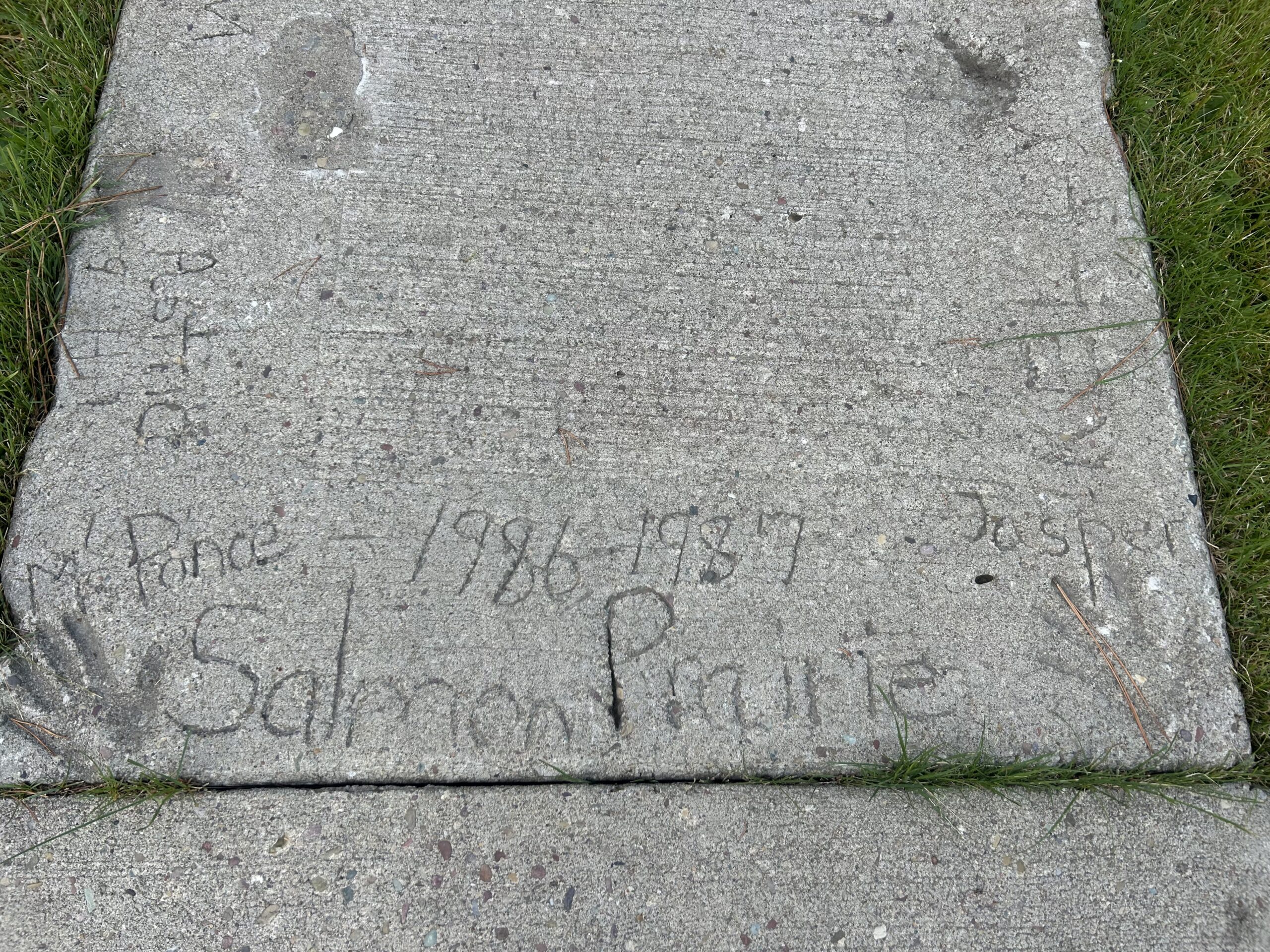
Hendrickson, the board vice chair in the Swan Lake-Salmon Elementary district, said the choice to close Salmon Prairie School’s doors, while not yet finalized in the state’s eyes, is final for the school board. There are no plans for the school to go through the process of reopening.
The board will continue to meet monthly for the next two years as it undergoes the legal process of designating the school as “abandoned,” the term the state uses to describe schools that have shuttered their doors permanently.
Hall, the Lake County superintendent, said it strikes her as “sad” to think of a school as abandoned. She added the shuttering of a school’s doors holds an impact beyond the students and staff in the building.
“My response is: look at the costs that are beyond dollars,” Hall said. “Yes, I agree it is an additional burden. Yes. But is that the only reason? Is it just money? What about kids on buses for an hour, an hour and a half? How about that? How about not being able to stay in your own community? How about the fact that your parents may have to drive that same hour to go pick up a sick child or to attend functions at that school now? How about the fact that the community’s view of themselves — their importance, their integrity, the joy in their own children and the families in their own community — that that’s all diminished?”
And for Salmon Prairie School families and alumni, just because the school has closed doesn’t mean they’re abandoning their memories of it.
Reed, the DNRC forester whose two children attended the school over the past two years, described it as an “anchor” in the community, keeping families connected and bringing people in the Seeley-Swan together for several traditions throughout the year. That assessment was shared by Hall and Hendrickson, too. As Reed’s family was new to the valley, he said their involvement with the school helped them to feel like they knew their neighbors better.
The annual school Christmas plays stood out as a particularly fond memory of his children’s time there. He recalled the students performing “Home Alone” last winter, and said his daughter played the child left behind.
“I never have ever heard of or seen kids who create their own Christmas play, and practice it for a month, build the set and do everything, and then perform in front of an entire community,” Reed said. “I think that’s probably one of the coolest things I’ve ever seen.”
He and his wife plan to homeschool their children in Polson this year, rather than sending them to a larger public school.
For other school alumni, whose families are intertwined with Salmon Prairie School, the closure of what they viewed as a community stalwart is a loss.
The Anderson family described five generations of their family having ties to the school. Kvande Anderson, who owns a logging company and outfitting business, previously served on the school board. His great-grandfather helped build the original schoolhouse. An alumnus of the school himself, his three children also attended Salmon Prairie.
Anderson said the school equipped his children well to enter the real world. Through the school’s deep connections in the community, he said his children were forced to interact with adults. And with a more flexible schedule thanks to small class sizes, Anderson said his children got to take part in extracurricular field trips and gain knowledge about the outdoors, and the flexible schedule gave the family more time to be together.
His daughter Iriey, 26, agreed. When Iriey attended Salmon Prairie, she said the school’s enrollment consisted of her and her siblings. Some of her best memories from the school are simply those of growing up in tandem with her brother and sister. She described activities like Easter egg hunts where she used a compass and coordinates to find the eggs, and learning to talk to her elders by calling people to invite them to school events.
At the school’s last picnic ahead of the summer — another annual tradition, where the school would host a cookout and invite community members to participate — Iriey said she attended along with her great aunt, cousins, dad and brother. They reminisced on their memories of the school and the ways it had touched their family.
But this year’s picnic was bittersweet as Iriey has grappled with the fact that her own children won’t attend the school that has had a hand in raising several generations of her family. When she has children of her own someday, she said she’ll likely opt to homeschool them rather than sending them to a larger public school district.
And more broadly, Iriey worries about what she called a “movement” of small schools shutting their doors.
“It sucks,” Iriey said. “If anything, if [Salmon Prairie School] doesn’t come back, I hope that the people involved and the communities notice the difference that it changes, and hopefully we can learn from it and prevent other small schools from closing.”