Happy Wednesday, Beacon readers! Mariah Thomas here with your Daily Roundup. In case you missed it: we’re a week into a government shutdown with no end in sight yet.
Federal dollars flow into Montana to help fund operations at national parks, programs like the Supplemental Nutrition Assistance Program and for education. Those programs are feeling impacts from the shutdown to varying degrees.
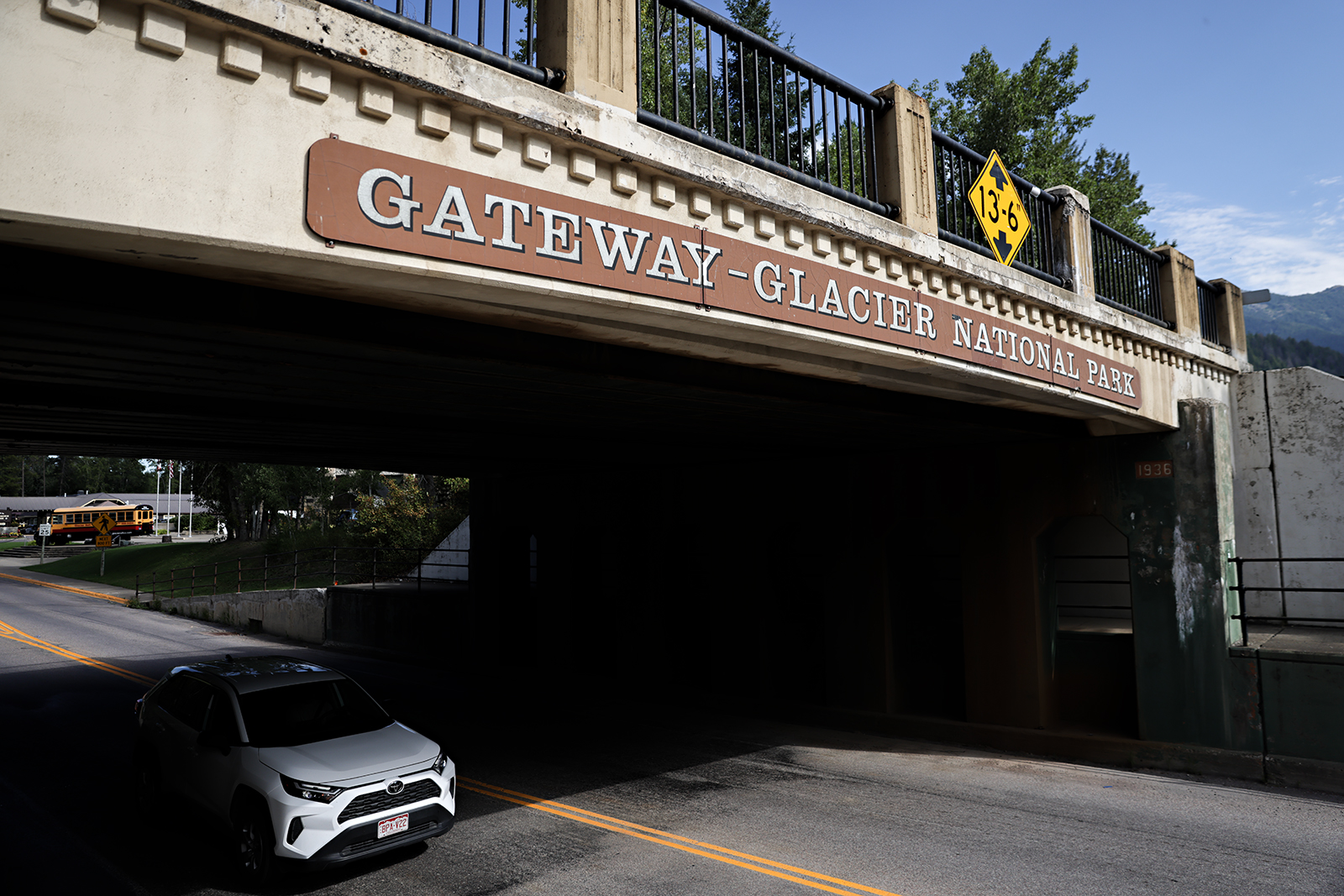
The state’s national parks have perhaps received the most attention during the shutdown thus far.
Montana Free Press reported from Yellowstone last week, where the park remained open after the shutdown. Rep. Ryan Zinke, one of Montana’s congressmen, posted yesterday that he went to Yellowstone to “help keep things clean and open.” He shared a video on X and wrote in an Instagram post that keeping the parks open was the right call, and park rangers are doing what they can to provide services during the shutdown.
But parks advocates have called for the federal government to shut down the parks to prevent damage to them as they operate on bare bones staffs. Short-staffing at the national parks has been a concern for much of the year already. At Glacier, community members rallied in August to protest funding cuts and staff terminations, which were already straining national parks before the shutdown.
Beyond the parks, several other programs that receive federal funding have managed to stave off impacts from the cuts thus far, but the future remains hazy for some.
The shutdown came on Oct. 1, the beginning of a new fiscal year for programs funded by the federal government. Among them is the supplemental nutrition program for Women, Infants, and Children, or WIC. That program provides benefits to pregnant women, mothers and children under age 5. It provided services to almost 13,400 women, infants and children enrolled in Montana, per a press release from the state’s Department of Public Health and Human Services (DPHHS) from December 2024.
For now, a $150 million contingency fund is keeping WIC afloat, but several outlets have reported that pool of funds could dry up quickly and the choice of whether to continue funding it will lie with states. A message on the Montana DPHHS website states WIC benefits will continue to be provided throughout the month of October as “we await further guidance from our federal partners.”
The same is true of the Supplemental Nutrition Assistance Program, which was serving more than 78,000 Montanans as of August. The federal government funds that program a month in advance, so funds were already obligated through October.
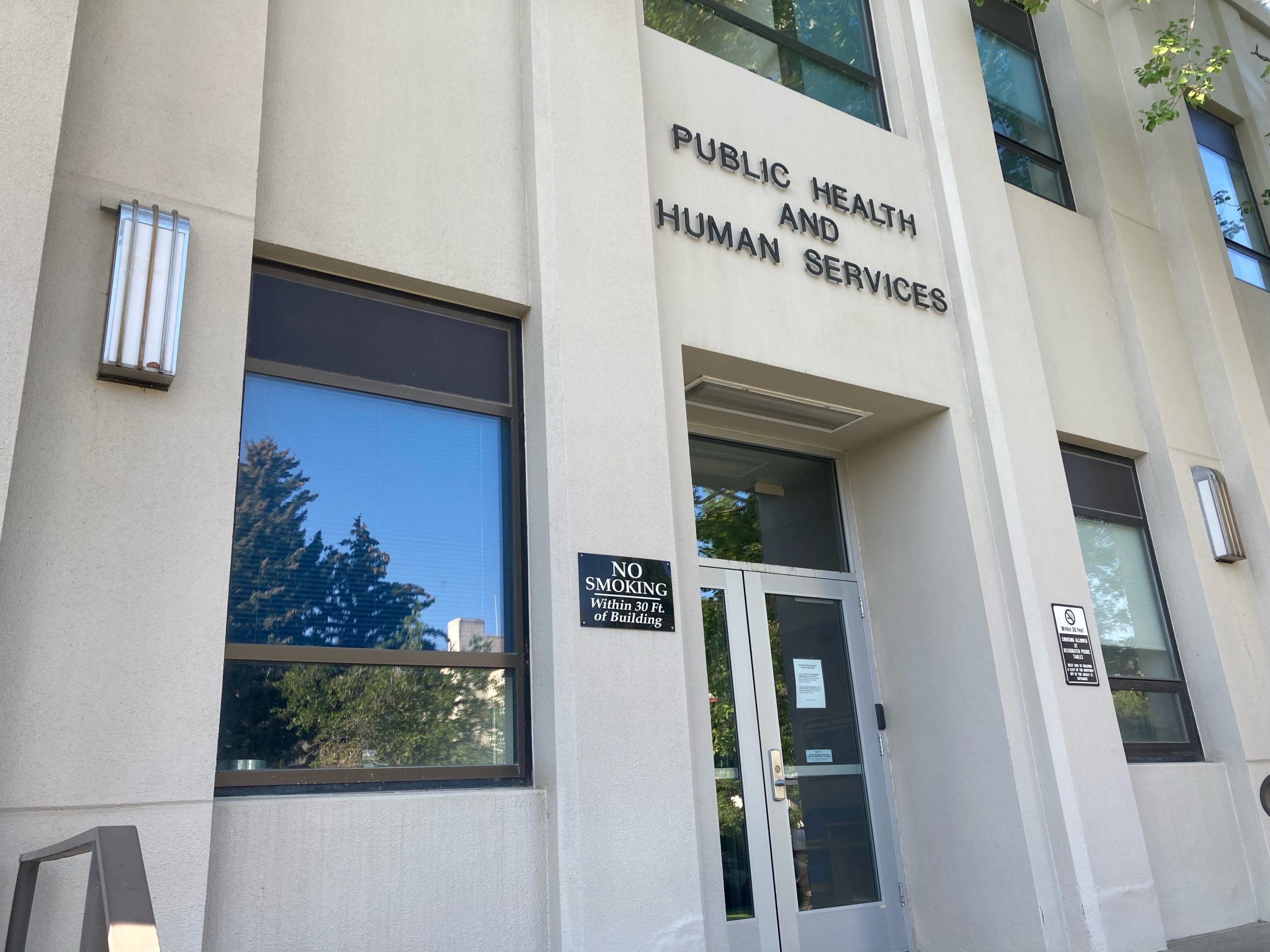
Jon Ebelt, communications director for the state’s DPHHS, provided a statement about the government shutdown and DPHHS-administered programs.
“Working with the Office of Budget and Program Planning, DPHHS has determined that it can continue operating federally funded programs for at least 30 days. DPHHS will continue operating programs, and federally funded staff will continue working.”
But what about once October ends? The last government shutdown, which took place during President Donald Trump’s first term in 2018, lasted for 35 days. Whether the state’s DPHHS has contingency plans in that event remains uncertain. Ebelt did not respond to a follow-up question asking about the department’s plans in that case before this newsletter’s publication.
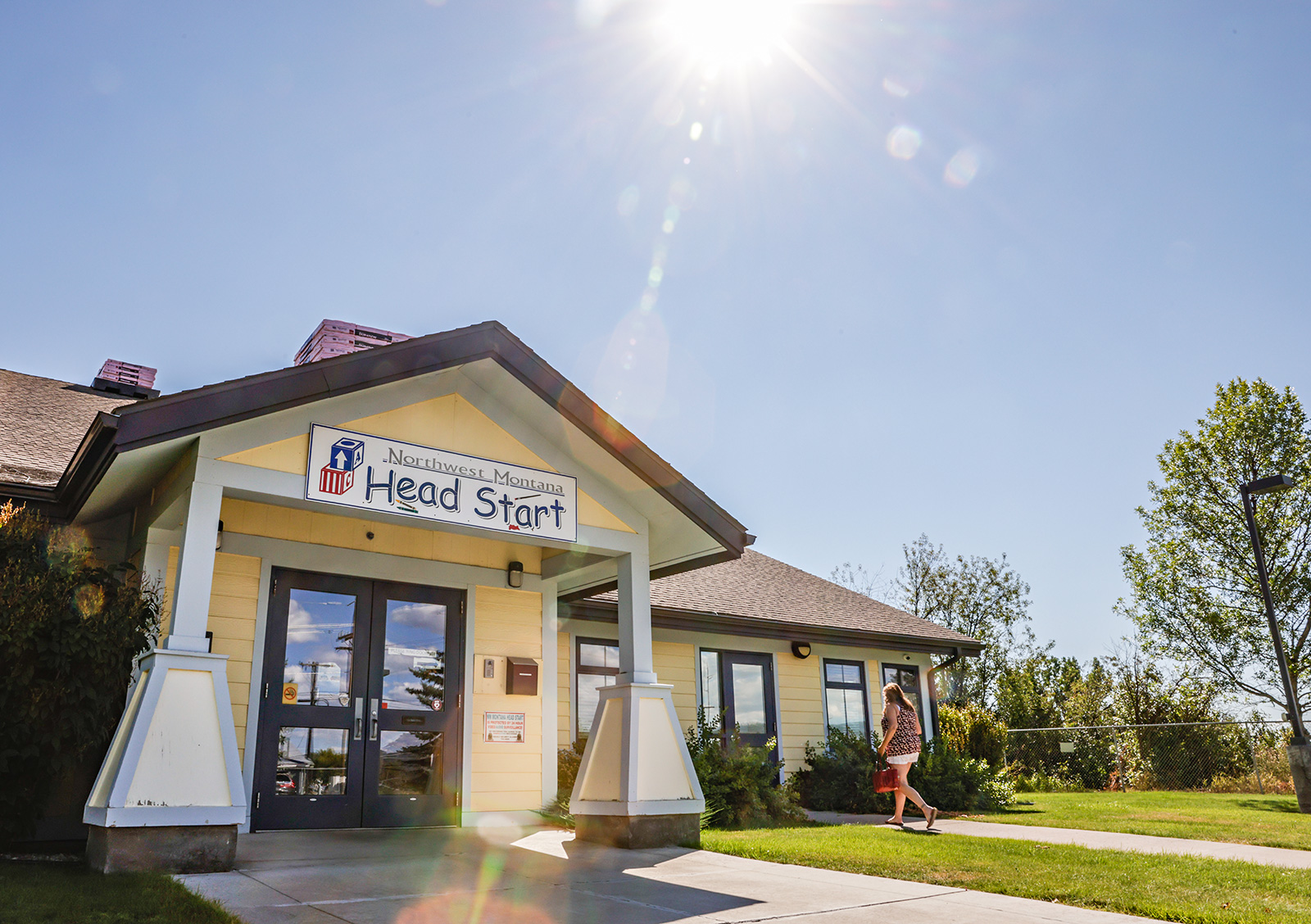
Head Start, a federally funded program that provides educational and other services for children aged 0 to five, is funded by federal grants. But Marcy Otten, the executive director of Northwest Montana Head Start, explained the program’s employees aren’t federal ones, and it isn’t run by a federal agency.
“We (Northwest Montana Head Start) should not see any effects from the shutdown, unless it lasts a really long time,” Otten wrote in an email. “There are a few Head Starts in the nation whose grant start date was October 1, and those agencies have been affected on some level due to lack of access to their funding.”
In the K-12 education realm, federal grants for students with disabilities and Title I funds, which are distributed to schools with low-income students, should be doled out as normal, per the U.S. Department of Education’s shutdown plan. But another vessel for school funding, called Impact Aid, is on pause.
Impact Aid payments go to school districts located on federal property. Because federal land is exempt from taxation, and school districts derive large parts of their budget from local property taxes, Impact Aid is the federal government’s way of making up for a loss of locally derived revenue.
In Flathead County, West Glacier Elementary is the lone district listed as receiving Impact Aid dollars. Courtney Eberhardy, the board chair for West Glacier, said the district received $24,053 in Impact Aid funding for the 2025 fiscal year. The shutdown prevents the processing of Impact Aid payments, she wrote in an email. In her understanding, the district will still have Impact Aid money doled out to it once the federal government reopens and can begin processing those payments again.
“At this point in time it should not have effect on our offerings or programming,” Eberhardy wrote in an email.
That’s a pretty quick recap of a lot of information — and there’s still a lot more about this government shutdown that merits unpacking. We’re following along here at the Beacon.
I’ve been wrapping my mind around the impact of the Affordable Care Act enhanced premium tax credits, and what it means that they’re hanging in the balance of this shutdown. Expect more from me on that later this week. And my colleague Maggie Dresser is chasing down information about what to expect from the airport during this shutdown.
Stay tuned. Now, onto the rest of the Daily Roundup.
On the Blackfeet Nation, Shield Keepers are Working to Reverse Historical Trauma
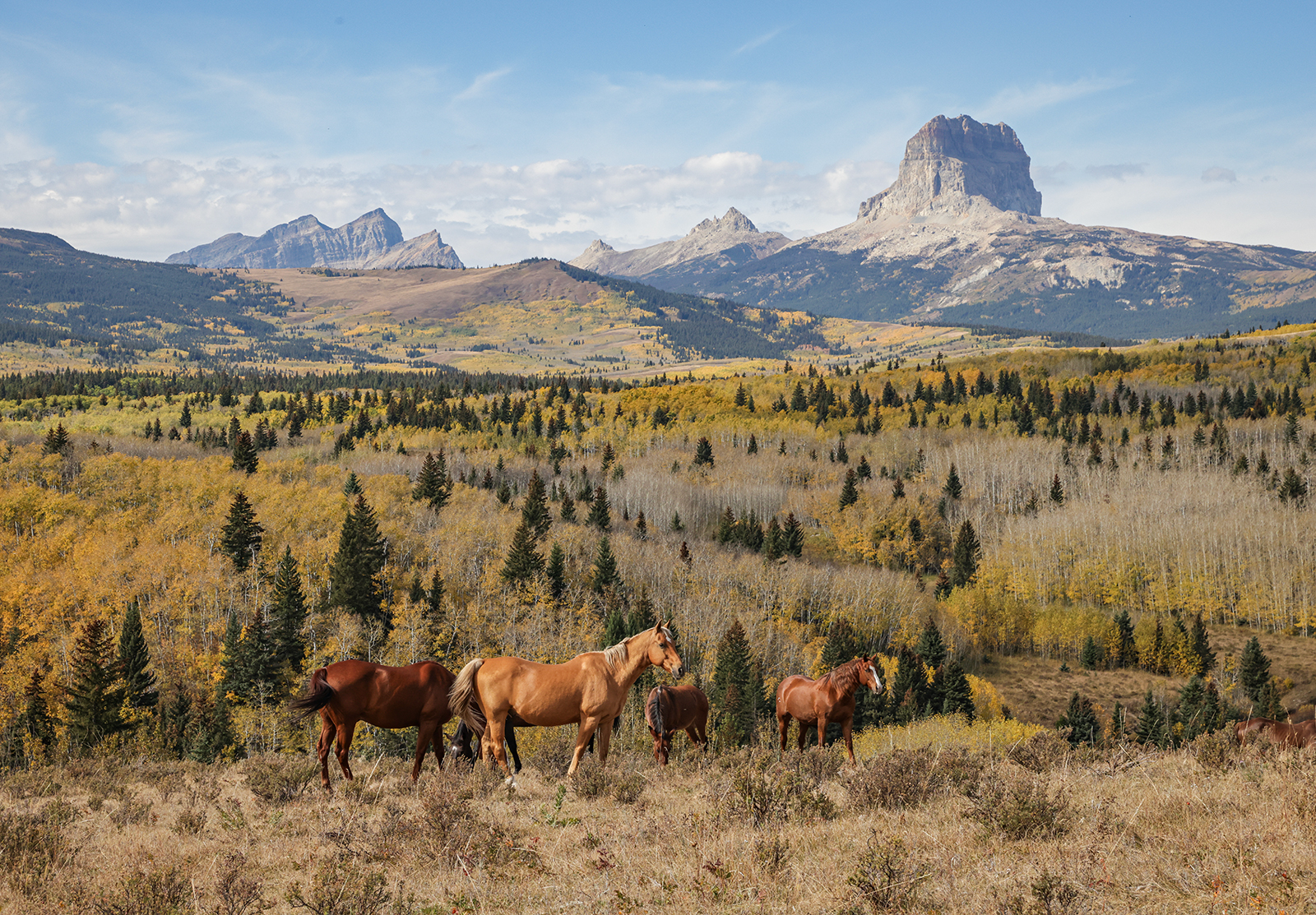
Since launching in 2021, Blackfeet Eco Knowledge has united elders and young interns to reconnect tribal members to their land and traditions while protecting sacred places like Chief Mountain
Glacier Park Reopens Entire Length of Going-to-the-Sun Road
A spate of winter weather closed the scenic highway’s alpine sections on Oct. 4, but officials announced Wednesday the road was open from West Glacier to St. Mary. Closures on the Highline Trail were also lifted.
Climate Advocates Launch Flathead Flood Awareness Campaign with Free Film Event
The nonprofit Climate Smart Glacier Country will host a free Oct. 23 screening of “One in Five Hundred,” a documentary about the 2022 Yellowstone flood. A panel discussion about flood readiness and lessons learned from the 1964 Flathead floods will follow.
Meet Amber! This 4-year-old red Alaskan Husky mix might be shy around new faces and take a little time to trust, but once she does, she’s an enthusiastic and sweet companion.
To find out more about Amber and other pet adoption opportunities at the Humane Society of Northwest Montana go to: www.humanesocietypets.com. To donate to the Humane Society of Northwest Montana, visit the organization’s donation page here.
Keeping you connected to Northwest Montana.
Whether you’ve been here for decades, or you’re new to the Flathead Valley, our reporting is here to help you feel smarter and in the loop about the issues most important to Northwest Montana. With your support, we can build a more engaged, informed community.