Greetings, Beacon Nation! I’m Tristan Scott bringing you the Monday edition of the Daily Roundup. In last week’s newsletter, I wrote about the history of the Confederated Salish and Kootenai Tribes’ (CSKT) Mack Days fishing derby, which helps keep Flathead Lake’s invasive lake trout population in check and is set to begin March 12.
But I failed to mention that one of the architects of that program, fisheries biologist Cindy Benson, along with three of her colleagues in the Tribes’ Natural Resources Department — Les Evarts, Barry Hansen and Art Soukkala — recently received prestigious statewide recognition for their century of collective leadership in fisheries and wildlife conservation.
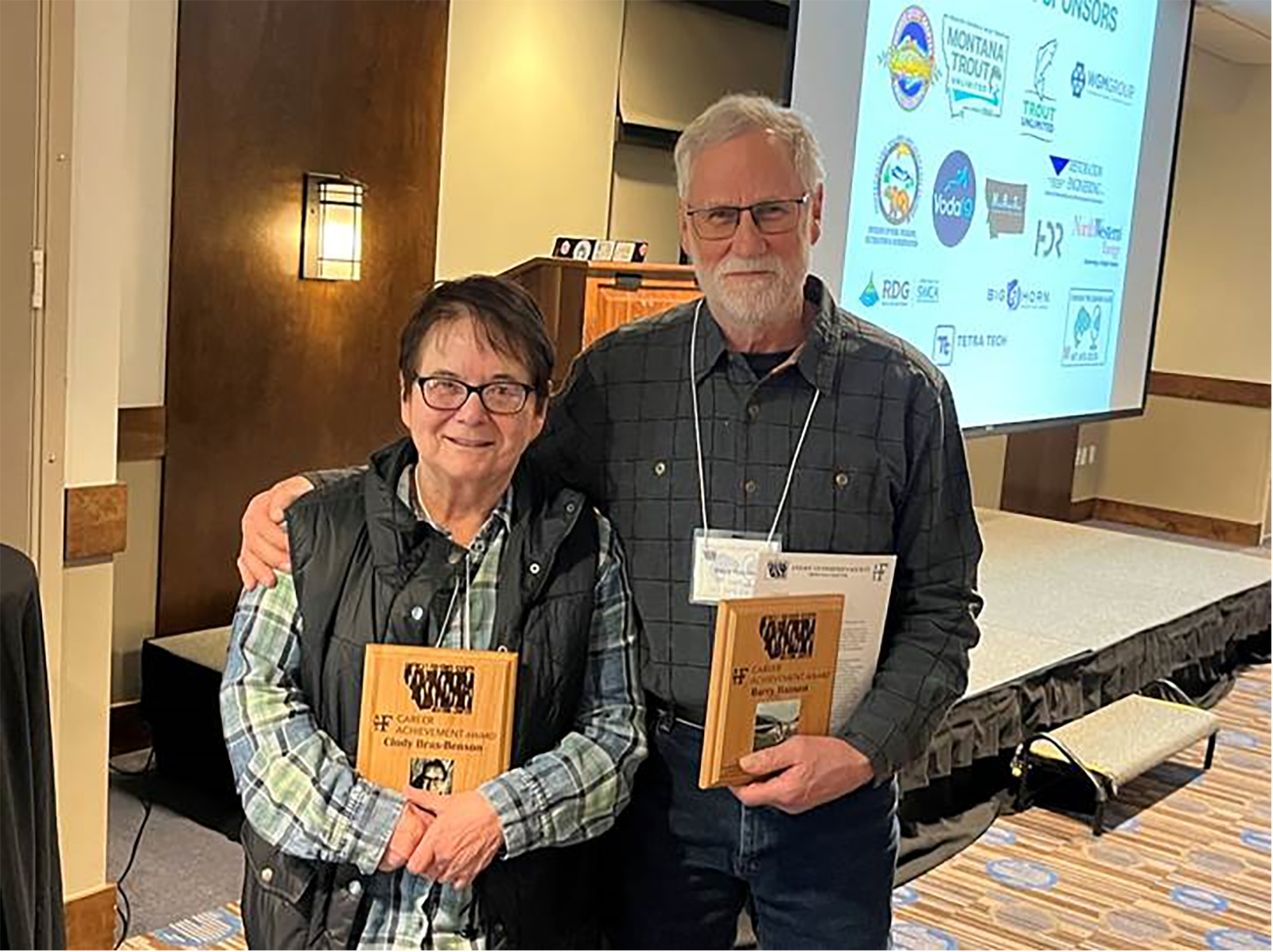
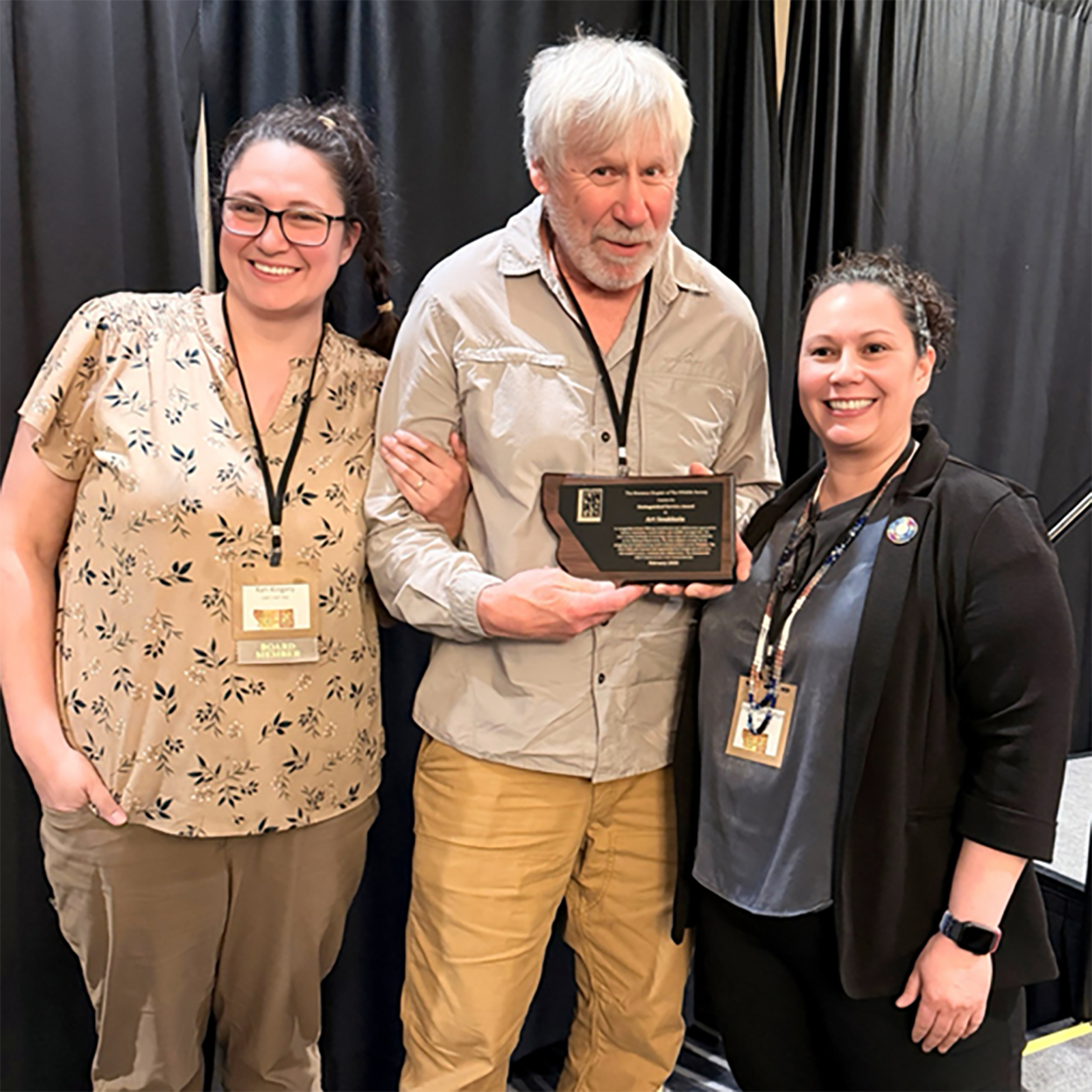
Benson, Evarts and Hansen were honored last month with the Montana chapter of the American Fisheries Society’s Career Achievement Award, while Soukkala received the Montana chapter of The Wildlife Society’s Distinguished Service Award.
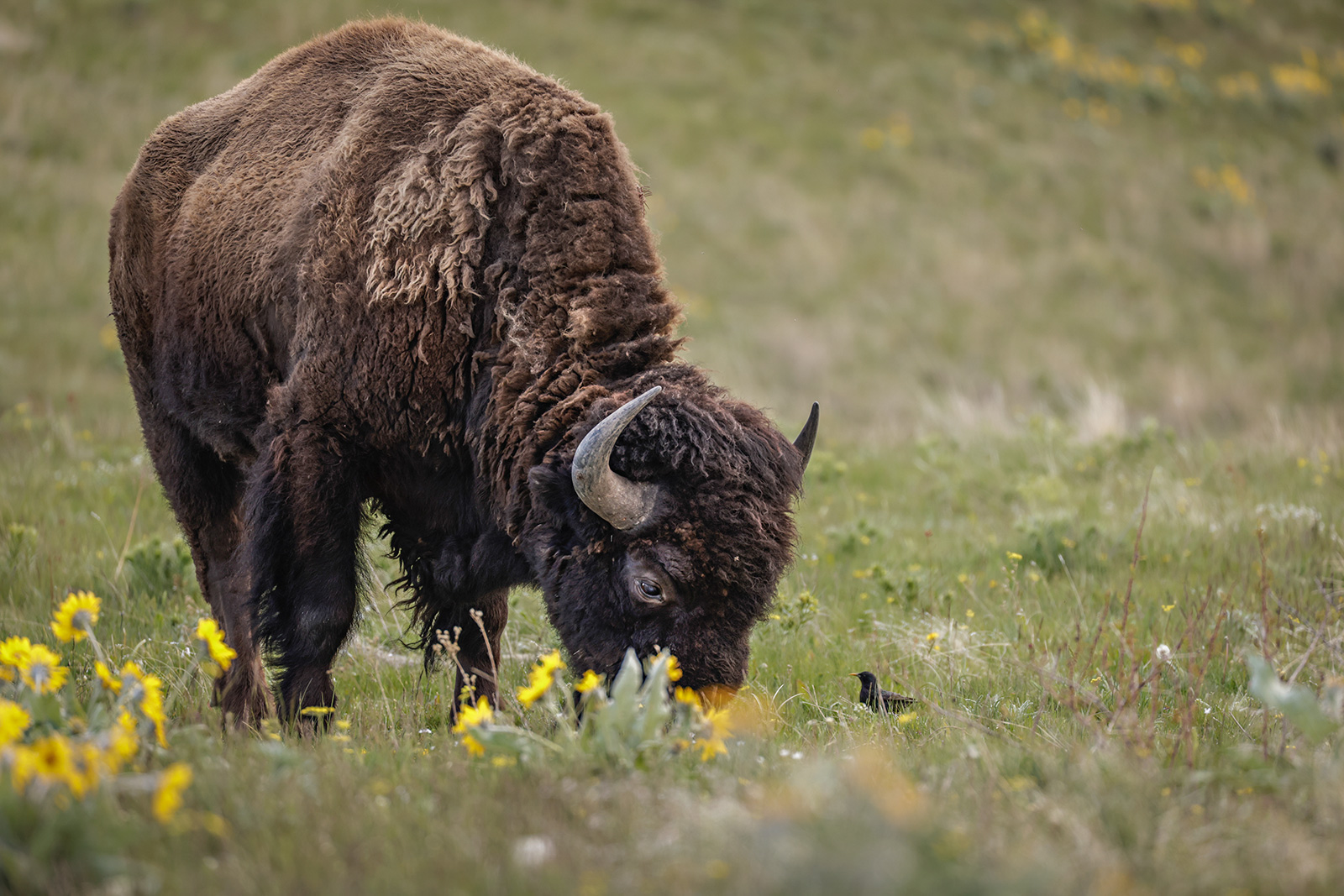
It’s another mark of distinction for the CSKT’s Natural Resource Department, which has a robust record of innovative management on the 1.25 million-acre Flathead Indian Reservation, employing a team of long-time biologists who have worked to restore and protect complex habitat supporting a diverse suite of wildlife species ranging from bison, bull trout, grizzly bears and bighorn sheep to leopard frogs and cattails.
CSKT’s conservation successes have helped frame its Natural Resource Department as a model of how to practice conservation on tribal lands not only within the bounds of the reservation, but beyond it, with cooperative efforts extending to state and federal management agencies.
“We are the top tribe in the nation for managing natural resources,” Rich Janssen, the director of CSKT’s Natural Resource Department, told the Beacon in 2019 after tribal leaders reignited a campaign to resume tribal ownership of the National Bison Range, an historic goal CSKT achieved in 2021.
Les Evarts began his career with CSKT in 1989 and served 26 years as Fisheries Program Manager. Over more than three decades, he led major aquatic restoration efforts, advanced bull trout recovery, and managed multimillion-dollar conservation projects with fiscal integrity and vision, according to a press release announcing the awards. His most enduring legacy is the restoration of the Jocko River, screening irrigation diversions, establishing instream flows, reconstructing channel form and function, and securing tribal ownership of critical riparian lands.
“Today, the Jocko River stands as one of the healthiest rivers flowing through an agricultural landscape in Montana,” the news release states.
Barry Hansen (pictured below) has dedicated nearly 40 years to aquatic resource conservation, including more than 35 years with CSKT. His work spans instream flow protection, forestry and riparian restoration, shoreline management, and innovative habitat design on Flathead Lake. Hansen played a key leadership role in the Flathead Lake and River co-management planning process and helped guide long-term efforts to restore balance between introduced Lake Trout and native fish populations.
Cindy Benson (pictured above alongside Hansen) joined the Tribal Fisheries Program later in her career and quickly became central to its success. Beginning as a creel clerk on Flathead Lake, she began directing the Mack Days fishing contests beginning in 2002. Under her leadership, the program grew to hundreds of participants and resulted in nearly 1 million Lake Trout removed from Flathead Lake in support of native fish conservation. Benson also manages the Native Fish Keepers, Inc. processing facility, maintaining strict production and food safety standards while serving as a public ambassador for fisheries conservation across the region.
Distinguished Service in Wildlife Conservation
Art Soukkala (pictured below) was recognized for more than 45 years of dedication to habitat restoration and wildlife management. Since joining the CSKT Wildlife Management Program in 1991, Soukkala has helped reintroduce peregrine falcons and northern leopard frogs, addressed carnivore conservation and hydropower mitigation, and led acquisition and restoration of thousands of acres of prairie, shrubland, woodland, and wetland habitats.
“Together, these four professionals represent more than a century of combined service to the lands, waters, wildlife, and people of the Flathead Reservation,” the release states. “Their recognition reflects not only individual excellence, but also the Tribes’ enduring commitment to science-based stewardship and conservation grounded in Tribal values.”
Northwest Montana Reaches Snowpack Deficit as Near to Below Normal Spring Runoff is Forecast
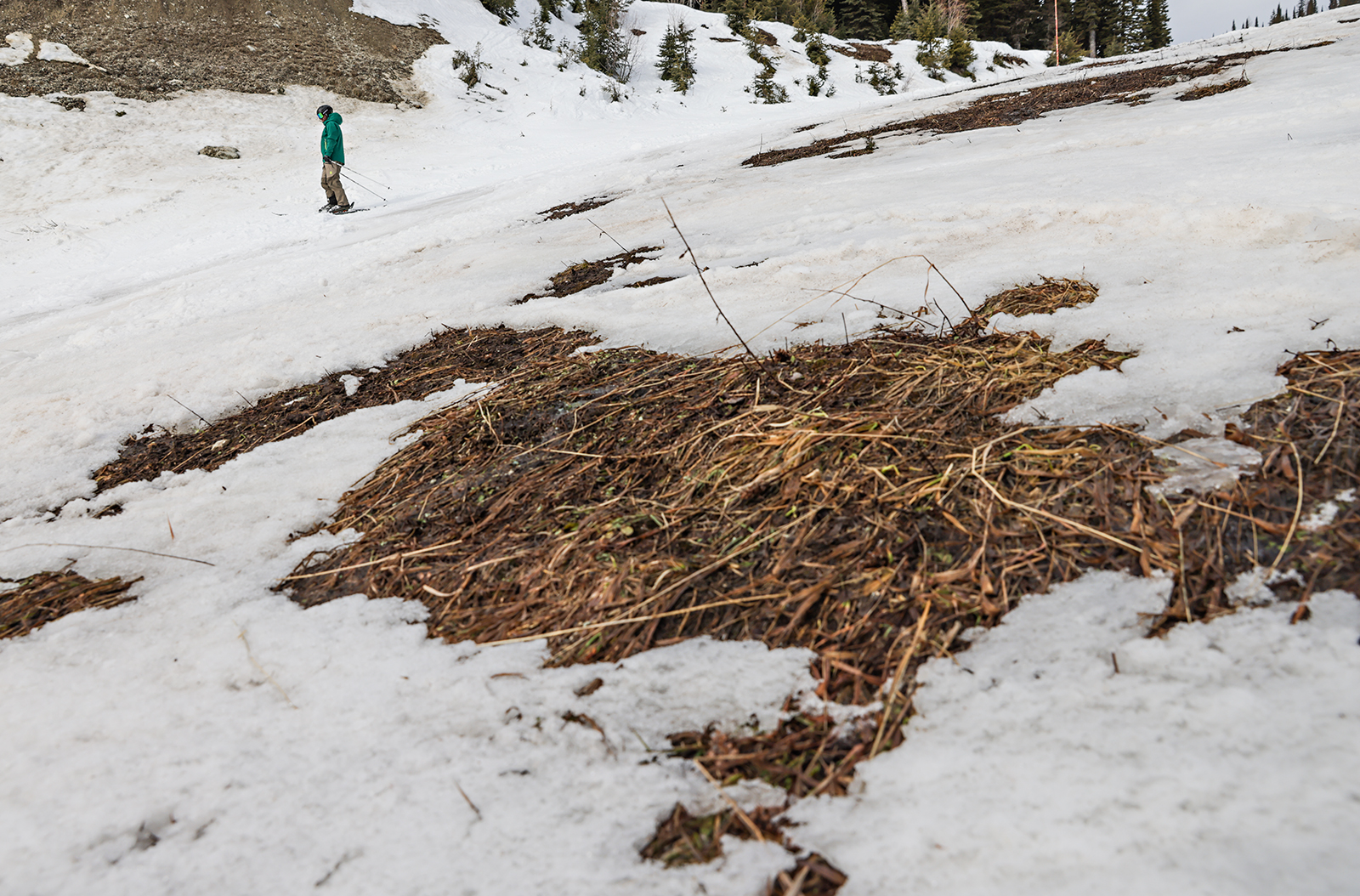
Warm and dry trends are continuing across the Northern Rockies as snow water equivalent (SWE) levels hover around 85% in the Flathead, Kootenai and Sun-Teton-Marias river basins while drought conditions have expanded to 95% of the state
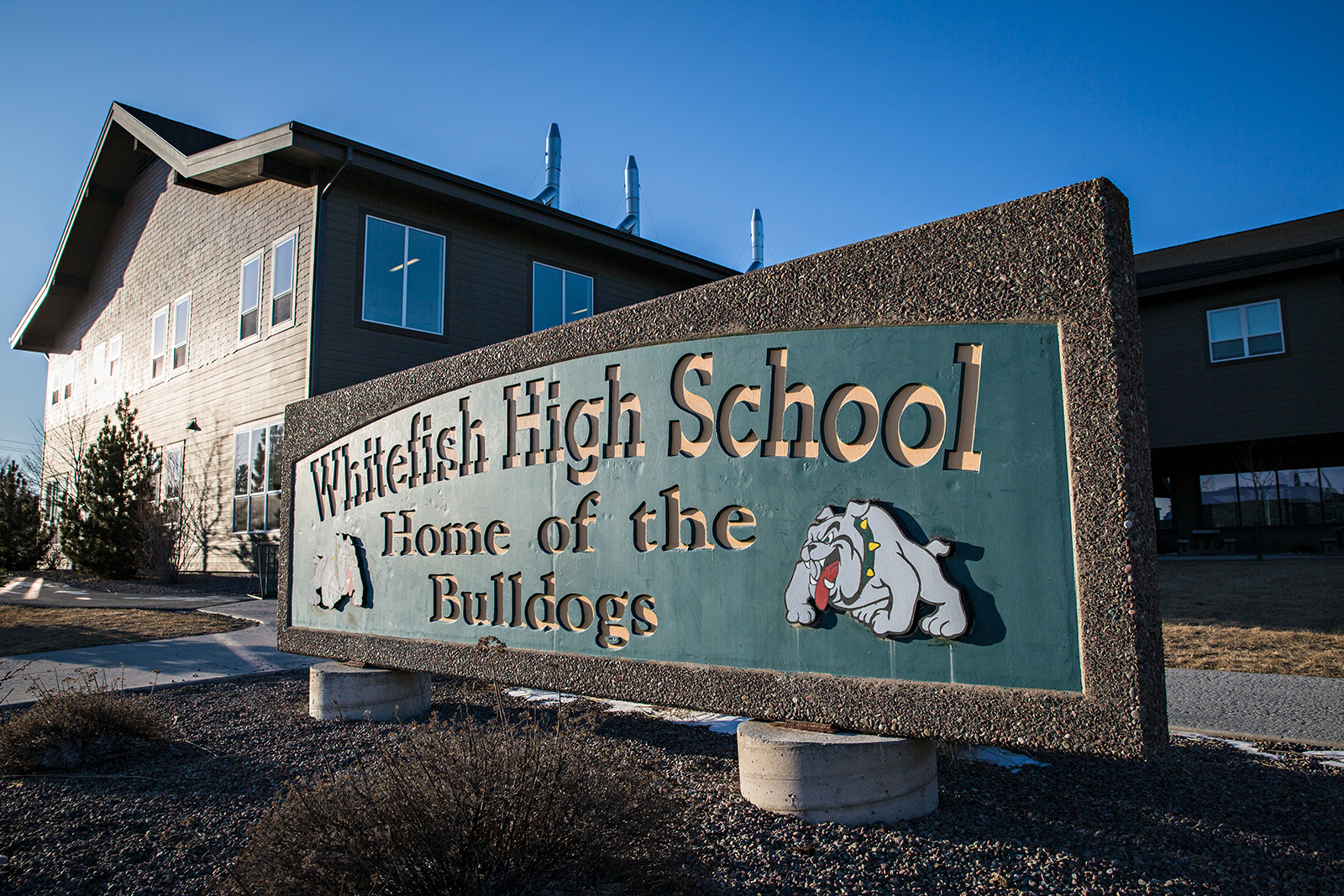
Whitefish School Board Offers Superintendent Position to Michigan Educator
Jennifer Fee’s selection is not yet finalized as the district waits for final background checks and goes through contract negotiations. She was offered the role from a bench of three finalists, the other two of which had Flathead roots.
Flathead County Approves West Glacier ‘Work Camp’ for Seasonal Staff
A travel and lodging company with business interests spread across West Glacier plans to build cabins and dormitories to house 137 workers during peak tourism season
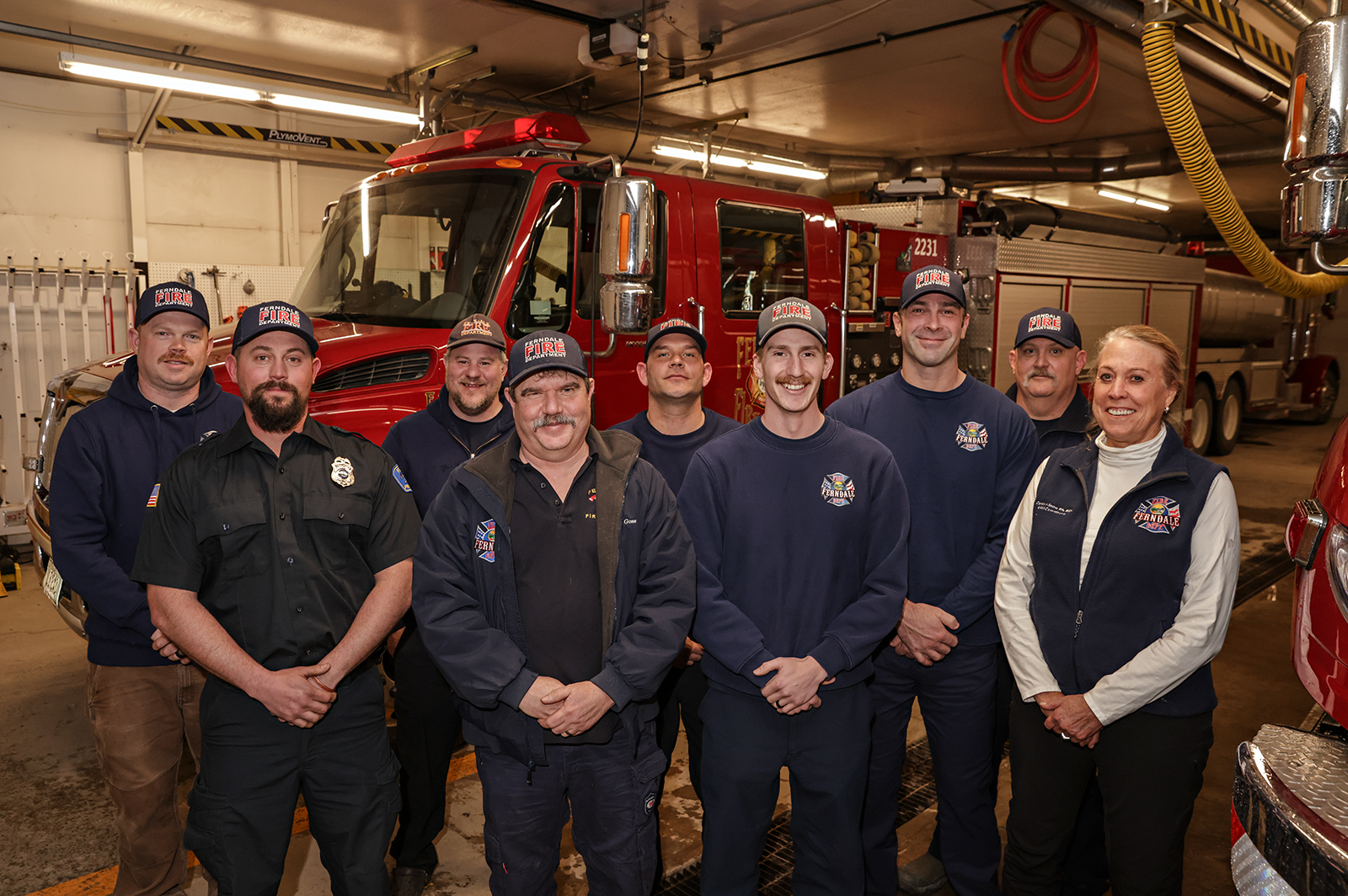
Ferndale Volunteer Fire Department Forms a QRU, Filling a ‘Desperate Community Need’
The volunteer firefighters could previously only respond to a limited number of medical calls. With the Qualified Response Unit formed, many of the rural volunteer firefighters are now certified as first responders.
Whether you’ve been here for decades, or you’re new to the Flathead Valley, our reporting is here to help you feel smarter and in the loop about the issues most important to Northwest Montana. With your support, we can build a more engaged, informed community.