Greetings, Beacon Nation. I’m Tristan Scott here to kick off your week in news with this Monday edition of the Daily Roundup, which includes an important update on the years-long effort to examine the effects of Canadian mining pollutants on the Elk-Kootenai/y River watershed.
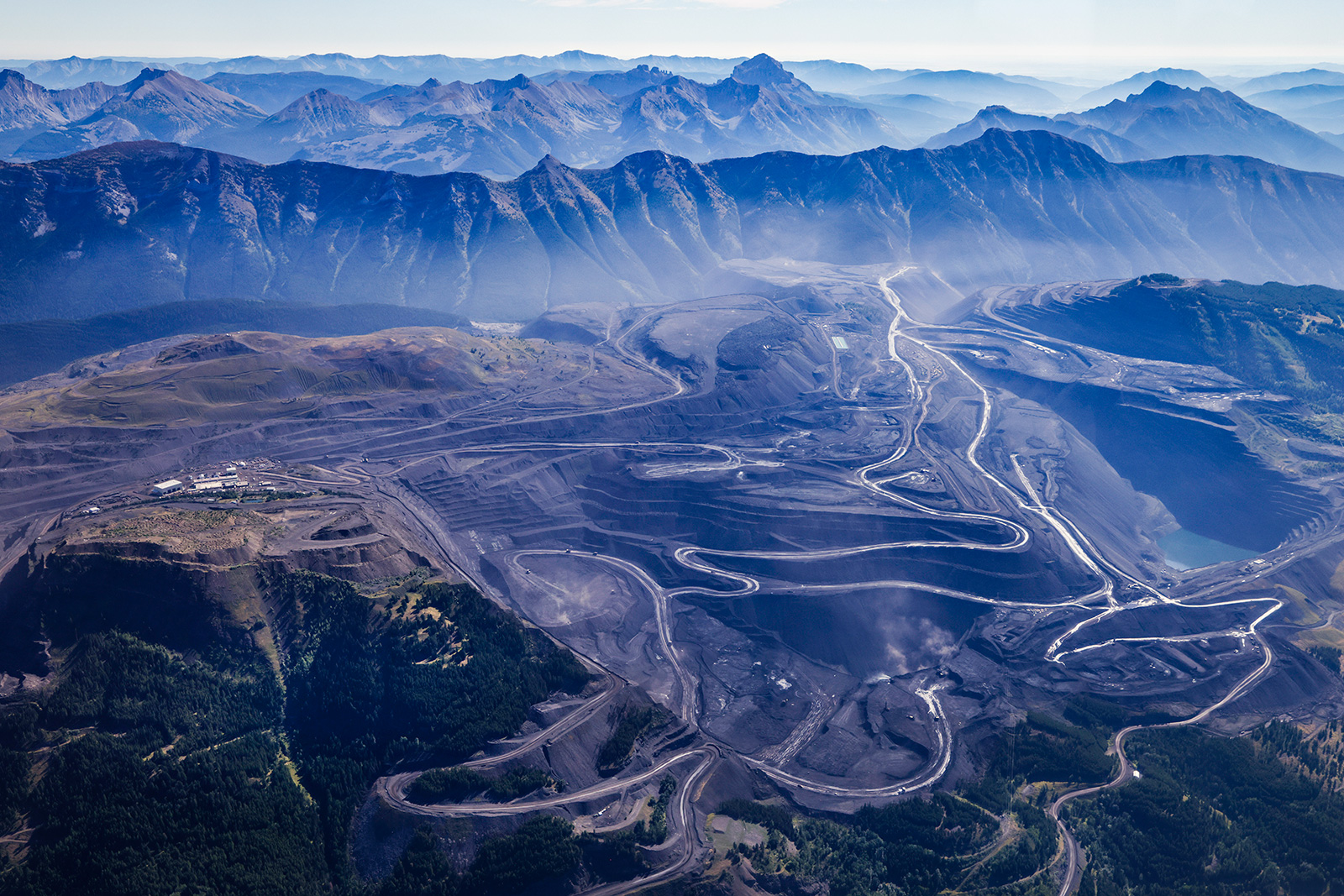
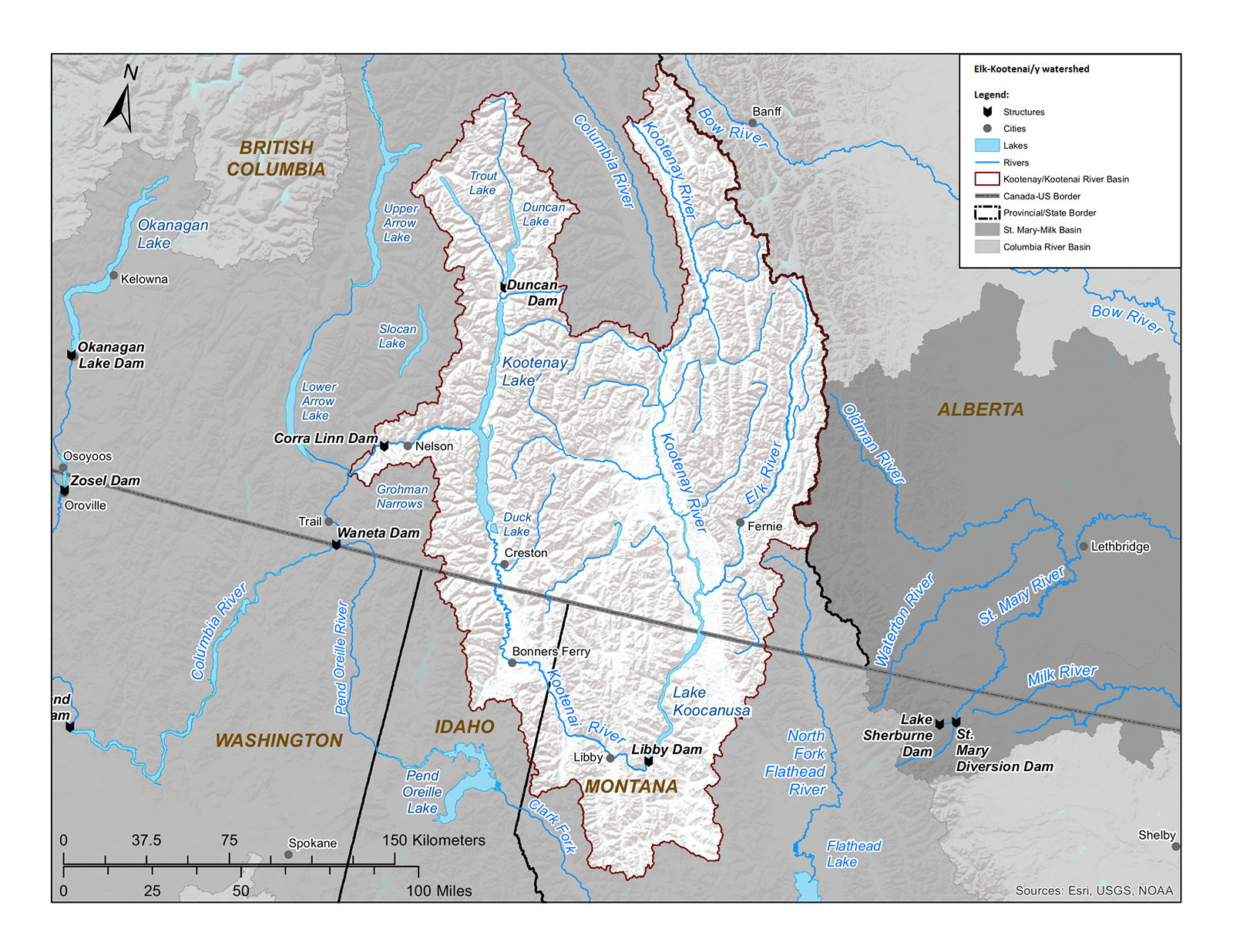
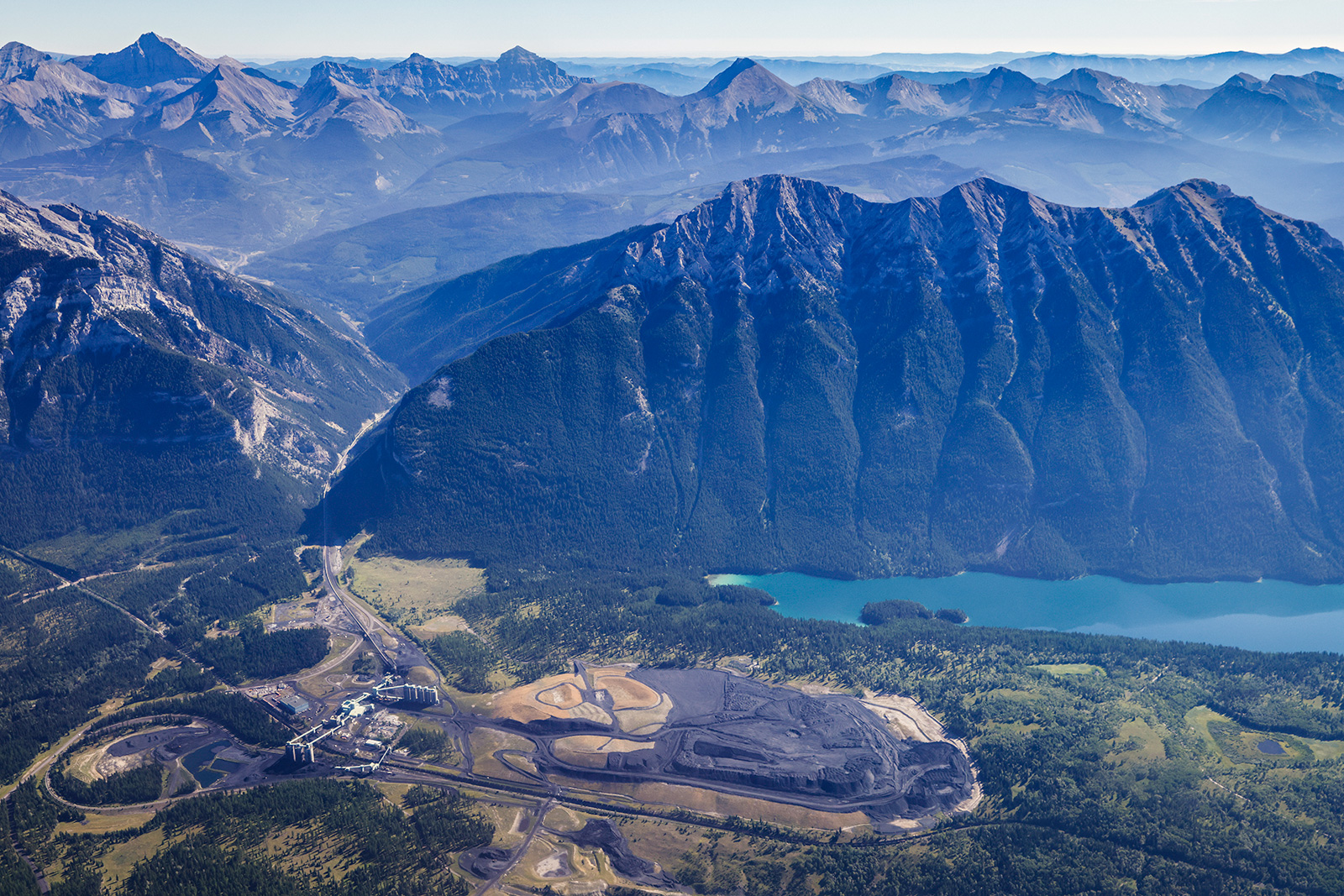
Regional spelling variants aside — it’s spelled “Kootenai” in Montana and Idaho, and “Kootenay” in British Columbia — the transboundary watershed doesn’t recognize international borders, nor do the mining pollutants leaching out of coal mines in the Canadian Rockies and migrating into Montana and Idaho. Because B.C.’s Elk and Kootenay Rivers merge with Lake Koocanusa and the Kootenai River in Montana, the resettlement of toxins such as selenium throughout the sprawling binational watershed in September 2024 commanded the attention of the International Joint Commission (IJC), galvanizing state, federal and tribal governments as they call for more regulatory transparency and a higher degree of scrutiny on coal mines that have operated in B.C.’s Elk River Valley for more than a century.
As it enters its final months of work before its Dec. 9 deadline, an IJC-appointed study board is preparing to release a draft Final Report on Sept. 30, opening a public comment period that will run through Oct. 16. The study board has spent nearly two years compiling and analyzing existing data on water pollution in the Elk-Kootenai watershed and its effects on people, wildlife and the broader ecosystem.
The study board’s creation traces back to March 2024, when the governments of Canada and the United States, working in partnership with the Ktunaxa Nation, formally asked the IJC to appoint an independent board to review the wealth of data, knowledge and information already gathered on pollution in the watershed. That request — known as a “Reference” — was the first in the IJC’s 115-year history to be developed jointly with an Indigenous Nation. The watershed lies within ʔamakʔis Ktunaxa, the traditional territory of the Ktunaxa Nation, and crosses the Canada-U.S. border, touching British Columbia, Montana, Idaho, and six Ktunaxa communities, including the Kootenai Tribe of Idaho and the Confederated Salish and Kootenai Tribes (CSKT).
Rather than launching new research, the study board’s core task has been to analyze and synthesize decades’ worth of existing data collected by governments, researchers, industry and communities — information that has historically been scattered and disconnected.
To manage the scope of that data, the study board convened four Technical Working Groups, each staffed by subject-matter experts, to review the available data and identify what is — and isn’t — known about pollution’s effects on ʔa·kxamis qapi qapsin, or “all living things,” in the watershed. The groups are examining water quality status and trends; ecosystem health and cumulative effects; impacts to human health and well-being; and mitigation.
“We understand that this isn’t simply an academic exercise,” said Tom Bansak, the study board’s U.S. co-chair who is better known locally as the associate director of the Flathead Lake Bio Station. “For communities in the watershed, including Indigenous Nations and rural towns that rely on the watershed for drinking water, food, cultural uses, recreation, and livelihoods, the stakes are high. The legacy of our work will be the amalgamation and interpretation of the data in the watershed to form a picture of where the issues are and their downstream effects.”
The study board has been clear that its goal is not to resolve the watershed’s pollution issues outright, but to build a consolidated, evidence-based body of knowledge that the governments with jurisdiction can act on. Its findings and recommendations will go to the IJC, which will use them to advise the U.S. and Canadian governments on next steps.
Alongside the study board, the 11 governments named in the original reference established a separate governance body in 2024, which is intended to be a collaborative forum for more timely action on pollution reduction and mitigation in the watershed. Once the study board’s final report is complete, the governance body will review its findings and develop an action plan.
“Trust in shared information and data is essential to developing a plan to mitigate the impacts of pollution in the watershed,” Oliver Brandes, the study board’s Canadian co-chair, said. “It is critical for effective cross-border governance.”
Dates and locations for public meetings, to be held both in person and virtually, will be announced in the coming weeks; the board says it is eager to meet with the public again this fall to gather feedback on its major findings and recommendations, building on the extensive input it has already received throughout the process.
“Our work is about connecting knowledge across borders, disciplines and worldviews,” said Clayton Matt, a study board member representing CSKT. “The work we are doing today will help everyone in the watershed better understand how pollution is shaping the future of this shared river system.”
Once public comments are gathered and considered, the study board will finalize its report and deliver it, along with its recommendations, to the IJC in December. Updates on the study board’s activities and upcoming public consultations are available at www.ijc.org/ekwsb.
Flathead County Republicans Primed for New Leadership
With a county convention to elect new standard bearers in the local Republican Party set for Sept. 17, questions about how to conduct that convention remain
Haskill Basin Watershed Council Advocates for Stricter Protections in Whitefish City Water Plan
The water plan, which is set to go before the city council on Monday, will need adjustments in order to effectively protect Second and Third Creeks from dewatering brought on by the city, the group stated in a nearly 30-page report.
Cross-border Coalition Ramps Up Pressure for Independent Review of B.C. Mine Expansion
Tribal governments and environmental groups in Montana and British Columbia say Canadian regulators cannot be trusted to impartially judge the proposal
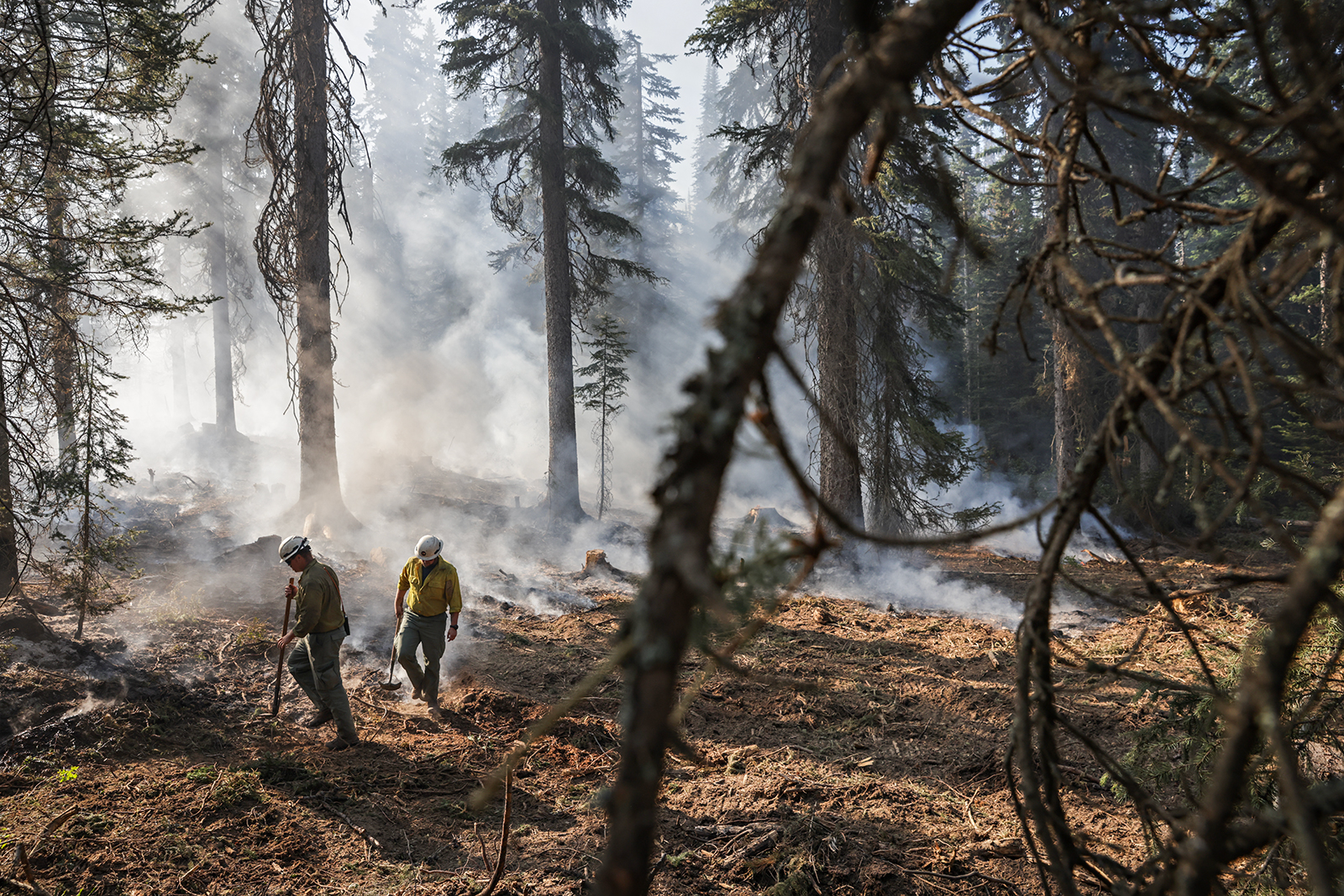
Great Basin Incident Team 7 to Transition Out of Skillet Fire
Starting Monday, the Great Basin Incident Management Team 7 will begin the transition process with the local Type 3 team as the fire’s containment reaches 75%
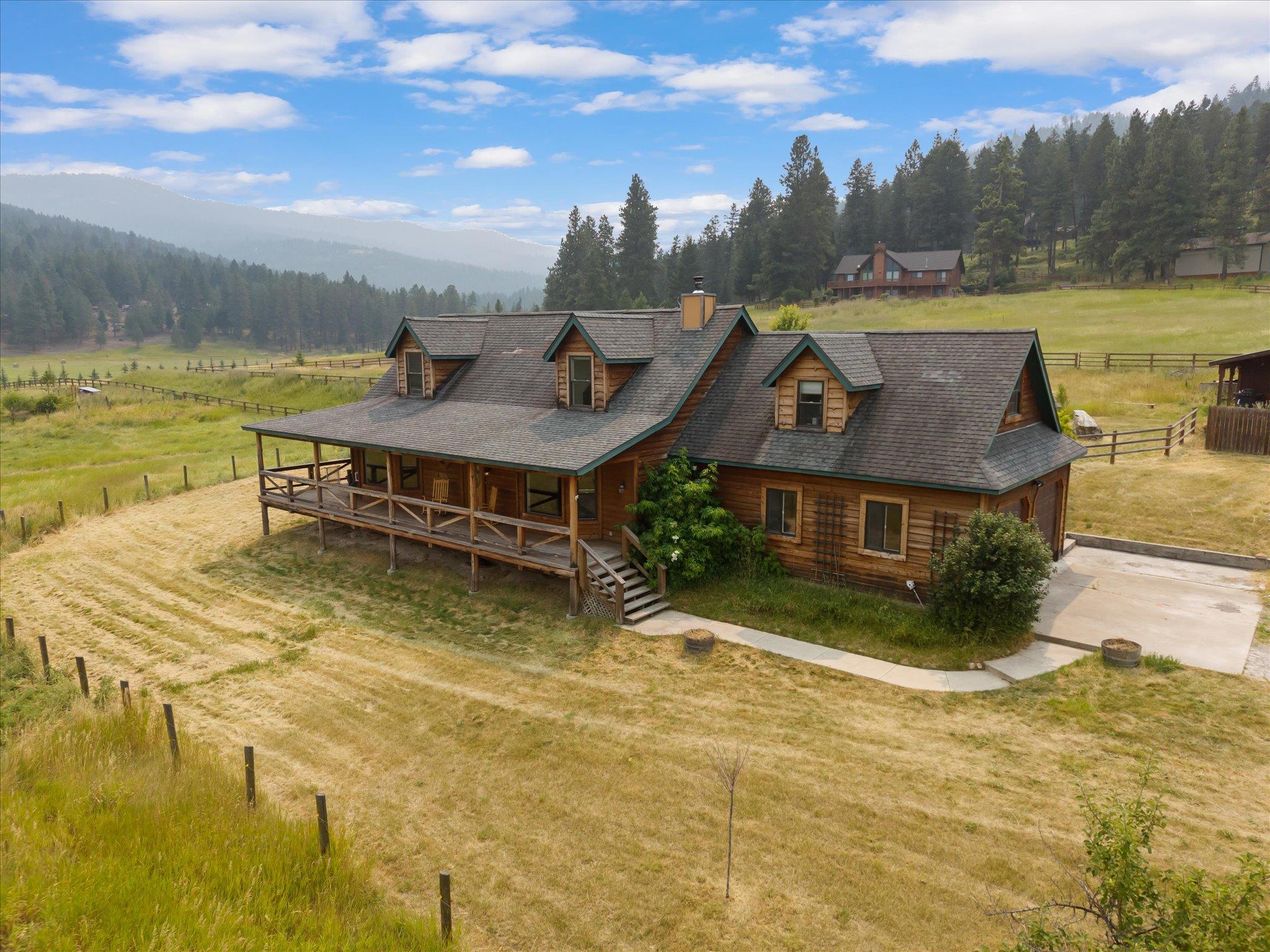
A guest-cabin retreat on nearly 3 acres in Kalispell; a secluded cabin bordering national forest in Coram; and a two-home property near Flathead Lake in Somers
Whether you’ve been here for decades, or you’re new to the Flathead Valley, our reporting is here to help you feel smarter and in the loop about the issues most important to Northwest Montana. With your support, we can build a more engaged, informed community.