Happy Monday Beacon readers! Mariah Thomas here, bringing you today’s Daily Roundup as I’m still reflecting on the president’s visit here in the Flathead Valley and the fact that, suddenly, Election Day is right around the corner. Time has flown this fall.
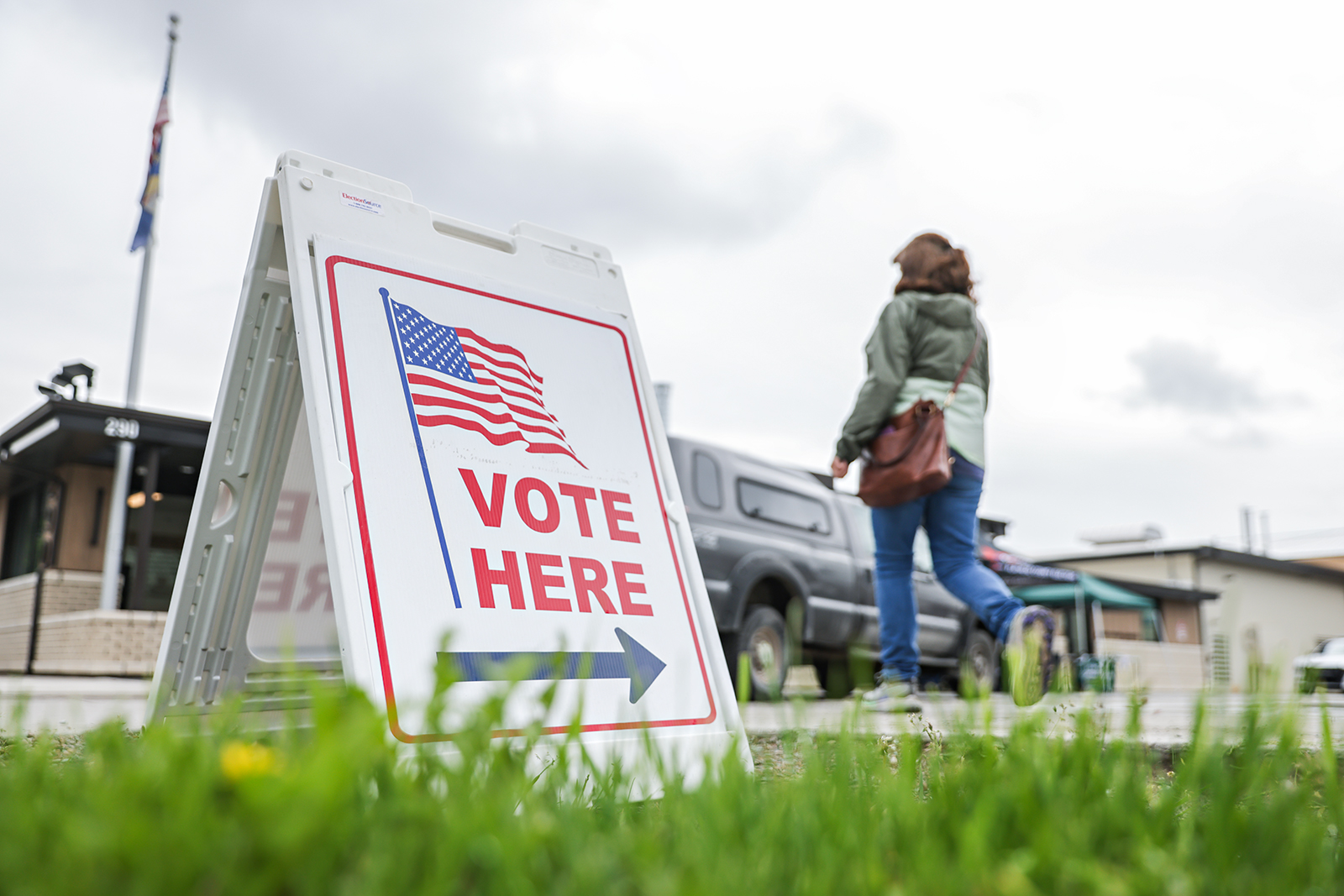
As Election Day hurtles toward us — it’s in a mere 15 days — the Beacon is here as your one-stop shop for a guide to the ballot in northwestern Montana.
On Friday, we officially published our 2026 Election Guide, linked here, at the bottom of this newsletter and in the “Editor’s Picks” section of our website, where it will live throughout the rest of the election cycle.
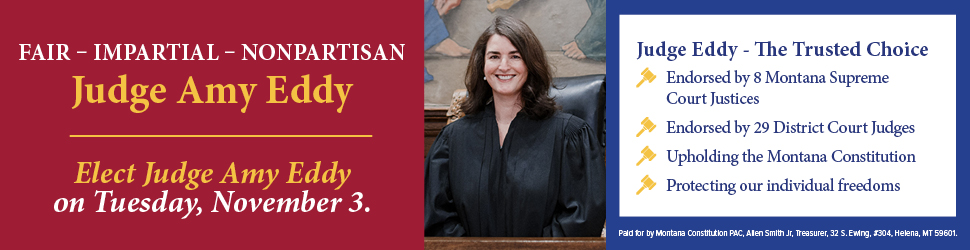
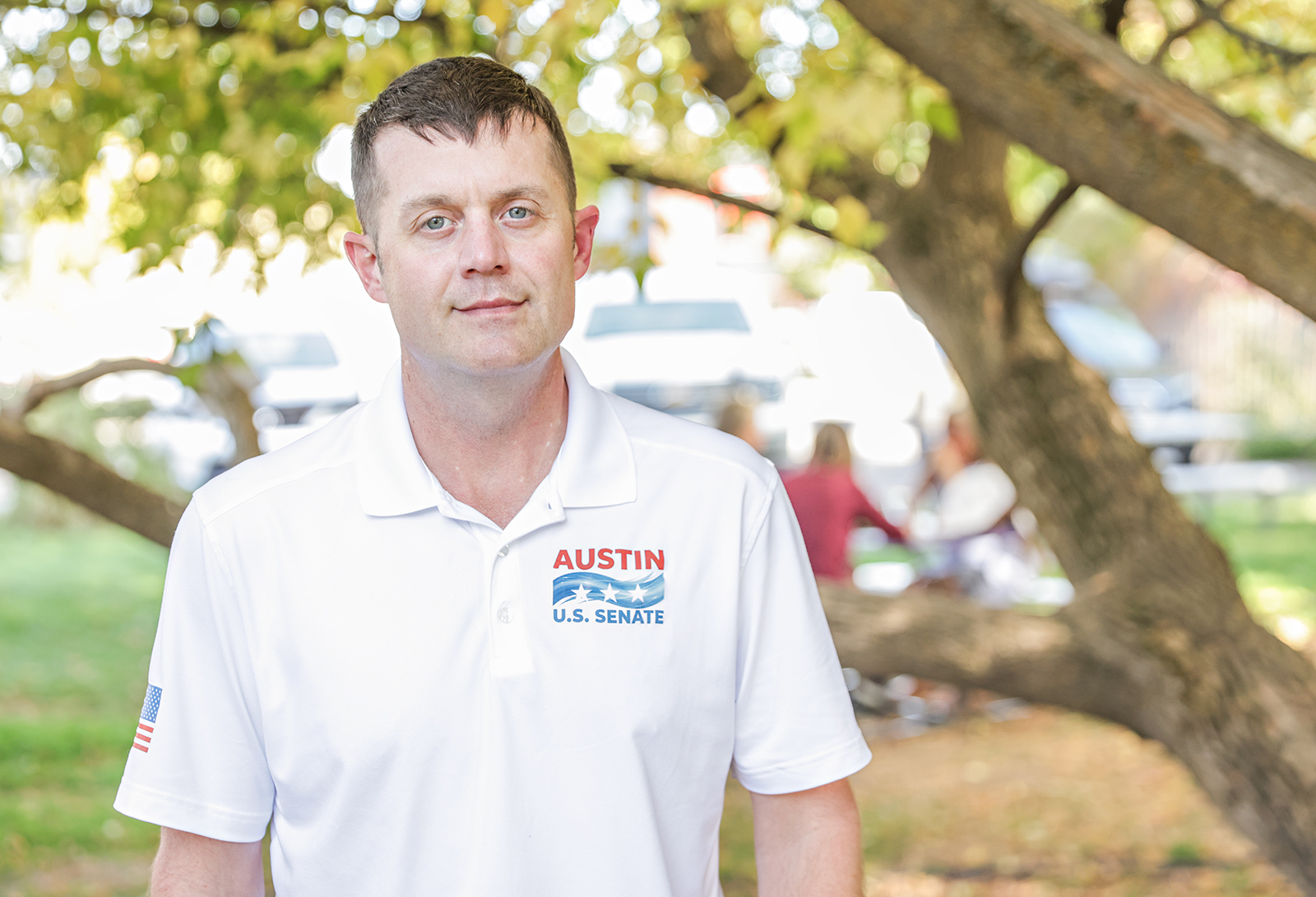
The guide features the Beacon’s coverage on the U.S. Senate and House races, the Montana Supreme Court race, the trio of ballot issues voters will decide on this fall, along with stories about the state House and Senate races happening right here in our backyard. We’ll be updating it regularly as more election stories keep rolling out through Nov. 3.
As the Beacon’s resident state politics reporter, I’d be remiss if I didn’t offer a sincere thank you to every candidate who has given us their time and talked with us amid this incredibly busy season. I’m also incredibly grateful to the rest of our staff here — Zoë Buhrmaster, Maggie Dresser, Lauren Frick, Jules Lingenfelter, Tristan Scott and, of course, photographer Hunter D’Antuono — for lending helping hands so we could give comprehensive coverage to every race in the area.
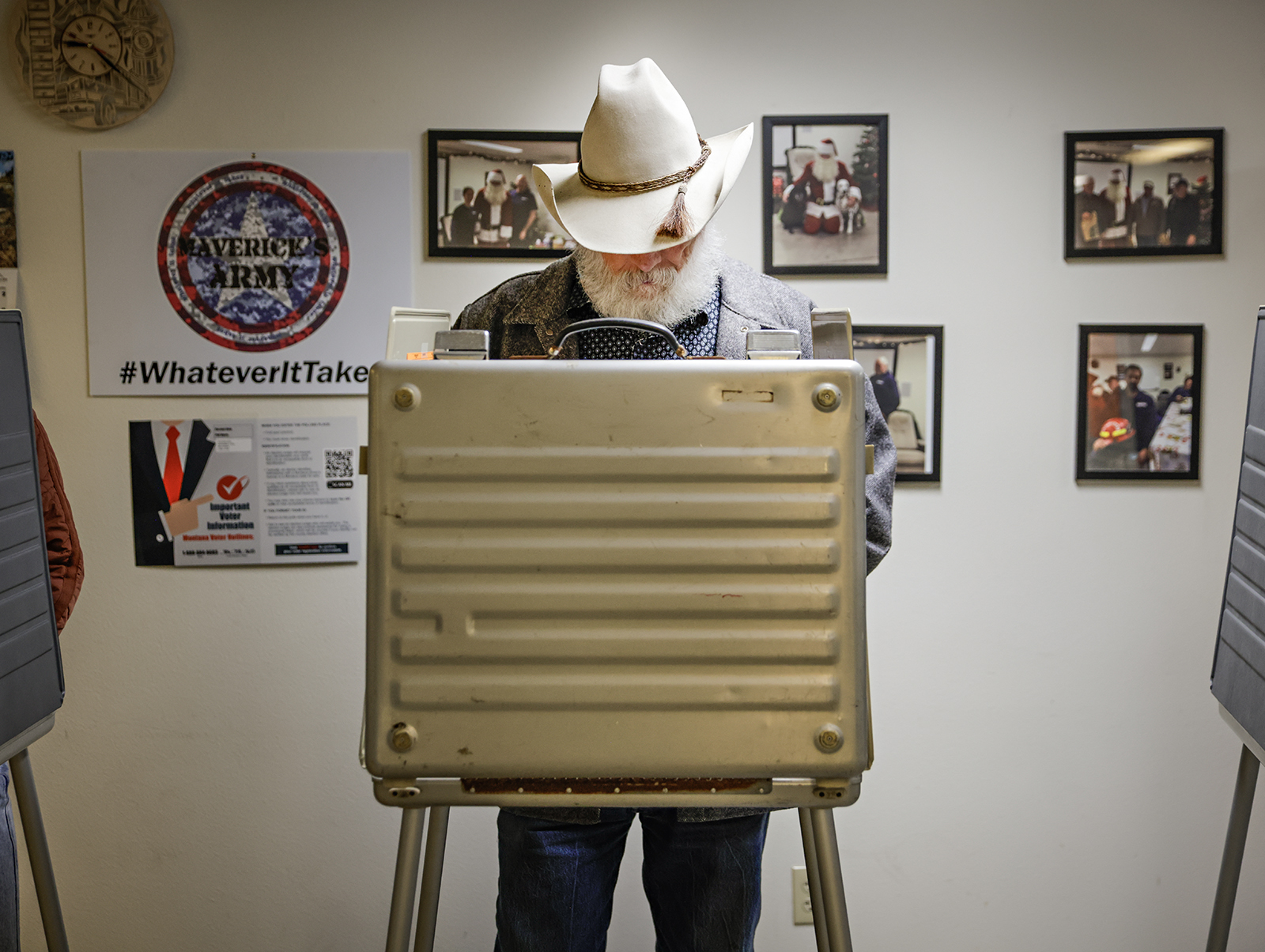
And for our readers, I hope you’ll use this guide as a resource to help you make informed choices about the candidates and issues you see on your ballots this fall. You can check your voter registration status, track your ballot and find your legislative district at VoteMT.gov.
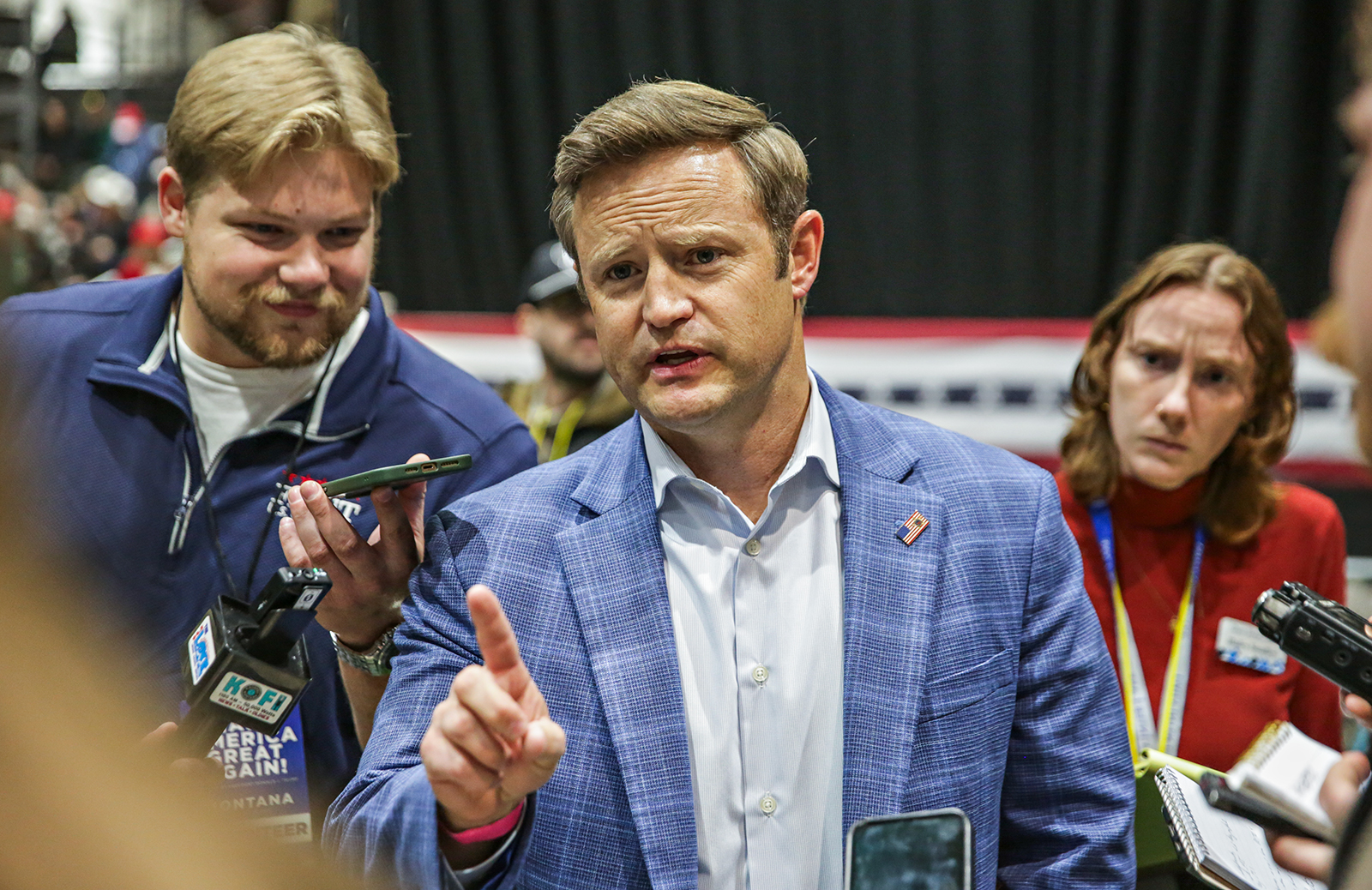
Speaking of voting this fall, I feel like I’ve spent a good chunk of these past couple weeks chasing around candidates. Last week, my world collided more than once with that of Republican Aaron Flint (pictured above), who’s running for the U.S. House. Of course, I was at President Donald Trump’s Kalispell rally, where the commander-in-chief told a crowd of thousands to turn out and vote for Flint and his Republican counterpart running for the U.S. Senate, Kurt Alme.
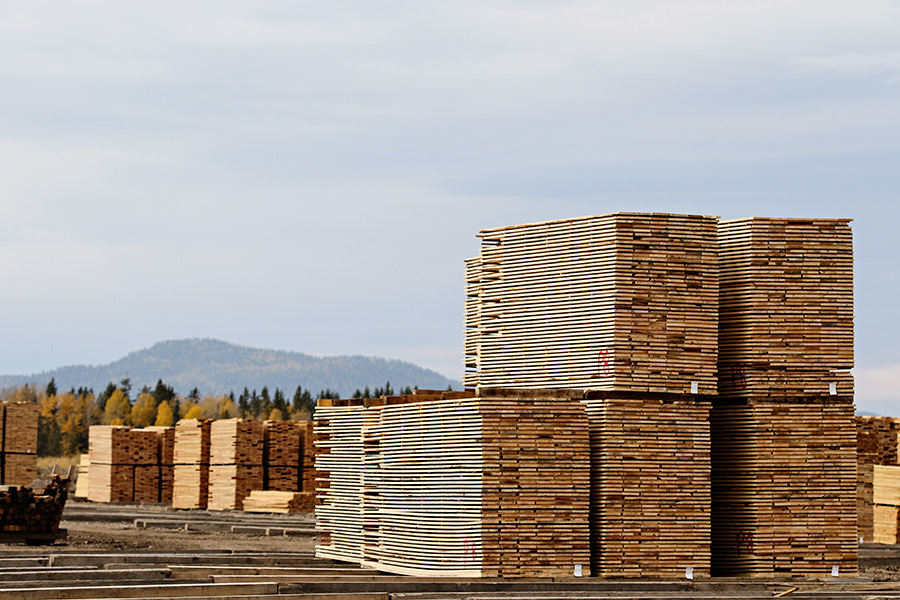
But I got to catch Flint in action again on Friday as the candidate participated in a roundtable discussion at F.H. Stoltze Land & Lumber Co., located right here in Columbia Falls. Also present was Idaho U.S. Rep. Mike Simpson, who serves as chairman of the House Appropriations Subcommittee on Interior, Environment, and Related Agencies, and several staff members at Stoltze.
Flint, who is running on the campaign motto to “make Montana affordable again,” has pointed to revitalizing the timber industry as part of his pitch to improve the cost-of-living, tying it in with a broader point about the need to invest in trades education.
In the Flathead Valley, the timber industry was once a mainstay with more than nine sawmills operating in the area 60 years ago. Today, Stoltze is one of only two sawmills remaining in the Flathead Valley. And both Flint and his Democratic opponent Sam Forstag have lamented the loss of jobs that came with between 30 and 40 sawmills closing across western Montana over the past few decades.
“I was talking with Ryan Zinke the other day … and Ryan was saying how back in the day, Libby just used to smoke Whitefish (in football) because all these kids were logging. You know that was their part-time jobs, and that was the work they did all summer long and so that was their training camp,” Flint told the Beacon in an interview after the roundtable.
But, he said, Libby’s schools have seen a steep decline in students as job opportunities from sawmills and mines have dried up in western Montana.
“So, from a cultural standpoint, we’ve lost so many opportunities to keep our kids here in Montana with good high-wage job opportunities,” Flint continued.
During the roundtable, Simpson, who is supporting Flint’s bid for U.S. Congress, facilitated much of the discussion.Stoltze representatives spoke about the need for consistency in the timber industry, suggested bureaucracy and lawsuits have impeded their work and pushed back on concerns about the impact of their business on the environment, arguing that the company is attuned to the land it helps manage.
Still, the push-and-pull relationship between industry and environmental groups has long been a theme in northwest Montana, where the federal government is the biggest landowner. In practice, for a company like Stoltze that processes logs off that federal land, the amount of timber it has harvested off federal land has fluctuated heavily in recent years, thanks to legal battles between the two interests.
While historically, Simpson said it’s been difficult to reach bipartisan consensus in that debate, he suggested the need for better forest management has been an area where some common ground has begun to take shape, particularly as large wildfires have increasingly impacted wildland-urban interfaces. He pointed to the Palisades fire in California as an example.
Flint doubled down on Simpson’s point.
“I think there’s this conservation coalition that now exists that understands, yes, we’re gonna keep our public lands in public hands, but we’re also gonna manage these public lands, because these public lands have been destroyed,” Flint told the Beacon.
He pointed to both U.S. Rep. Ryan Zinke and Simpson as critical members of that coalition, citing both representatives’ work with the Bipartisan Public Lands Caucus, which, perhaps most notably, helped stop a land selloff from making it into the final version of Trump’s One Big Beautiful Bill in summer of 2025.
“We’re not talking about going back to the clear cuts of the past, but what’s happened over the last 30 years has been a clear cut to our communities, to big game hunting opportunities, to healthy forests,” Flint said. “And so, I think folks are just, they’re sick of the crazy. They just want common sense restored into public land management.”
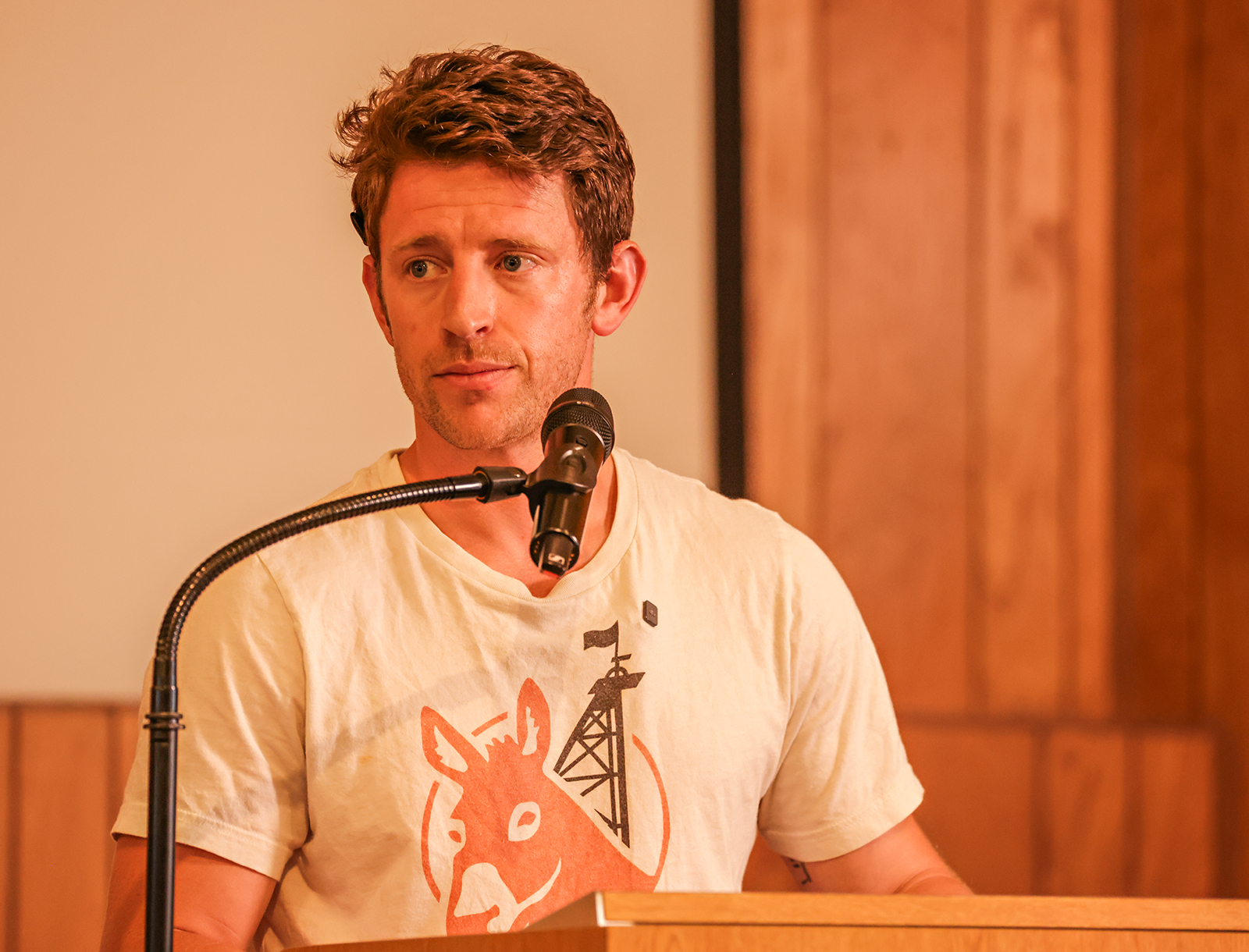
Flint’s opponent in the western congressional district, Forstag (pictured above), has also called for revitalizing the timber industry as a part of managing forests.
The smokejumper — a specialized type of wildland firefighter — has suggested across community forums, debates and interviews that forest management is an issue of particular importance to him given his background.
“I mean, I think that forest management is a place where we are decades behind the ball and, frankly, at the national level, Democrats have failed to listen to the facts on the ground and listen to the people doing the work,” Forstag said in an interview with the Beacon earlier this month. “And we, right now, we’re managing our forests in the same way that we deal with something like health care: we wait until it’s a complete crisis, and then we pay for it the most expensive, least effective way possible.”
Forstag suggested the way to get ahead of a wildfire crisis is to expand fuels reduction efforts, forest thinning and the number of people who can help put fire out on the ground. He added it takes too long to get timber contracts through on federal lands, but suggested maintaining environmental protections remains important.
Both candidates have also suggested boosts to the timber industry could help out with addressing Montana’s housing crisis.
Flint after the roundtable named several positions he would support if elected to Congress that he views as helping to meet the needs of the timber industry.
Those included pushing to end the 2015 Ninth Circuit Court of Appeals decision in Cottonwood Environmental Law Center v. U.S. Forest Service. Proponents of the 2015 decision have argued it’s a vital safeguard that forces land managers to account for climate change and real-world harm inflicted on threatened species, while opponents view it as a hindrance to timber sales, fuel-reduction work and forest restoration projects. A piece of legislation, the Fix Our Forests Act, aims to overturn the decision and its sponsors include both Republicans and some Democrats in the House.
Flint also suggested he’d like to see reforms to the Endangered Species Act and the Equal Access to Justice Act. The latter act allows individuals, small businesses and other organizations to recover attorney’s fees when they prevail in litigation — a point Simpson raised during the roundtable, arguing some environmental groups bring lawsuits because they receive funding from doing so.
And Flint said if elected, he’d angle to maintain a spot for Montana on the appropriations committee, something he suggested would be a critical part of standing up for Montana communities and managing public lands.
Alright, Beacon readers — that’s what I’ve got for you this fine Monday afternoon. Mariah Thomas, over and out. Onto the rest of your Daily Roundup.
2026 General Election: A Northwest Montana Voter’s Guide to Local, State and Federal Races
Absentee ballots went out Oct. 9, and Election Day is Nov. 3. Flathead Valley voters will weigh an open U.S. Senate seat, an open western congressional seat, a state Supreme Court contest, three ballot measures and a full slate of legislative and county races. Here’s what to know.
FVCC Board Approves $250k Salary for Incoming President Amid Faculty Compensation Complaints
Trustees unanimously approve a three-and-a-half-year contract that includes a $30,000 retention incentive, days after unions voted no confidence in the HR director
Urban Renewal Agency Advances Kalispell Center Mall TIF Request to City Council
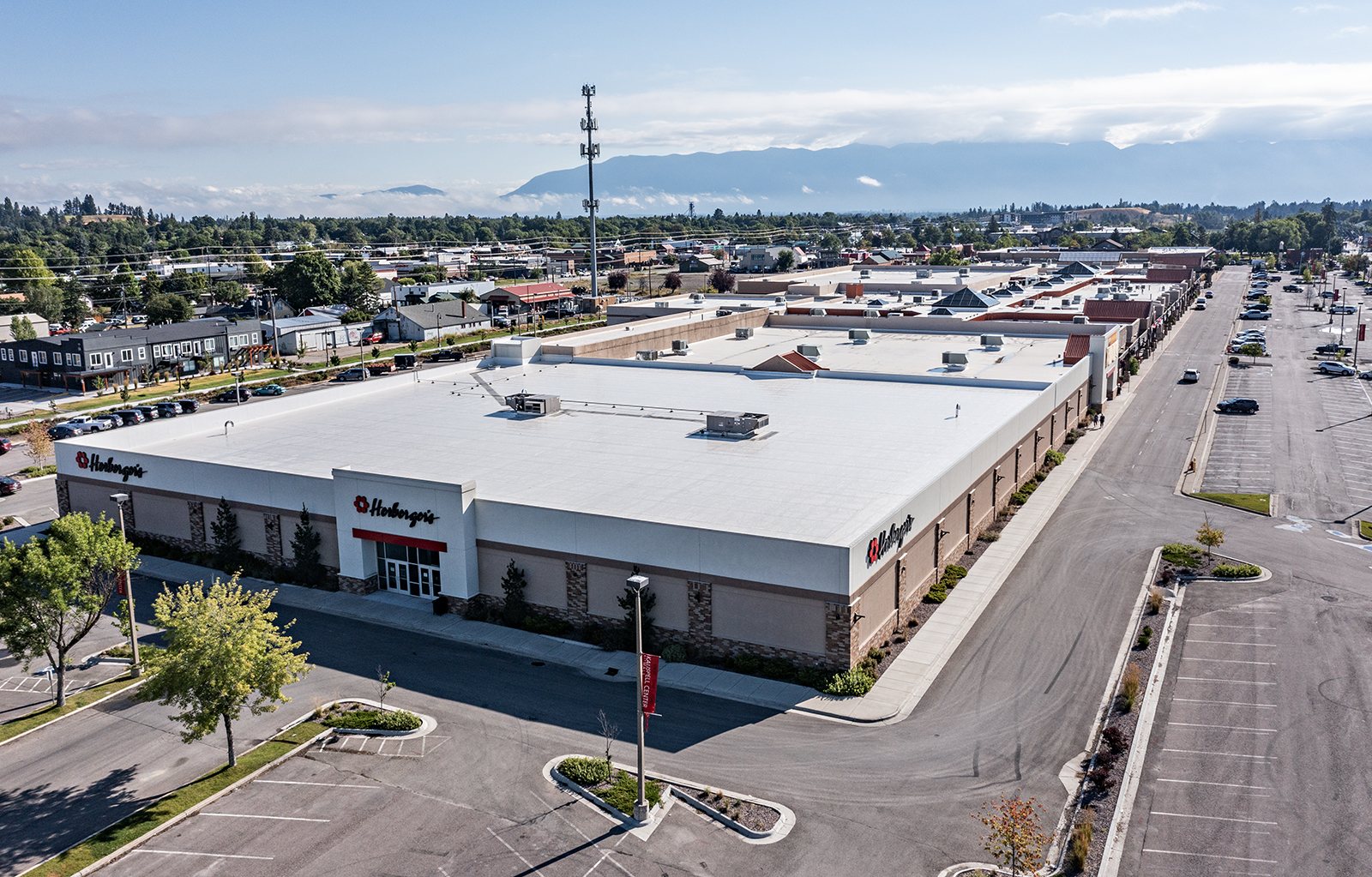
Parkline Partners is seeking $13.9 million to connect 3rd Avenue West, demolish Herberger’s, improve Center Street and 5th Avenue West and extend utilities to the west side of the mall’s property
Whether you’ve been here for decades or you’re new to the Flathead Valley, our reporting is here to help you feel smarter and in the loop about the issues most important to Northwest Montana. With your support, we can build a more engaged, informed community.