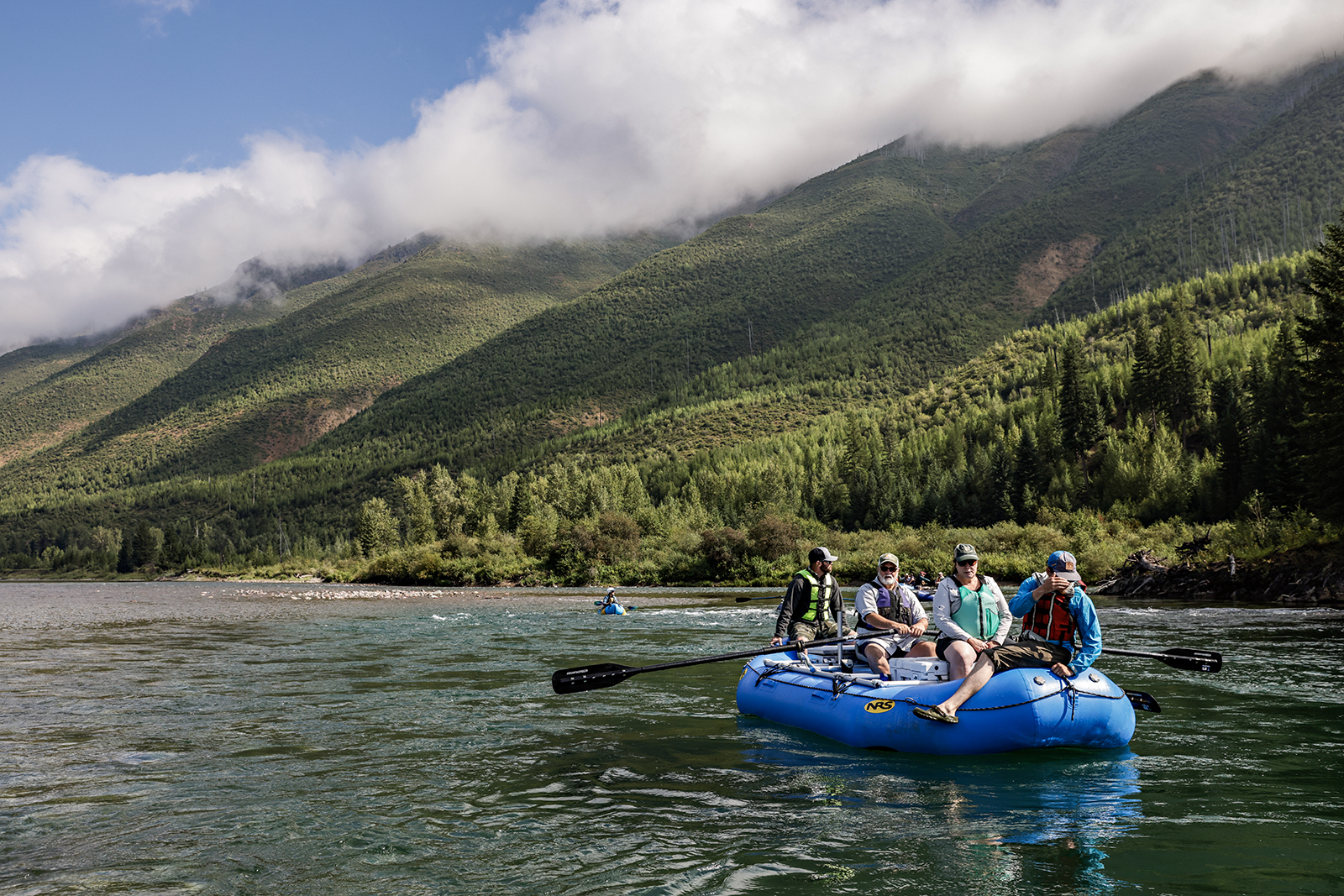
Greetings, Beacon Nation! Tristan Scott here with your Monday edition of the Daily Roundup, including an update on the Flathead National Forest’s draft Comprehensive River Management Plan for the Three Forks of the Flathead Wild and Scenic River, as well as its environmental assessment.
If we needed additional evidence demonstrating the high degree of public interest in this proposed strategy, which aims to protect and enhance the Flathead River system’s free-flowing condition, its water quality, and its outstandingly remarkable values (ORVs), and to update the agency’s user-capacity analysis and monitoring program, we got it when 1,087 individuals and organizations submitted letters online after the plan’s Feb. 10 release and before the public comment period’s closure on March 13. That’s a lot of public engagement!
The Flathead National Forest has published those letters and comments in an online public reading room available here.
We’ll continue to cover developments in the draft plan’s approval process as it enters a pre-decisional review period, but in the meantime, let’s review some of your comments and the 125-page draft plan’s most salient points.
For readers who need a refresher, the Flathead National Forest released its draft plan for public consumption on Feb. 10, a half-century after Congress designated the Flathead River system for safeguards under the Wild and Scenic Rivers Act. The designation stymied plans for dam construction and prohibited certain types of development on the three forks. It also required land managers with the Flathead National Forest and Glacier National Park to establish a management strategy to preserve the waterway’s integrity into the future.
The three forks of the Flathead are currently managed under the 1986 Flathead River Management Plan, which is out of date. Since 2017, the agencies have been updating the plan while evaluating the significant increase of use (both on shore and by boat) and their obligation to protect the river system’s ORVs.
Planning officials and recreation specialists with the Flathead National Forest have encouraged community input and understanding as they puzzle out and complete the final document. For a comprehensive review of the plan, environmental assessment (EA) and the comments in response, I’d encourage readers to access the planning documents and reading room online.
However, as the public weighs in on the draft plan and environmental assessment, a number of common themes have emerged. I’ll attempt to capture some of those themes below.
Perhaps most notably, the plan establishes a framework to gather more accurate monitoring and river-usage data by implementing a free, mandatory, unlimited, unrestricted permit system on all three forks. Although the details of the permit system are not final, recreation specialists emphasized that it is not meant to be restrictive; not yet, anyway. Instead, it’s an opportunity to gather real-time data on river usage, as well as provide education and outreach by promoting Leave No Trace guidelines and river etiquette.
Commenters expressed broad support of the unlimited, unrestricted permit system. “Understanding actual use patterns on this system is a necessary precondition for sound future management, and we appreciate that the current proposal does not impose use limits at this time,” according to comments submitted by the American Packrafting Association, which represents a set of river users that the plan specifically identifies as a growth driver, particularly on the South Fork.
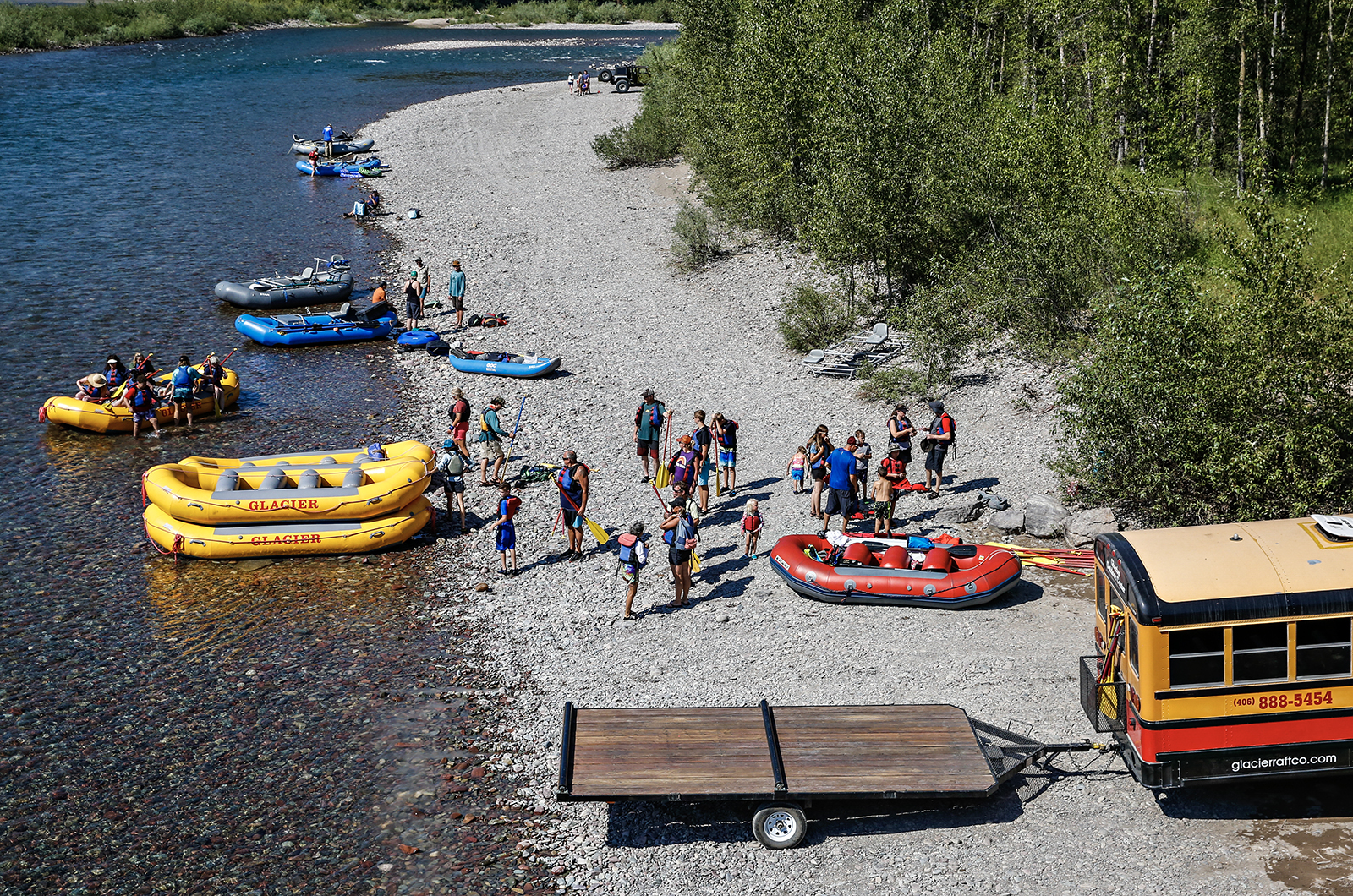
The plan sets clear restrictions on motorized camping and parking on gravel bars, including at areas that have been overrun by motorized traffic in the past, such as Blankenship Bridge, Great Northern Flats and the Canadian Border access site. It also establishes requirements that river users contain solid human waste within 200 feet of the river’s edge and use fire pans or blankets for all campfires below the high-water mark.
“We support proposed management measures that address immediate contamination risks to water quality associated with recreation pressures, including prohibiting motor-vehicle camping or parking on gravel bars and requiring solid human-waste containment within 200 feet of the river’s edge,” according to a comment from the Flathead Lakers.
However, the Lakers also encouraged administrators to strengthen the plan by designing a comprehensive water-quality monitoring program and incorporate water-quality indicators into its visitor capacity evaluations.
Other users emphasized that, without additional parking at the Glacier Rim, Blankenship Bridge, Paola Creek, and West Glacier accesses, enforcement of the parking restrictions would prove challenging.
“Overcrowding in the defined parking areas at these river access points is real and dangerous. That is why it has spilled onto the gravel bars and highways,” wrote Mike Burr, a river user who said he’s been floating the three forks since 1981.
The draft CRMP establishes user capacities above current use levels across all river segments, with increases ranging from approximately 11 percent to nearly 300 percent above estimated existing use. The most substantial increases occur in the Middle Fork, where proposed capacities reach nearly three times current estimated use in some segments. Some river users feel this approach ignores the role that existing recreation levels play in degrading ORVs, including water quality and fisheries habitat, even as the EA documents impacts at recreation sites.
Arlene Montgomery, of Friends of the Wild Swan, pointed to the steep decline of westslope cutthroat trout and bull trout populations in the South Fork, and to state and federal reports estimating angling mortality and incidental bycatch of the threatened species in the North and Middle forks, as evidence to support the need for a cumulative impacts analysis of recreational floating on Flathead River fisheries.
“While these loss figures are estimates, it is a staggering amount of angling mortality for these river systems and the dwindling bull trout population,” Montgomery wrote. “It is imperative that a thorough cumulative impacts analysis be conducted before arbitrarily increasing human users that will stress the fishery even further.”
Denny Gignoux, the owner of Glacier Guides and Montana Raft, a commercial outfitting company that offers rafting and fishing trips on the river system, said his guides serve as de facto ambassadors of the river corridor, promoting ethical angling and responsible stewardship.
“Professional guides educate thousands of visitors each season about Leave No Trace practices, sanitation systems, wildlife awareness, and respectful river etiquette,” Gignoux wrote. “Guided trips also provide safe and responsible public access to Wild and Scenic rivers for visitors who may not otherwise have the skills or equipment needed to experience these nationally significant landscapes.”
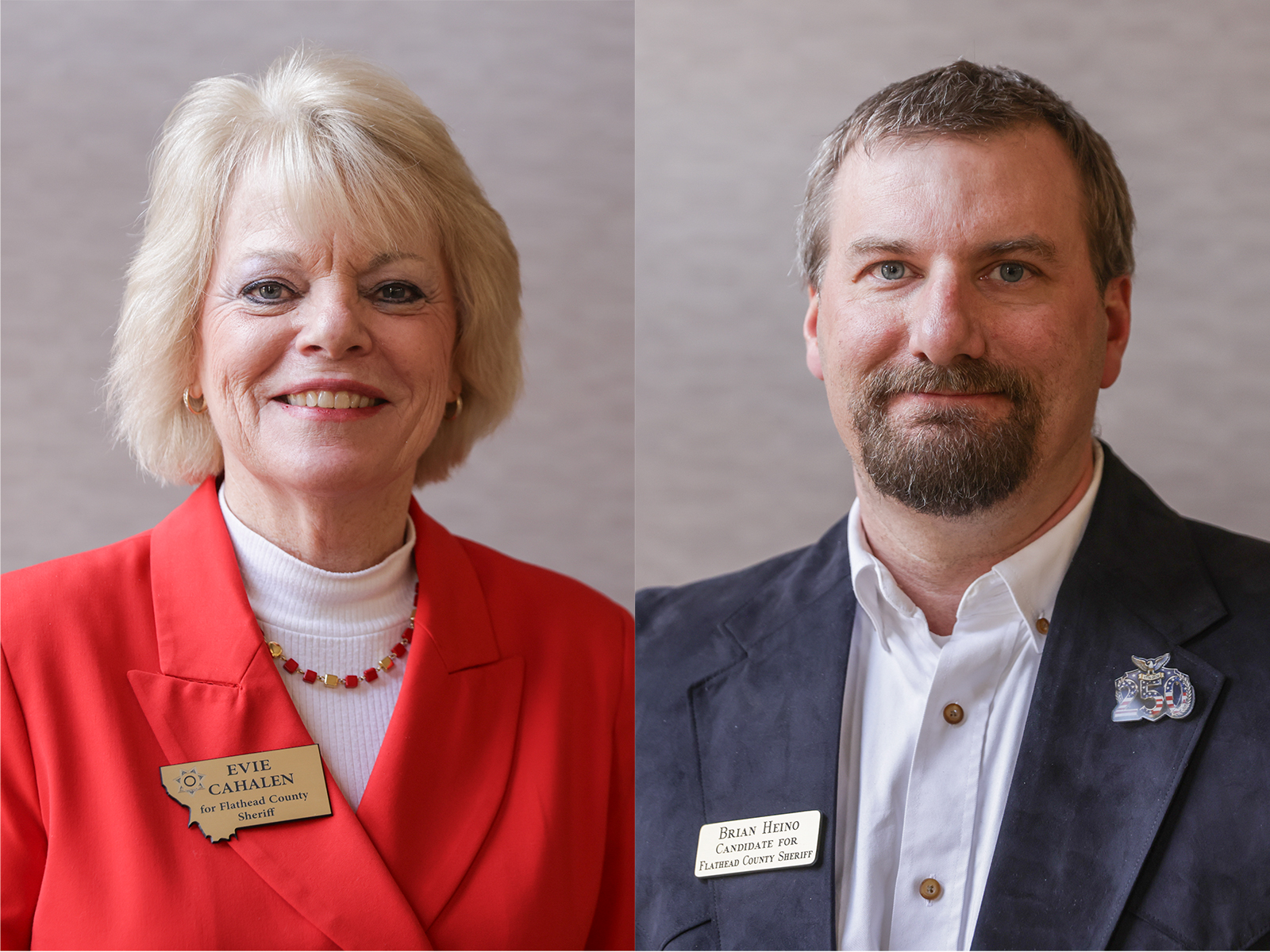
‘Shock Factor’ Jolts Sheriff’s Race as Flathead County GOP Endorses Heino’s Challenger in Contested Primary
The move rankled some local Republicans, who defended incumbent Sheriff Brian Heino at the Flathead County Republican Central Committee's Thursday night meeting and on social media, saying the local party’s endorsements in primary races have widened divides
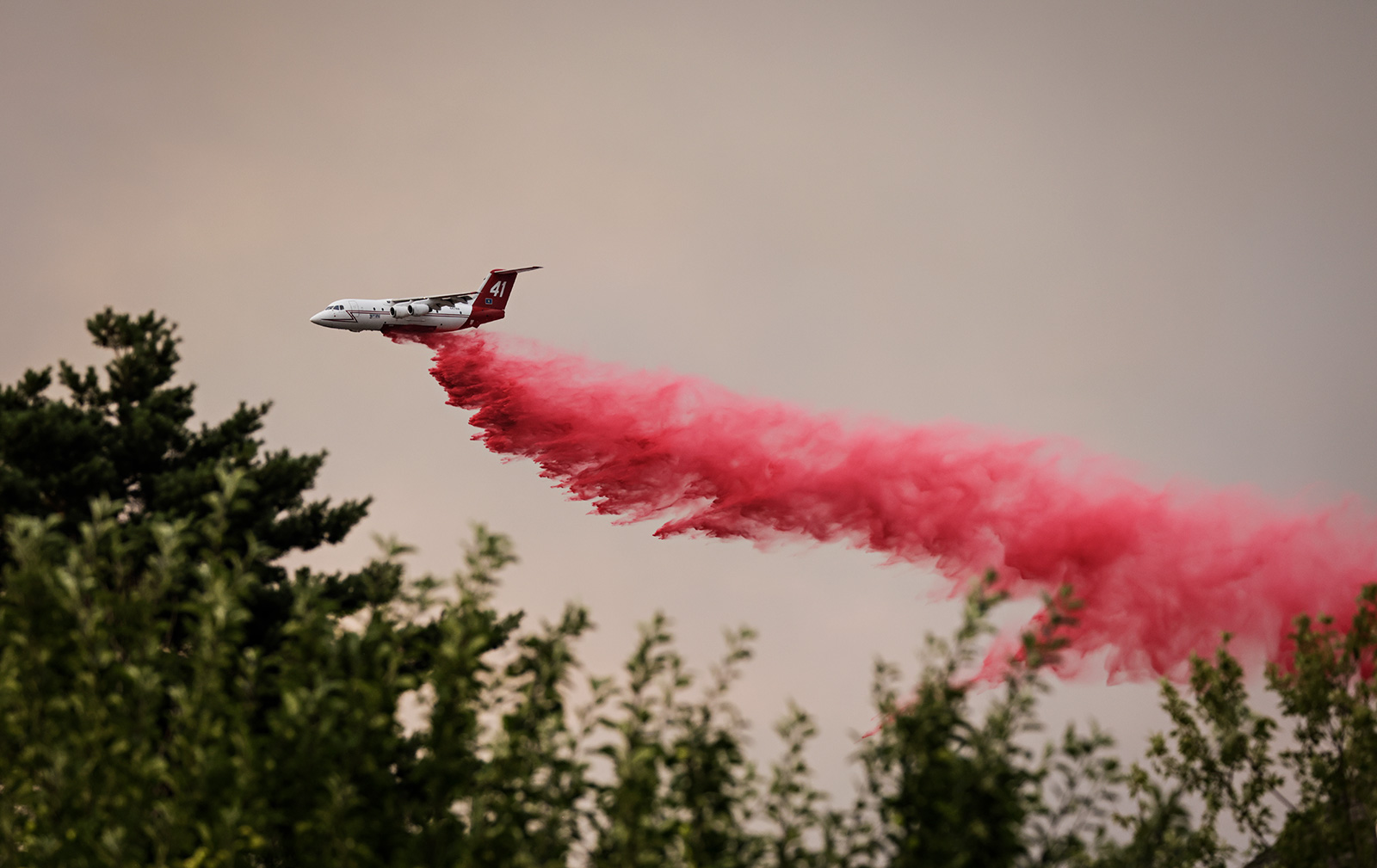
Montana Lawmakers Press Interior Officials for Details on New Federal Wildfire Agency
Ahead of a high-risk fire season, the Trump administration is revamping its wildland firefighting apparatus by reallocating 3,900 firefighters to the U.S. Wildland Fire Service. The strategy to streamline the federal response has raised concerns among some state lawmakers.
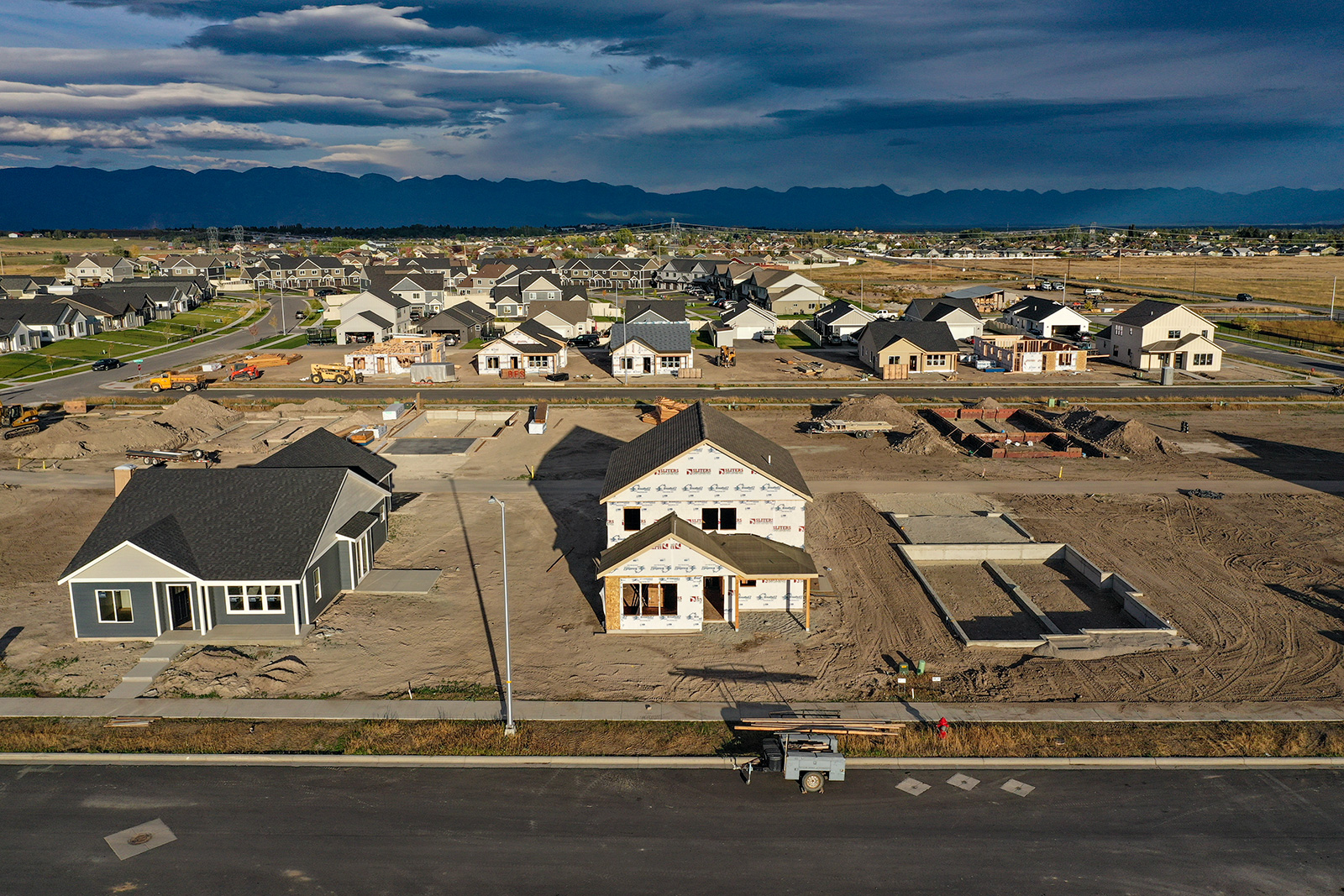
Realtors ‘Cautiously Optimistic’ as Rising Mortgage Rates and Inventory Impact Flathead Valley’s Housing Market
While strong residential development has contributed to market fluidity, rising interest rates, changing state policies and economic uncertainty will likely impact the housing market as the busy summer season heats up
Whether you’ve been here for decades, or you’re new to the Flathead Valley, our reporting is here to help you feel smarter and in the loop about the issues most important to Northwest Montana. With your support, we can build a more engaged, informed community.