Greetings, party people! The Memorial Day Weekend feels so close, yet so far away on this sunny Thursday at the Beacon HQ in downtown Kalispell as we inch towards Friday. It’s your resident recovering weird horse girl, Maggie Dresser, here to inform you about a rare equine-related opportunity.
But first, let me tell you about my adolescence when I grew up riding horses and spending my weekends competing across western New York in horse shows with some of the most dedicated, obsessive and uptight people you’ll ever meet. I didn’t know it at the time, but those formative years of harsh criticism were just training for a future career in journalism, an industry where just one email can pop an inflated ego like a balloon.
While I disassociated with horse culture long ago, I still have fond memories of riding show ponies with names like Razzmatazz and Flutie, identifiers that always showcased their personalities.
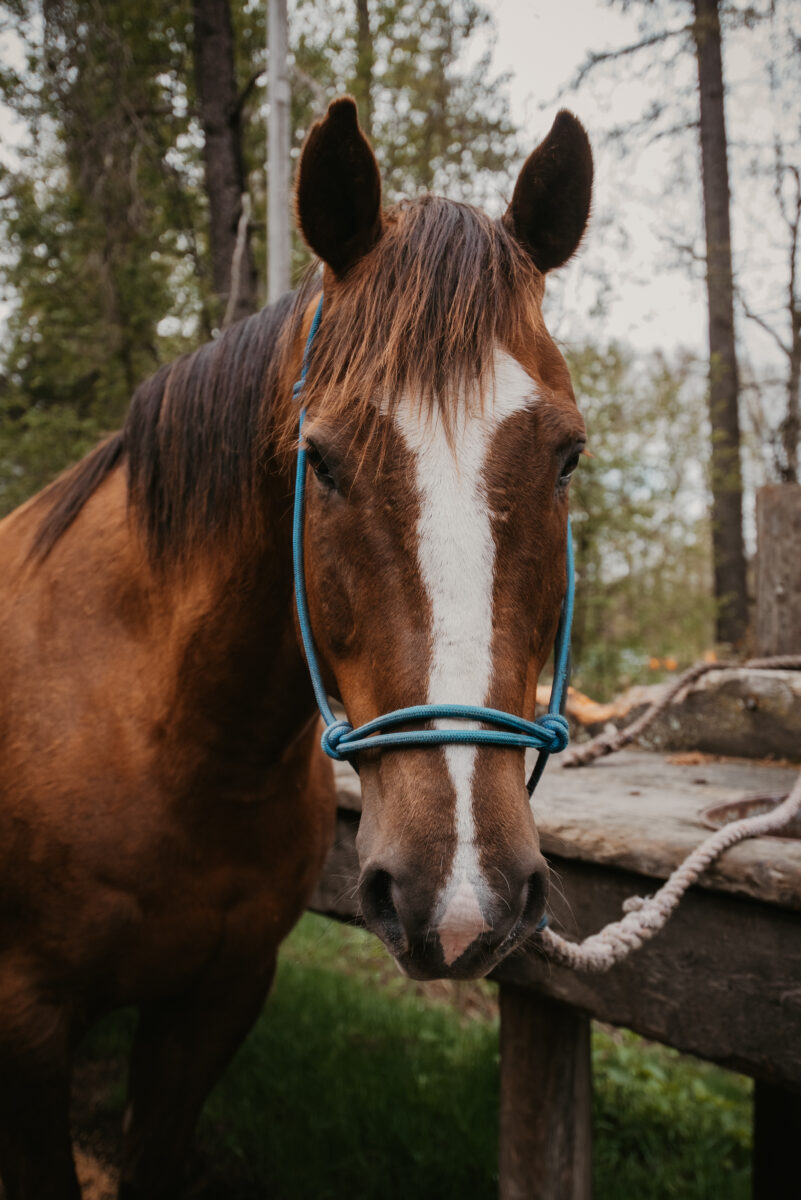
So here’s a casting call for anyone who is hoping to name Glacier National Park’s newest stock horse (pictured below), a 9-year-old chesnut gelding (that’s a castrated male horse for you non-weird horse girls) as part of a contest hosted by the Glacier National Park Conservancy after the nonprofit organization purchased him with grant funding earlier this spring, which was made possible by donor support.
Despite his namelessness, this seasoned veteran is hitting his stride in the peak of his packing career as he joins his 66 equine coworkers, which includes 18 horses and 48 mules along with six human packers. The stock animals carry crews and supplies into the park’s remote, roadless wilderness areas while supporting trail work, fire lookouts, wilderness ranges, wildlife biologists and other teams.
As some longtime four-legged crew members near retirement, the Glacier Conservancy last month funded six new recruits, including this majestic creature who traveled from the Billings Livestock Auction where he was acquired during the 2026 Outfitter Sale.
This horse with no name needs an identity soon so park rangers can address him like the rest of his colleagues, so submit your entry by May 25. Finalist votes will be from May 28 through June 4.
While most visitors access Glacier National Park by vehicle, horses were the primary transportation mode prior to the completion of the Going-to-the-Sun Road in 1933 and the most efficient avenue into the backcountry. At the time, there were only a few miles of rough wagon roads when Congress established the park on May 11, 1910, but officials pushed for a transmountain highway across the park to increase accessibility and tourism dollars.
Tourists would typically arrive by the Great Northern Railroad, stay at front-country hotels, ride horseback into the backcountry and lodge in chalets or tent camps accessible only by horse.
During the Going-to-the-Sun Road’s construction, the Park Service also put horses to work, packing and dragging loads up trails to camps and construction sites. At one point during peak construction, six work camps and 60 horses were used regularly, and teams of horses were used to drag “go-devils,” a type of sled used to haul heavy materials like culvert pipes, steel rails, water pipes and gasoline drums.
Following the infrastructure project’s completion, the park became catered to the motorist and would eventually present park officials with the complicated task of vehicle traffic management.
Despite the shift to paved roads and automobiles, stock animals still play an important role in the park and this soon-to-be-named horse will join the elite class of pack animals who have helped retain some nostalgia in Glacier National Park.
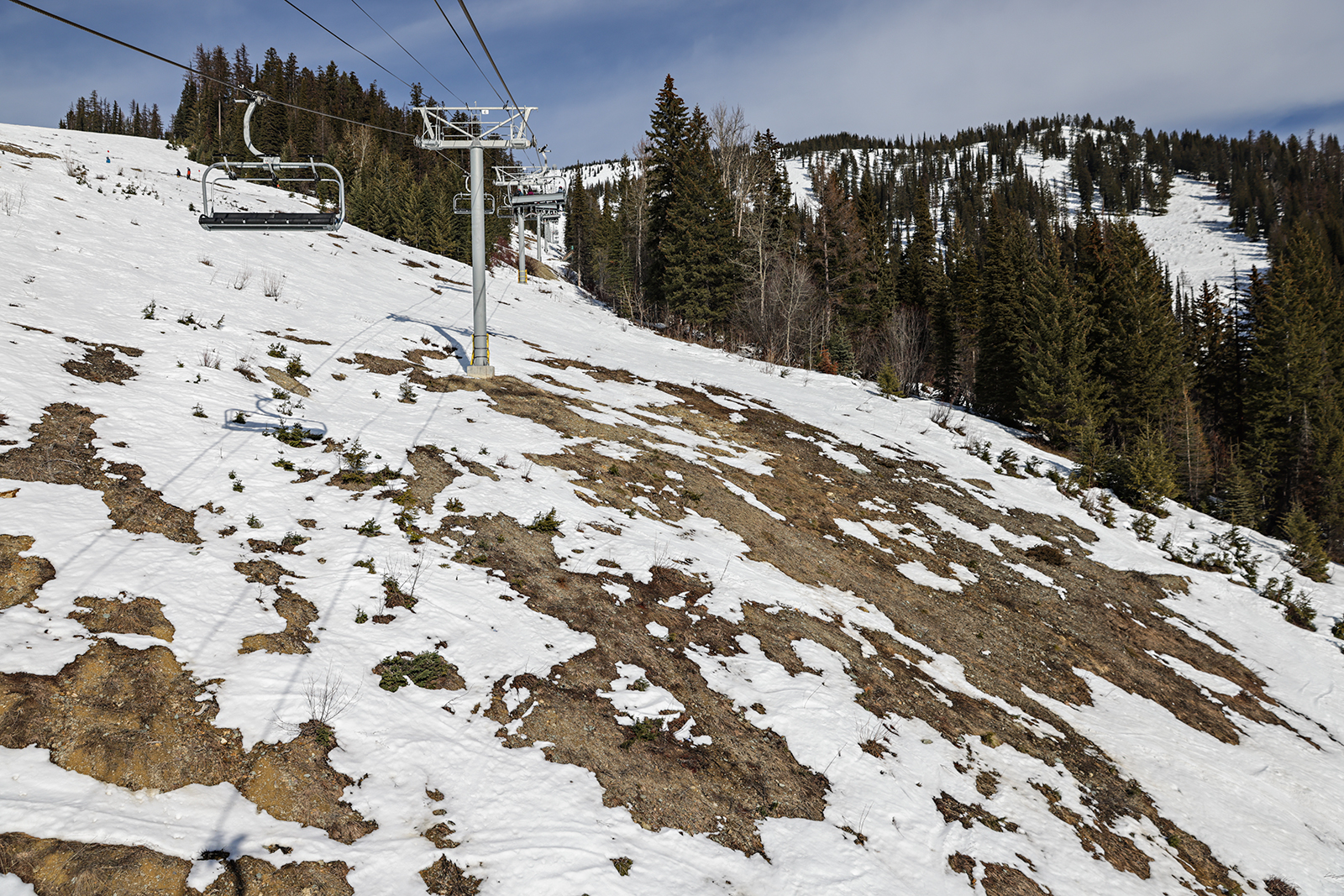
Whitefish Mountain Resort Visitation Drops 8% During 2025-2026 Season
Officials attributed limited snowfall and poor conditions to the dip in traffic, which totaled 457,000 skier visits this winter even as a record volume of more than 17,000 season passes sold
Starting Sept. 30, Montanans May No Longer Use SNAP Dollars for Candy, Soda
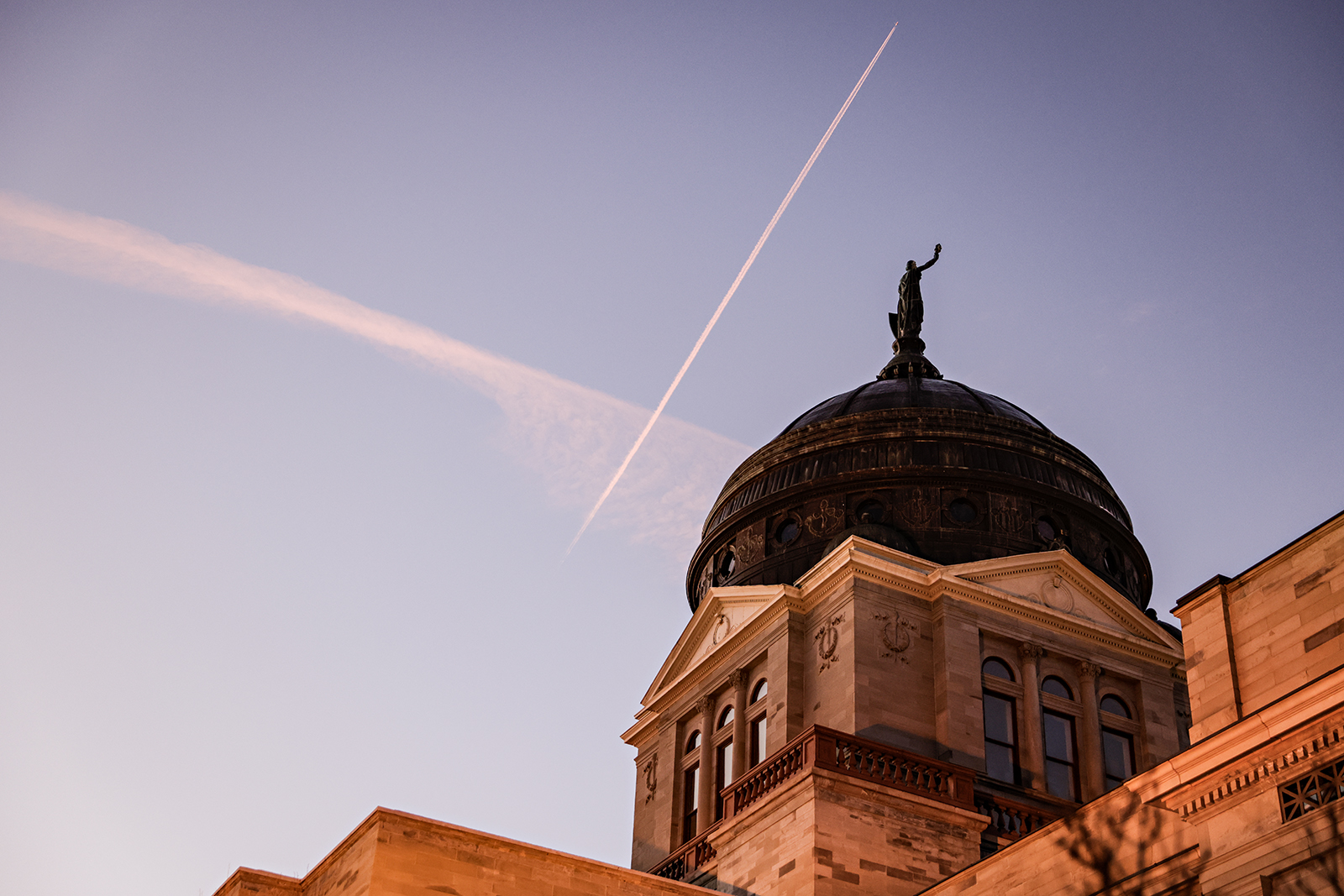
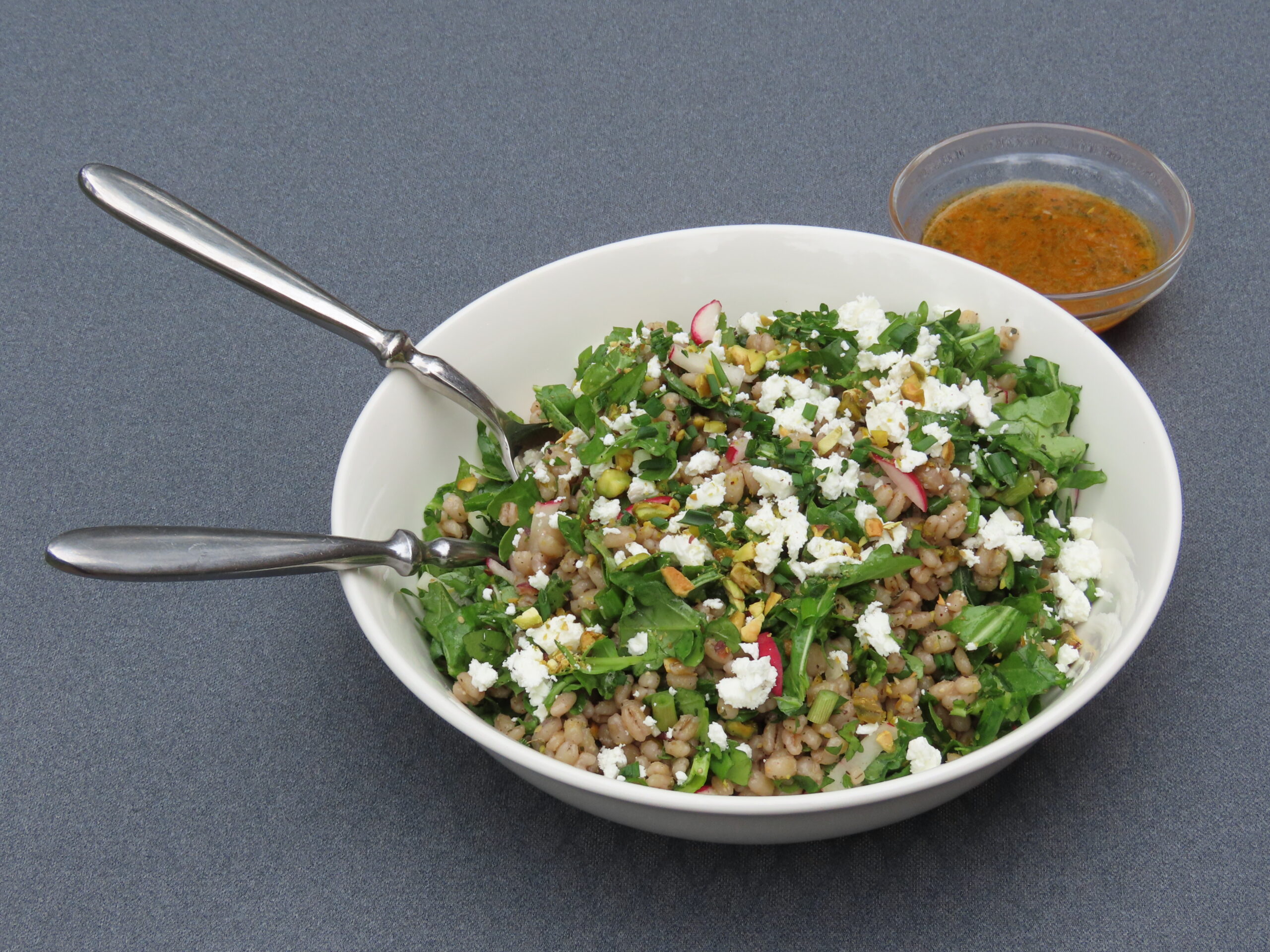
The U.S. Department of Agriculture approved Gov. Greg Gianforte’s request to prohibit people from purchasing soft drinks, junk food or candy with the federal food assistance benefits
Whether you’ve been here for decades, or you’re new to the Flathead Valley, our reporting is here to help you feel smarter and in the loop about the issues most important to Northwest Montana. With your support, we can build a more engaged, informed community.