Greetings, Beacon Nation. I’m Tristan Scott here to deliver your Thursday edition of the Daily Roundup.
“Roads? Where we’re going, we won’t need roads.”
The classic line from Doc Brown, as played by Christopher Lloyd in “Back to the Future,” only holds up in the context of this newsletter — and even then, only in a bizarro, upside-down alternate reality sort of way — when you consider that the U.S. Forest Service is introducing dual initiatives to move forest policy back to the past when it comes to building, maintaining and accessing National Forest System roads.
Whether those initiatives are for better, as the Trump administration and Montana’s congressional delegation believe, or for worse, as an overwhelming share of public input insists they are, is for you to decide.
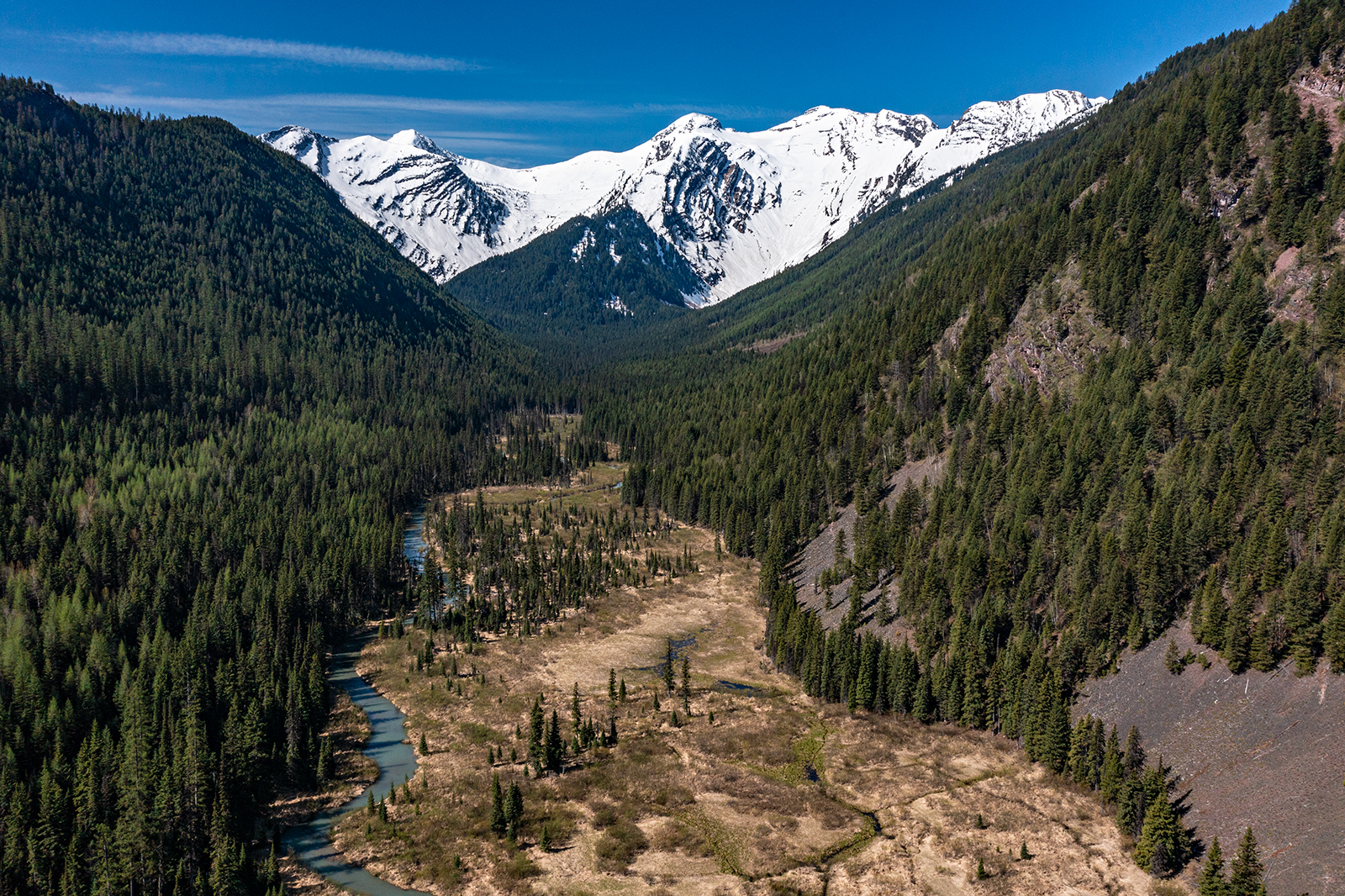
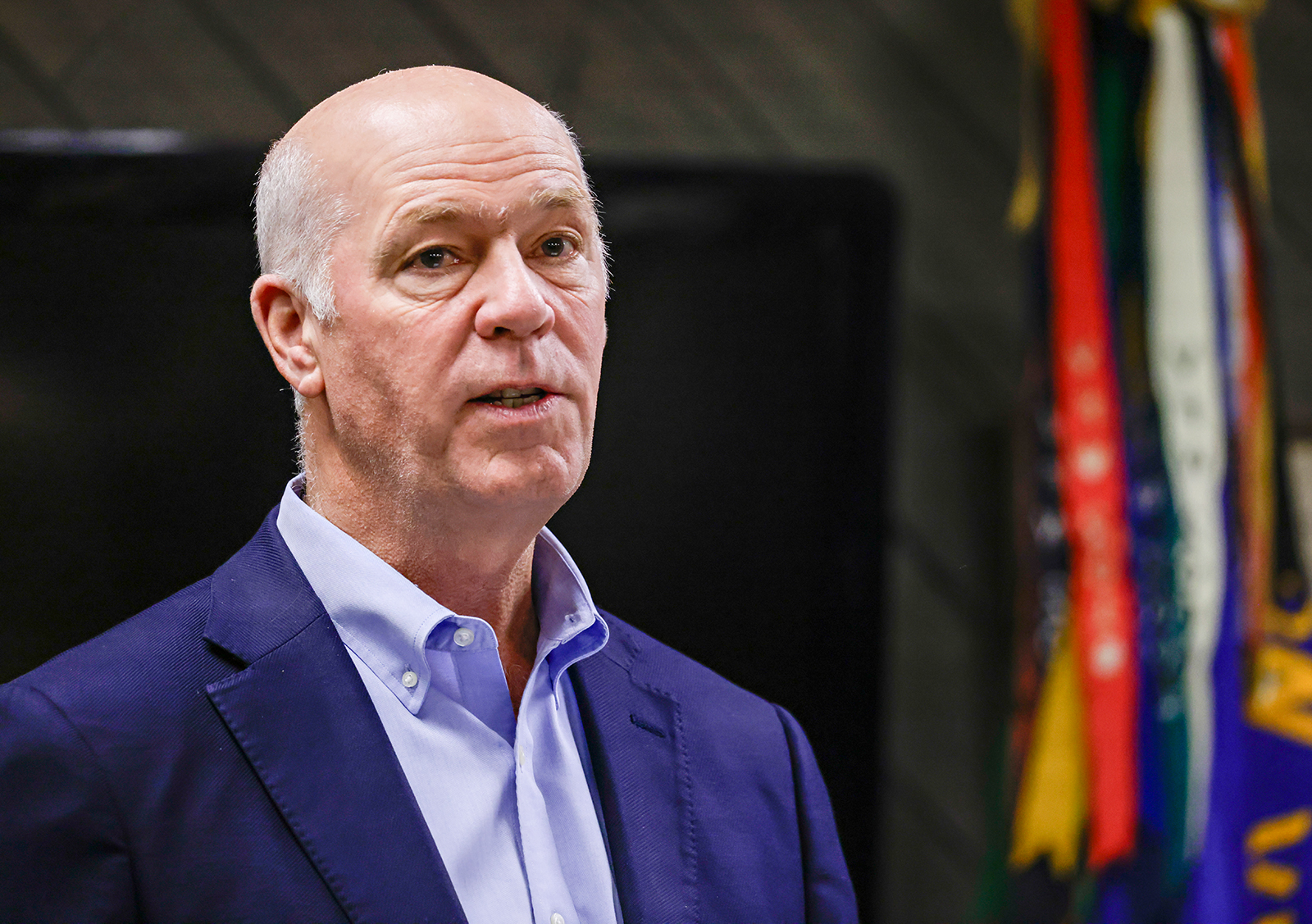
Last week, we covered the U.S. Department of Agriculture’s formal proposal to repeal the 2001 Roadless Rule, which has shielded roughly 45 million acres of national forest — including roughly 37% of Forest Service land in Montana — from road-building and most logging activities. Agriculture Secretary Brooke Rollins and Forest Service Chief Tom Schultz framed the rule as a “one-size-fits-all” obstacle to wildfire management, while Gov. Greg Gianforte welcomed relief from what he called “the heavy thumb of Washington D.C.”
Proponents of the Roadless Rule, meanwhile, say it opens critical wildlife habitat to logging and fragmentation with few practical constraints once the national designation is gone. And they’ve pushed back on claims that it has contributed to wildfire risk, citing Forest Service data that roughly nine in 10 wildfires are human-caused, along with newer research finding that fires are about four times more likely to start near roads than in roadless areas.
Now a coalition of conservation groups — Earthjustice, The Wilderness Society, WildEarth Guardians, Standing Trees, Sierra Club, and the Natural Resources Defense Council — is asking the Forest Service to slow down. In a letter this week, the groups requested that the current 32-day public comment period be extended to at least 120 days, along with in-person hearings around the country. For comparison, the original 2001 rule was shaped over 129 days of comment and roughly 600 public meetings.
The groups also point to the record so far: during an earlier comment window on the same rescission proposal, they say 99% of submissions opposed it, part of a broader tally of more than 625,000 comments filed against repeal. “Such a short comment period for an environmental analysis and proposed rule of this magnitude is grossly inadequate,” one group representative said.
The Forest Service’s current deadline stands at midnight Sept. 21. Whether it grants the extension request remains to be seen — we’ll keep watching this one.
But there’s more …
Proponents of the Roadless Rule say the consequences of its proposed repeal are compounded because it runs concurrently to a separate notice the Forest Service published in the Federal Register on Aug. 24. That notice announced the agency’s intent to rewrite the Travel Management Rule, the 2005 regulation governing which roads and trails on national forest land are open to motor vehicles. The proposal would flip the rule’s default — from closed unless designated open, to open unless closed — and strip out the “minimization criteria” that have limited how dense a forest’s motorized route network can get. Comments on that notice close Sept. 23; a draft environmental review is due next spring, with a final rule targeted for early 2028.
The Roadless Rule repeal draws its authority from four executive orders while the Travel Management Rule notice traces to a fifth executive order rescinding two Nixon- and Carter-era orders the travel rule was originally built to implement. Still, the five orders share one throughline, critics say: a systematic push to clear federal restrictions off national forest land.
Reaction to the travel rule notice came fast, and it echoed the Roadless Rule opposition. “This is yet another egregious attack in the systematic dismantling of public lands management of our national forests,” said Dan Hartinger, senior director for agency policy at The Wilderness Society. “Paired with the proposed repeal of the Roadless Rule, this destructive agenda sells out future generations’ enjoyment of our forests in order to hand them over for corporate profits.”
Wild Montana’s federal policy director, Hilary Eisen, drew the same line. “Just days after doubling down on repealing the Roadless Rule, this announcement makes the administration’s plan obvious: gut the rules requiring the Forest Service to manage our natural resources carefully and listen to the public, then open the gates to industry and extraction,” she said. “The Roadless rescission already showed that Forest Service leadership doesn’t value public input, science, or expert management.”
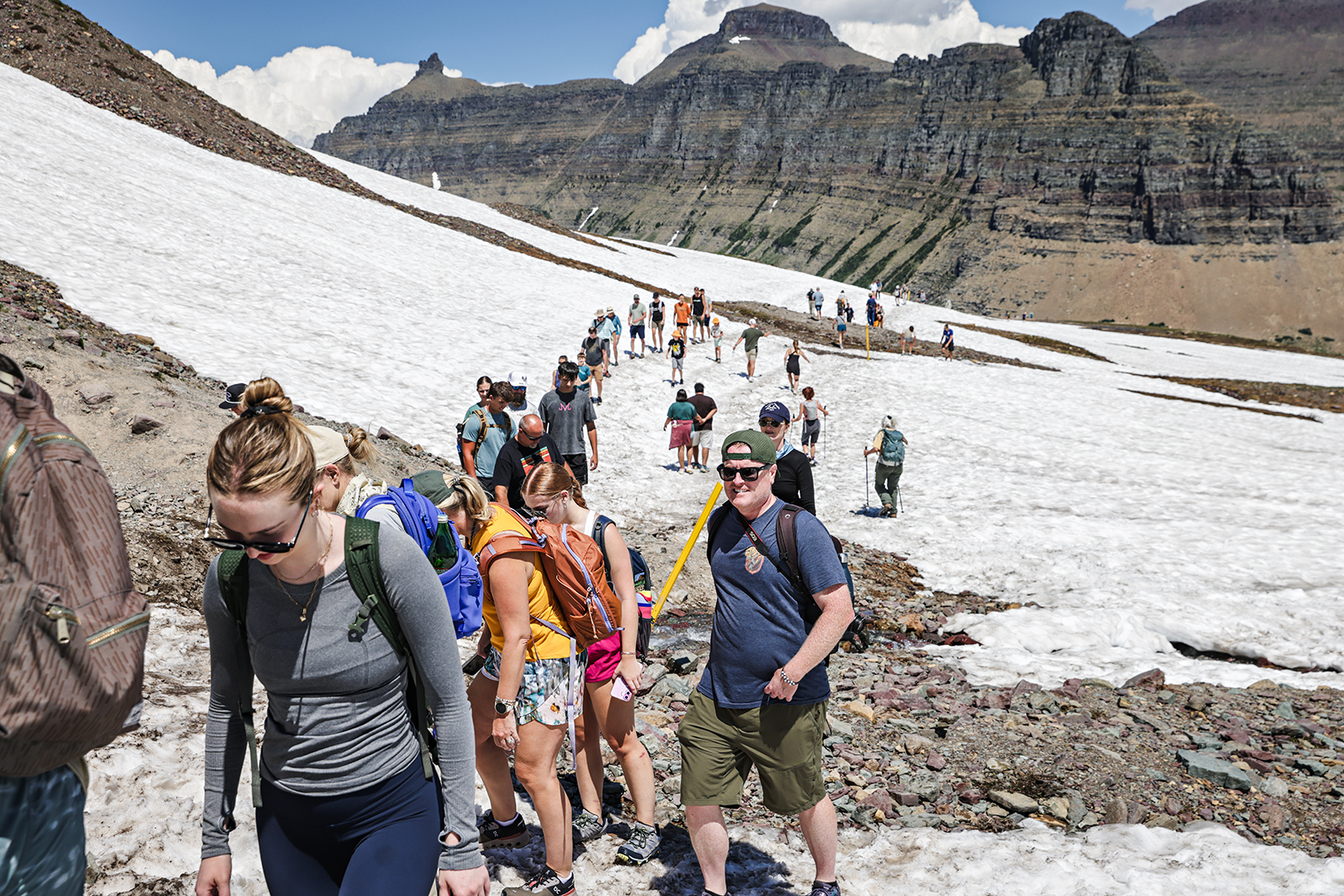
Glacier Park Visitation Jumps 17% in July, 8% for the Year
The double-digit surge in July came during the first summer since 2021 that the park has operated without a vehicle reservation requirement on Going-to-the-Sun Road
After a 2025 fall season filled with individual and state championships, several Flathead Valley athletes will be on the title defense over the coming months.
What Could the End of the Roadless Rule Mean for Montana’s National Forests?
Critics of the decades-old policy restricting road construction and timber harvests in inventoried roadless areas say its repeal removes obstacles for local forest managers. But conservation advocates and former forest planners say the rule’s dissolution is more complicated.
Whether you’ve been here for decades, or you’re new to the Flathead Valley, our reporting is here to help you feel smarter and in the loop about the issues most important to Northwest Montana. With your support, we can build a more engaged, informed community.