Greetings, Beacon Nation! Managing Editor Tristan Scott here. I’ve spent the past few days playing Flathead Valley tour guide to my Minnesota family, who’s been visiting me in my adopted state for 23 years. The summer of their inaugural visit in 2003 coincided with the historic Robert Fire in Glacier National Park, which added a layer of logistical complexity to a father-son backpacking trip from Goat Haunt to Chief Mountain. (It also added some spectacular technicolor overlays to our sunsets.) The experience has been seared into my family’s shared story as a core Montana memory ever since.
This week, more than two decades later, those intergenerational memories came flooding back when a scenic boat tour of Lake McDonald guided us past the wildfire scar emblazoned against Howe Ridge, affording my father an opportunity to share the story with his grandkids.
And while we’re on the topic of memories, I might as well segue to the central theme of this newsletter, which is the Trump administration’s ongoing effort to render the 2001 Roadless Area Conservation Rule into a distant one, in large part because they say it hinders land managers from conducting “responsible forest management” to mitigate wildland fire risk — this, despite a March 2026 study showing that the presence of roads increases the risk of wildfire by four times. That study, based on more than three decades of datasets (1992-2024) spanning all eight contiguous U.S. Forest Service regions combined, revealed that wildfire-ignition density was lowest in designated wilderness areas, followed closely by Inventoried Roadless Areas protected under the Roadless Rule.
“More roads mean more wildfires and repealing the Roadless Rule is an open invitation to destroy these recreation areas and to spark catastrophic wildfires,” Sen. Ron Wyden, D-Ore., said Wednesday during a Senate Energy Natural Resources Committee hearing, minutes before Republicans voted to adopt an amendment to the previously bipartisan Wildfire Prevention Act of 2025 (S. 140), which is sponsored by Sen. John Barrasso, R-Wyo., to nullify the Roadless Rule.
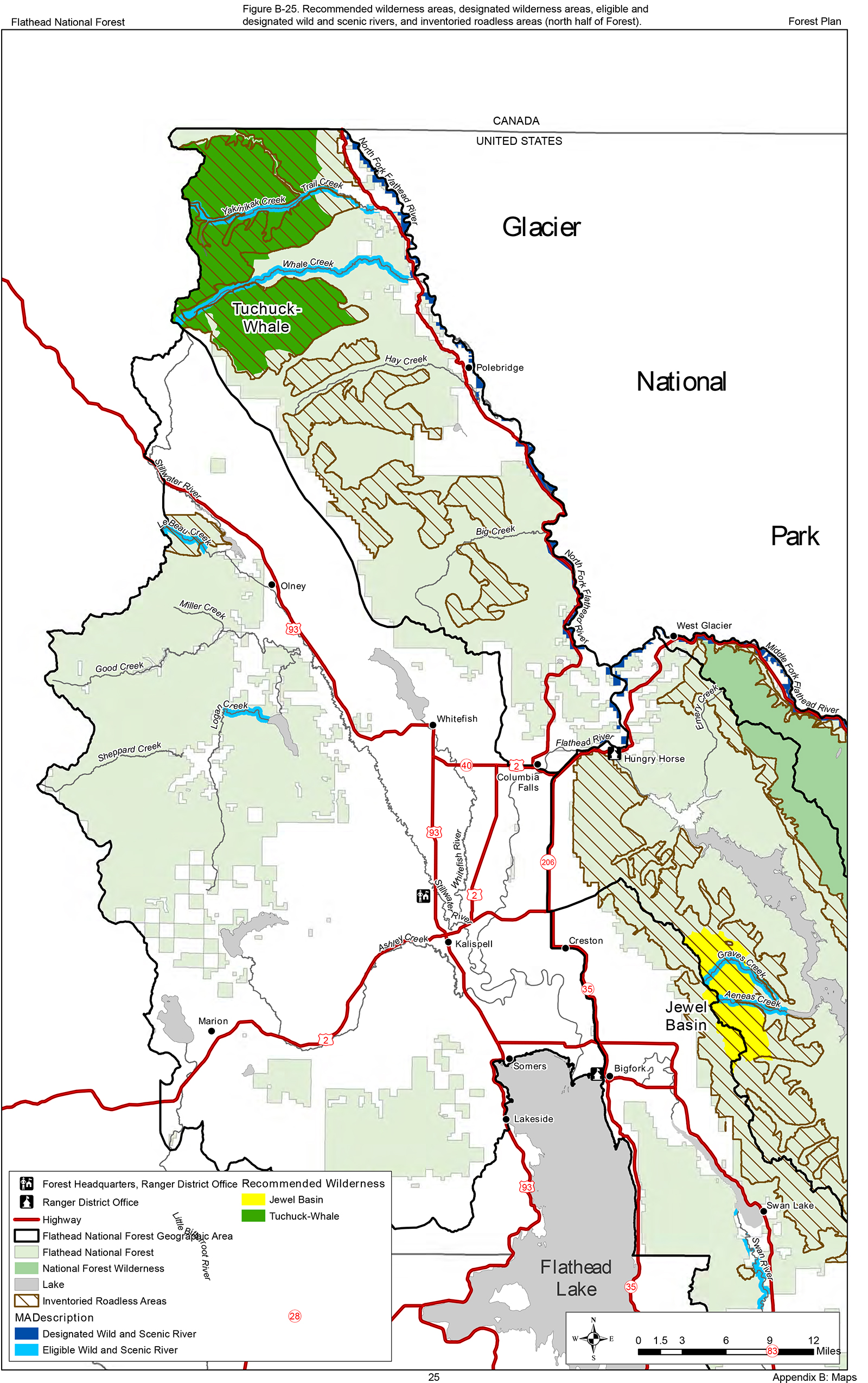
Established under the Clinton administration and enacted in 2001, the Roadless Rule generally prohibits road building and logging in all 58.5 million acres of national forest roadless areas. It makes exceptions to access non-federal land inholdings and pre-existing mineral leases, and it allows logging, vegetative treatments and prescribed burns to reduce fire risk, improve habitat or aid in the recovery of endangered species, including whitebark pine. On the Flathead National Forest, for example, the recently approved West Reservoir Project near Hungry Horse Reservoir includes more than 4,600 acres of prescribed burning in areas protected under the Roadless Rule.
When it was approved 25 years ago, the primary thrust of the federal rulemaking initiative was geared toward reining in the scale of road-building activities by the Forest Service, which maintains eight times more miles of road than the Interstate Highway System. At the time, the U.S. Forest Service’s road maintenance and reconstruction backlog had ballooned to $8.4 billion while it received only 20% of the annual funding needed to maintain the existing road system to current environmental and safety standards.
But scuttling the Roadless Rule has emerged as a top administrative priority last year when the U.S. Department of Agriculture announced plans to rescind it on the grounds that it impeded land managers from conducting “responsible forest management” and mitigate the threat of wildfire. On June 9, Sen. Mike Lee, R-Utah, attempted to bypass the administrative rulemaking process to rescind the Roadless Rule by introducing a proposed amendment to S. 140 to repeal it. On Wednesday, the committee members, including Sen. Steve Daines, R-Mont., voted 11-9 along party lines to advance the bill, which now moves to the Senate for a full vote.
“I have to go on record with disappointment on how Republicans are pushing this poison pill on what was otherwise a bipartisan opportunity,” U.S. Sen. Maria Cantwell, D-Wash., said.
In her comments, Cantwell took direct aim at Sen. Lee, who chairs the Senate Energy and Natural Resources Committee — and who endured a firestorm of criticism last year when he introduced back-to-back proposals to scale down the nation’s public land inventory.
“I definitely am perplexed by this morning’s markup and hearing. I think we may be creating an artificial divide. I mean, it’s clear, Mr. Chairman, that you would like to sell public land. But on our side of the aisle, we would like to come together to acquire public land and set it aside for the general public to use.
“There’s a divide here and it’s a bad divide,” she continued. “Let’s be efficient with taxpayer dollars. Let’s not kill the Roadless Area Rule; let’s make sure that we are working together on fire prevention and make smart use of public policy because it’s a damn big [outdoor recreation] economy and doing anything else is just wrongheaded.”
Sen. Alex Padilla, D-Calif., similarly expressed dismay at the GOP majority’s attempts to undermine a bipartisan legislative effort to increase forest management and reduce wildfire hazards on federal land.
“The last-minute move destroys any bipartisan opportunity for compromise on this,” Padilla said Wednesday. “And let me remind you that the 2001 Roadless Rule was created through one of most extensive public rulemaking processes in history, garnering over 1.6 million public comments with 95% of them in support. The rule remains incredibly popular across the country with more than half a million public comments in opposition to this administration’s recent efforts to repeal the rule. We now see the Republican majority on this committee working feverishly against the will of all of our constituents.”
Sen. Martin Heinrich, D-New Mexico, complimented Barrasso for his work crafting a bipartisan measure aimed at reforming forest management to reduce wildfire risk.
“I think putting the repeal of the Roadless Rule into this just blows that up,” Heinrich said.
Here’s the rest of your Thursday edition of the Daily Roundup.
‘A Moment of Impact:’ Whitefish Nonprofit Turns to Clean Energy to Power Festival
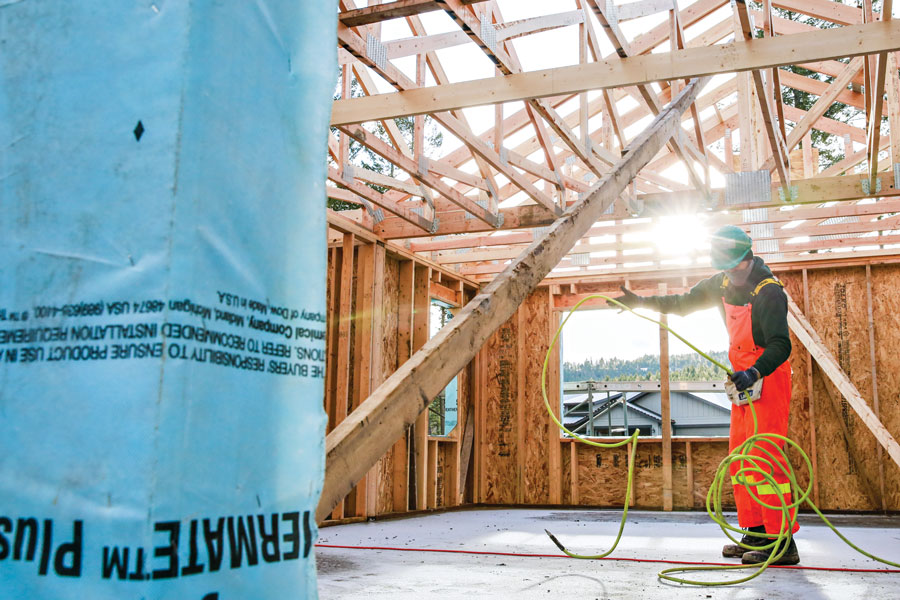
The Westland Impact Festival, which runs from June 11-13, is setting out to be one of the first multi-day, multi-venue festivals in the country to power the entire event with solar-charged, portable batteries
DEQ Hears from Public on Flathead Lake Club Sanitary Facilities
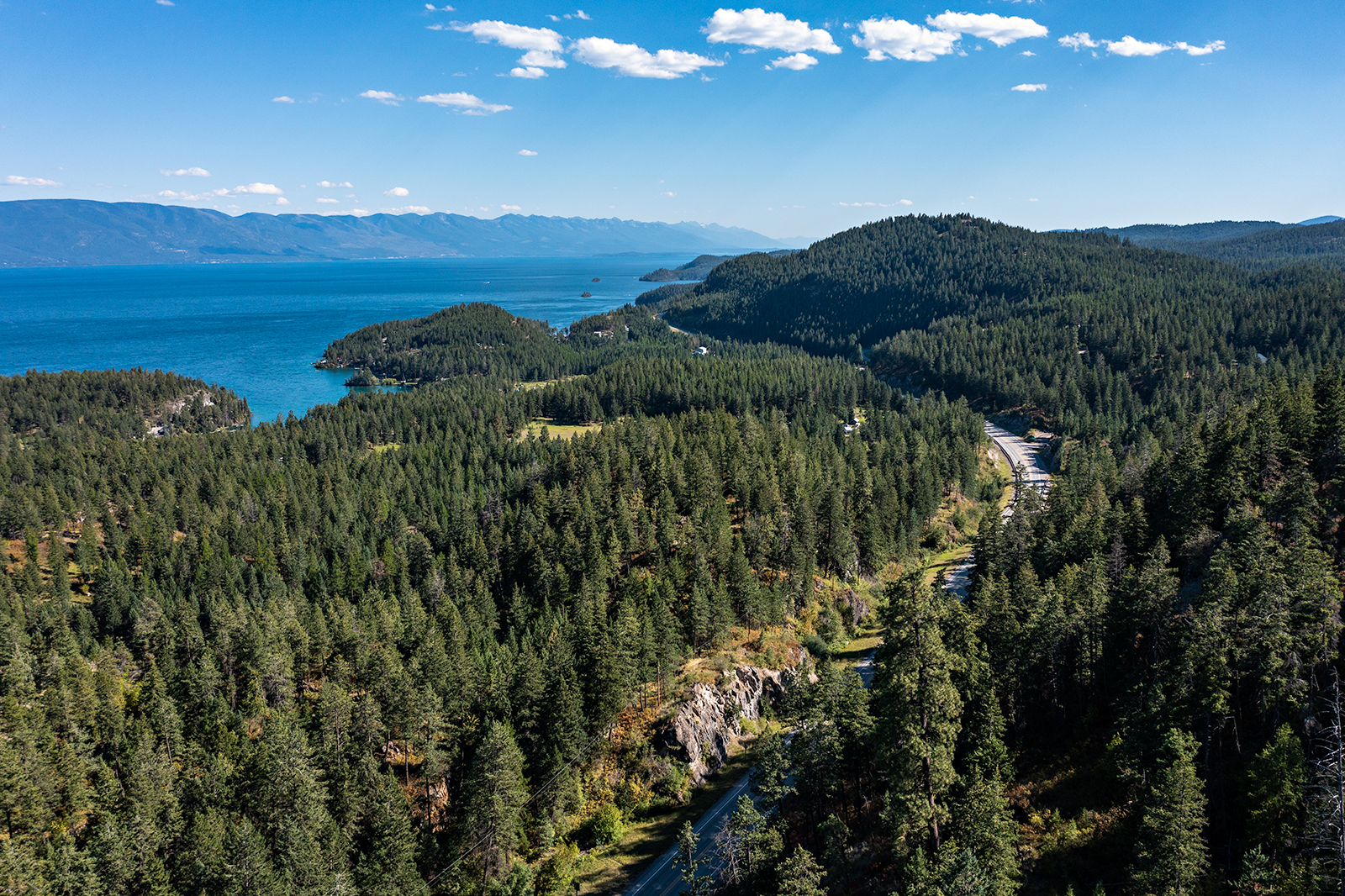
The luxury development comes from the multi-national Discovery Land Company. The public comment period on the facilities’ environmental assessment closes June 15.
Whether you’ve been here for decades, or you’re new to the Flathead Valley, our reporting is here to help you feel smarter and in the loop about the issues most important to Northwest Montana. With your support, we can build a more engaged, informed community.