Tucked inside federal bill H.R.1, better known as the One Big Beautiful Bill Act, along with changes to Medicaid such as the community engagement requirements Montana adopted July 1, was a $50 billion federal program intended to help states improve access to and the quality of rural healthcare. States must use funds they receive from the Rural Health Transformation Program (RHTP) each year.
Montana received $233 million to dish out in 2026, the fourth largest grant of all 50 states that applied for funding. That means the Treasure State is currently set to receive up to $1.2 billion over the life of the five-year program.
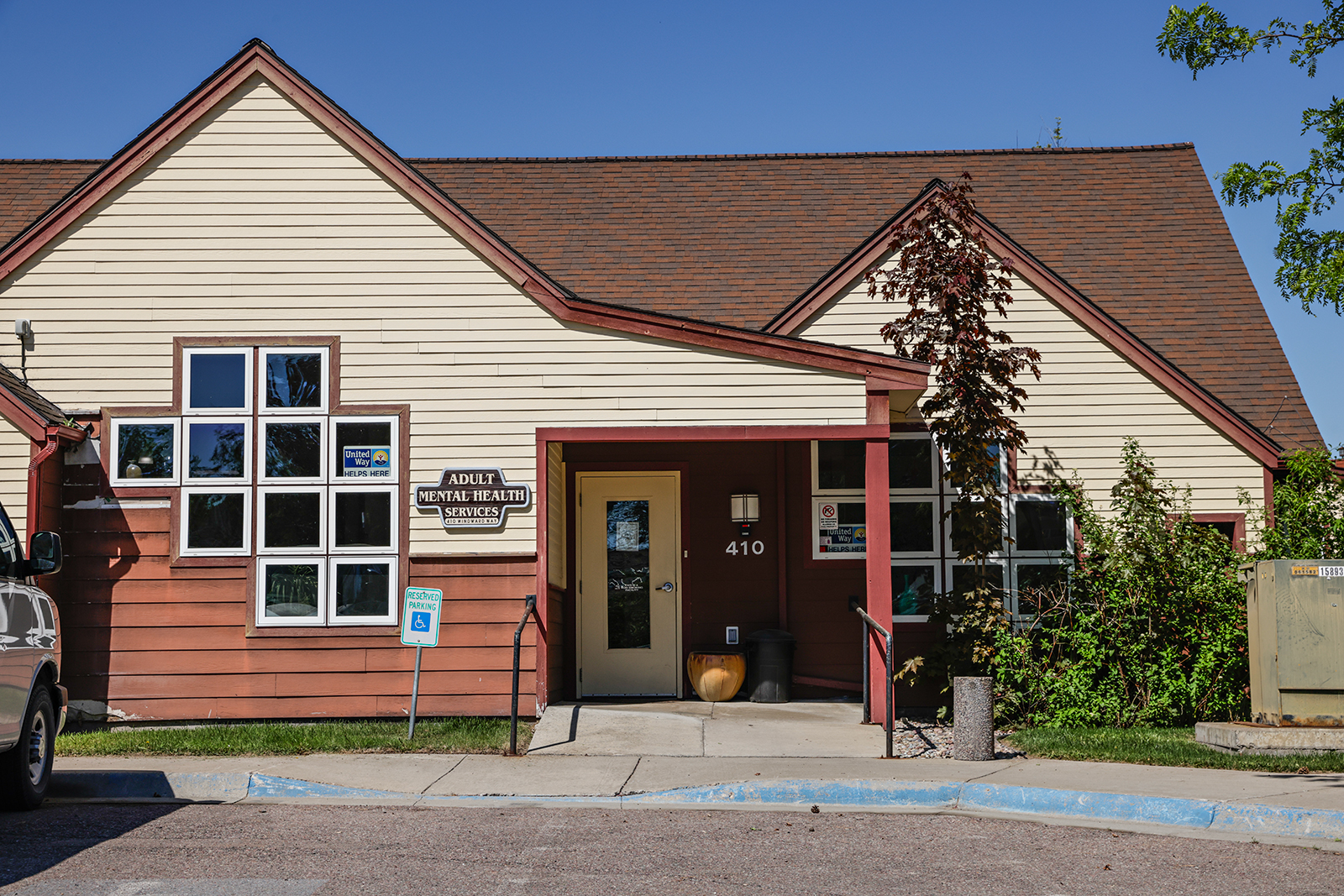
At the end of last week, Montana’s Department of Public Health and Human Services announced appointments to the program’s Center of Excellence Advisory Council, which will help oversee initiative two of the state’s rural health transformation plan. Initiative two, sustainable access, is designed to provide “funding for the expansion of telehealth services, linking rural hospitals with statewide specialists, and providing one-time-only awards for necessary telehealth equipment.” Of the plan’s five initiatives – workforce development, sustainable access, innovative care models, community health and prevention, and technology innovation – the state has allocated most of this year’s funding to go toward sustainable access initiatives this year, earmarked at $82 million.
Councilors will be responsible for ensuring that funds handed out in initiative two of the state’s rural health transformation plan, which focuses on sustainable access, accurately reflects the needs at the county, tribal and facility level. Appointees include Julie Cross, a family medical doctor and medical director of Logan Health Eureka, James Duncan, the Billings Clinic Foundation president emeritus, and others from tribal health centers, critical access hospitals, and federally qualified health centers in rural parts of the state.
Because of the program’s stringent timeline to hand out funds and short five-year span, healthcare leaders have raised concerns that the program doesn’t incentivize longterm solutions to rural healthcare access. The nonprofit Montana Healthcare Foundation reported last year that the changes to Medicaid could result in an estimated loss of 21-25% of federal Medicaid funds in the state over the next 10 years, which would be significantly higher than what the rural health program will provide.
Still, the impacts of the program remain to be seen as the state and council members evaluate funding opportunities.
“We’re grateful to these leaders for stepping up to help guide this work,” Director Charlie Brereton said in a prepared statement about the council appointments. “Their experience working in and alongside rural communities, critical access hospitals, and tribal health systems will keep us grounded in the realities of care on the front lines. This council gives us a strong foundation to avoid a one-size-fits-all approach to facility restructuring and sustainability, while still creating space for ongoing input from partners across Montana’s rural healthcare system.”
Zoë Buhrmaster, here. Let’s move into the rest of the roundup.
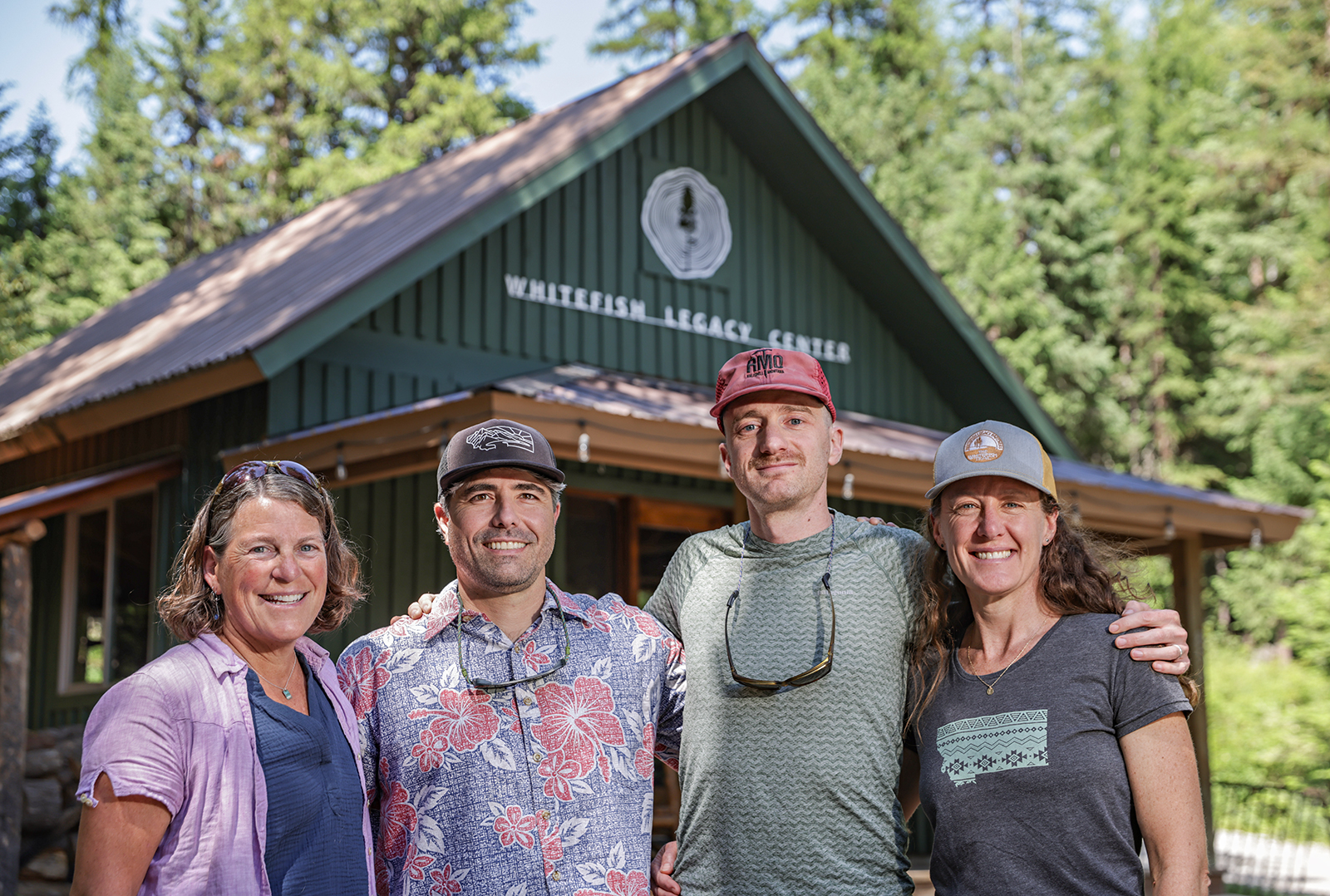
Whitefish Legacy Partners, the public trail system's nonprofit stewardship organization, will celebrate its new headquarters in the Beaver Lakes area with a grand opening on July 15
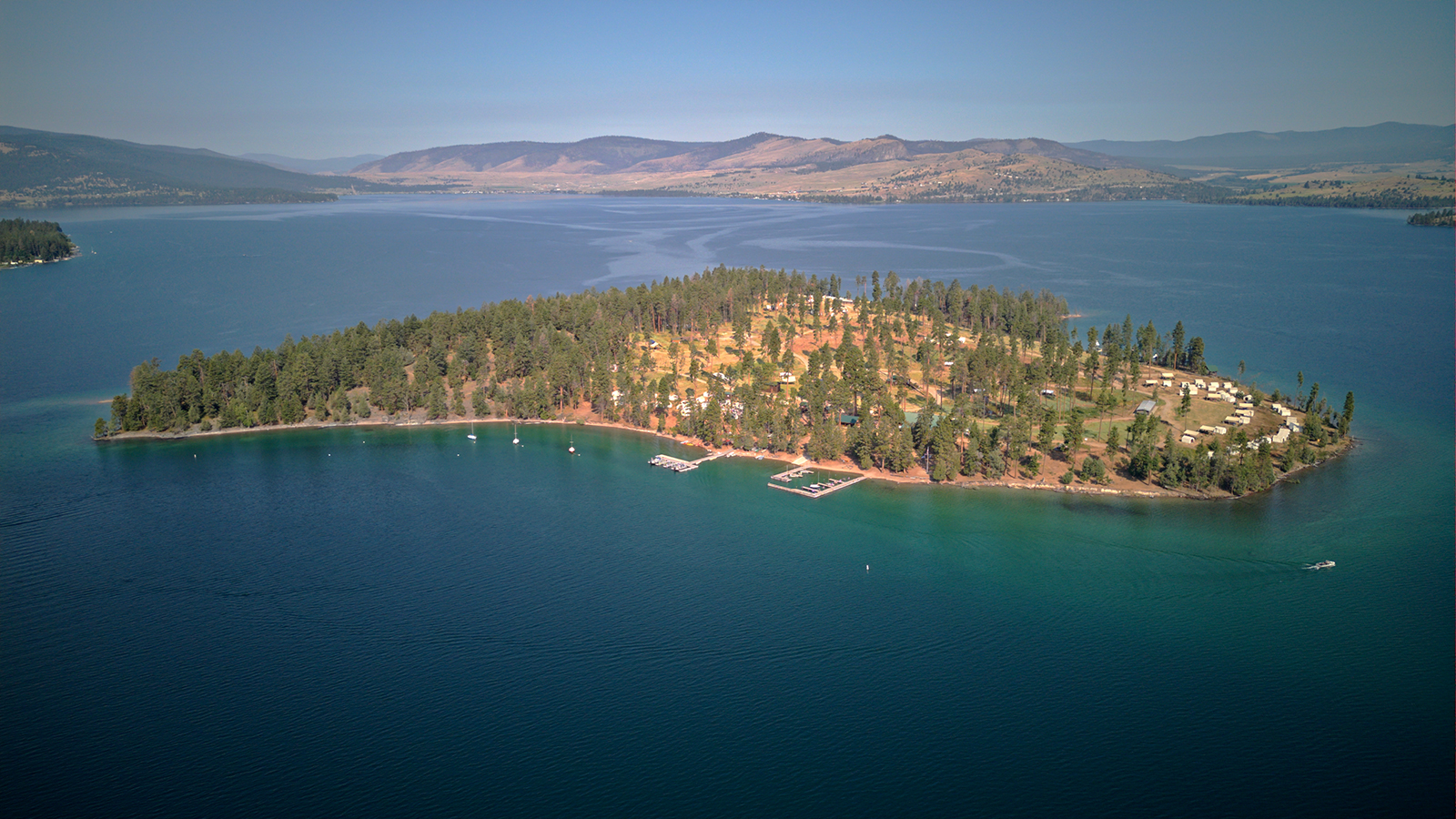
From its early Indigenous inhabitants to a long-term ownership agreement with a secret fraternal organization – and, finally, a mysterious benefactor's bestowal to the Boy Scouts – Flathead Lake's "64.5-acre jewel" has endured for centuries as a remote island retreat
Whether you’ve been here for decades, or you’re new to the Flathead Valley, our reporting is here to help you feel smarter and in the loop about the issues most important to Northwest Montana. With your support, we can build a more engaged, informed community.