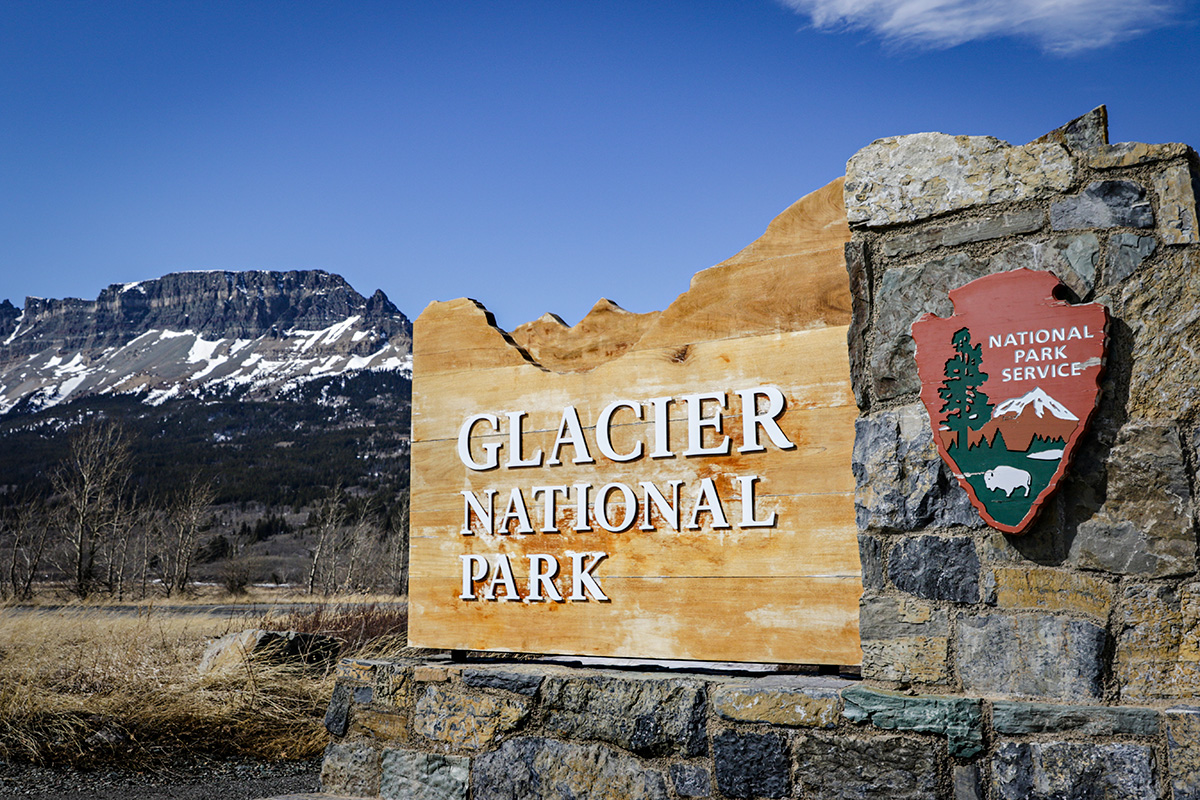
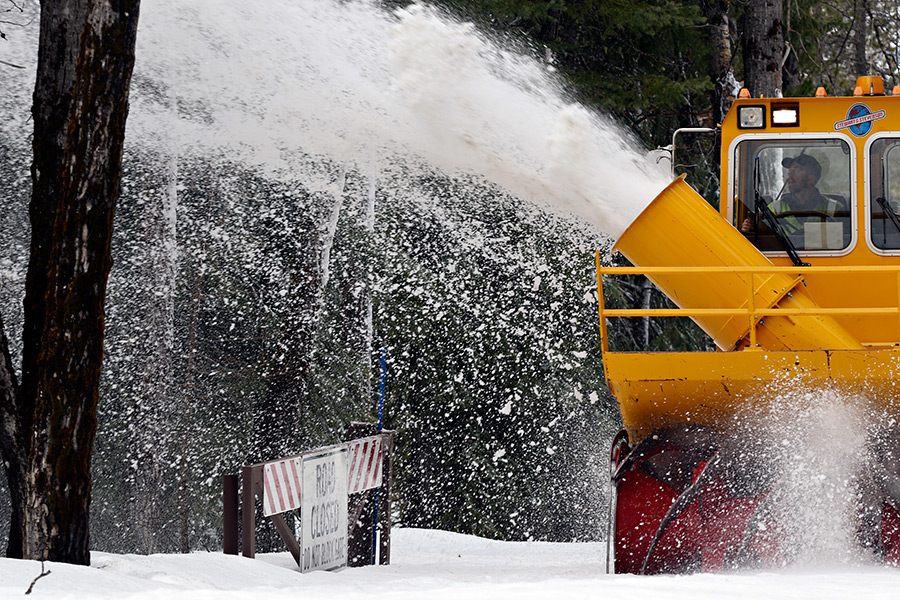
Greetings, Beacon Nation! Yesterday, the entire 50-mile length of the Going-to-the-Sun Road opened to motorized traffic between West Glacier and St. Mary, signaling the iconic roadway’s annual rite of passage and marking the unofficial start of summer in northwest Montana.
Tourism leaders have likened the effect of the Sun Road’s opening to turning on a garden spigot — each summer, the tap cranks open at full force, unleashing a torrent of visitors on the region while saturating the park’s gateway communities with a four-month spending blast.
Over the past decade, however, the seal of the spout has eased open more gradually as the peak season’s outer edges overlap with what was historically known as “shoulder season,” but which could be better characterized in this modern era of steady year-round visitation as “spring spikes.”
And yet, for all the rain the Flathead Valley received last month, and probably in part because of it, year-over-year visitation in May 2026 dried up slightly, dipping 7.3% compared to the same time period last year.
What caused the decline? Was it the rain? Or a confluence of factors? I’m Tristan Scott, here to test some theories by diving deeper into current and historic visitation figures before delivering the rest of Tuesday’s edition of the Daily Roundup below.
In 2016, Glacier National Park set a new visitation record for the month of May, which was historically considered the final calm stretch of the quiet season before droves of tourists converged on the park’s iconic Going-to-the-Sun Road. That year, which marked the park’s centennial, Glacier ushered 183,925 people through its gates during the month of May — a pittance compared to the park’s 238,766 visitors in May 2025.
Apart from a few outlier instances, visitation patterns have grown steadily ever since, including during the off-season months when the Going-to-the-Sun Road remains closed to motor vehicle traffic, but open to bikers and hikers. Exceptions to the rule have generally coincided with outlier circumstances; the covid-related restrictions on park visitation in 2020, for example, or infrastructure projects that prompted closures in Many Glacier in 2025.
For the first time in five years, however, public data for May 2026 reflects a dip in springtime visitation, with monthly figures dropping from 238,766 people last year to 221,308 people this year for a 7.31% decrease.
What confluence of circumstances displaced 17,458 people? Let’s tease out some theories that could be driving this shift.
During the first four months of 2026, Glacier National Park saw a 10% year-over-year increase in visitation with approximately 118,055 people entering the park and 51,266 visitors in April alone. The figures are comparable to 2021 when 124,959 visitors entered the park by the end of April of that year.
Several developments occurred in May that may explain the drop. First, a utility project to replace the water distribution system in the Two Medicine area began on May 1. So, while popular campgrounds — from Apgar to Sprague Creek, St. Mary to Fish Creek — were opening on schedule, the Two Medicine Campground remained closed and will not open this year. That could certainly explain why visitation to the Two Medicine area fell by more than 66%, dropping from 28,629 in May 2025 to 9,718 this year for a loss of 17,458 visitors.
That might seem like our most likely culprit. Until, that is, you consider that Many Glacier, which was closed last year to accommodate infrastructure improvements in the Swiftcurrent area, added nearly 8,000 visitors, jumping from 11,578 in May 2025 to 19,270 last month, registering a 66.4% increase and offsetting some of the drain at Two Medicine.
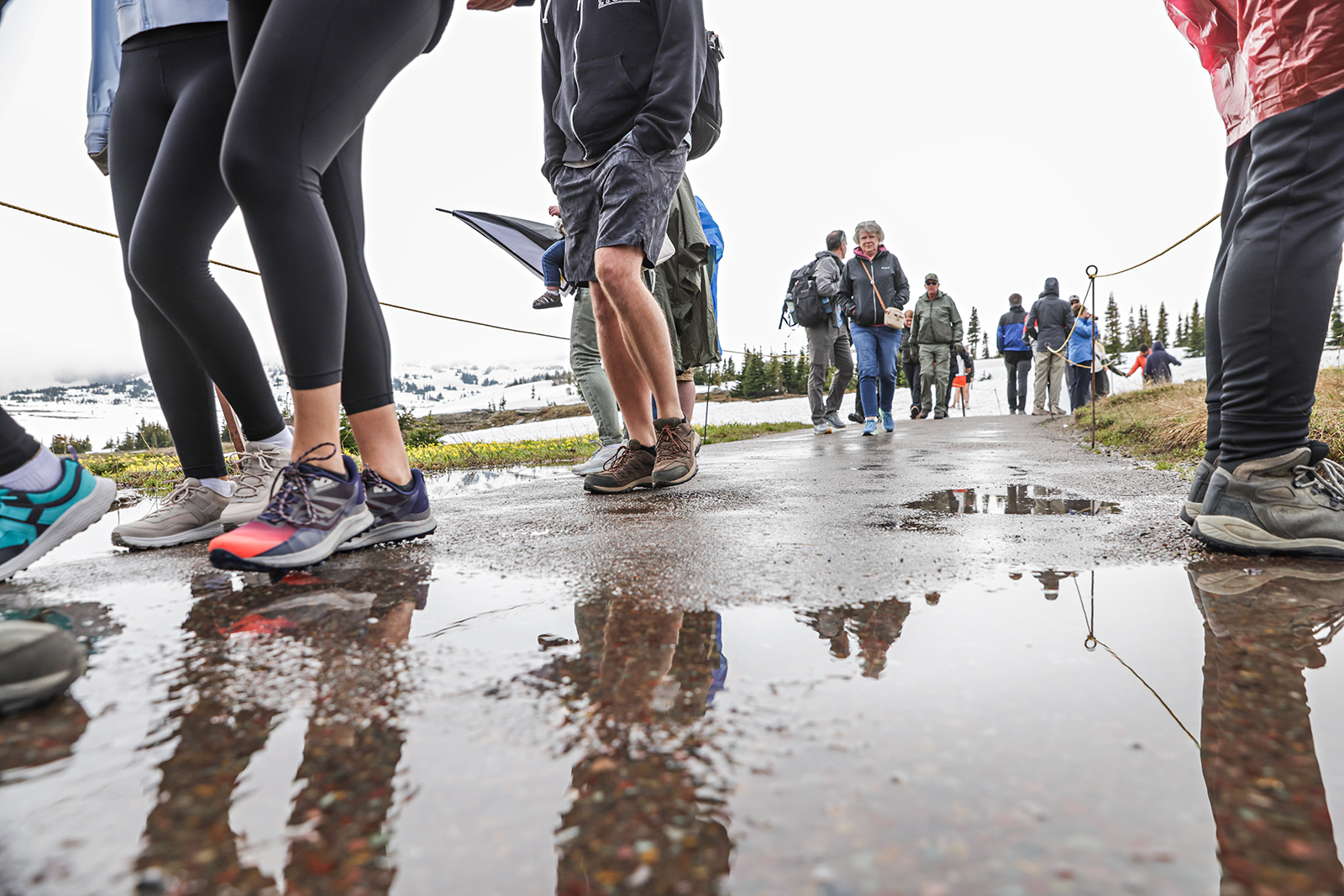
And then there was the rain. The Flathead Valley recorded one of its wettest Mays in more than a century, with precipitation totals reaching 172% of normal levels in Kalispell for the 25th wettest May in 132 years.
So, while rain and campground closures seem to account for the dip, I’m hoping that our discerning readers will share their insights and counterpoints.
In the meantime, here’s the rest of the Daily Roundup.
Memo Reveals Forest Service Could Open Recommended Wilderness to Off-road Vehicles
Local conservationists say the potential U.S. Agriculture Department secretarial memorandum is part of the latest effort to roll back regulations and undermine years of collaboration in managing motorized and non-motorized use in the Flathead National Forest
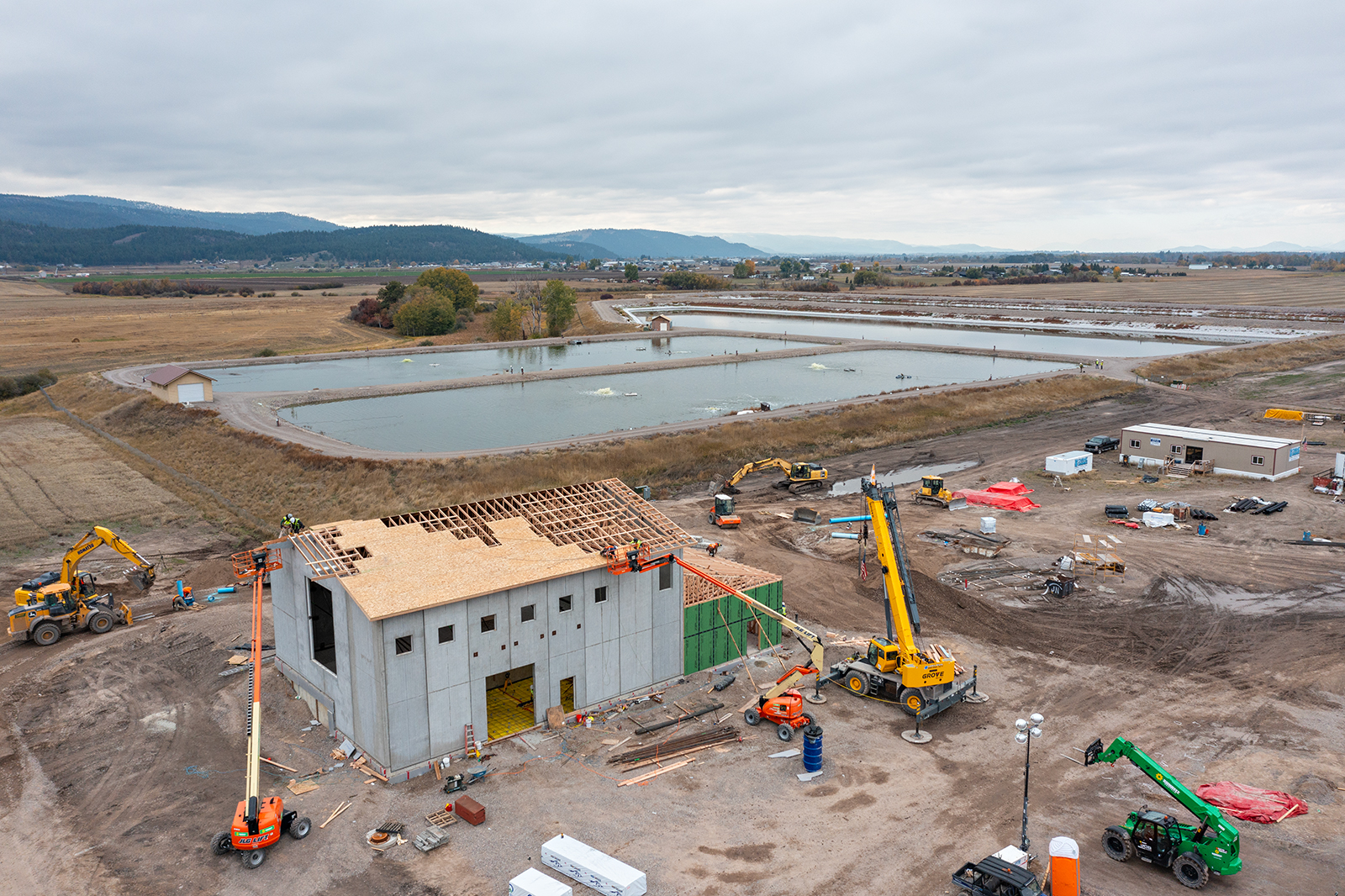
State Approves Environmental Assessment for Phase Two of Lakeside Sewer District Expansion Plan
The assessment found no 'significant adverse effects' on phase two of the wastewater facility project, allowing the district to begin bidding for contractors for the new treatment plant facilities
Meet the crew of specialists who take on the colossal, and often harrowing, job of clearing mountains of snow from Glacier Park’s famed Going-to-the-Sun Road
Whether you’ve been here for decades, or you’re new to the Flathead Valley, our reporting is here to help you feel smarter and in the loop about the issues most important to Northwest Montana. With your support, we can build a more engaged, informed community.