Greetings, Beacon Nation! I’m Tristan Scott, here to deliver a special edition of the Daily Roundup, including a Memorial Day weekend post-mortem and a heap of news you may have missed over the extended holiday weekend.
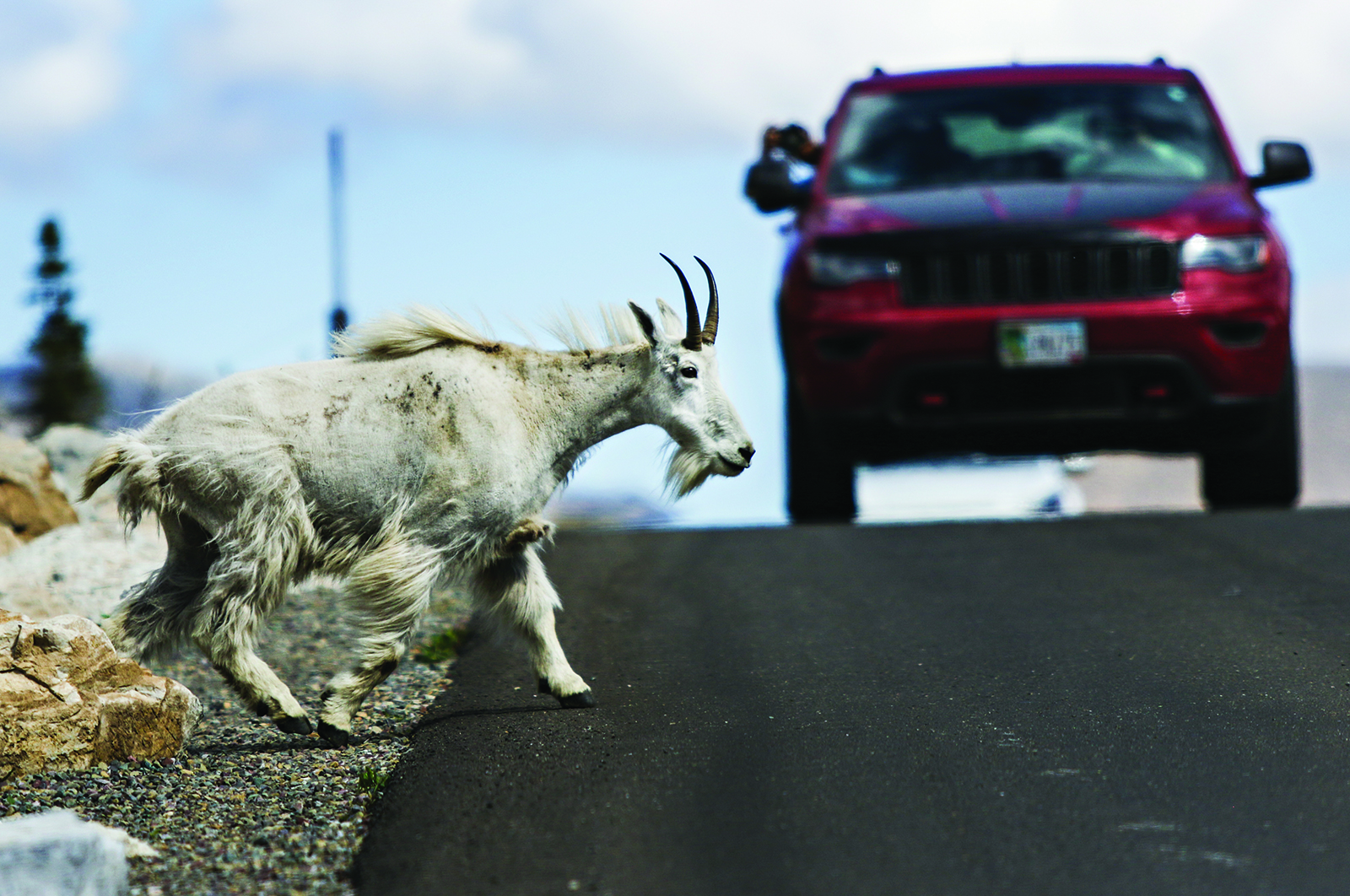
Five years ago, as pent-up pandemic-lockdown fatigue manifested in a mad dash for mountain air, throngs of Americans struck out for the great outdoors in record-breaking numbers. In Glacier National Park, officials clocked the highest year-to-date visitation in the park’s history, crediting a ticketed-entry system that debuted on May 28, 2021 with saving their bacon and staving off even more severe gridlock.
“Based on the number of arriving vehicles, in the absence of the ticketed entry system, the park would very likely have had to close the west entrance gate at least seven times [between May 28 and June 13] to manage severe congestion, gridlock, and traffic backups onto U.S. Highway 2,” according to a press release, which pegged visitation during that two-week period at 27% higher than previous years.
One year earlier, the crush of Covid-era overcrowding tested Glacier’s capacity like never before, leading former park Superintendent Jeff Mow to characterize the high season as the “summer like no other.”
But so far in 2026, visitation figures are on par with 2021. And without a reservation system in place to backstop overcrowding, some local stakeholders worry if the congestion crisis will return.
When officials launched the vehicle reservation program in 2021, the new pilot system helped manage congestion during the peak summer season along Going-to-the-Sun Road, the park’s 50-mile alpine thoroughfare. But outlying valleys struggled to absorb the displaced pressure and congestion, while Logan Pass remained an ongoing challenge as parking remained at a premium.
“Due to the popularity of Logan Pass and the hikes that begin there, the parking lot often fills before dawn and remains mostly full all day, leaving few opportunities to park and visit,” park officials said at the time.
Since that debut, the park’s specialists have tweaked and refined the reservation program year after year in search of a visitor-use “sweet spot” that protected the park’s natural resources and infrastructure while seeking to improve the visitor experience.
As summer of 2026 swings into view, however, park administrators have abandoned the reservation system restricting personal vehicles altogether, swapping out the pilot program in favor of a reservation-based alpine transit system and a three-hour parking limit at Logan Pass. Although visitors may enter any of the park’s entrances without a vehicle reservation, beginning July 1 they must secure a reservation to ride a shuttle. They’ll also encounter a three-hour, timed parking lot restriction “designed to increase parking turnover, allowing more visitors to access and enjoy Logan Pass throughout the summer season,” officials said of the changes.
“This year is definitely a deliberate pivot,” Glacier Park Superintendent Dave Roemer told attendees at a community meeting last week, when he unveiled the loose framework of a long-range proposal to scale up the park’s shuttle system that is currently “oversubscribed.”
The new proposal calls for expanding the outmoded shuttle network to ferry visitors between the park’s most popular destinations, including Logan Pass, while adding hundreds of new parking spaces at key locations near park entrances and in outlying valleys. Because Glacier’s existing inventory of shuttles consists of just 36 vehicles, Roemer said the park’s goal is to grow its fleet and its parking capacity “in lockstep,” adding up to 600 spaces and several dozen new vehicles.
“We just don’t have the ability with 36 vehicles right now,” Roemer said. “And if tomorrow somebody gave me another 36 buses, I wouldn’t have parking for the people to use 36 buses. So it all needs to grow in lockstep.”
The problem is, visitation to Glacier Park isn’t going to slow down in order to grow in lockstep with the park’s transportation plans. So far this year, the visitation figures appear to be mirroring those recorded in 2021.
During the first four months of 2026, approximately 118,055 people came to Glacier National Park, compared to 107,685 in the same time period last year. That’s a nearly 10% increase, with 51,266 visitors arriving in April alone for a 5.5% increase over the same month last year. The park has not yet released visitation figures for May, but if the multiple congestion-related closures that occurred over Memorial Day weekend is any indication, it’s been a busy month.
Rewinding to the first four months of 2021, about 124,959 people had visited Glacier; by the end of May, that figure jumped to 294,742 visitors entering the park, a 17.1% over the same time period in 2019 (visitation figures at the height of the pandemic in 2020 are not relevant) and the highest year-to-date visitation through May on record, according to park officials.
Indeed, visitation spiked by double-digit percentages each of the first three months of 2026: In March, 66,786 visitors came to Glacier, compared to 59,100 last year, for a 13% increase; in February, the park welcomed 21,632 visitors compared to 15,202 last year, for a 42.3% increase; and in January, 20,106 visitors came to Glacier, compared to 17,984 last year for a 11.8% increase.
After Flathead schools’ levy asks failed across the board earlier this month, some are beginning to navigate questions of where to make cuts to stave off projected deficits. Districts must set their budgets for the 2026-2027 school year by Aug. 25.
White-collar Workforce Continues to Drive the Flathead Valley’s Economy
A Montana Department of Labor and Industry report revealed the financial and professional services sector is responsible for nearly one third of the state’s economic production as banking and real estate dominate the Flathead Valley
Floor Space: What You Can Buy for About $2,400,000
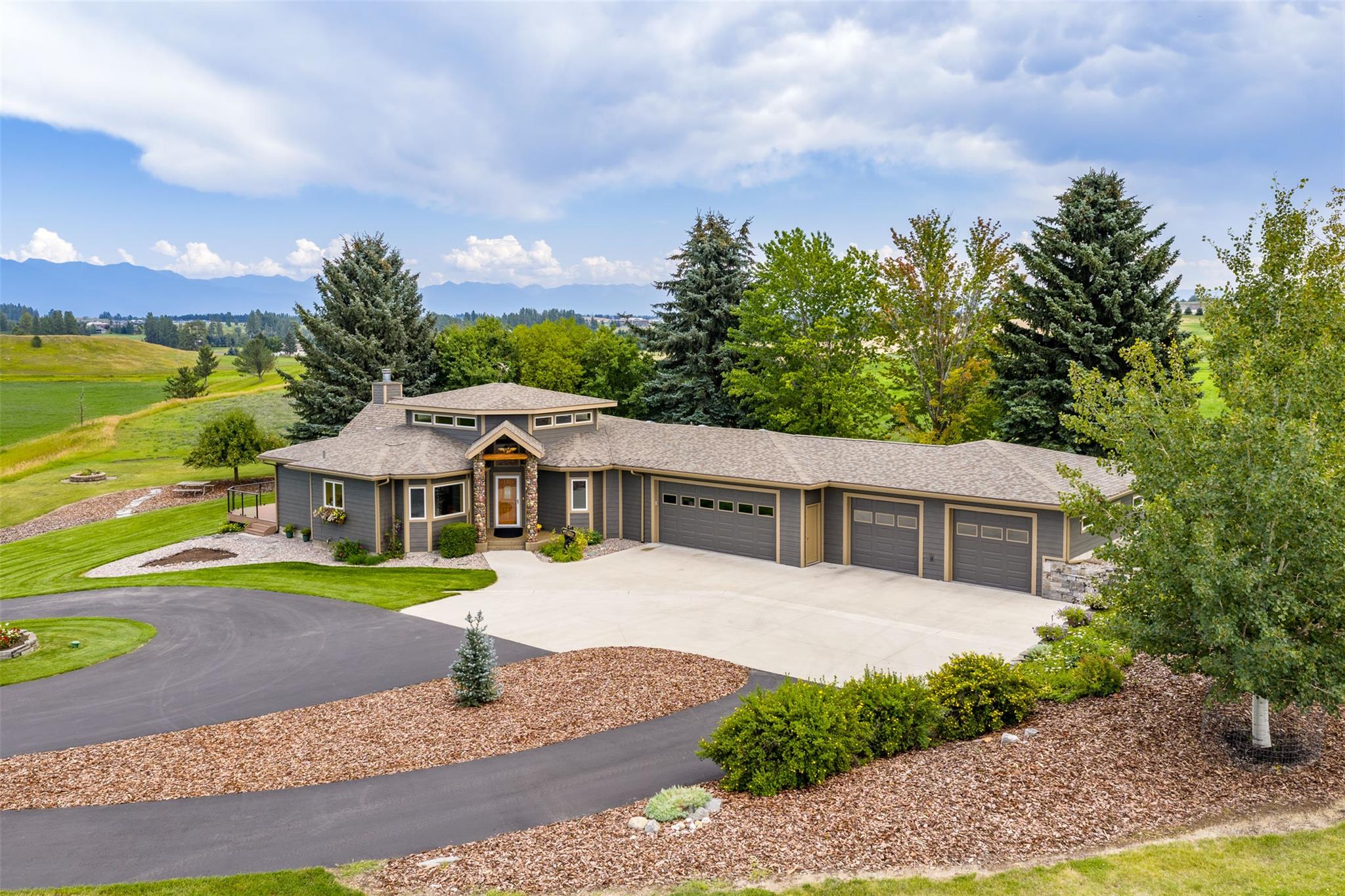
A 46-acre estate in Kalispell’s West Valley; a partially updated Whitefish home on more than 10 private acres; and an off-grid retreat on Wild Horse Island
Whether you’ve been here for decades, or you’re new to the Flathead Valley, our reporting is here to help you feel smarter and in the loop about the issues most important to Northwest Montana. With your support, we can build a more engaged, informed community.