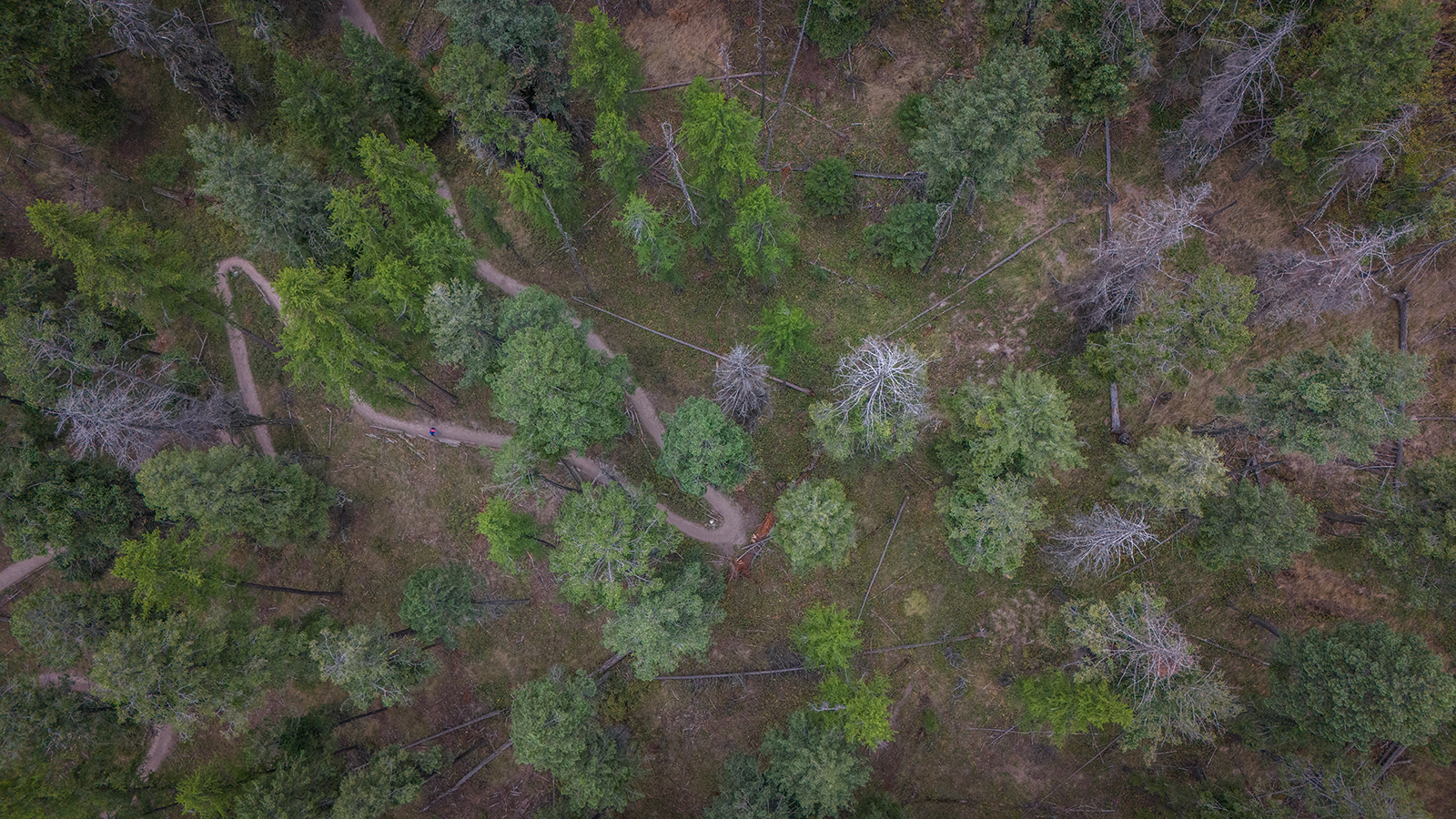
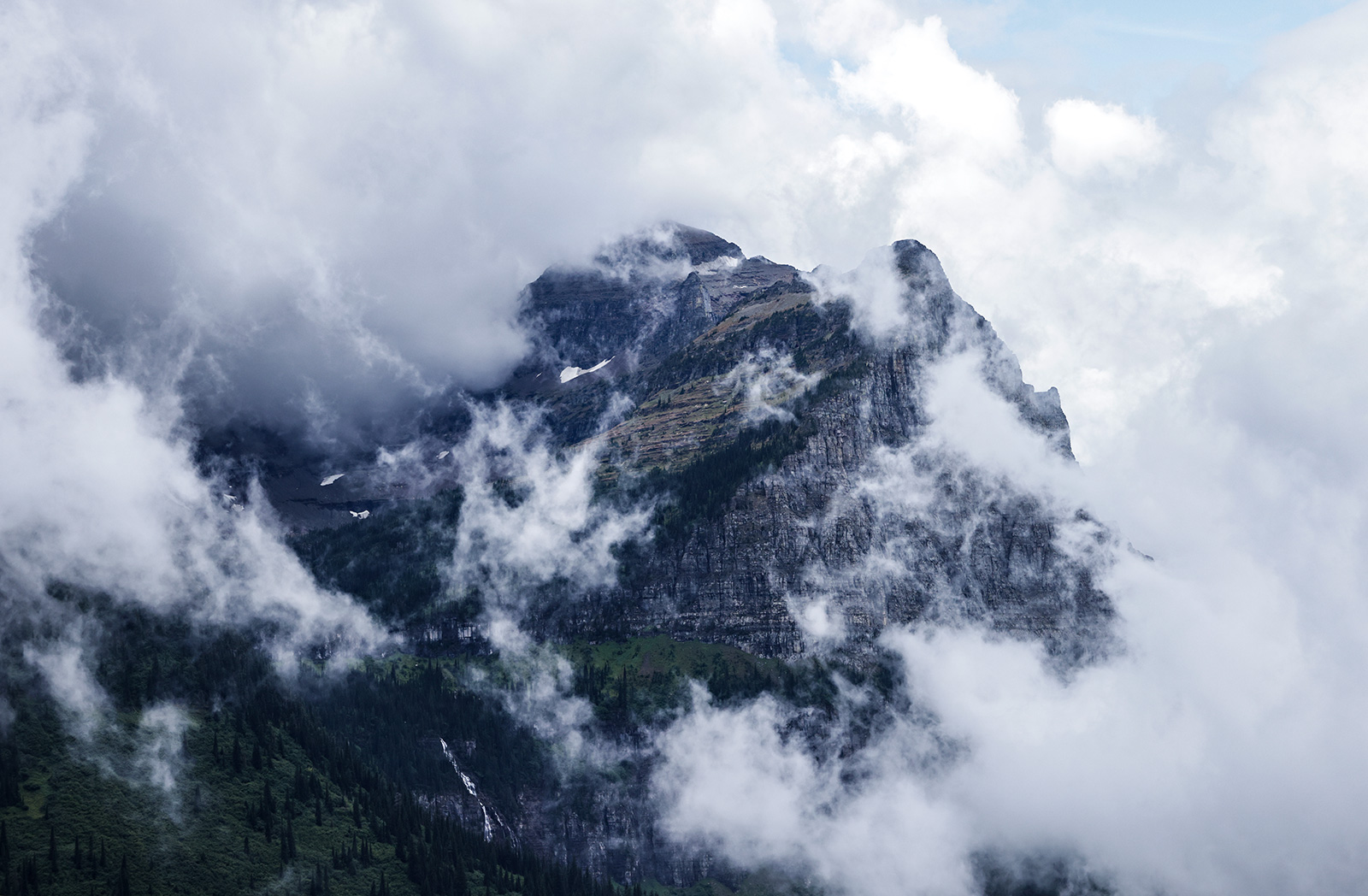
Happy Tuesday, Beacon readers! Mariah Thomas here, following a relaxing three-day weekend that included my first climb up Standard Peak, where at the top I had a very not-standard view of mountains stretching in every direction as far as the eye could see. I keep flipping back through the photos in my camera roll and thinking about how lucky I am — how lucky we are — to live in this place.
Beyond my escape into the mountains, I also spent part of my weekend reflecting on Labor Day and how it connects with Montana’s history. (One fun fact about me: I earned a history minor in college, and trying to better understand the context of the state I love is one of my favorite pastimes.)
This state’s history is one that has been rich with labor’s influence, as unions have long exercised political power in Montana. It’s a tradition with tendrils that extend to the modern age, as the state legislature has seen bipartisan efforts in its two most recent sessions to kill “right-to-work” legislation that would weaken organized labor, over the voices of some powerful supporters of those bills. And of course, one can’t consider Montana’s longer history of unionism without considering Butte, long known as the “Gibraltar of Unionism” for the city’s strong pro-labor position.
Particularly in the late 1800s and early 1900s, as Montana’s Copper Kings exercised extraordinary power with the Anaconda Mining Company, unions served as a critical part of keeping miners safe and advocating for their rights in the workplace.
The Butte Miners Union, founded in 1878, became one of the largest local unions in the United States, eventually reorganizing in the 1890s to become Local #1 of the Western Federation of Miners (WFM). And the WFM eventually gave rise to a prominent anti-capitalist union in the Industrial Workers of the World. Factions between more radical and more conservative unionists in Butte led to violence in the city’s labor movement and tampered miners’ ability to join a union until the 1930s when New Deal legislation paved the way for the Butte Miners Union to once again gain recognition.
Labor’s influence on the city remains evident even today, as labor temples dot Butte’s landscape. And it was labor unions’ influence in the state that helped bring about changes like an 8-hour workday, child labor laws and women’s suffrage in Montana.
In the more-modern age, labor’s power has transformed as mining, timber, and other industries formerly considered union strongholds saw job numbers decline — though that doesn’t mean trades unions don’t still exist in the Treasure State. Still, those declining figures of jobs in the trades happened as public-sector work rose, eventually leading to the consolidation of teachers’ and public sector workers’ unions into the largest union in Montana today, the Montana Federation of Public Employees.
While the number of Montanans who are union members is down today from its 1992 peak, nearly 12% of the state’s workers were part of a union in 2024, according to figures from the U.S. Bureau of Labor Statistics.
And those union members have historically been an important voting bloc for Montana’s politicians to court. Many of the state’s powerhouse lawmakers have earned reputations as allies to unions, from former Democratic U.S. Rep. Pat Williams to former Republican Gov. Marc Racicot.
This year has been no exception, as candidates running for office across the political spectrum have upheld their union endorsements as proof positive they’re the right person to serve Montana.
“Our broken political system is failing workers, with politicians either treating them as an obstacle to business or as a rally and a photo opportunity,” said independent Senate candidate Seth Bodnar in a Labor Day press release. “Montana’s workers deserve an Independent senator who backs them with actual votes: opposing Right to Work, defending the right to organize and bargain collectively, and insisting that if you want to build in our state, you build with Montana labor.”
Bodnar has earned the endorsements of the Montana AFL-CIO, the Montana Federation of Public Employees (MFPE) and the SEIU 775, a healthcare workers’ union. He earned those groups’ endorsements over the Democrat in the race, Alani Bankhead, even as some of those unions typically back Democratic candidates in two-way races. Republican Kurt Alme, for his part, picked up support from the International Union of Painters and Allied Trades last week.
The same groups that have backed Bodnar have also lined up behind Democrat Sam Forstag in his bid for Montana’s first congressional district, alongside a slew of others, in a race where Forstag has consistently hailed his own union roots as a critical piece of his pitch for the job. Forstag served as a vice president of his own local union chapter for forest service employees in Missoula and has previously said his run for office was catalyzed by watching his coworkers be laid off during Department of Governmental Efficiency cuts that came down from the national government. Forstag’s campaign website, too, outlines his support for strengthening unions and raising the minimum wage to $15 per hour.
Forstag’s Republican opponent in Montana’s first congressional district, Aaron Flint, has also lauded his support from Montana’s Carpenters Union and Montana’s Ironworkers Union. Flint, a veteran and talk radio show host, has emphasized the need to revitalize the trades in the state during his run for office, calling for expanded timber harvests and resource extraction, along with making investments in workforce training and apprenticeship programs.
Of course, a union’s endorsement of a candidate doesn’t necessarily mean every single member of that union falls in line with that stance. Almost certainly, there are teachers and public sector workers supporting Aaron Flint over Sam Forstag, for example, or carpenters and ironworkers backing Forstag over Flint.
Unions aren’t monoliths. But their endorsements do offer an indicator of where a candidate stands and who they might advocate for, should they get into office — and that’s something we all deserve to know as we think about casting our ballots this November.
We’re only 56 days away…
And that’s what I’ve got for you on today’s Daily Roundup. Read on to catch up on some more Beacon stories from over the long weekend.
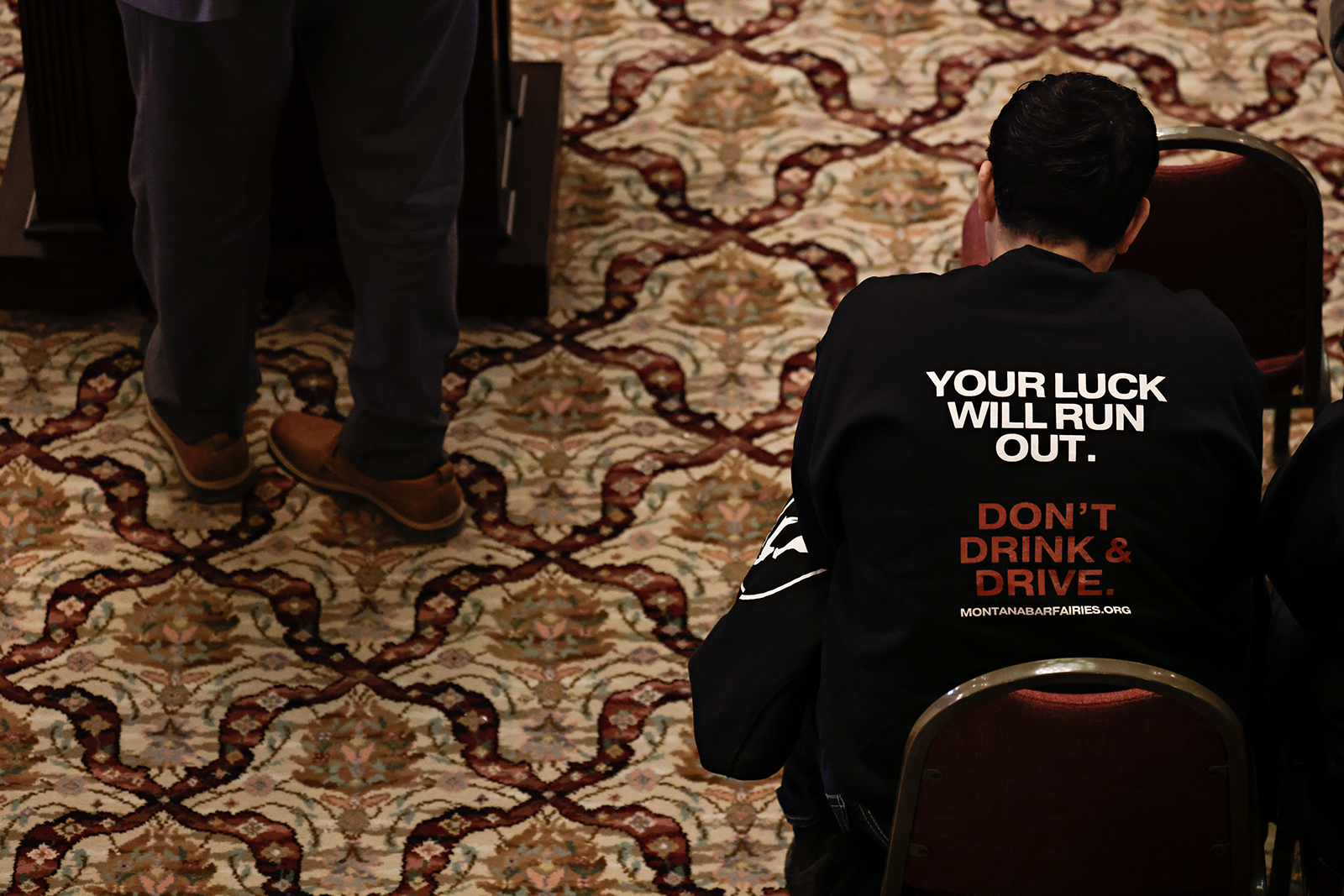
‘It Takes All of Us’: DUI Reform Summit Calls for Stakeholders to Unite Against Drunk Driving
Montana’s rates of drunk driving have long been among the worst in the nation — but advocates, lawmakers, treatment specialists, law enforcement officers and more came together in the Flathead to discuss possible solutions Thursday in a first of its kind event.
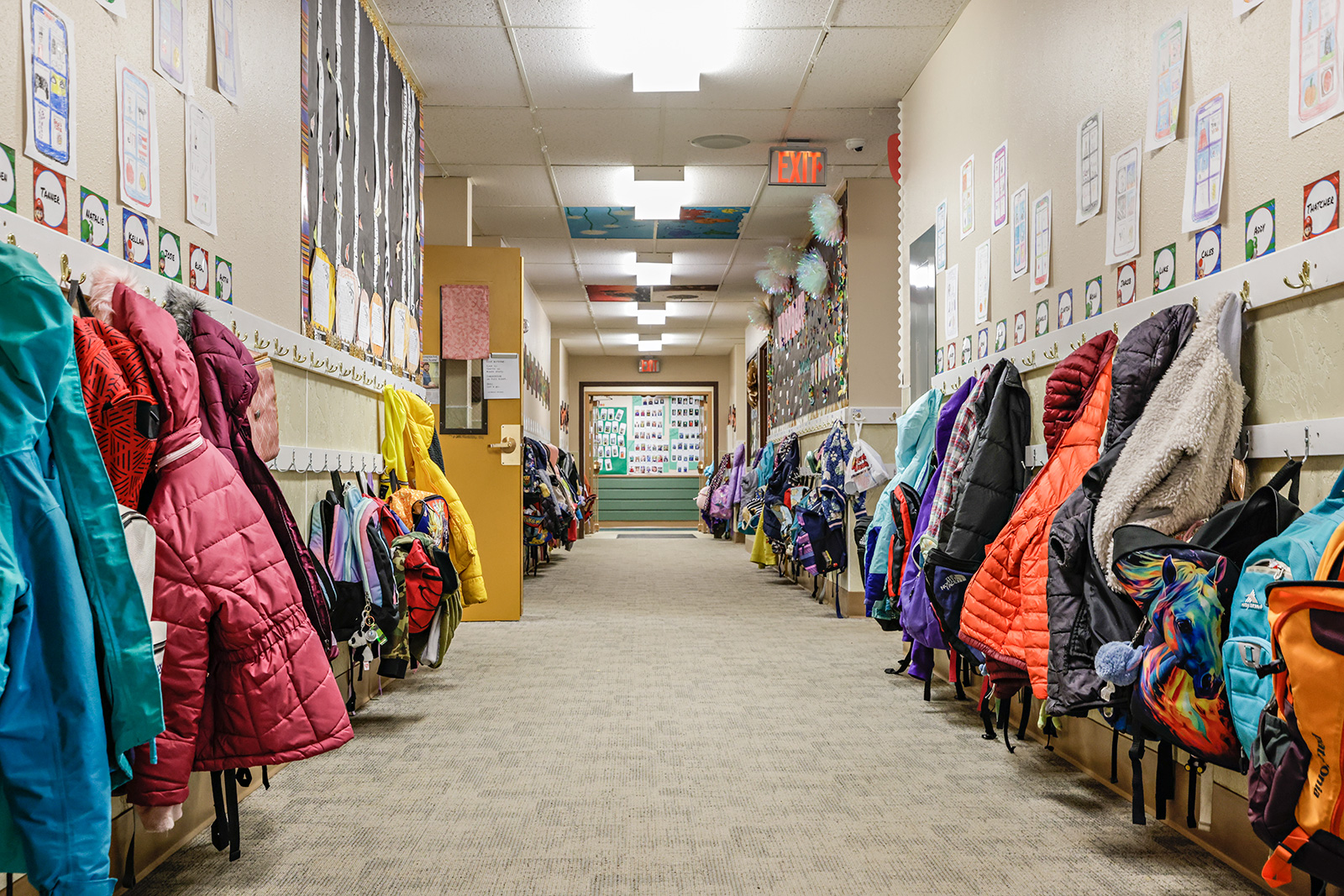
Swan River School Set to Take $1.5 Million Building Reserve Levy Ask to Voters
The rural K-8 district outside Bigfork wants to collect $1.5 million over 10 years to rebuild its building reserve fund, starting with furnaces that heat half the school
Whether you’ve been here for decades or you’re new to the Flathead Valley, our reporting is here to help you feel smarter and in the loop about the issues most important to Northwest Montana. With your support, we can build a more engaged, informed community.