Greetings, Beacon Nation! As our collective nation observes Martin Luther King Jr. Day, I’m including a gentle reminder at the top of this newsletter that today is the only federally recognized National Day of Service, which is meant to encourage Americans to volunteer in honor of Dr. King’s life and legacy, according to the National Museum of African American History and Culture.
For those of you whose Monday holiday doesn’t afford a break from work responsibilities or an opportunity to volunteer, Flathead High School is hosting an evening celebration at 5 p.m. tonight, Jan. 19, in its auditorium. Seniors with the FHS International Baccalaureate program will present reflections on King through words and music, with the Flathead Choral Aires performing along with the Crown of the Continent Choir. At the end of the week, Flathead Valley Community College has organized a day of service on Friday, Jan. 23 to honor King’s legacy with DIY service projects that benefit local communities.
In other news, British Columbia’s Environmental Assessment Office (EAO) hasbegun its environmental review of plans by Elk Valley Resources to expand one of its coal mines situated near an international watershed spanning the border with Montana, where concentrations of mining contaminants in rivers downstream of the mines have exceeded safety thresholds for decades. The project review is underway even as the International Joint Commission (IJC) investigates the pollution in coordination with Canadian and U.S. federal governments, as well as B.C., the states of Montana and Idaho, and six Indigenous communities.
I’m Tristan Scott, with you today in hopes that you’ll consider our dedication to delivering community journalism a small act of service.
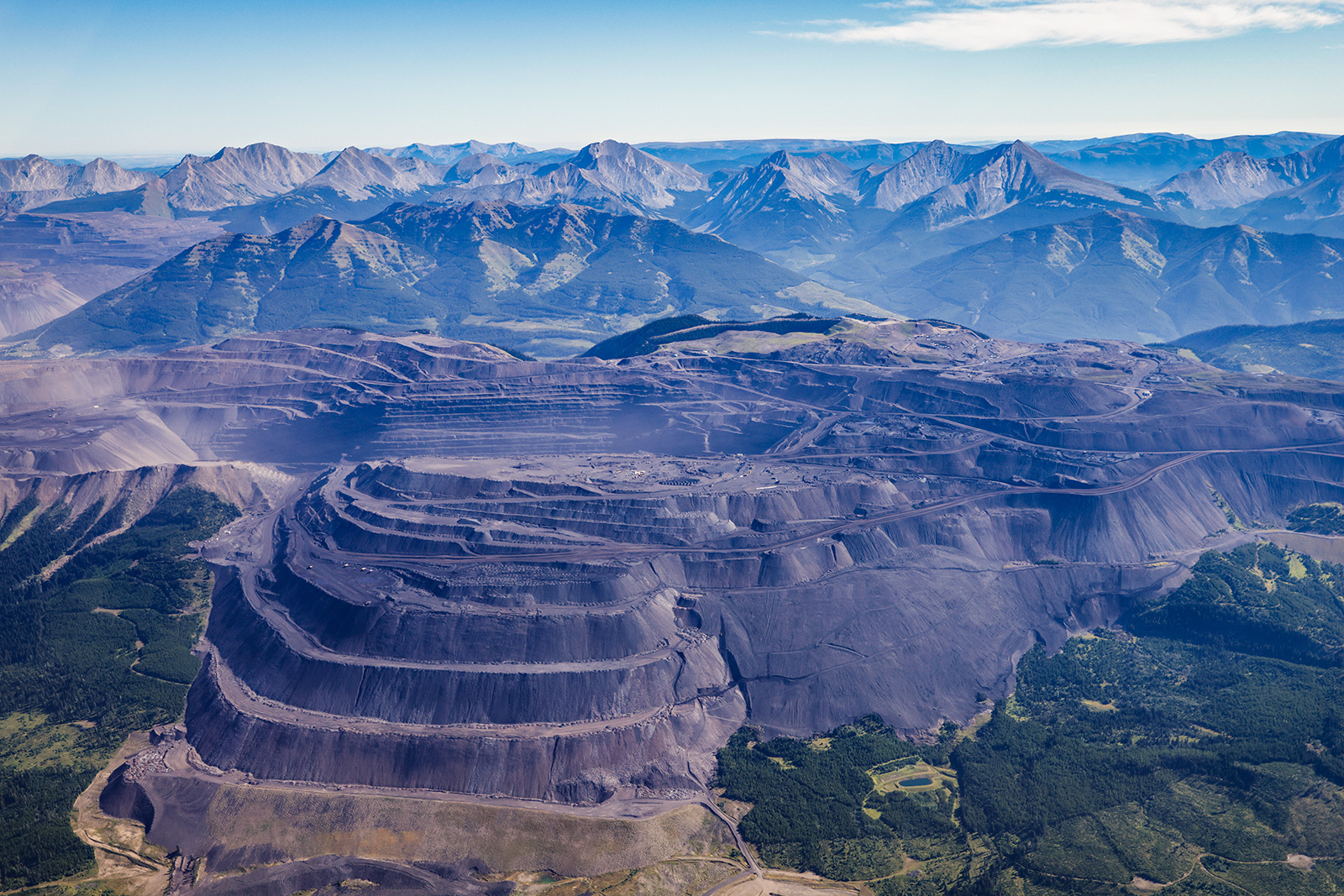
The proposed expansion of Elk Valley Resources’ (EVR) Fording River coal mine formally entered B.C.’s environmental assessment process on Jan. 14, kicking off a 30-day public comment period that runs through Feb. 15. People can read about and comment on the project at the government’s EPIC engage website. If approved, the Fording River Extension project would allow EVR to expand its mine (pictured above) by nearly 5,000 acres and, according to environmental watchdogs, up to nearly 4 billion pounds of waste rock in the process.
Waste rock from Elk Valley coal mines, including at Fording River, is the primary source of the selenium pollution that’s threatening aquatic ecosystems in B.C.’s Elk Valley and the Kootenay River, which, when it crosses the U.S.-Canada border at Lake Koocanusa, becomes the Kootenai River (spelled with an “i” instead of a “y”) as it flows through Montana and Idaho.
But spelling subtleties aside, critics of the proposed expansion have emphasized that the pollutants leaching out of the piles of EVR’s waste rock do not recognize international boundaries. Research reveals the scope of the pollution is wide-reaching, and that contaminants jeopardize fish reproduction for species in downstream waters, including the westslope cutthroat trout. The mining byproducts can also upend aquatic food webs and threaten ecosystems in the Kootenai River watershed.
“The fact that this expansion is being proposed while existing Elk Valley mines pollute aquatic ecosystems and drinking water should be grounds alone for the B.C. government to reject this proposal,” according to Simon Wiebe, mining impacts and policy lead at Wildsight, an organization tracking the pollution and the proposed expansion. “This public comment period is an opportunity for everyone affected by this crisis to speak up and make sure that B.C. listens.”
The Glencore-owned EVR (formerly Teck Resources) operates four mines that produce steelmaking coal and has renewed a proposal to extend Fording River operations for another 35 years. It also proposes to expand its footprint by mining a new site just south of the existing mine northeast of Elkford, B.C.
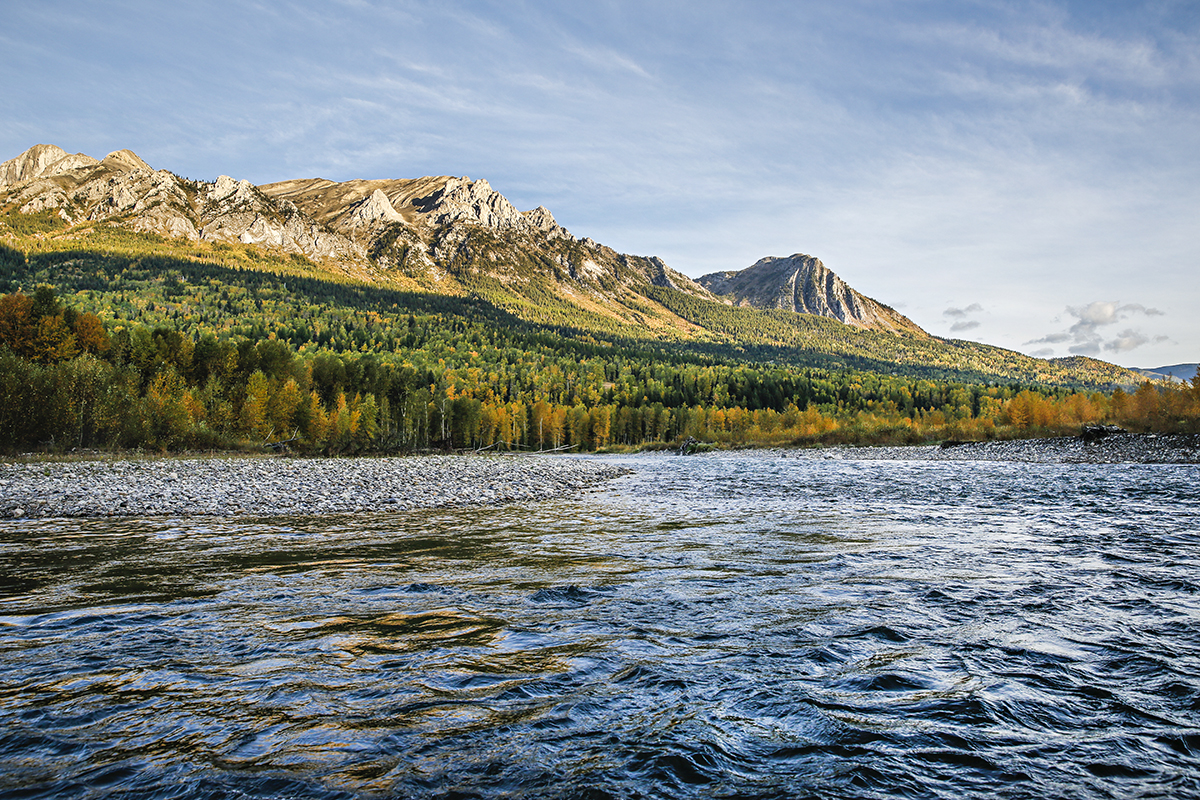
For decades, open-pit coal mines located in the Elk Valley have leached selenium, nitrate, and sulphate into the Elk and Kootenai rivers. The Elk River (pictured above) rises in the Canadian Rockies and flows into the U.S. at Lake Koocanusa, an impoundment of the Kootenai River. It then flows through the states of Montana and Idaho, and through transboundary Indigenous lands, including those of the Confederated Salish and Kootenai Tribes (CSKT) and the Kootenai Tribe of Idaho on its way back to the province of B.C., where it empties into the Columbia River.
In 2023, a peer-reviewed study from the U.S. Geological Survey found increases of selenium in the Elk River were the largest ever recorded.
In October, the federal Impact Assessment Agency of Canada (IAAC), which is coordinating the environmental review of the Fording River project alongside EAO, conducted its own assessment of the Fording River Extension Project and determined that “a further assessment is required” because the expansion project “may cause adverse effects within federal jurisdiction or direct or incidental adverse effects.”
“These effects include, among others, potential effects to fish and fish habitat including fish species at risk, migratory birds, to boundary waters, international waters, or interprovincial waters that would be caused by pollution, and changes to the health, social, economic, and environmental conditions of Indigenous Peoples,” according to IAAC’s notice of further assessment. “The project may also adversely impact the exercise of rights of Indigenous Peoples.”
An EVR spokesperson said internal monitoring by the company shows selenium and nitrate levels have stabilized and are decreasing downstream of four water quality treatment facilities it has constructed.
However, last fall Indigenous leaders of the Ktunaxa Nation stated in a letter that they did not endorse the Fording River Extension Project moving into the environmental assessment stage of the process, citing concerns with EVR’s water quality compliance and the “pace and quality of reclamation” among its top concerns.
“The amount of land that has been reclaimed to Ktunaxa standards and is ready to be returned is negligible compared to the land currently impacted by mining,” the letter states. “Again, contemplating additional disturbance without substantial progress on reclamation is unsatisfactory. The Upper Fording River is highly impacted by mining. As such, Ktunaxa rights in the area have been highly impacted [and] additional disturbance, including the loss of trails, hunting areas and habitation sites is impossible to support.”
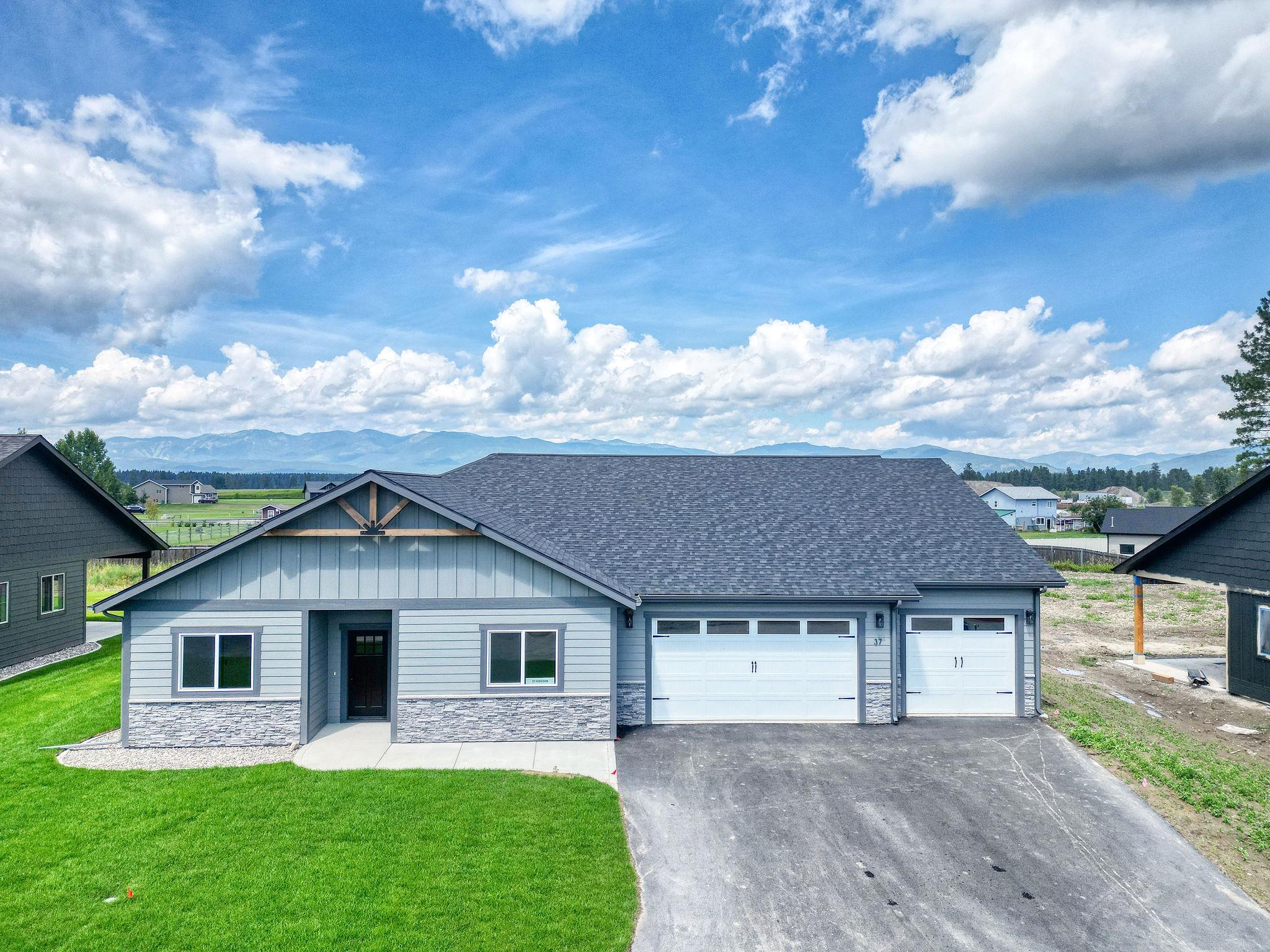
Lakefront Property Owners Say They’re Paying the Price for Montana’s Property Tax Reforms
While their land valuations tell one story about their wealth, many lakefront property owners who spoke with the Beacon said they’re struggling to afford increasing tax figures and fear losing property they’ve owned for decades as the state’s new property tax code partially fell into place this year.
Heart of Whitefish Advocates for Removal of Neighborhood Retail in Growth Policy Chapters
The nonprofit dedicated to advocating for downtown Whitefish hired a Portland-based firm to compile a letter with concerns and recommendations for the city’s growth policy draft
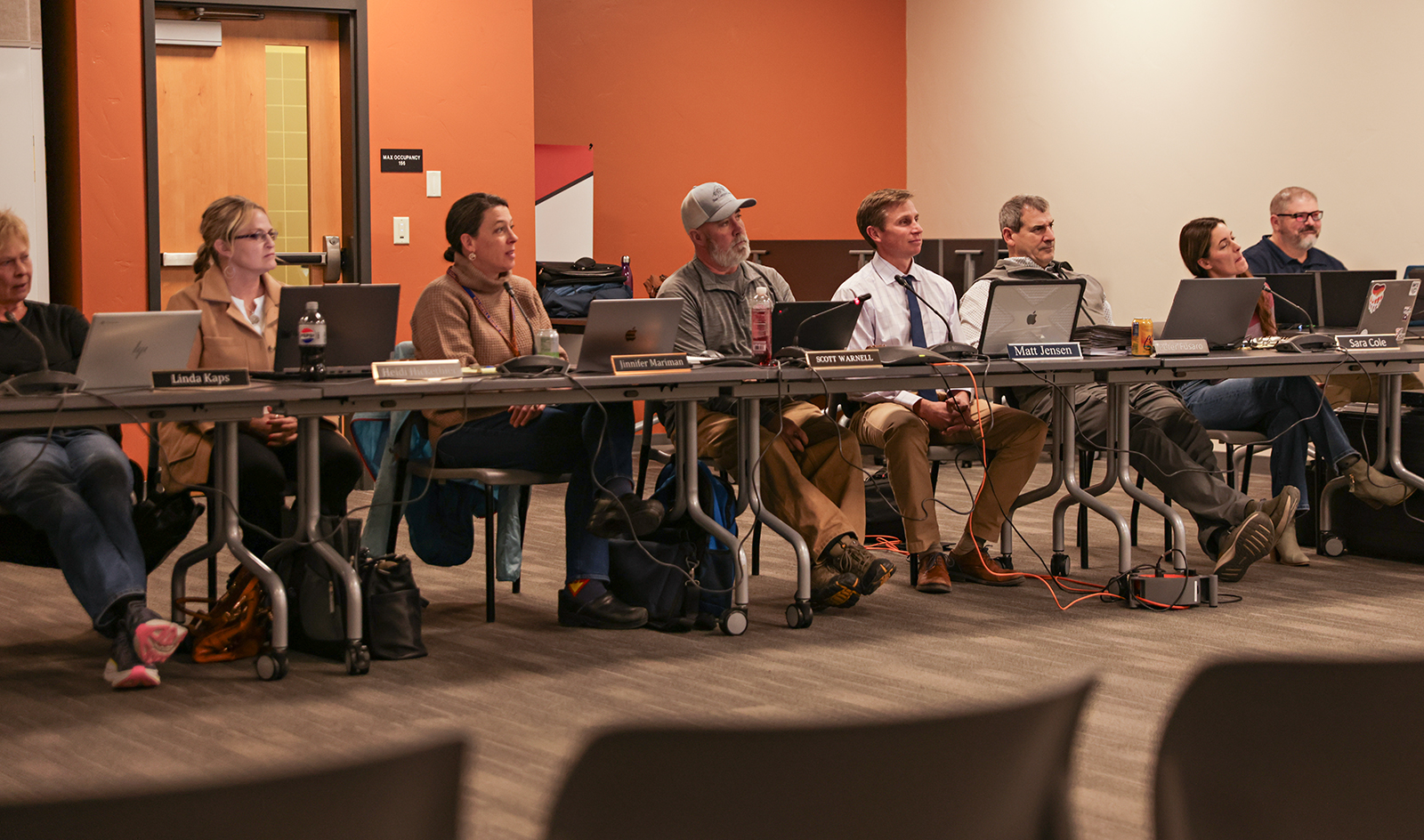
Kalispell Teachers’ Union, Administration Clash Over New Middle School Course, but Board Declines Weighing in for Now
The union followed the grievance process over the additional responsibilities a new course at the middle school has added to their plates this year, which they say they should be compensated for
Whether you’ve been here for decades, or you’re new to the Flathead Valley, our reporting is here to help you feel smarter and in the loop about the issues most important to Northwest Montana. With your support, we can build a more engaged, informed community.