Hello, Beacon readers! If you thought skiing in the rain was a real buzzkill last winter in northwest Montana, the National Weather Service (NWS) has some bad news if you were looking to party in the powder this winter.
Run! It’s Godzilla El Niño! The king of monsters is coming in hot, bringing a likelihood of warm and dry conditions to the Northern Rockies.
According to the NWS Climate Prediction Center, the El Niño weather pattern is strengthening and there’s now a 90% chance of a “very strong” event in the Northern Hemisphere this fall and winter. Sea surface temperature anomalies are expected to exceed 3 degrees Celsius in the eastern Pacific while subsurface temperatures are significantly above average with widespread anomalies in excess of 10 degrees Celsius in depth.
In other words: the Pacific Ocean is hot.
El Niño emerges every two to seven years on average and is marked by warmer-than-average sea surface temperatures in the central and eastern Pacific Ocean near the equator. Winds that normally blow east to west over the Pacific Ocean weaken or reverse direction along the equator, causing water to build up in the eastern Pacific, according to the U.S. Department of Agriculture.
As the water and atmosphere heat up, the jet stream intensifies and shifts southward, shaking up the weather patterns across North America, bringing warm temperatures and minimal precipitation to the northern United States. More rain is expected in the South, which will benefit crops following years of La Niña-driven drought.
Scientists have dubbed it the Godzilla El Niño as the potentially record-breaking weather pattern grows more powerful.
States across the Northwest, including Idaho, Oregon and Washington, are expected to see a warm and dry fall and winter, which could mean less precipitation, while the precipitation we do see is more likely to fall as rain. Sound familiar?
Despite the heat wave in the long-term forecast, NWS is predicting mountain snow this weekend in northwest Montana while temperatures are expected to drop as low as 20 degrees below normal by Sunday.
Widespread valley rain and snow above 6,000 feet are forecast, with up to 6 inches possible in Glacier National Park and along the Continental Divide.
Backcountry travelers should expect a “sudden onset of cold, wet and raw conditions” by Sunday as hypothermia risks increase.
At Whitefish Mountain Resort (WMR), the snow line is expected to drop to 6,600 feet by Monday morning but no snow accumulation is expected.
While WMR has scaled down its daily operations since Labor Day, summer activities are still happening on Big Mountain through Sept. 20 before lifts quit spinning for the public until Dec. 4.
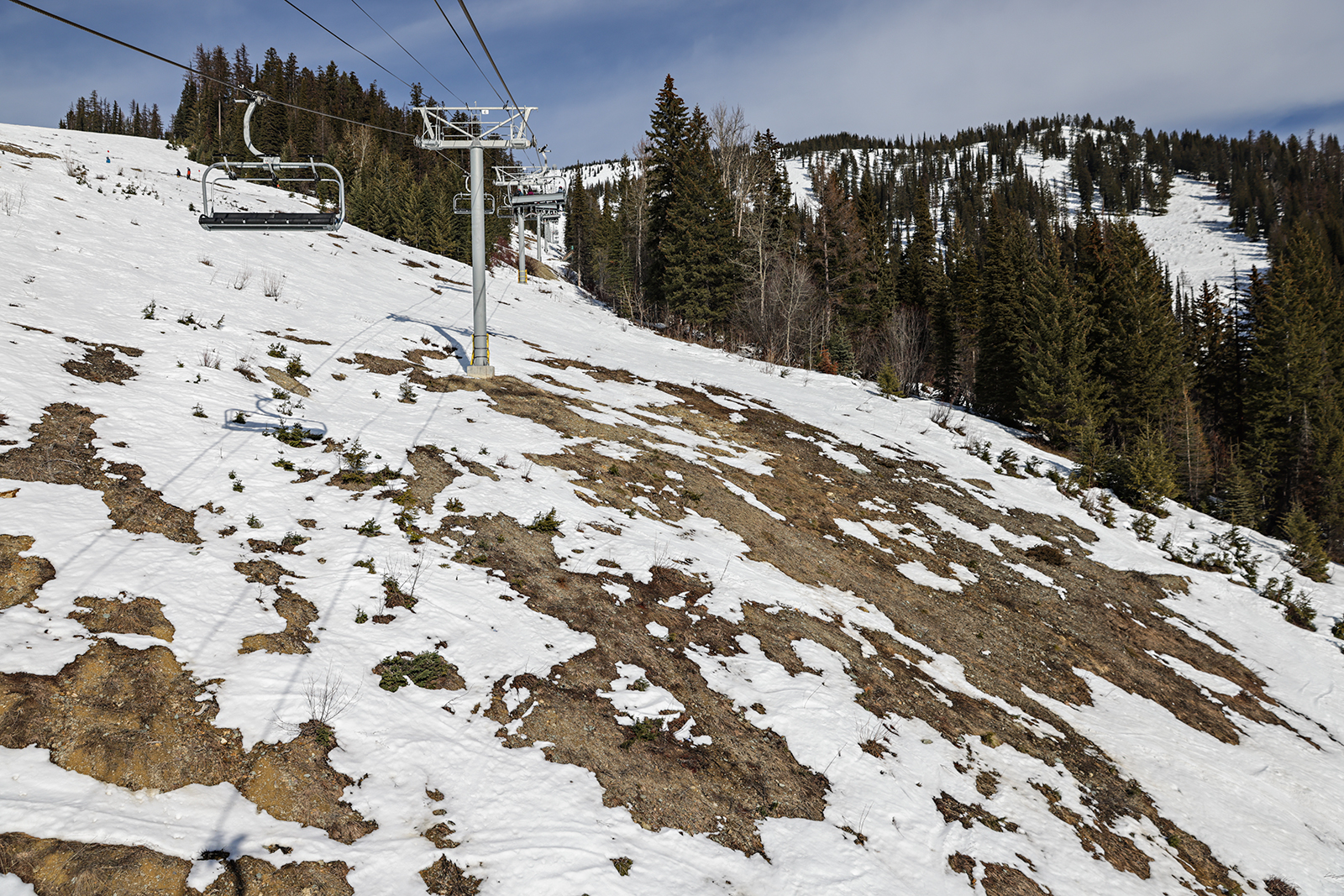
Described by ski area officials as “the winter that wasn’t,” inconsistent snowfall and warm temperatures posed challenges for mountain operations that included limited snowmaking and terrain openings, with only 70% of overall snowfall on Big Mountain’s summit and far less at the base area.
According to the National Weather Service, Kalispell saw its fourth-warmest winter, averaging 30.6 degrees Fahrenheit throughout the winter, which was 5.7 degrees warmer than average.
Despite Godzilla El Niño’s lurking presence that signals a warm and dry winter in northwest Montana, I’ll still be sliding around on Big Mountain this winter, whether that’s powder, slush, puddles or dirt.
Only time will tell what the titan of terror brings this winter.
I’m Maggie Dresser and here’s the rest of the Daily Roundup.
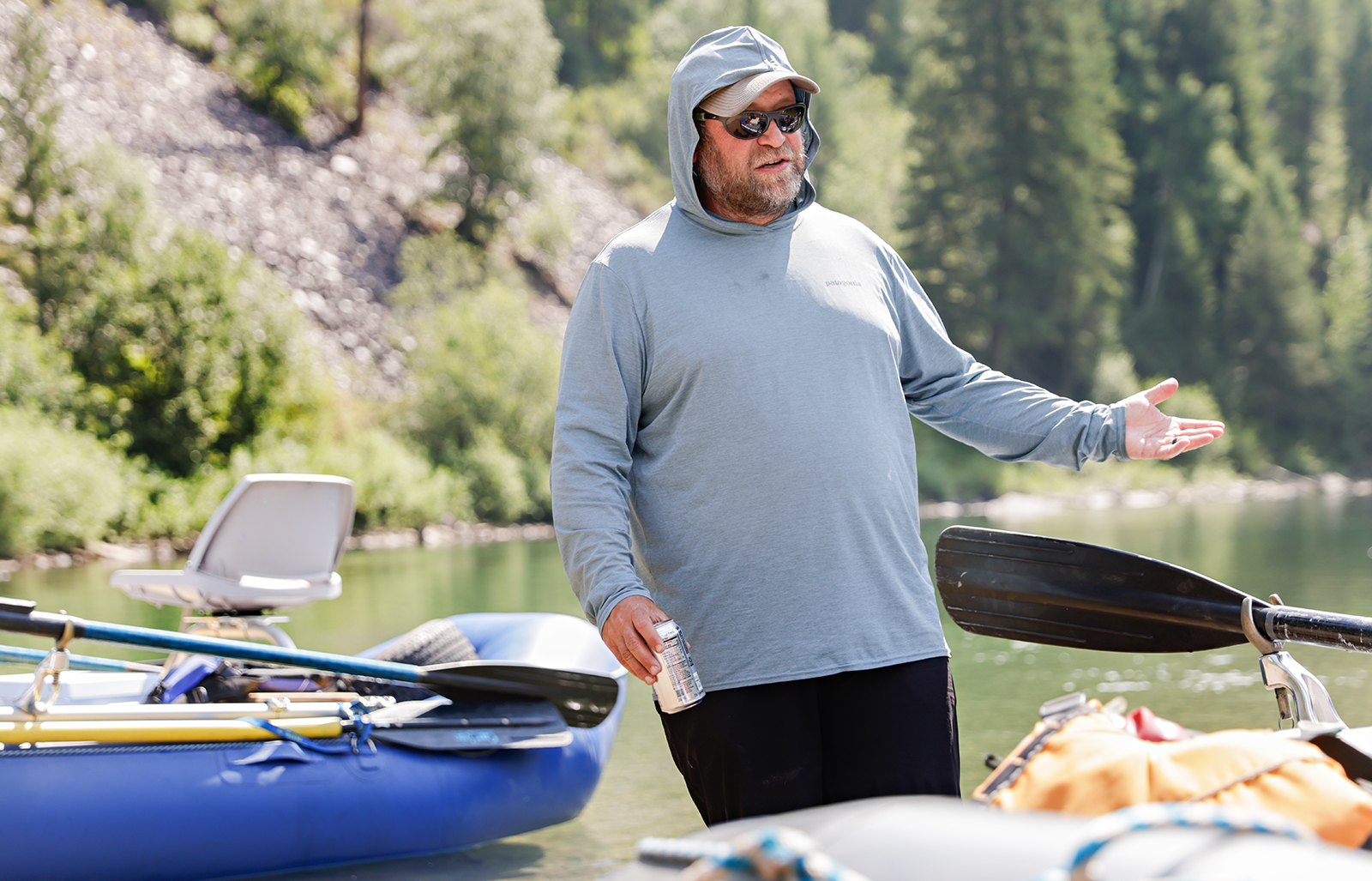
Northwest Montana’s New Fisheries Manager Brings Two Decades of Experience — and a Personal Stake in the Job
Leo Rosenthal reflects on a career shaped by mentors, Montana fishing traditions and striking a balance between recreational angling and native fish conservation
The deadline for printing return envelopes for Montana’s absentee ballots has passed, and with it — for now — President Donald Trump’s unimplemented plan to have the postal service screen mail ballots.
Whether you’ve been here for decades or you’re new to the Flathead Valley, our reporting is here to help you feel smarter and in the loop about the issues most important to Northwest Montana. With your support, we can build a more engaged, informed community.