Greetings, Beacon Nation! It’s been just over a week since U.S. Department of Agriculture Secretary Brooke Rollins announced the next steps in a rulemaking process to rescind the Roadless Rule, a decades-old policy to restrict road building and timber harvests on tens of millions of acres of national forest lands. Framing the move as another step by the Trump administration to remove “absurd obstacles” that have stymied forest management and intensified the threat of wildfire, Rollins published the decision in the Federal Register on Aug. 29, just before the Labor Day weekend, with public comments due Sept. 19.
Since then, my inbox has been stacking up with competing opinions like a cantilevered Jenga tower as hunters, anglers, outdoor recreation advocates, wildfire experts and wildernauts make their cases for why the rule ought to remain in place (e.g. it secures wildlife habitat, protects fisheries, and builds resilient ecosystems that are better equipped to withstand wildfire) while timber industry lobbyists, as well as Montana’s entire congressional delegation, advocate for its repeal on the grounds that it has effectively barred active forest management across one-third of the National Forest System.
There’s a middle-of-the-road position out there, too, but as with most hyper-politicized issues emerging in 2025, it takes some time to locate. Meanwhile, some conservation advocates have mounted full-throated defenses of the roadless rule that perhaps don’t require a counterpoint to achieve balance. After all, it’s hard to argue that the opposite of roadless doesn’t mean road-more.
Want to read more about the latest developments? Stick around.I’m Tristan Scott, taking the roadless traveled in this Monday edition of the Daily Roundup.
Directly adjacent to Glacier National Park and the Blackfeet Indian Reservation is the Badger-Two Medicine area of the Helena-Lewis and Clark National Forest. The 130,000-acre area is considered sacred ground by the Blackfeet due to its deep cultural and historical significance. It also serves as vital habitat and a migration corridor for some of Montana’s most treasured wildlife species, including elk, wolverines, grizzly bears, and westslope cutthroat trout.
For the past half-century, however, the Blackfeet have been fighting on behalf of the Badger: fighting for protections designating it a Traditional Cultural District; fighting to prohibit motorized access; fighting to ban future mineral leasing; and fighting to cancel the drilling rights on the last remaining oil and gas leases that were assigned illegally and without tribal consultation.
And after winning those fights, tribal leaders braced for the next fight.
“If our experience teaches us anything, it is that soon, someone will bring another fight to our doorstep,” they wrote after winning one landmark court ruling in the lease-cancellation case.
The proposed repeal of the Roadless Rule threatens to bring another fight to the Blackfeet Nation’s doorstep.
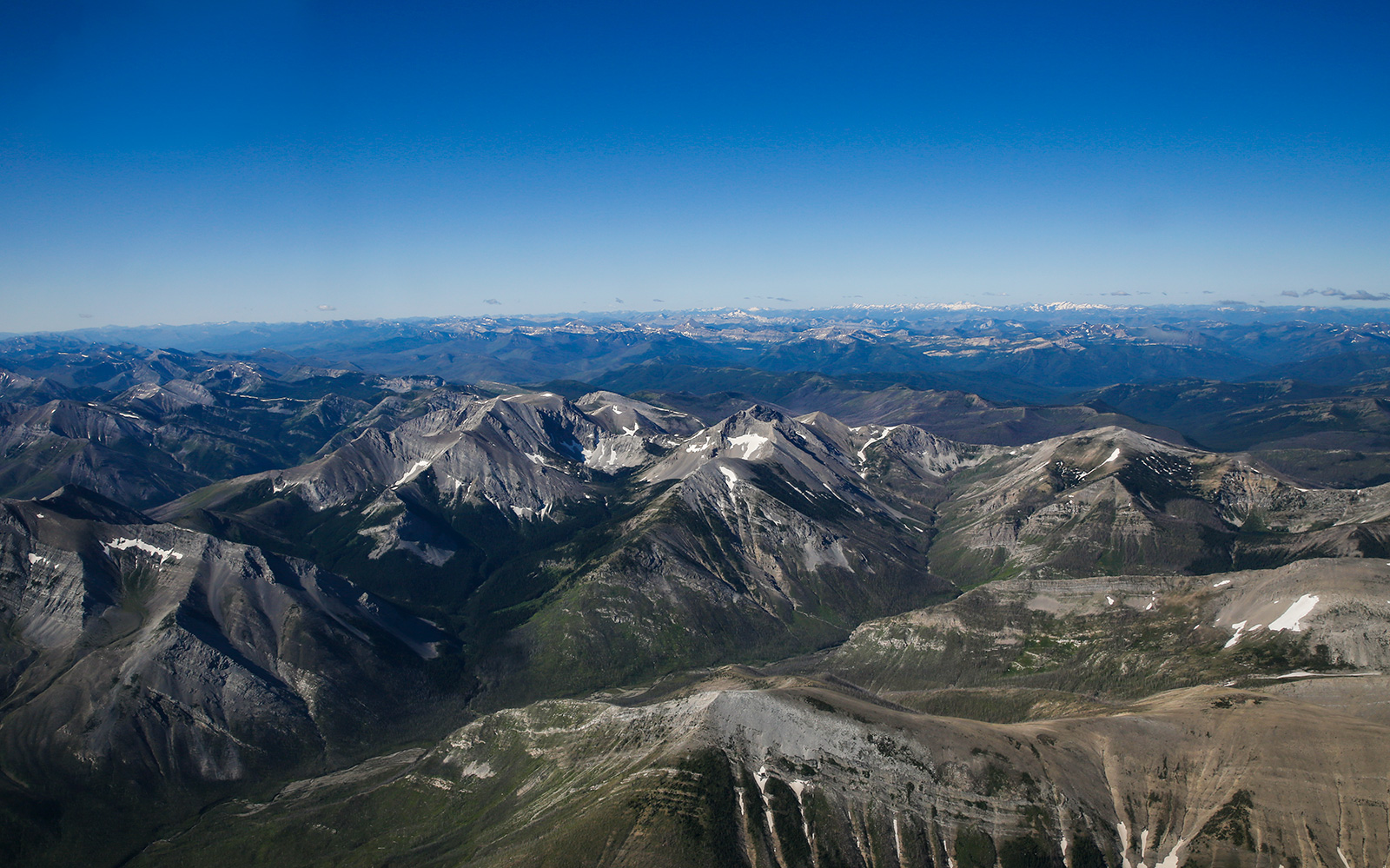
More than 75% of the Badger-Two Medicine (pictured above) is protected by the Roadless Rule, which environmental attorney Tim Preso described as the single most enforceable protection against the development and industrialization of the Badger-Two Medicine Area since 2006, when Congress prohibited future oil and gas leasing in the area. Other protections, such as those afforded to the Badger-Two Medicine under the Helena-Lewis and Clark National Forest’s revised forest plan, as well as those guaranteed by the area’s designation as a Traditional Cultural District, are less legally binding, serving more as guidelines than guarantees.
Overturning the Roadless Rule, then, would leave the Badger-Two Medicine vulnerable to more fighting, according to Peter Metcalf, executive director of the Glacier Two Medicine Alliance.
“These roadless areas may not be as glitzy or well known as Glacier National Park or the Bob Marshall Wilderness, but they are every bit as important to maintaining healthy ecosystems and intact watersheds, to the conservation and recovery of fish and wildlife species like elk, grizzly bears or bull trout, or as wild places for people to hunt, fish or explore,” Metcalf stated in his comments. “Rescinding the Rule is the exact opposite of responsible, common sense forest management. Rather it is all about turning the public’s forests over to corporations to exploit for profit. Our water will be dirtier, our freezers emptier, and our air smokier if this Rule is rescinded.”
It’s not just the Badger-Two Medicine that’s at risk. The Roadless Rule applies to about 42,000 acres of the Flathead National Forest between Marias Pass and West Glacier in the U.S. Highway 2 corridor, including the Slippery Bill-Puzzle Creek recommended wilderness area, and most other national forest lands in the Middle Fork Flathead River corridor outside of the Great Bear Wilderness.
St. Matthew’s Teacher Honored at Surprise Assembly Celebrating 90th Birthday, 70th Year in the Classroom
Sister Judy Lund was recognized as a mentor to her peers, a pillar of the community for her work founding Sparrows Nest, and as a teacher who has made a difference for generations of students through her joyful influence
Greater Valley Health Center CEO Mary Sterhan To Step Into Retirement
Sterhan has overseen the community health center’s departure from Flathead County, an expansion of services and begun preparation for impacts to Medicaid work requirements
Changes to LWCF Draw Sharp Rebukes from Outdoor Recreation Groups
Interior Secretary Doug Burgum’s order narrowed the ways in which the Land and Water Conservation Fund can be spent, but omitted the provision that conservation groups had feared the most.
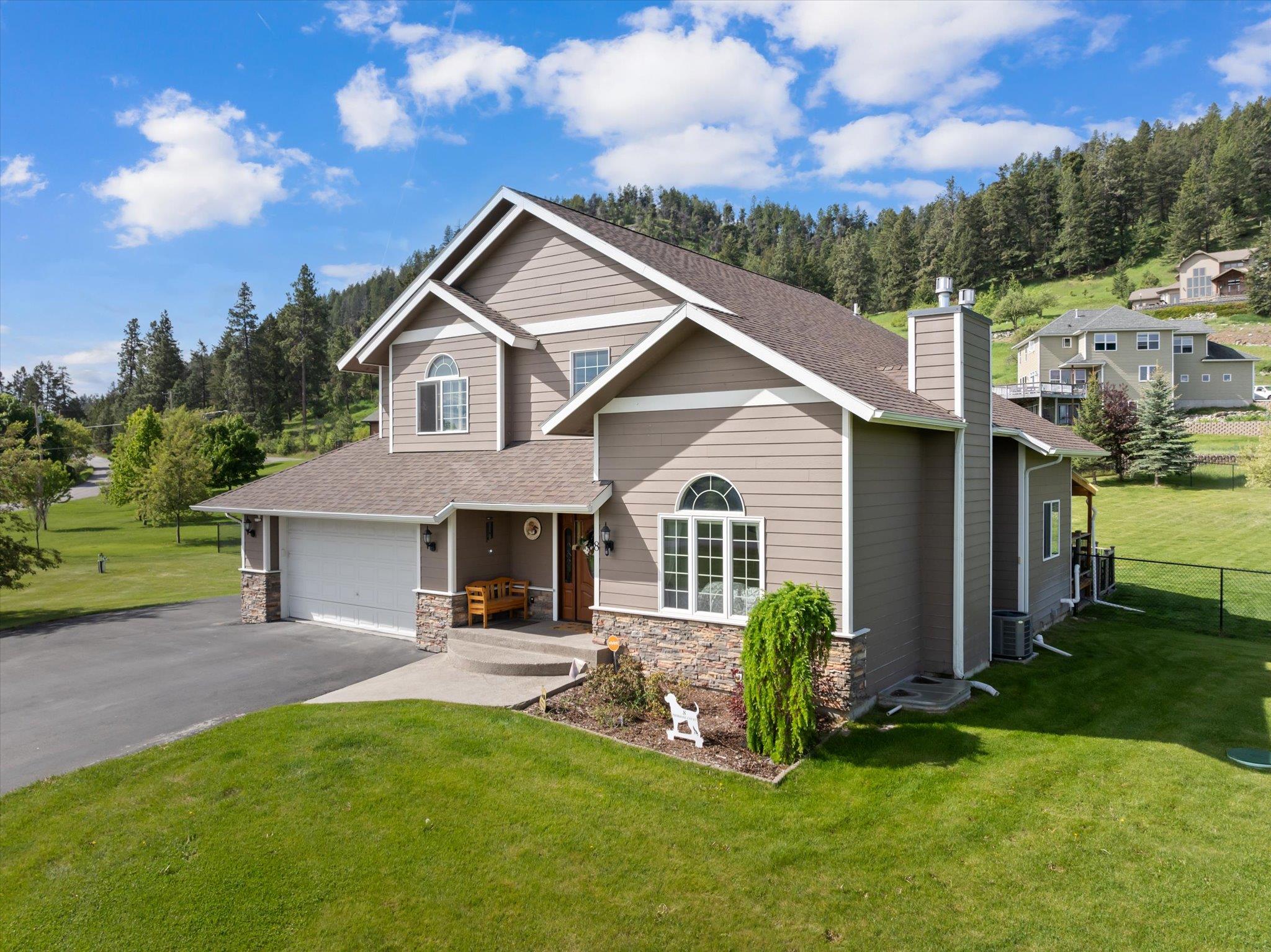
What You Can Buy for About $925,000: In Romy Caro’s latest real estate roundup, she features a spacious log home in Bigfork; a Kalispell property at the foot of Lone Pine State Park; and a custom-built residence in Columbia Falls. See all the listings here.
Keeping you connected to Northwest Montana.
Whether you’ve been here for decades, or you’re new to the Flathead Valley, our reporting is here to help you feel smarter and in the loop about the issues most important to Northwest Montana. With your support, we can build a more engaged, informed community.