Greetings, Beacon Nation! Tristan Scott here, wishing you a happy Monday and hoping you all enjoyed the beautiful fall weekend. My highlight reel, in no particular order, included fitting a tall stack of lemon meringue pancakes into my face and spending a rewarding Saturday observing National Public Lands Day at our local parks. The pancakes were a private affair. But the public lands piece was better enjoyed among friends.
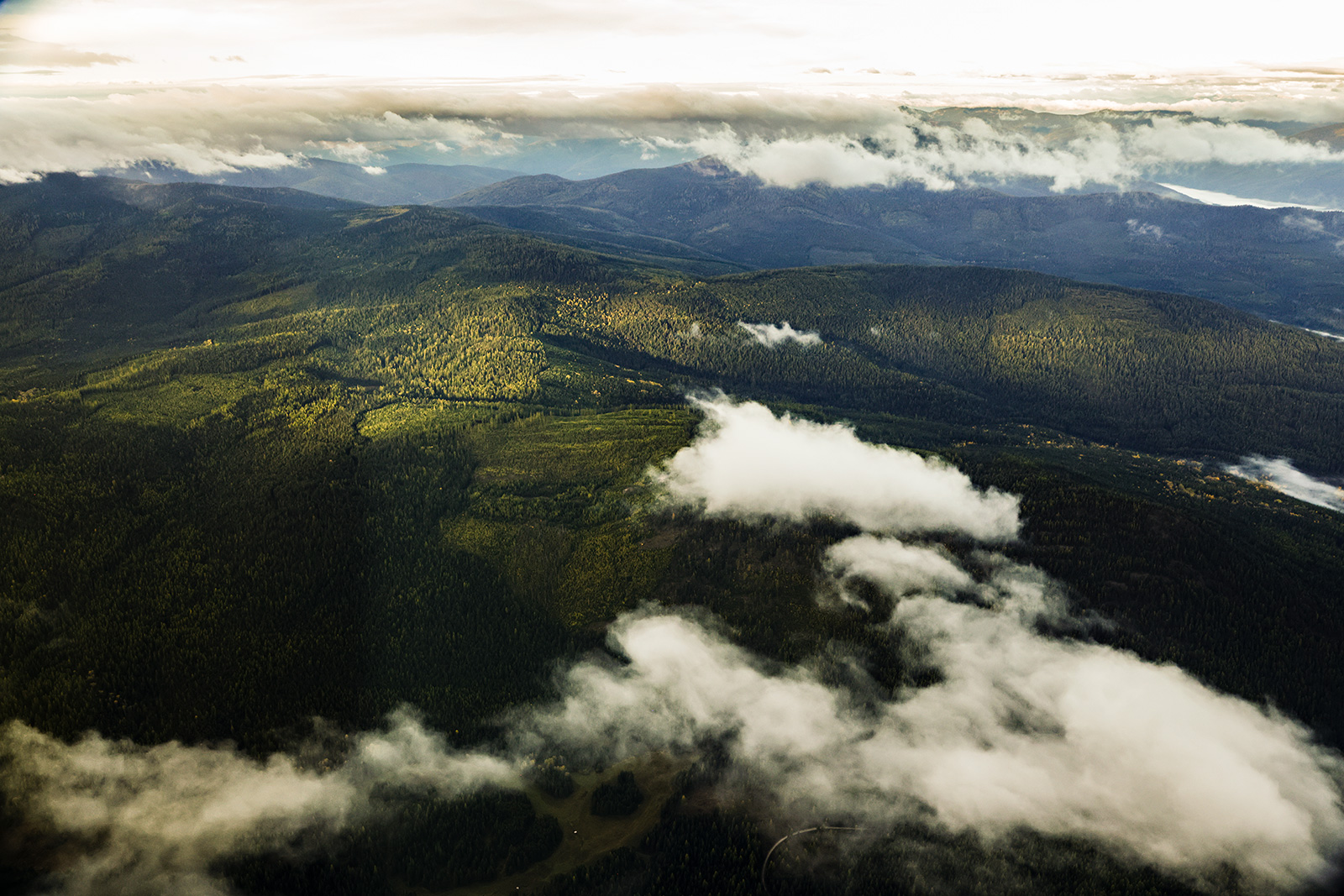
For the latter, I joined a few dozen neighbors at Lone Pine State Park and Herron Park, where we gathered with pulaskis, shovels and McLeods to knock out a handful of volunteer trail and service projects before a lunchtime chin-wag about how public lands shape our outdoor identities and, for many of us, are the central driving force compelling us to live, work and raise families in the Flathead Valley.
It was a good reminder not to take our unmatched access to public lands and outdoor recreation for granted. It was also helpful to check in with one another and interrogate our understanding of the mechanics of public lands, and to consider what’s at stake if we lose access to them.
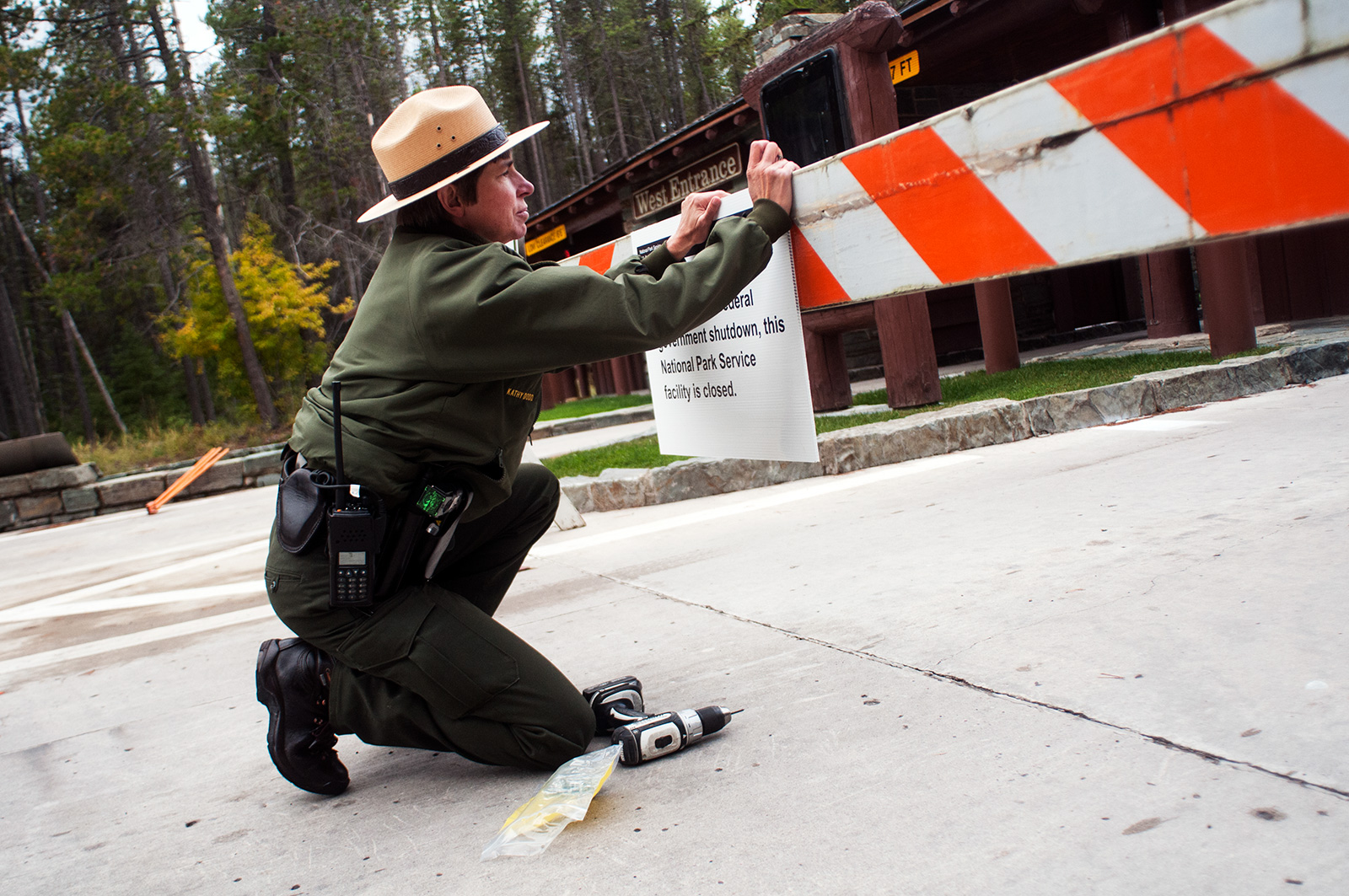
Unfortunately, that consideration may gain urgency in the coming days, weeks and months as the federal government braces for an Oct. 1 shutdown. What does that mean for public lands and public land management agencies? Let’s find out.
The federal government has shut down 21 times in the past five-plus decades, with shutdowns ranging in length from one to 34 days.
In 2013, the government ground to a halt for 17 days as the Republican-led House and Democratic-led Senate, as well as then President Barack Obama, reached a stalemate over appropriations for the Affordable Care Act, or Obamacare. The most recent, and longest, shutdown occurred in 2018 when President Donald Trump, then in his first term, refused to sign any appropriations bills that did not include $5.7 billion in federal funding for a U.S.-Mexico border wall.
Public lands during a federal shutdown do not follow a uniform formula, leaving a flurry of unanswered questions about if and how citizens will be able to recreate on lands managed by the National Park Service, U.S. Forest Service, Bureau of Land Management and U.S. Fish and Wildlife Service come Oct. 1, should the government cease operations.
So, while many of us may think about public lands merely as places to recreate, they can’t function without people. And right now, many of the most essential people are in a difficult position as federal workforce cuts strain land managers. In the event of a shutdown, it’s about to get a lot worse.
“Past shutdowns in which gates remained open with limited staff have hurt our parks: Iconic symbols cut down and vandalized, trash piled up, habitats destroyed, and visitor safety jeopardized. If you don’t act now, history is not just doomed to repeat itself, the damage could in fact be much worse,” according to the letter, which 40 superintendents sent to Burgum on Sept. 25.
During the 35-day government shutdown in 2018 and 2019, Trump allowed parks to stay open while operating with skeleton staffing, resulting in vandalism, illegal camping, off-road travel, and the desecration of historic sites. In their letter, the former superintendents warned of similar problems if the park system remains open this go-around.
“National parks don’t run themselves. It is hardworking National Park Service employees that keep them safe, clean, and accessible,” the letter states. “Park staff manage everything from routine maintenance of buildings and trails to educational programs that teach visitors how to safely and attentively engage with nature to guided tours that share the stories of our collective history. National Park Service employees study, monitor, and learn from our natural world through long term projects and research – and these projects, in addition to irreplaceable resources and habitat, are in jeopardy during a shutdown.”
“We don’t leave museums open without curators, or airports without air traffic controllers and we should not leave our national parks open without NPS employees,” according to Thompson. “The most sensible outcome here is to not only keep the government open but to fully fund and staff our parks. But, parks can’t run themselves and if the government shuts down, so should the national parks. Safety must come first.”
Over the next few days, we’ll be keeping tabs on the looming threat of a shutdown and the consequences, so stay tuned at flatheadbeacon.com. In the meantime, let’s get to the rest of the Daily Roundup.
Longtime Probation Officer Accused of Orchestrating Drug Deal in Unauthorized Reverse Sting Operation
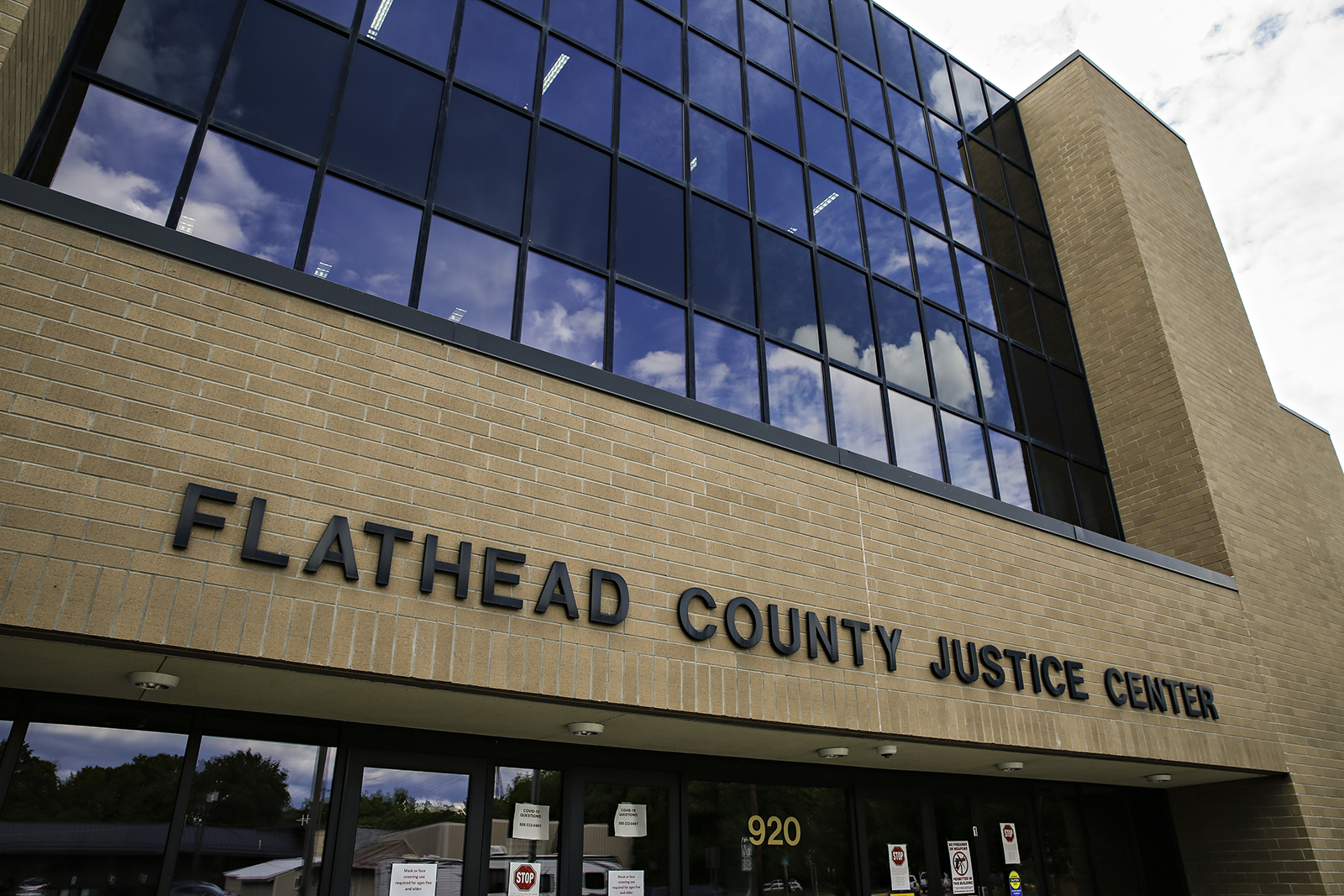
Kyle Curtis Hinzman has been charged with felony solicitation to commit distribution of dangerous drugs and misdemeanor official misconduct in Flathead County District Court
Martin City resident Gerard Byrd has shuttled generations of students through the Middle Fork Flathead River corridor on an isolated section of U.S. Highway 2, where he has witnessed a slew of wrecks and wildlife while building lifelong friendships over the past 42 years
What You Can Buy for About $500,000: In Romy Caro’s latest real estate roundup, she features a well-maintained home in Columbia Falls, a one-level rancher in Happy Valley and a charming Woods Bay bungalow overlooking Flathead Lake. See all the listings here.
Keeping you connected to Northwest Montana.
Whether you’ve been here for decades, or you’re new to the Flathead Valley, our reporting is here to help you feel smarter and in the loop about the issues most important to Northwest Montana. With your support, we can build a more engaged, informed community.