Columbia Falls Aluminum Co. Agrees to $57.6 Million Cleanup Plan at Superfund Site
The public comment for the consent decree, which provides the framework for continued cleanup, will close on Aug. 6.
By Lauren Frick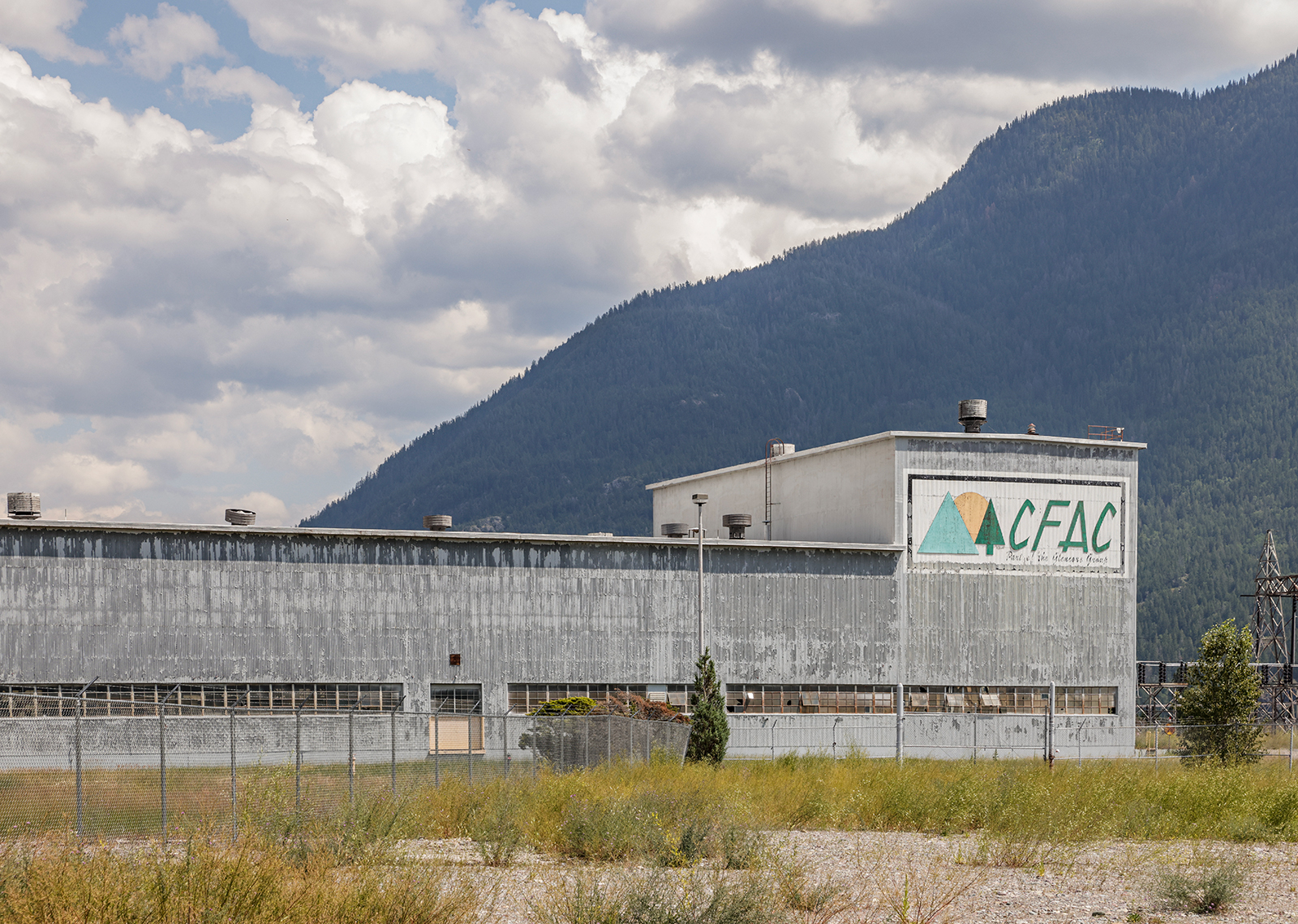
The U.S. Environmental Protection Agency (EPA) on Tuesday announced that Columbia Falls Aluminum Co., LLC (CFAC) officially agreed to the roughly $57.6 million price tag attached to the Superfund cleanup plan at its former site north of the Flathead River.
In the consent decree finalized with the responsible parties — Glencore and the Atlantic Richfield Co. (ARCO), a subsidiary of the oil and gas behemoth BP America — CFAC agreed to pay past response costs and implement the multi-million-dollar cleanup actions at the site.
The announcement of the consent decree “marks a major step forward in the Superfund cleanup process at the site, ushering in the next stages of implementation and environmental protection,” the agency said in its Tuesday press release about the agreement. It also marks the start of a month-long public comment process for the consent decree, which can be viewed here. The public comment period will end Aug. 6.
“This consent decree represents a significant milestone on the path to successful cleanup and redevelopment,” EPA Region 8 Regional Administrator Cyrus Western said. “In coordination with our federal, state, local, and industry partners, EPA is advancing effective, protective solutions that safeguard human health and the environment.”
After the public comment period and court approval of the proposed consent decree, CFAC will design and implement the cleanup work, known as the remedial design/remedial action, under EPA and Montana Department of Environmental Quality (DEQ) oversight.
“The start of active cleanup activities is a positive step toward addressing environmental impacts at the site and reflects a shared commitment by CFAC and local, state, and federal partners to position the area for long-term and sustainable reuse,” Cheryl Driscoll, President of CFAC’s parent company Glencore Ltd., said in the Tuesday release.
A consent decree is a legal agreement between the EPA and the Potentially Responsible Parties (PRP) that provides the framework for continued cleanup. The proposed consent decree for the CFAC Superfund site was filed with the U.S. District Court for the District of Montana.
In the proposed consent decree, CFAC agreed to reimburse the EPA for $1.8 million in past response costs and to pay future response costs incurred at the site, in addition to agreeing to reimburse any independent future response costs incurred by the DEQ.
The proposed decree also tasks the EPA and DEQ with overseeing the design and the implementation of remedial activities to address arsenic, cyanide, fluoride and polyaromatic hydrocarbon (PAH) contamination. The roughly $57.6 million in cleanup activities are outlined in the Record of Decision (ROD), which was signed by the EPA and DEQ in January 2025.
The ROD — a 423-page document that followed a proposed plan released in 2023 — was the most recent key milestone in the years-long environmental remediation investigation, providing a detailed account of the EPA’s plan to contain pockets of toxic waste buried on the sprawling property at the base of Teakettle Mountain that has been dormant since CFAC shuttered in 2009.
Key components of the plan include: slurry walls designed to isolate waste and prevent contaminant migration; improved waste covers to reduce exposure and infiltration; an on-site landfill to safely encapsulate contaminants without off-site disposal; and long-term monitoring to ensure the effectiveness of the remedy over time.
The EPA’s plan has drawn ire from the community for its focus on containing rather than removing the environmental hazards, in addition to accusations of the federal agency dismissing the public’s concerns while prioritizing corporate cost-savings over environmental safeguards from a local watchdog group. The agency, however, has backed its public engagement efforts and contended it employed an objective numeric ranking system that included a variety of factors to select the best path forward.
Contention during the remediation investigation process also arose when Glencore sold roughly 2,000 acres of the former CFAC property to local developer Mick Ruis for residential and commercial use. Glencore retained ownership of a 211-acre parcel containing the highest concentration of contaminants, including the landfill where the underground slurry wall is to be built.
Last month, the Columbia Falls city council approved Ruis’ 421-unit residential development proposal for about 80-acres along Aluminum Drive. The largest subdivision ever approved by the city drew a myriad of complaints from the community and some councilors, namely the health and safety concerns associated with developing on land adjacent to an active Superfund site. Several residents called on councilors to at least delay a decision on the development until remediation was complete, but the city ultimately followed the direction of the EPA, which cleared the parcel in its Record of Decision.
More information on the CFAC Superfund site is available on the Anaconda Aluminum Co Columbia Falls Reduction Plant Superfund site profile webpage.