Greetings, Beacon Nation. I’m Tristan Scott here to deliver your Monday edition of the Daily Roundup. First up: Indigenous leaders from across the U.S.-Canada border are in Missoula this week for a conference on transboundary mining pollution hosted by the Confederated Salish and Kootenai Tribes (CSKT).
The fifth-annual Indigenous-Led Transboundary Mining Conference, running Sept. 14-17 at Edgewater Missoula, draws tribal leaders from Montana, Idaho, Washington, Alaska and British Columbia (B.C.), alongside government officials and community partners, to address the cross-border effects of mining on shared rivers and the communities that depend on them.
Since its start in 2022, the conference has been hosted successively by the Upper Columbia United Tribes in Wenatchee, Wash.; the Lower Similkameen Indian Band in Osoyoos, B.C.; the Central Council of Tlingit & Haida in Juneau, Alaska; and the Yaq̓it ʔa·knuqⱡi’it First Nation in Fernie, B.C. It has become a recurring forum for tribes to compare notes on mining projects threatening watersheds that cross the U.S.-Canada border, and to press for stronger transboundary governance.
The Missoula gathering lands at an inflection point for CSKT and its allies. The tribes have spent this year building a coalition, including the Kootenai Tribe of Idaho and Canada’s Ktunaxa Nation, to oppose the proposed Fording River Extension, a roughly 5,000-acre expansion of an existing coal mine in B.C.’s Elk Valley.
CSKT has asked Canada’s environment minister to convene an independent federal review panel, arguing the project shouldn’t move forward until B.C. addresses decades of selenium and nitrate contamination already flowing downstream through Lake Koocanusa and the Kootenai River — pollution that a 2023 U.S. Geological Survey study found had reached record levels, and that Montana and Idaho have responded to with their own site-specific water quality standards.
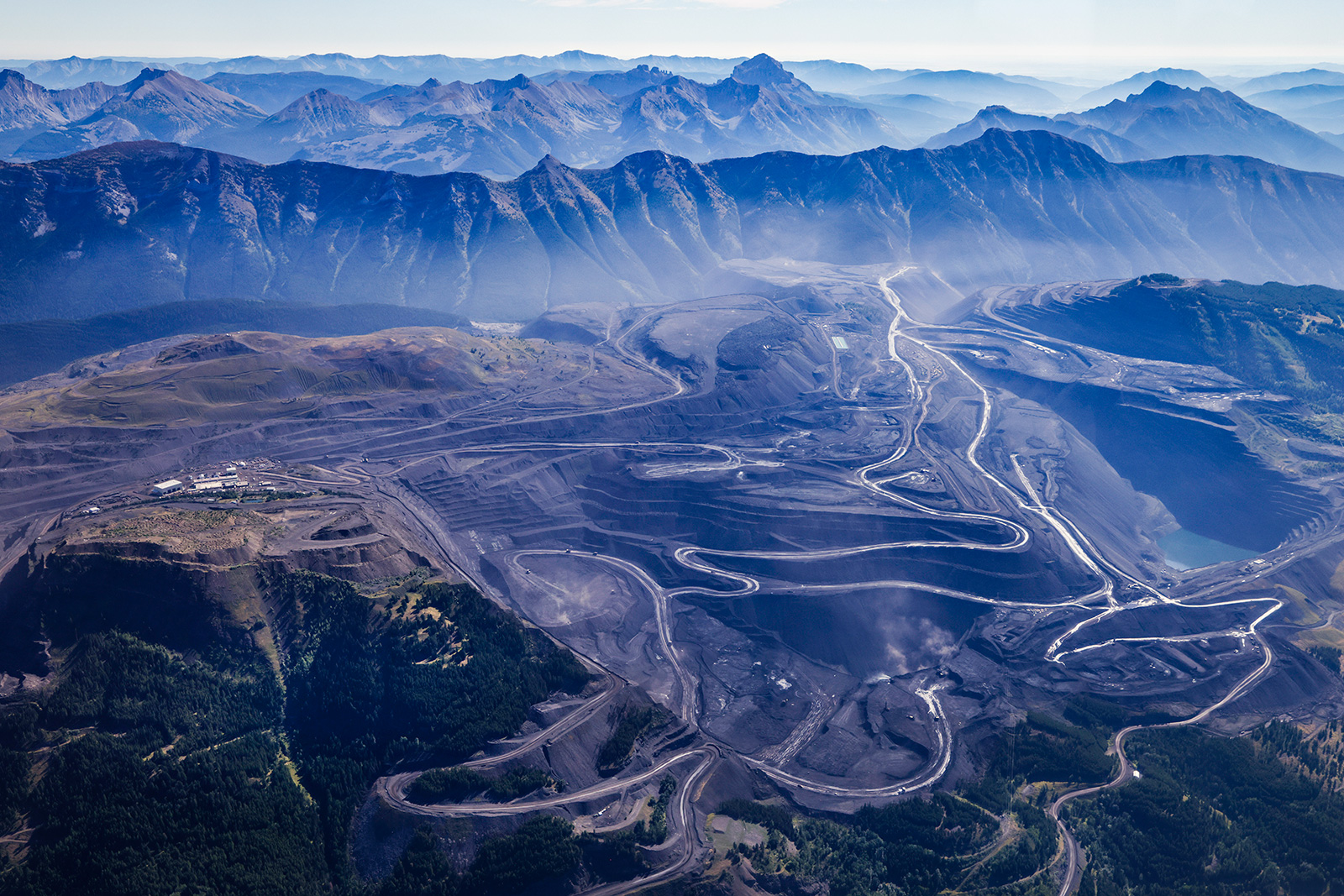
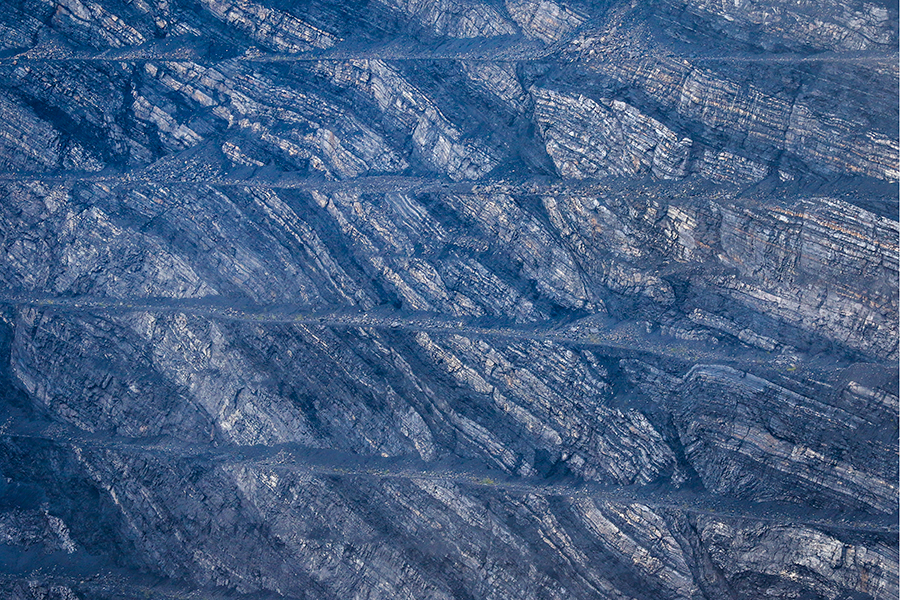
The mines at the center of the dispute (pictured in the images above) are owned by Elk Valley Resources (EVR), a subsidiary spun off after Glencore’s $6.93 billion acquisition of Teck Resources’ coal operations was approved by the Canadian government in July 2024. EVR maintains that its water treatment facilities have stabilized and reduced selenium and nitrate levels downstream, and describes its environmental review process as comprehensive. But tribal leaders and independent researchers point to record-breaking contaminant spikes in the Elk River as evidence the company’s mitigation efforts haven’t kept pace with the scale of the pollution.
That pollution doesn’t stop at a state line, or reflect one government’s jurisdiction — it runs through traditional Ktunaxa and Salish and Kootenai territory on both sides of the border, which is part of why the tribes pushed for a formal seat at the table when the U.S. and Canada agreed in March 2024 to bring the International Joint Commission (IJC) into the dispute. The move marked the first time in the IJC’s history that a binational reference has included a trilateral role for an Indigenous nation, with the transboundary Ktunaxa Nation — CSKT, the Kootenai Tribe of Idaho, and the six Ktunaxa bands in B.C. — seated alongside federal negotiators through a dedicated Council of Indigenous Knowledge Holders. That body, tasked with feeding cultural and scientific knowledge into the study now underway, is due to deliver a final report to the IJC in December.
It’s also the throughline for this week’s conference: mining’s downstream harms are, for the tribes involved, inseparable from questions of sovereignty and the ability to protect places their communities have relied on for generations.
Glacier National Park Announces Temporary Closure of Going-to-the-Sun Road
Light snowfall at Logan Pass and continuing cold temperatures have prompted park officials to close the road between Avalanche and Jackson Glacier Overlook
Stimson Completes Final Montana Easement, Placing Entire Timber Base Under Conservation Protection
The 20,629-acre easement in Lincoln, Mineral and Sanders counties is the final piece of a 15-year effort to permanently protect Stimson's inland timber holdings
FVCC Presidential Finalist Forums Slated for Next Week
The public will get a chance to meet and question the four finalists as FVCC's board narrows in on a successor to Jane Karas, who led the college for 25 years
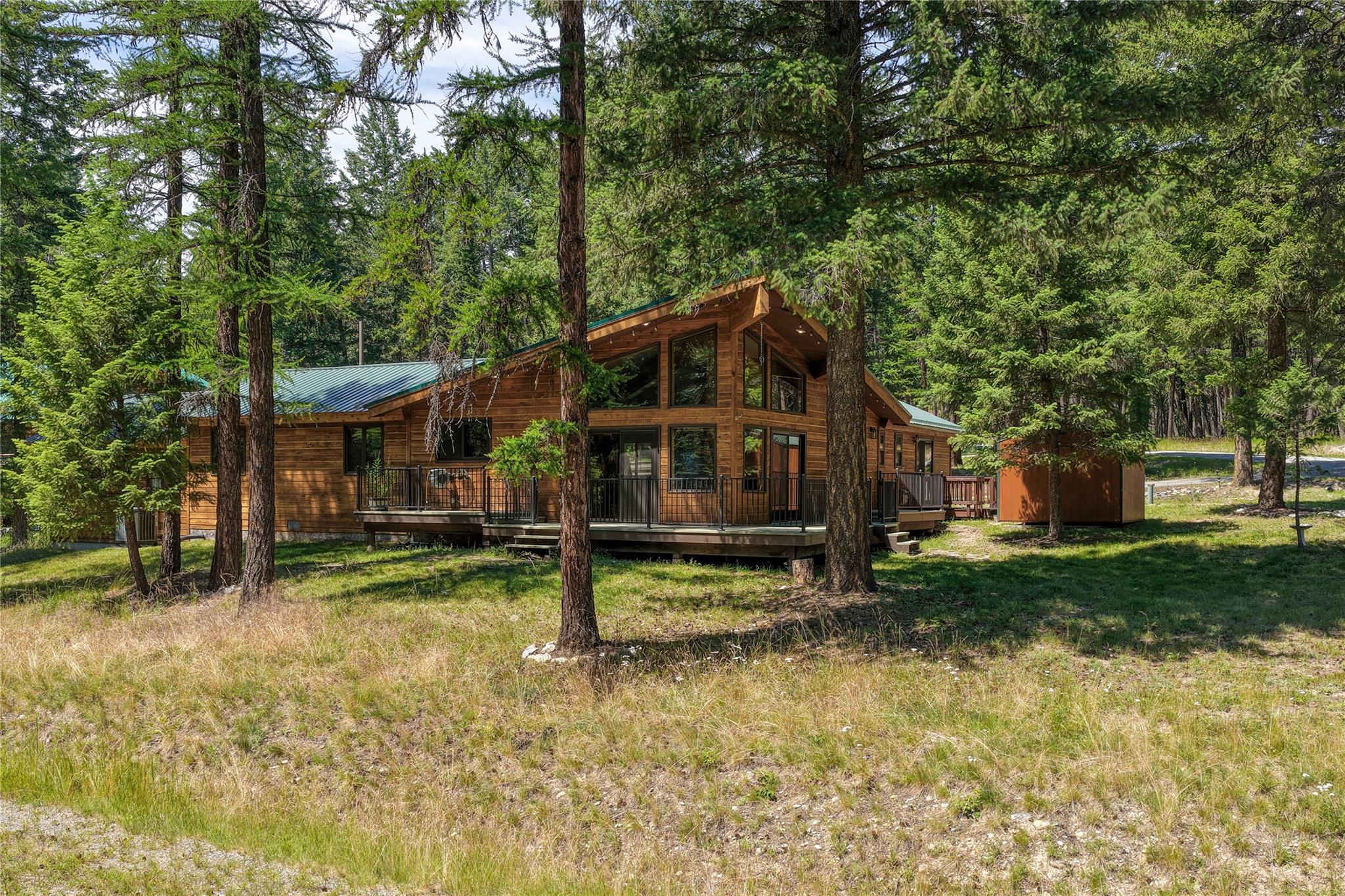
A wooded mountain retreat in the Crystal Lakes community; a vintage Columbia Falls home with its own detached shop; and a walkable condo near downtown Whitefish
Whether you’ve been here for decades or you’re new to the Flathead Valley, our reporting is here to help you feel smarter and in the loop about the issues most important to Northwest Montana. With your support, we can build a more engaged, informed community.