Greetings, Beacon Nation! Welcome to another week in northwest Montana environmental news. I’m Tristan Scott, here to tug on a thread we started unspooling last week when congressional Republicans mounted a Trojan horse attack on America’s public lands by amending the previously bipartisan Wildfire Prevention Act of 2025 (S. 140) to include a provision that would nullify the 2001 Roadless Rule, which generally prohibits road building and logging in all 58.5 million acres of national forest roadless areas.
U.S. Sen. Maria Cantwell, D-Wash., likened the move by Utah Republican Sen. Mike Lee to “pushing a poison pill on what was otherwise a bipartisan opportunity” to mitigate wildland fire risk on public lands. Still, the amendment passed 11-9 along party lines, with support from Montana Republican Sen. Steve Daines.
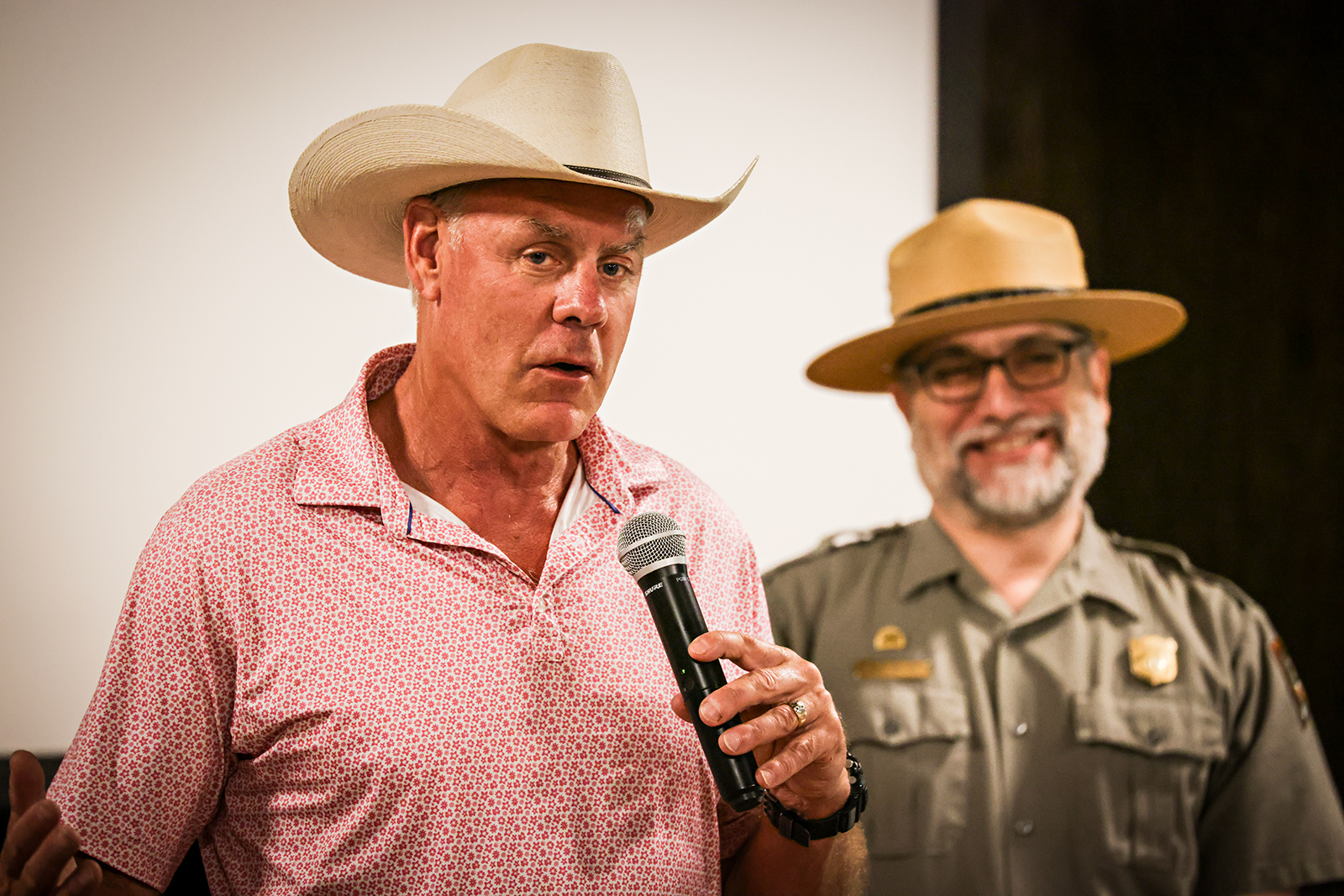
Today’s edition of the Roundup focuses on another effort to guard against intrusions on public land protections, which, as of this writing, continues to enjoy bipartisan support, including from Rep. Ryan Zinke, R-Mont.
The Public Lands Integrity Act would prevent Congress from slipping public land sales or transfers into unrelated budget reconciliation bills, a tactic that Republicans, led by Lee, employed last year in an attempt to dispose of millions of acres of public land in Utah and Nevada. Facing intense public pressure from public lands advocates, conservation and sportsmen groups, a quorum of Republicans coalesced in opposition to the bill — including all four of Montana’s Republican delegates.
Introduced earlier this month by U.S. Rep. Gabe Vasquez, D-N.M., the Public Lands Integrity Act would require that any permanent sale or transfer of public land receive full congressional consideration, including a 60-vote threshold in the Senate instead of a simple majority, effectively blocking such provisions from being bundled into reconciliation bills that only require 51 votes to pass.
The bipartisan bill is designed to stop future attempts to sell off America’s public lands through closed-door budget negotiations. It would amend a section of the Congressional Budget Act — commonly known as the Byrd Rule — to clarify that any provision resulting in the sale, transfer, or disposal of federal public lands is considered extraneous and outside the scope of budget reconciliation. As a result, future proposals to sell public lands could not be rushed through Congress using expedited reconciliation procedures and would require 60 votes in the Senate.
The bill, whose co-sponsors include Rep. Zinke, builds on the success of the bipartisan Public Lands Caucus, which Vasquez co-founded a year ago.
“Public Lands belong to the public, period. There is a public, transparent process for disposal of land when it is in the public’s best interest and I have long opposed any attempts to circumvent that process,” Zinke said in a statement. “Any proposal involving the future of America’s public lands deserves full public debate, conducted in the light of day and with the highest level of scrutiny. This bill helps ensure that the public will always have a seat at the table when it comes to protecting our public lands.”
Last summer, a Senate reconciliation package nearly included a proposal to sell between 1 and 3 million acres of federal public land. The effort collapsed after a nationwide uproar led by hunters, anglers, recreationists, conservationists, outdoor businesses, and public land advocates across the West.
Underscoring the broad popularity of public lands protections, a recent University of Montana Crown of the Continent and Greater Yellowstone Initiative bipartisan poll found that 84% of Montanans support banning the sale or transfer of federal public lands, including 65% who strongly support such protections.
“Montanans have said time and time again: our public lands are not for sale. Our delegation says they agree, and public lands belong in public hands. Supporting this bill should be a no-brainer,” said Hilary Eisen, federal policy director with the conservation advocacy group Wild Montana.
The Public Lands Integrity Act would:
Block public land sales from being pushed through budget reconciliation packages
Allow senators to strike public land sale provisions with a point of order
Require any future land sale proposals to go through regular legislative order with public scrutiny and debate
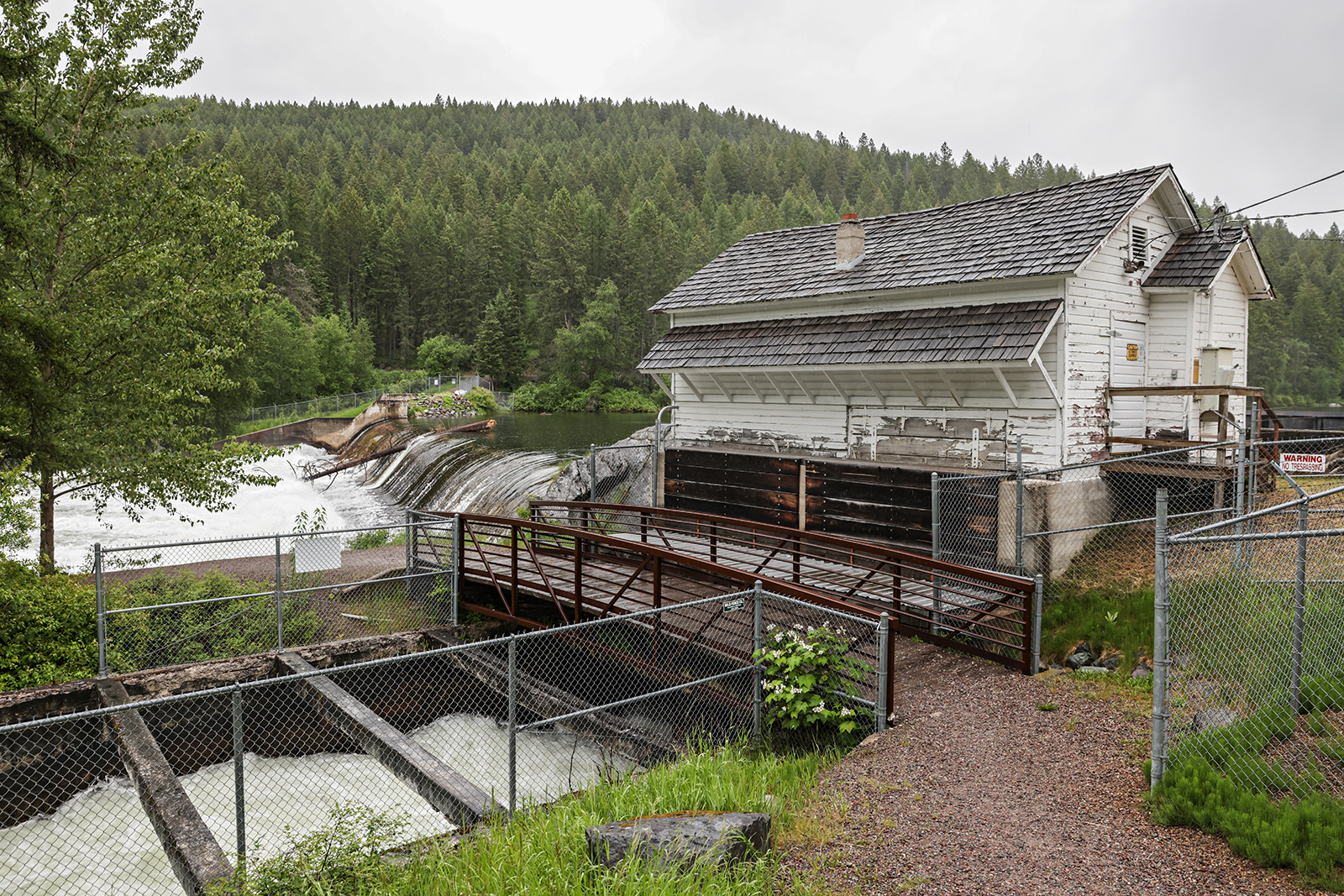
PacifiCorp to Power Down Bigfork Dam Unless Buyer Steps Forward
Without a purchase agreement, the FERC-licensed hydroelectric facility would undergo a years-long decommissioning process. Meanwhile, residents of the unincorporated community grapple with a potentially transformative change.
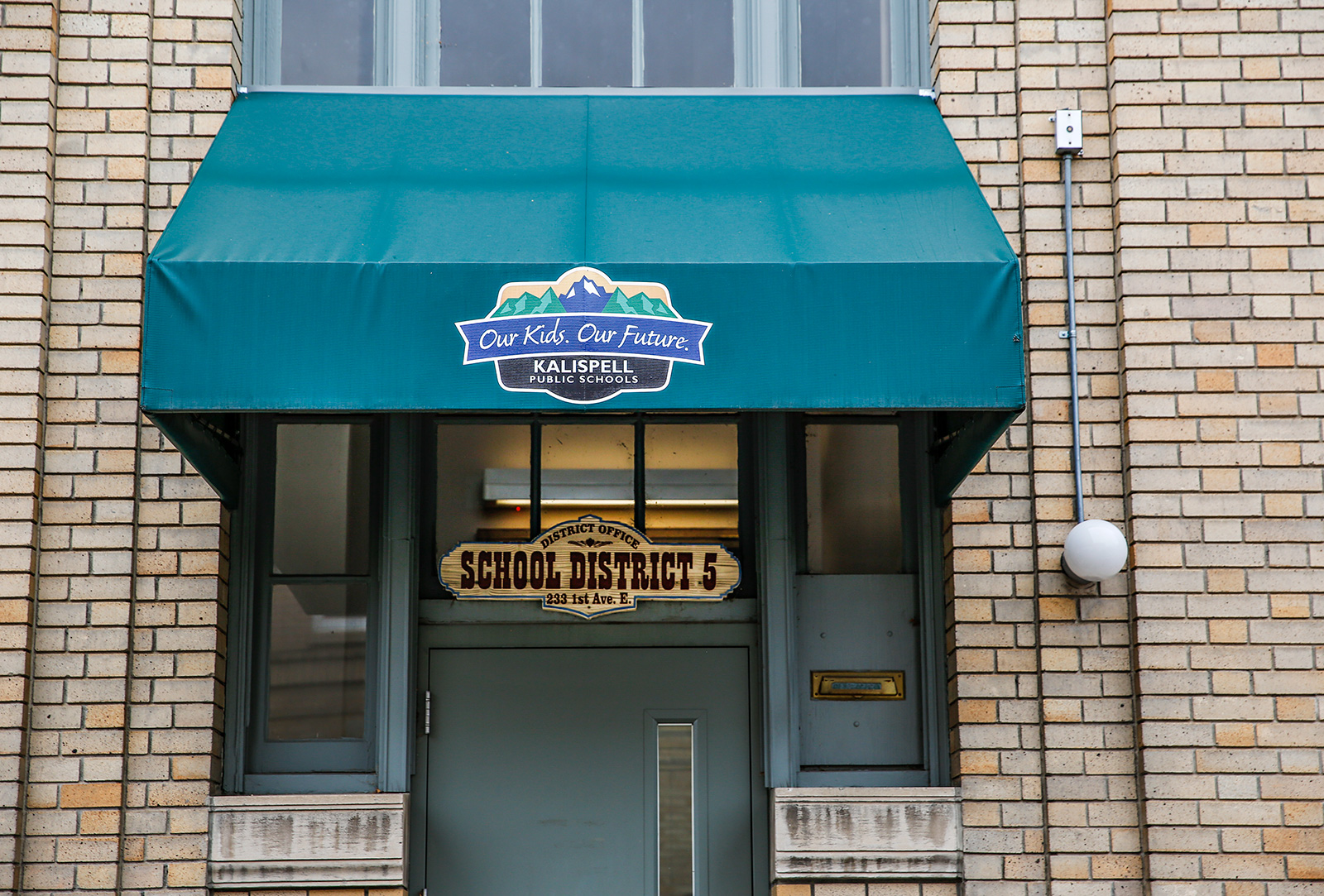
Glacier High Wrestling Lawsuit Headed for Trial in Missoula
The trial, which starts Monday, will rule on whether the district retaliated against the plaintiffs after they reported the sexual assault of wrestlers to the school district and police department.
A ranch-style home in Columbia Falls; a fully renovated residence in the Crystal Lakes neighborhood; and a Bigfork property within walking distance from downtown
Whether you’ve been here for decades, or you’re new to the Flathead Valley, our reporting is here to help you feel smarter and in the loop about the issues most important to Northwest Montana. With your support, we can build a more engaged, informed community.