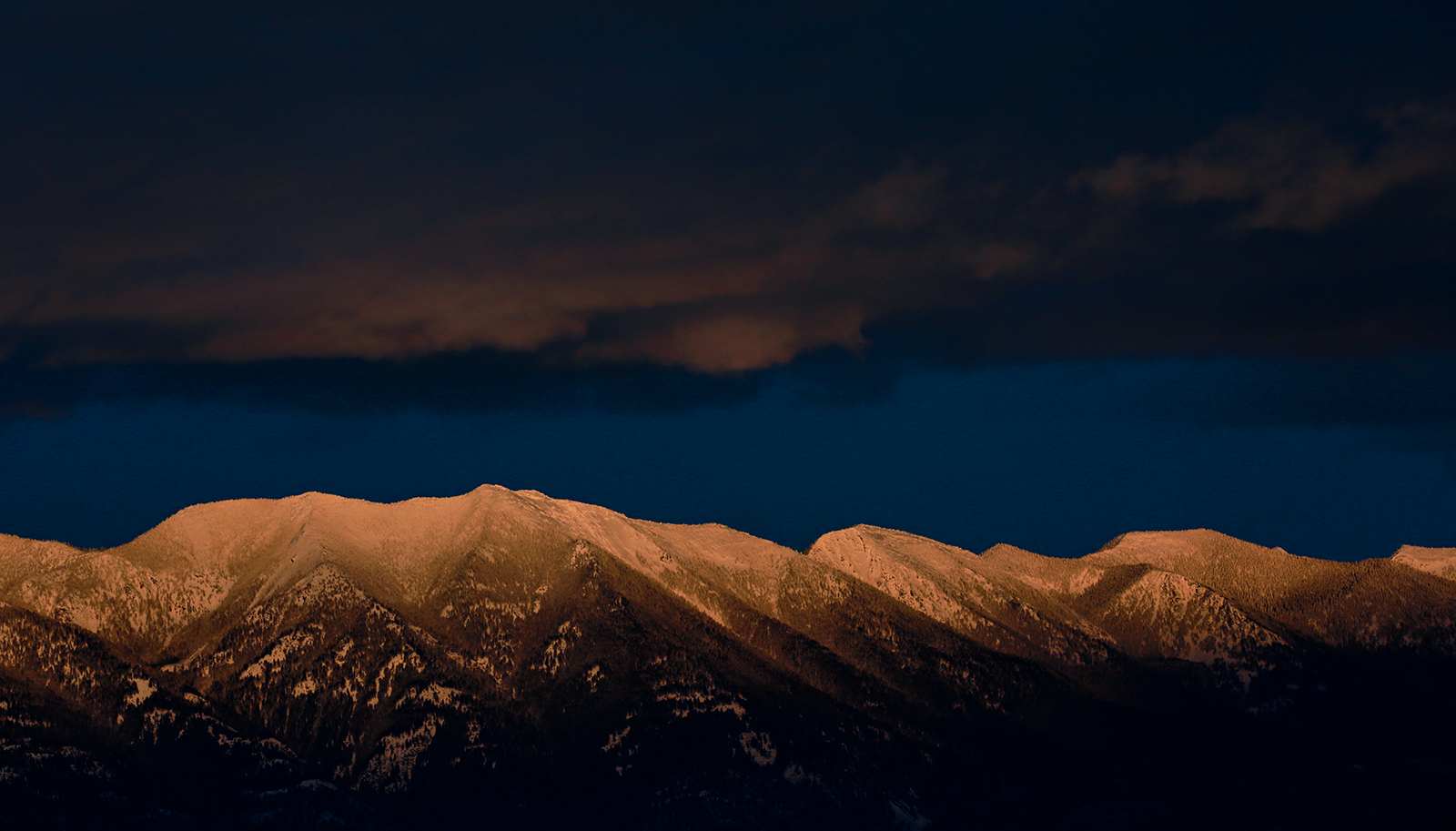
Greetings, Beacon readers! Maggie Dresser here, and it looks like winter is finally making an appearance in the Flathead Valley after a recent storm deposited a few freshies in the Northern Rockies. The snow stakes on Big Mountain and Noisy Basin in the Swan Range both read 18 inches as of this morning, and Marias Pass on the Continental Divide reads 7 inches.
If you’re seeking professional powder projections and want to learn more about what might lie ahead this ski season, I suggest heading to the 16th annual Northern Rockies Snow and Avalanche Workshop (NRSAW) at the Whitefish Performing Arts Center on Saturday.
Presented by the Flathead Avalanche Center and its nonprofit arm, Friends of the Flathead Avalanche Center, the workshop will feature a slate of seven speakers, including local and regional forecasters and a National Weather Service (NWS) meteorologist.
As the potentially historic super El Niño continues to strengthen across the globe, bringing a greater likelihood of a warm and dry winter in the northern U.S., NWS meteorologist Joe Messina will talk about what we could expect this season during his winter outlook presentation.
In addition to presentations from leaders of the Utah and Northwest avalanche centers and a mapping tool researcher, the audience will also hear from local forecasters who will reflect on last year’s snowpack and provide risk management insights.
Speaker Adam Clark has been a forecaster with Snowslip Avalanche Safety, formerly called BNSF Railway Avalanche Safety Program, since 2014 and took over its management in 2018. Based in Essex, he also manages hazard mitigation on the railway, collects data and maintains study plots in John F. Stevens Canyon in the Middle Fork Flathead River corridor.
The forecaster and alpinist is also part of the U.S. Geological Survey (USGS) Benchmark Glacier Project, a collaboration with multiple universities that conduct field research on mountain glaciers and monitor their changes.
Flathead Avalanche Center forecasters Guy Zoellner and Josh Lipkowitz are teaming up for a presentation focused on last season’s weak snowpack, which resulted from what officials dubbed the January Drought Layer.
After a dry, inversion-fueled January formed a fragile layer of snow that weakened the snowpack, February snowstorms buried the layer and prompted a steady stream of human-triggered avalanches. Within a 10-day window in the middle of the month, there were six avalanche accidents involving riders that were caught and carried while there were roughly the same volume of “near-misses,” defined as an unintentionally triggered slide with high potential consequences, but in which no one was caught.
You can catch all of the presentations at NRSAW, which runs from 10 a.m. to 5 p.m. Saturday, Nov. 21, at the Whitefish Performing Arts Center, followed by an after-party at the Great Northern Bar at 5:30 p.m.Tickets can be purchased here.
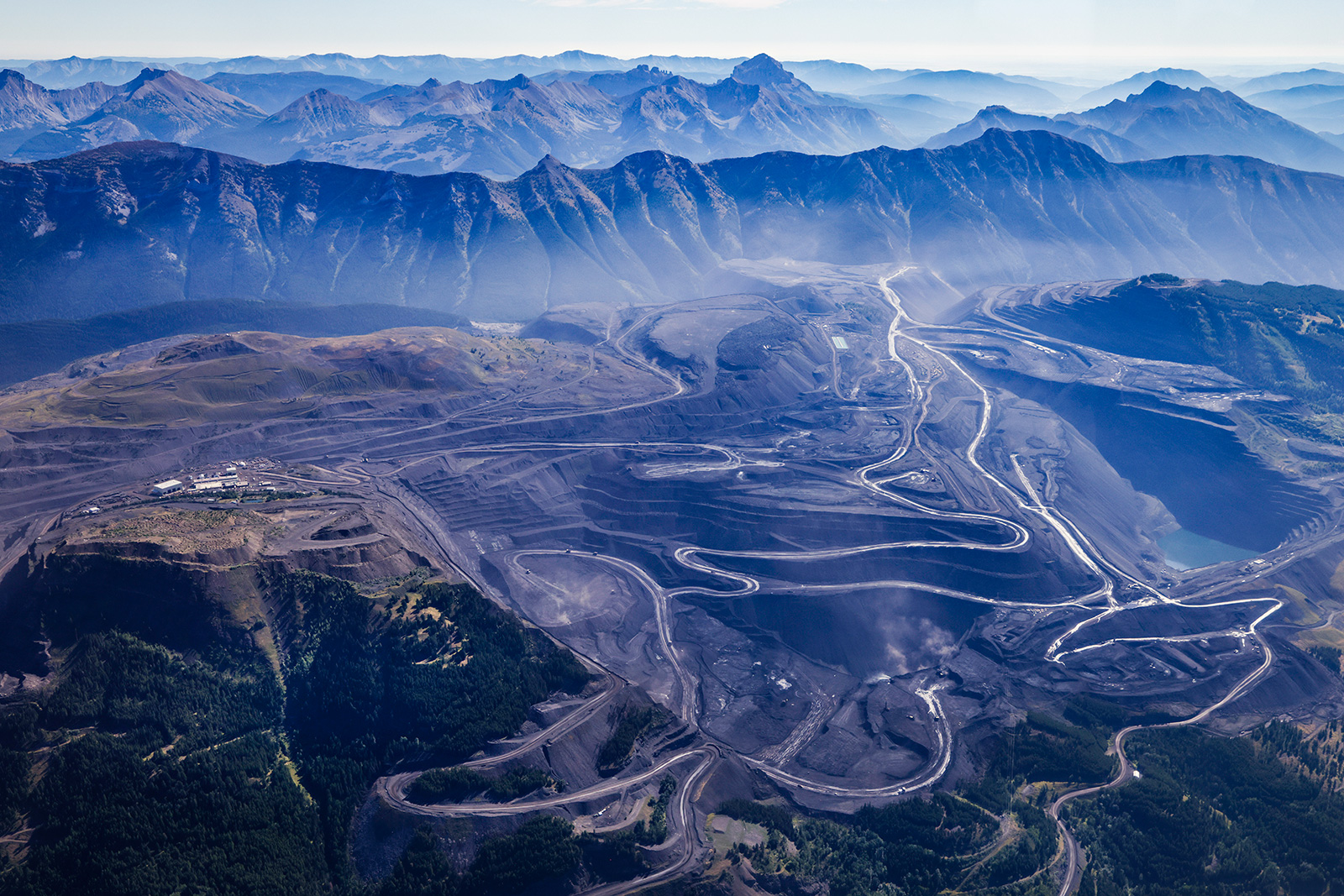
Documentary on Transboundary Coal Pollution to Screen at UM Law School
“Shared Waters: Ktunaxa and the Coal Mines” arrives as an international study board prepares to release its long-delayed draft report on Elk Valley mining contamination
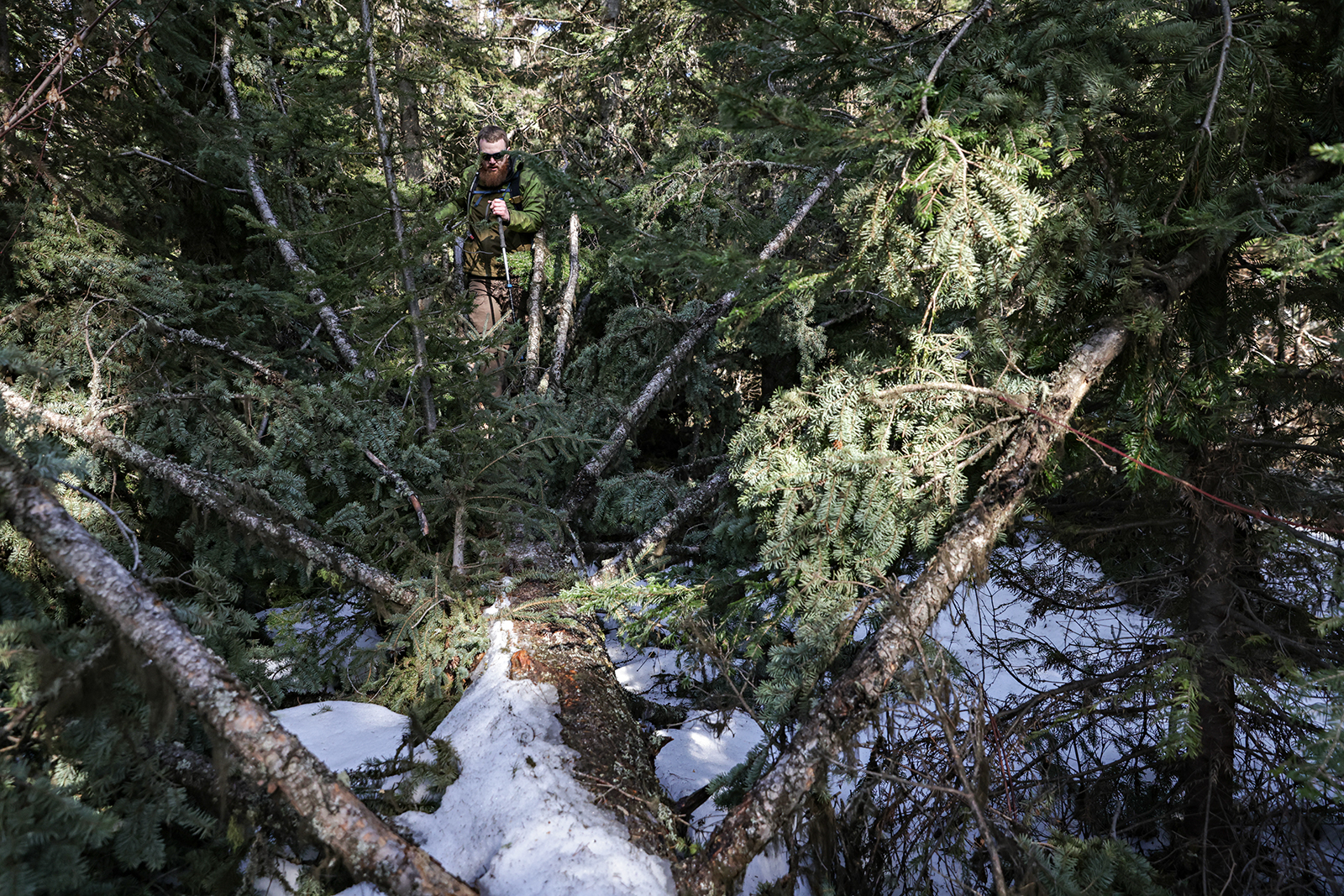
Flathead National Forest Approves Emergency Salvage Logging of Wind-Felled Timber
The decision authorizes salvage harvests in the Tally Lake, Hungry Horse, Glacier View and Swan Lake districts to clear trees downed by December and March windstorms
Thirty years after an avalanche killed five people in the northern Swan Range on New Year’s Eve, local rescuers, skiers and snowmobilers reflect on the tragic event and the evolution of search and rescue protocol and avalanche education that followed
Whether you’ve been here for decades or you’re new to the Flathead Valley, our reporting is here to help you feel smarter and in the loop about the issues most important to Northwest Montana. With your support, we can build a more engaged, informed community.