Greetings, Beacon readers! Jules Lingenfelter here anchoring your Thursday Daily Roundup. You may not know me (this is my first time appearing in your inbox), but you might have read my recent foray into the e-bike debate taking place on our local trails. If you haven’t gotten your fill of the back and forth, I’m here with an update on e-bikes. This time in Glacier National Park.
On Monday, the National Park Service announced its intent to expand bicycle and e-bike access within its parks.
The proposed rule comes in two parts: e-bikes would be allowed in motorized vehicle areas, removing the need for park superintendents to specifically designate roads open to e-bikes; park superintendents could streamline opening trails and roads to bicycles and e-bikes, only undergoing the rulemaking process if the decision would be 1) highly controversial or 2) open up natural-surface areas.
“America’s national parks should be easy to access and enjoy,” Jessica Bowron, acting director of the National Park Service, said in a press release. “This proposal would create a simpler, more consistent approach to bicycle and e-bike access across the national park system, making it easier for visitors to access the incredible landscapes, history, and recreation opportunities our parks have to offer while also allowing parks to manage their resources more efficiently.”
The proposed rule comes on the heels of a few different executive orders from the Trump administration — Making America Beautiful Again by Improving Our National Parks; Unleashing Prosperity Through Deregulation; Ensuring Lawful Governance and Implementing the President’s Department of Government Efficiency Deregulatory Initiative — all of which are generally aimed at loosening up rules and regulations.
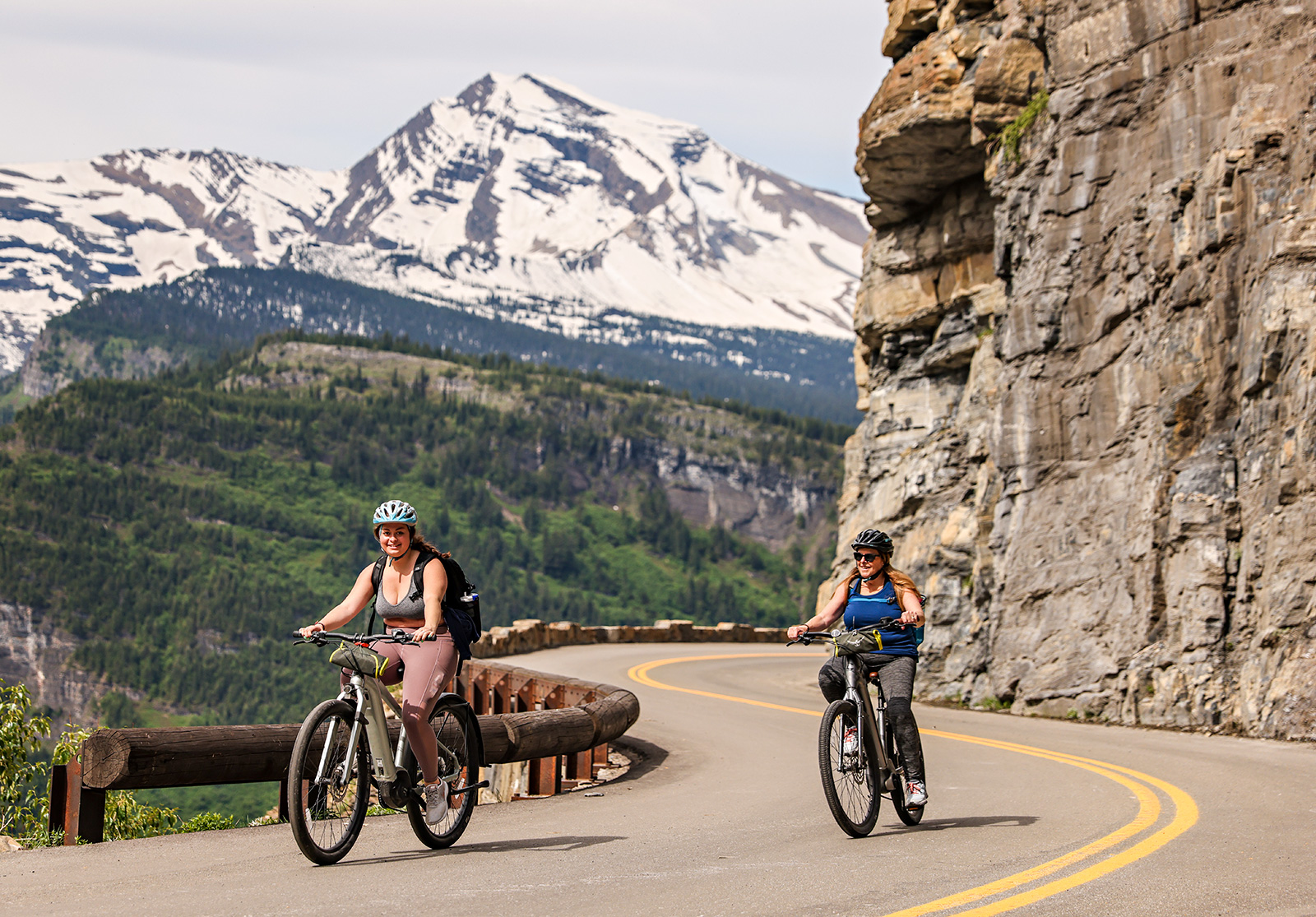
Glacier National Park, however, was ahead of the curve. In 2019, park officials authorized the use of e-bikes anywhere traditional bikes could go, though they limited access to only pedal-assisted e-bikes with 750-watt motors, better known as class 1 e-bikes.
Biking the iconic Going-to-the-Sun Road remains a highly sought-after adventure for locals and tourists alike, especially during the shoulder season when the road is closed to cars. Following the rule change, e-bikes began to spring up at bike outfitters in gateway communities, offering the new technology for rental alongside traditional “acoustic” bikes.
But the mountains of Glacier continue to be relatively closed off to bikers of all types. Aside from parking lots and paved roads, the park only has four trails open to biking: the Fish Creek bike path, the Apgar Village bike path, the old Flathead Ranger Station trail, and Camas Road.
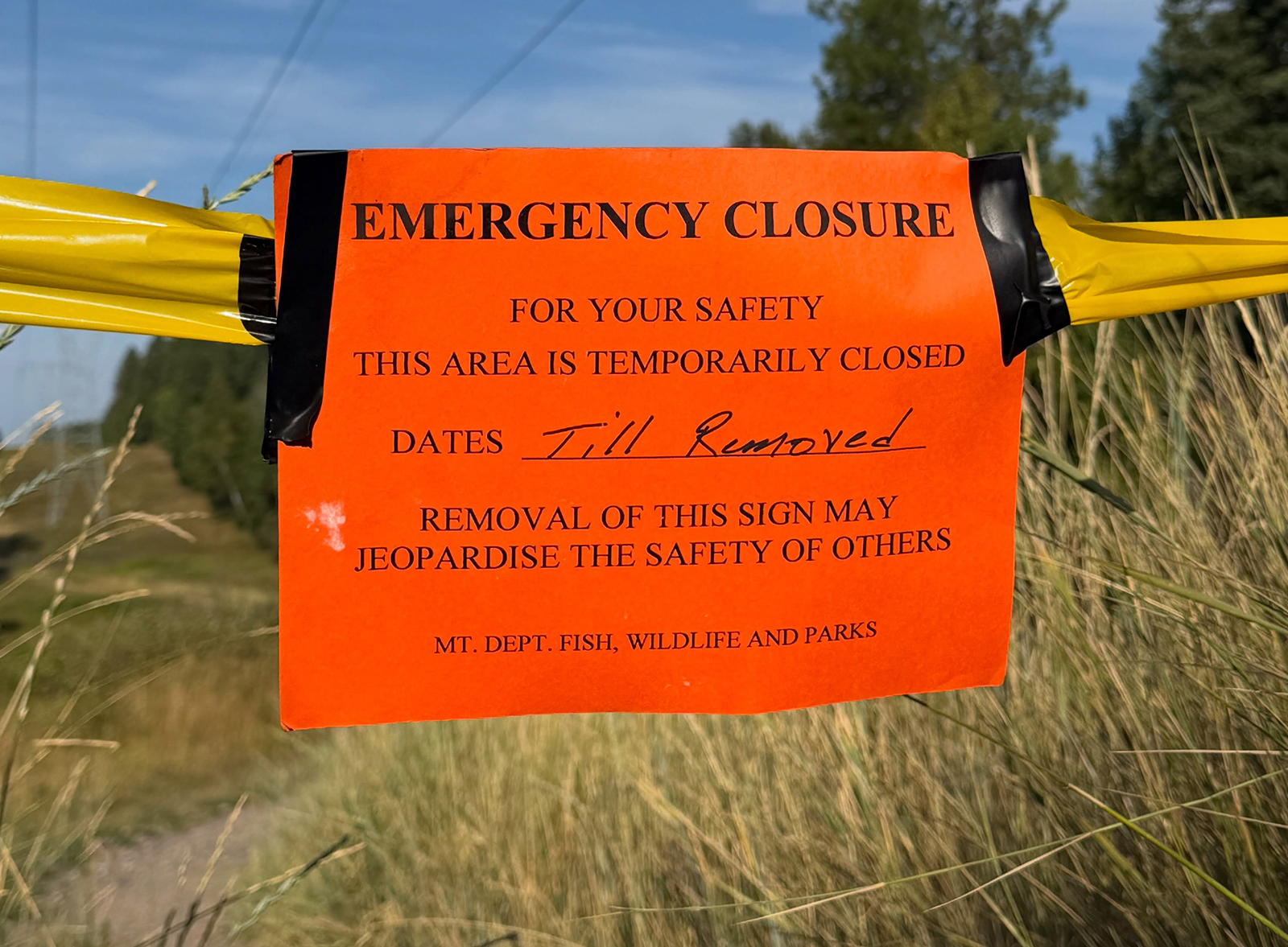
“Other than unpaved roads, true mountain biking opportunities will not be found in the park,” warns Glacier’s bicycling webpage. “The Flathead National Forest and other locations within the Flathead Valley have mountain biking trails with varying terrain and difficulty levels.” Though, as we know, those trails are a no-go for e-biking.
FVCC to Host a Celebration of Life for Paul Wachholz
The businessman and philanthropist, who donated more than $10 million to the college, died in July. His life will be honored at the college center — which bears his name — on Sept. 13.
Coalition to Host ‘Save the Flathead’ Forum on Land, Water and a Possible Open-Space Bond
Flathead County lost more than 49,000 acres of open space to development between 2000 and 2021, which is one of the fastest rates of any county in the state
Whether you’ve been here for decades or you’re new to the Flathead Valley, our reporting is here to help you feel smarter and in the loop about the issues most important to Northwest Montana. With your support, we can build a more engaged, informed community.