Greetings, Beacon Nation! Since 2002, Mack Days — the Confederated Salish and Kootenai Tribes’ (CSKT) biannual fishing derby on Flathead Lake — has played an integral role in shrinking the invasive lake trout population while also begging the perennial question from legions of far-flung Flathead Beacon interns: What the heck is a Mack Day?
Hint: Rest assured, it is neither a reference to a popular fast-food franchise’s flagship sandwich nor to the 1990s hip hop duo that catapulted the phrase “Daddy Mac” into mainstream prominence.
Answer: Part fishing contest, part conservation tool and part campaign to eradicate lake trout, the colloquial “mack” in “Mack Days” is derived from “mackinaw,” another name for the invasive species first planted in Flathead Lake a century ago. Although lake trout populations remained relatively small and stable for several decades, the introduction of mysis shrimp to the upper Flathead drainage in 1968, and their eventual migration to Flathead Lake in 1981, led to a population explosion. It also touched off the collapse of the kokanee salmon fishery and steep declines in native fish, including bull trout and westslope cutthroat trout.
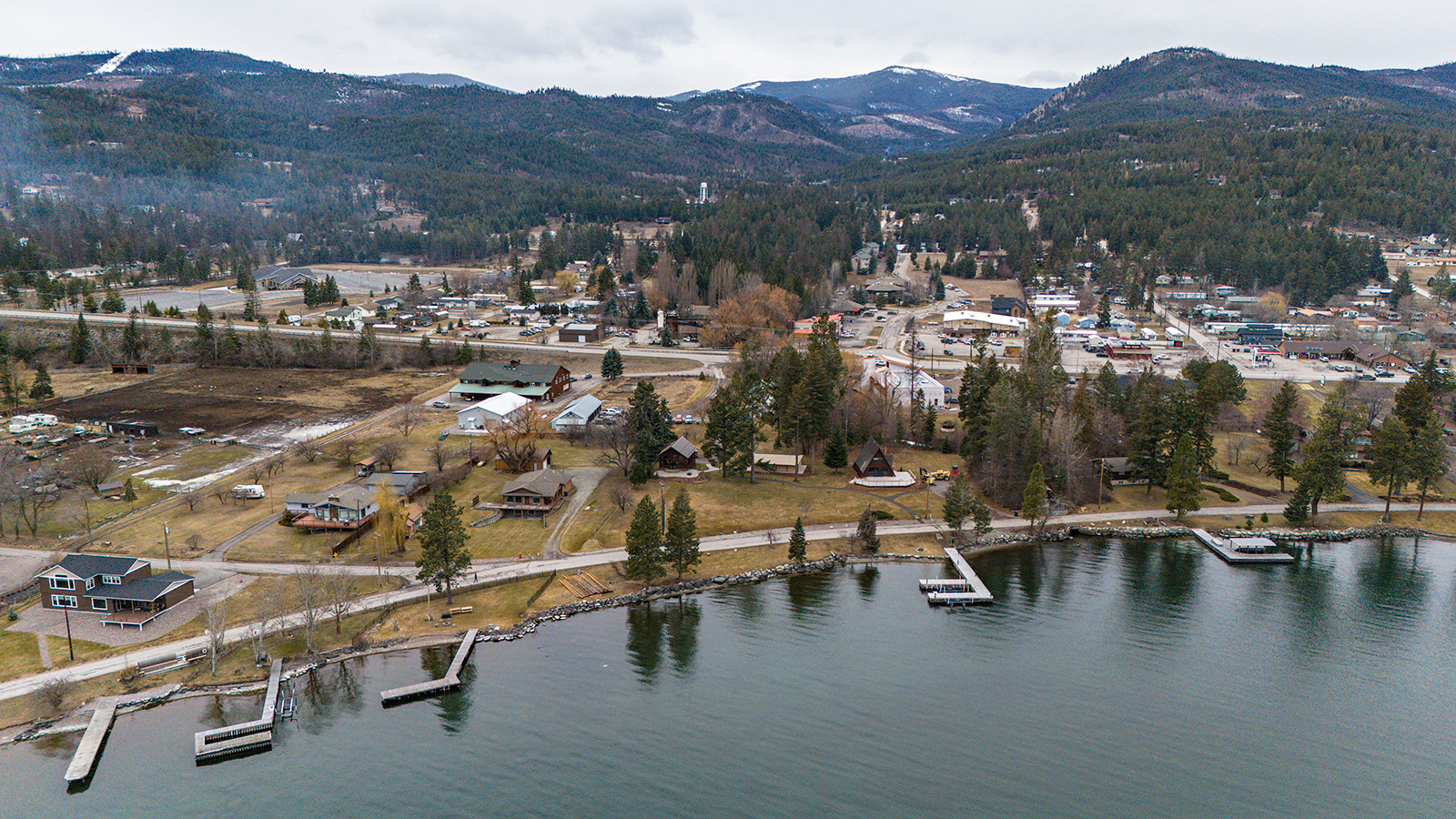
Lake trout and their lasting legacy are an oft-cited example illustrating how invasive species erode biological diversity and lead to ecological and economic losses, including about $120 billion in annual damages in the U.S. In Flathead Lake, the largest freshwater lake west of the Mississippi, the costs have been incalculable.
But as CSKT prepares to dole out prize money to anglers competing in the spring fishing tournament, dollar signs are beginning to materialize on the horizon.
I’m Tristan Scott, invading your inbox to tell you more about the history of Mack Days in this Monday edition of the Daily Roundup.
For the past 24 years, the CSKT has set a goal of reducing adult lake trout abundance by 75% in Flathead Lake, and of maintaining that population level indefinitely.
With an estimated 1.5 million lake trout in Flathead Lake, the tribes’ goal is to remove 143,000 annually in order to begin seeing a reduction in the overall population. The program harvested 718,351 lake trout in fall and spring Mack Day events between 2002 and 2022.
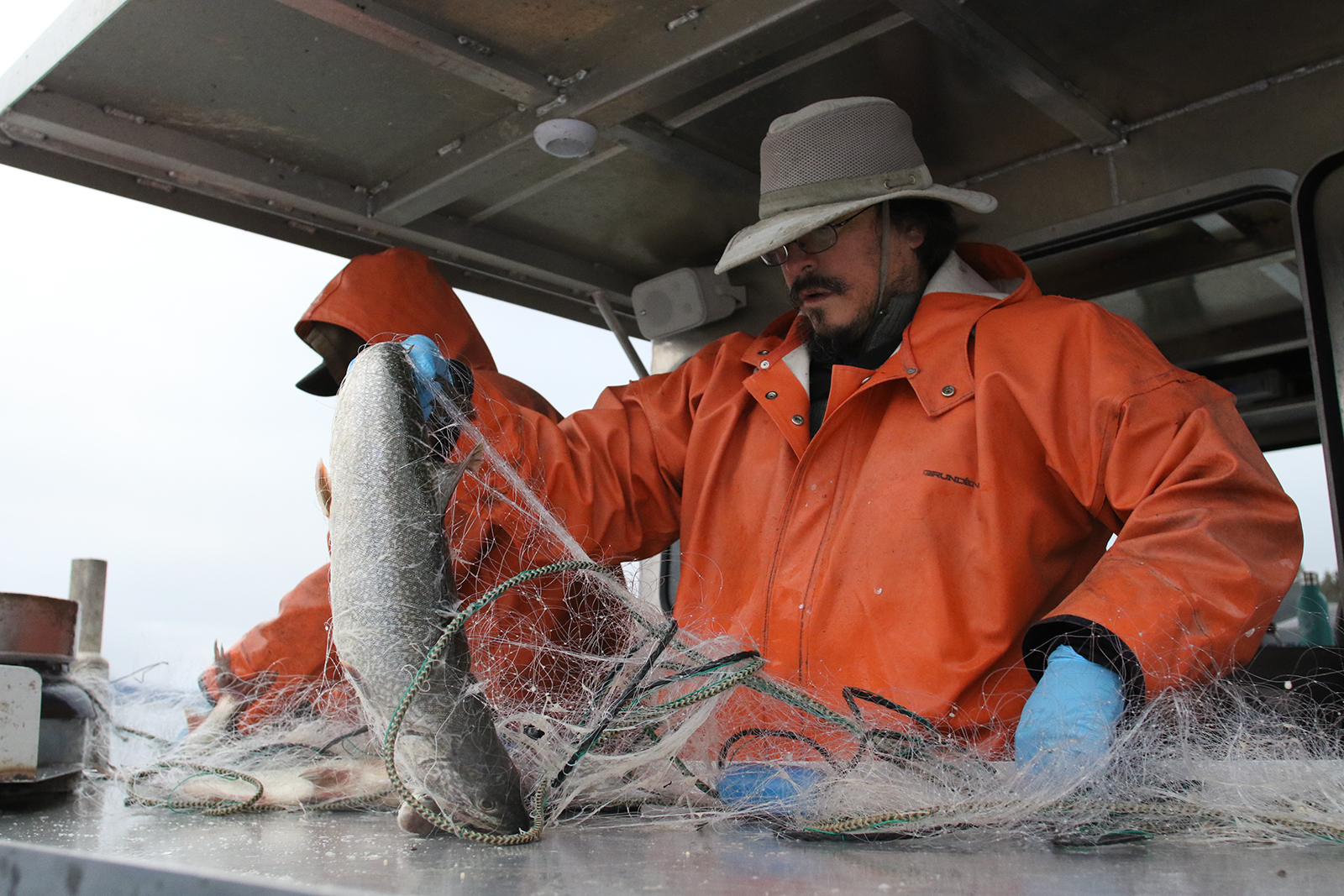
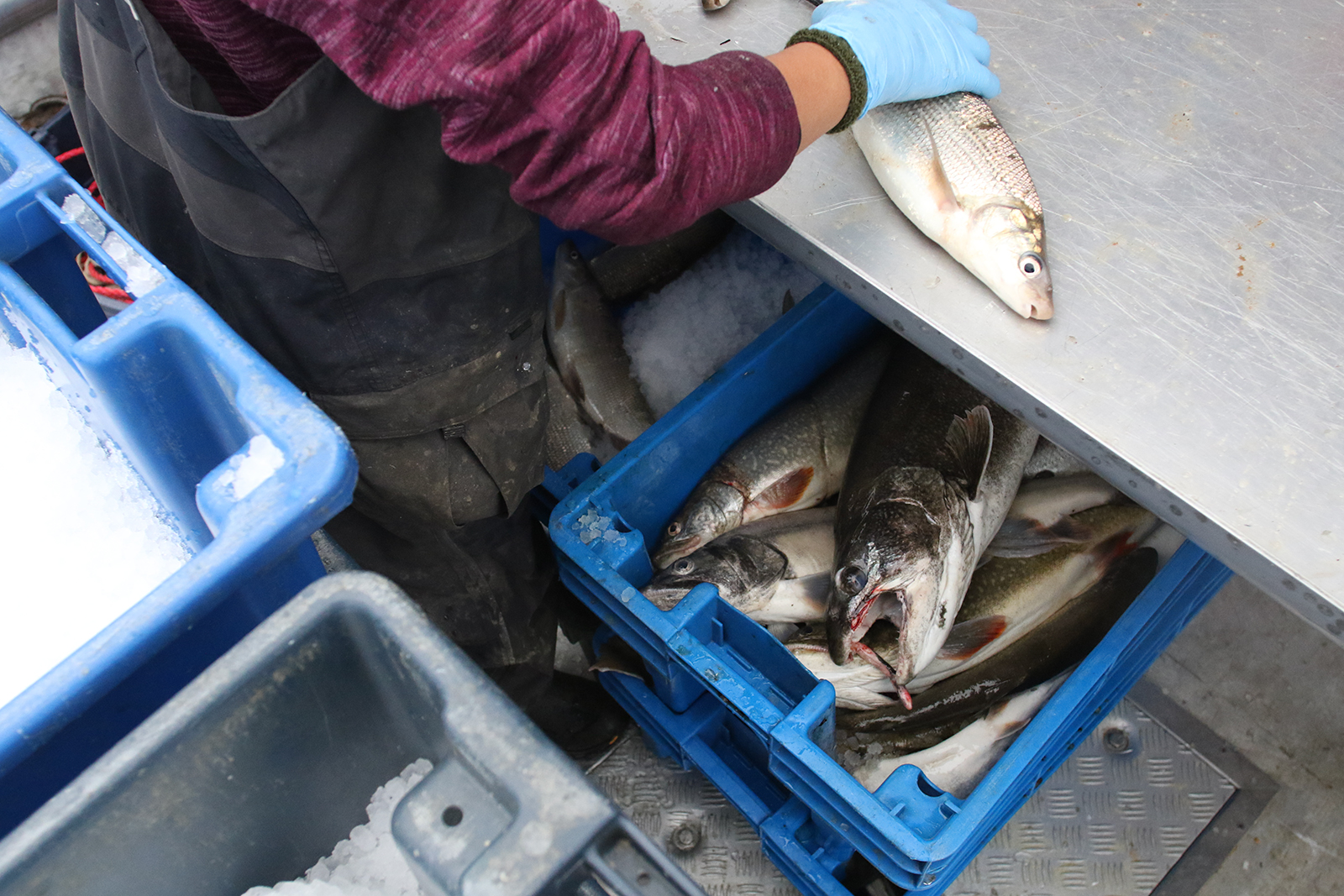
Those suppression efforts, which appear to be having a measure of success, are also prohibitively expensive. Enter Native Fish Keepers, Inc., which in 2017 began selling wild-caught fillets of lake trout and whitefish caught in its gill-netting operations, as well as fish harvested during the spring and fall Mack Days, to offset the cost of facilitating both the tribes’ gill-netting program as well as its Mack Days events.
The fillets are available in grocery stores throughout western Montana and have helped reduce the financial burden to CSKT.
For example, the fishing derbies cost the tribes about $200,000 annually, while a suppression gill-netting effort, launched in 2014, has led to additional expenses. The costs include paying out prize money to Mack Days participants, purchasing and maintaining equipment, including miles of net, and the purchases of multiple boats.
The 2026 Spring Mack Days Fishing Event on Flathead Lake will begin Thursday, March 12 and is set to run through May 9.
U.S. Rep. Ryan Zinke Announces He Will Not Run for Reelection
Citing health issues, the Republican from Whitefish — a clear frontrunner in the high-stakes race for Montana’s western congressional district — announced Monday afternoon that he will serve out the remainder of his term
‘I’m Home:’ Paralympic Snowboarder Brenna Huckaby Finds Community in the Flathead Valley
The three-time gold medalist made the move to Kalispell nearly four years ago and has since leaned on her newfound “village” as she prepares for her third Winter Paralympic Games.
Whether you’ve been here for decades, or you’re new to the Flathead Valley, our reporting is here to help you feel smarter and in the loop about the issues most important to Northwest Montana. With your support, we can build a more engaged, informed community.