Happy Thursday, Beacon readers! (April Fool’s — it’s actually Wednesday. Did I get you?!)
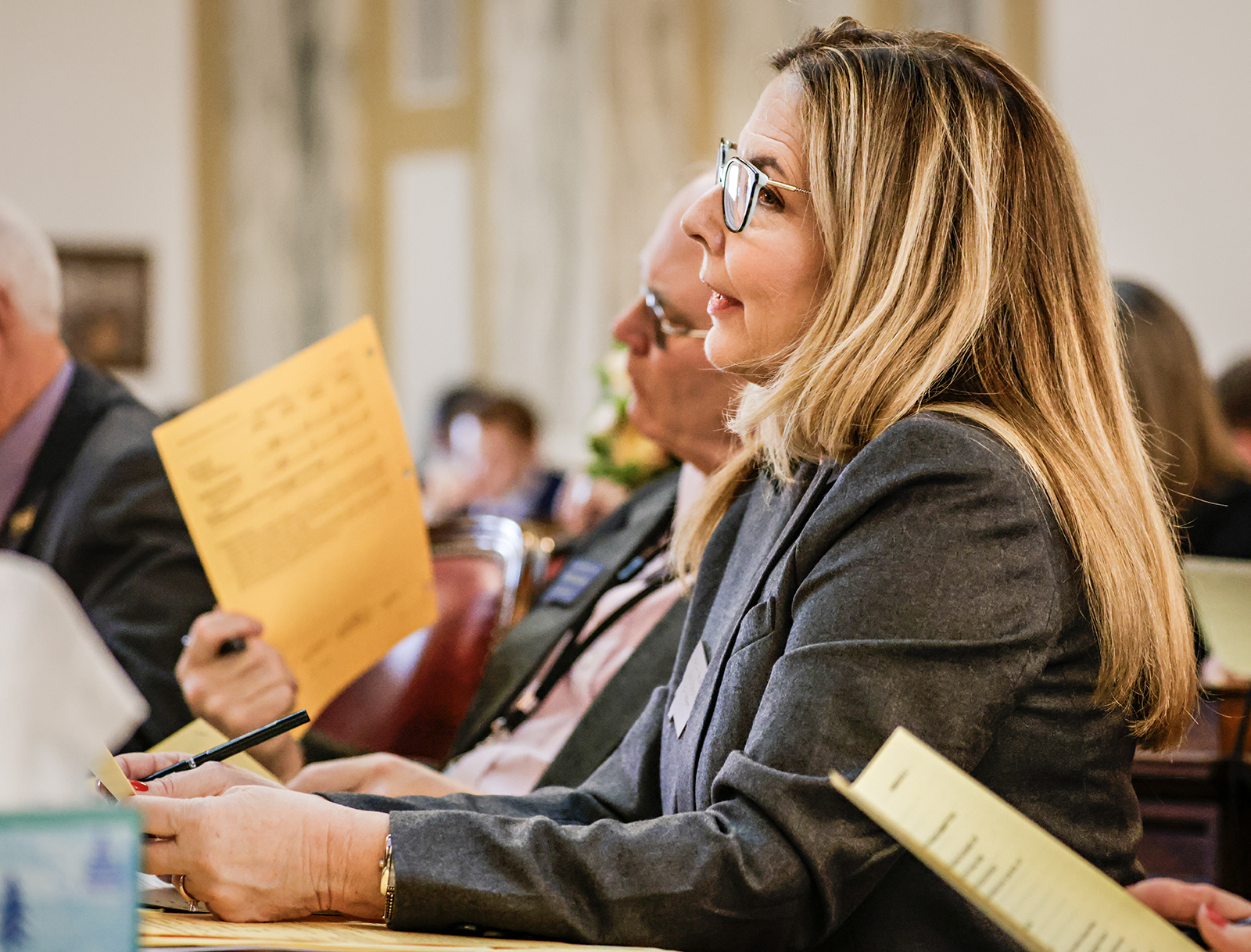
Mariah Thomas here, dispatching from a busy week that’s included catching up with several schools in the area now that they’re back from spring break; stops at the No Kings rally and a property tax discussion hosted by a crew of legislators this past weekend; and unraveling developments from a busy primary election cycle.
In short, there’s no shortage of stories happening in this community, and I, for one, am energized by all of it.
And today’s newsletter contains an update on one story I’ve been following along with: an ongoing property tax lawsuit.
Yesterday, the state Supreme Court declined Gov. Greg Gianforte’s ask for it to take up the mantle in a property tax lawsuit filed by a trio of legislators. In a court order signed by all the justices, the Supreme Court found the District Court was “well-equipped to consider the legal questions Governor Gianforte posits, may resolve the legal issues in a timely fashion and provide opportunity for appeal so long as the parties diligently litigate the case.”
The governor’s petition for the Supreme Court to take up the case — bypassing the Bozeman District Court the case was originally filed in — asked for a resolution on key constitutional questions raised in the lawsuit about Senate Bill 542.
That bill was one of two during the 2025 session that rewrote the state’s property tax code. SB 542 provided $400 property tax rebates to homeowners and established a tiered tax rate that effectively lowered taxes for the majority of homes in the state, while simultaneously raising them on high-value homes and other types of property. Its companion bill, HB 231, set to take effect this year, will raise taxes on second homes.
The major question at play is whether SB 542 violated the state constitution’s single-subject rule, which requires legislation to focus on a lone subject that aligns with a bill’s title. The lawsuit’s filers also took issue with the process of amending the legislation, claiming lawmakers were forced to either “accept the controversial permanent rate restructuring if they wanted to support the popular temporary rebate or reject the popular rebate if they opposed the controversial restructuring.”
In his petition, Gianforte wrote the bill’s impacts, including the tax rebate, were at risk should the lawsuit fail to go in the state’s favor; and he made a case for timeliness, arguing lawmakers need an answer on the bill’s constitutionality ahead of the state’s next legislative session, which gavels in next January.
Kaitlin Timken, a spokesperson for the governor, wrote in a statement to the Beacon Wednesday morning that the governor was “disappointed” by the Supreme Court passing on taking up the case.
“If the lawsuit succeeds in the lower courts, it could potentially invalidate the tax rates applied in the 2025 tax year and roll back about $95 million in property tax rebates claimed by Montanans last year, resulting in higher property taxes for Montanans,” Timken wrote. “Furthermore, without guidance ahead of the 2027 Legislature, laws introduced and passed by elected representatives in the upcoming session are at risk of further potential lengthy litigation.”
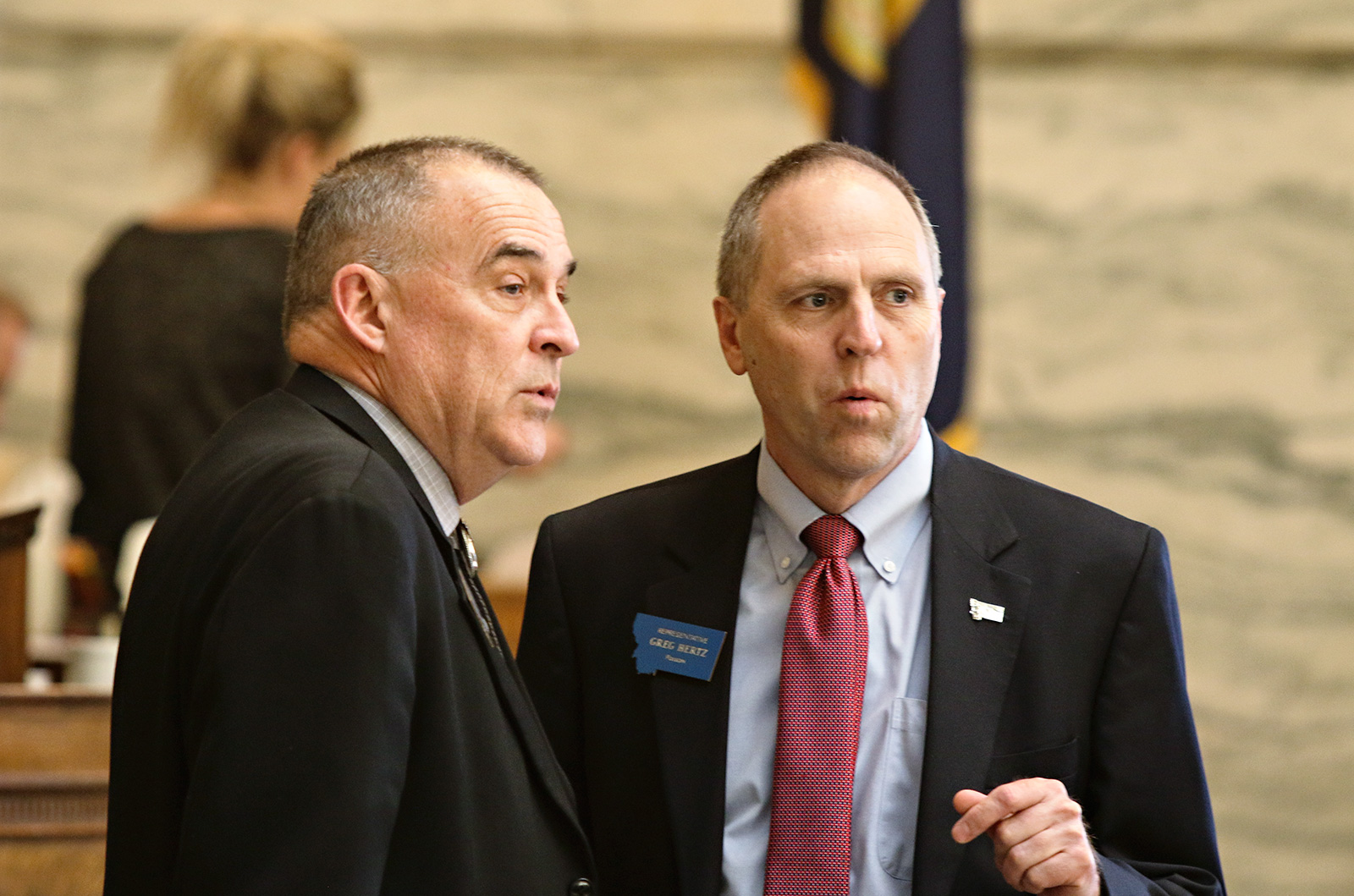
State Sen. Greg Hertz, R-Polson, (pictured above, on the right) one of the three lawmakers who filed the suit, said the Supreme Court was correct: the District Court can resolve the issues in a timely manner, so long as “the parties diligently litigate the case.”
“It is unfortunate the Governor’s attorneys have spent weeks with this action in the Supreme Court and have failed to reply to our lawsuit in District Court,” Hertz wrote in an email to the Beacon. “They have now requested almost 4 weeks of delays. If the governor wants to get this resolved, he needs to direct his attorneys to file their responses in a timely manner and stop the delay tactics.”
Hertz, in a talk about property taxes hosted in Kalispell Saturday evening, also pushed back on the concerns that the courts would roll back property tax rebates Montanans had already received.
The issue of property taxes has been at the center of ongoing divisions in the state’s Republican Party for much of the past year, including now playing a role in some competitive GOP primaries around the state and locally (more on that below).
The trio of lawmakers who filed the suit — Hertz, Sen. Tom McGillvray, R-Billings, and former Sen. Keith Regier, R-Kalispell — also said in the original filing that tax bills on their own properties rose under the legislation.
And that’s all for this Wednesday’s newsletter. Onto the rest of today’s Daily Roundup!
Conservation Groups Sue to Stop Cabinet Mountains Mining Project
The federal lawsuit claims that Hecla's Libby Exploration Project south of Libby threatens water quality and protected species, including those in a federally designated wilderness area
Primary Politicking Puts Some Republican Lawmakers on the Defense
Ahead of the June 2 primary, incumbent Flathead Republicans who voted for property tax reform are facing down their own party, fending off challengers from the right in campaigns to retain their seats as attack ads, mailers and endorsements inundate their districts. Can they stay above the noise?
Whether you’ve been here for decades, or you’re new to the Flathead Valley, our reporting is here to help you feel smarter and in the loop about the issues most important to Northwest Montana. With your support, we can build a more engaged, informed community.