Our Favorite News Features of 2025
From the consequences of mass firings of public land managers to trade war tensions with Canada and the Flathead’s hidden immigrant communities, here are a few of our best stories from the last year
By Beacon Staff
The last year was jam-packed with news in northwest Montana. As we compiled this list of relevant stories, it was difficult to choose just a few dozen. There are features on the divided Legislature, a swelling grizzly bear population, and the ramifications of repealing the Roadless Rule. Here is some of our best work from 2025.
In the Flathead Valley, Wealthy Private Landowners Leave Former Timberland Unlocked to the Public
Amid unprecedented development pressure, conservation easements have kept vast tracts of northwest Montana’s timbered landscape open to the public. But after the largest sale of the region’s timberland to a private buyer in recent history, the owners of Flathead Ridge Ranch have emerged as the unlikely gatekeepers to 126,000 forested acres of prime hunting habitat.
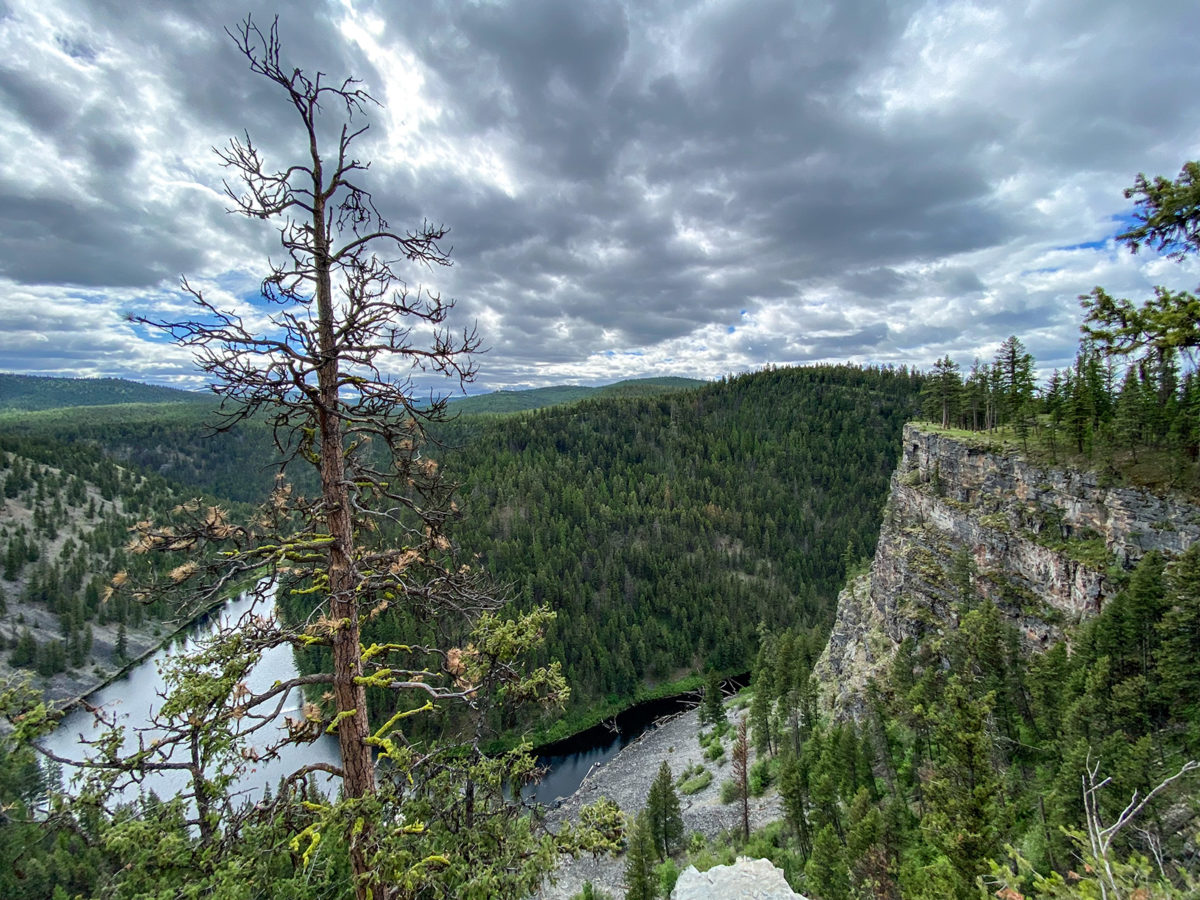
On a soggy Saturday afternoon in late November, Stan Ottosen, head of security for Flathead Ridge Ranch, piloted his pickup truck over Browns Meadow Pass, contouring gingerly along the two-lane ribbon of rutted road. He drove slowly to avoid the kettles and potholes, which an early-season slurry of snow and larch needles hadn’t improved, and he afforded a friendly berth to oncoming motorists, all of them sporting blaze-orange hunting vests, coats and flap caps.
Read the rest of the story here.
Regier at the Helm
The Kalispell Republican is presiding over a state Senate mired in internal conflict as he attempts to pass a slate of conservative legislation
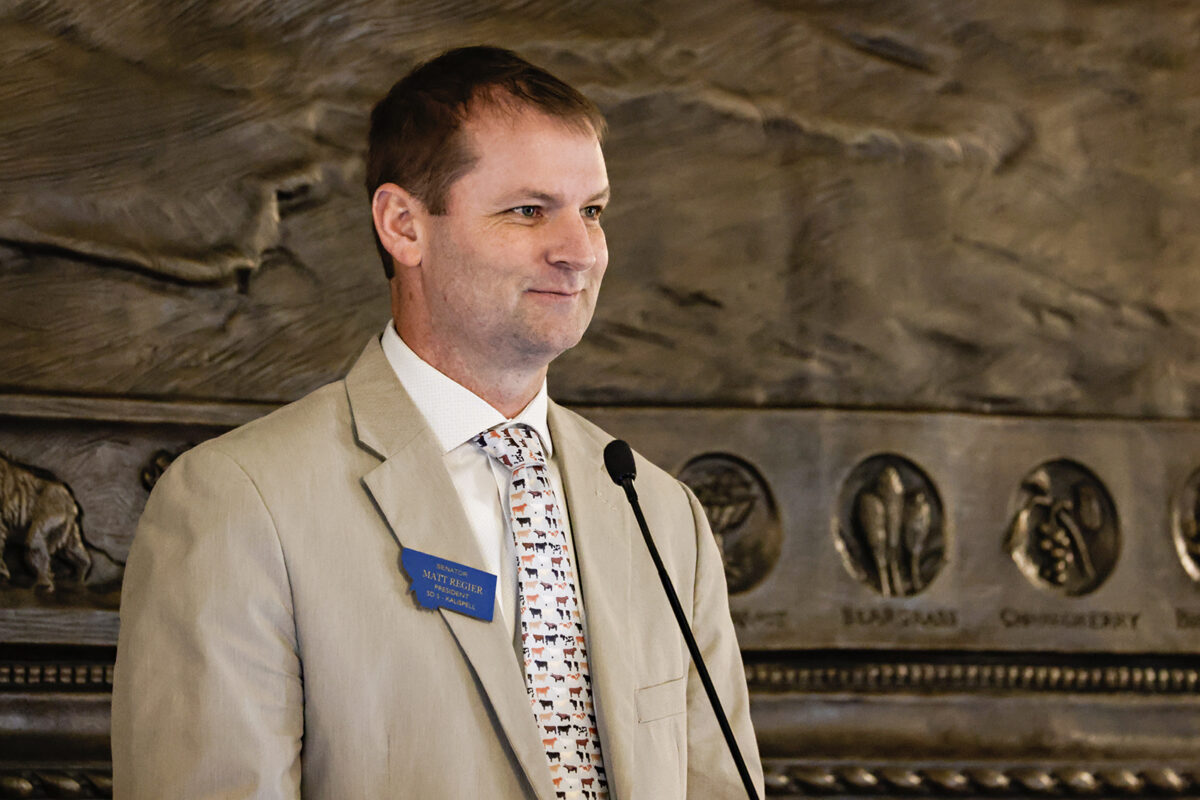
On Jan. 17, a frigid Friday morning just two weeks into the 69th Montana Legislature, the state capitol was, again, buzzing with news out of the Senate. That morning, the Montana State News Bureau had reported that Sen. Jason Ellsworth, R-Hamilton, the former Senate president, had signed a $170,000 contract with a longtime business associate without undergoing the public bidding process or notifying legislative leadership.
Read the rest of the story here.




As Longtime Seasonal Workers Emerge as Casualties of Mass Firings, Stakeholders Warn of Dire Consequences to Public Lands
In many cases, laid-off seasonal employees had worked for the U.S. Forest Service for years or even decades — cleaning campgrounds and clearing trails, supporting firefighters and securing funds for wildfire mitigation — but their probationary clocks were reset last year during an agency-wide “temporary-to-permanent” workforce conversion initiative
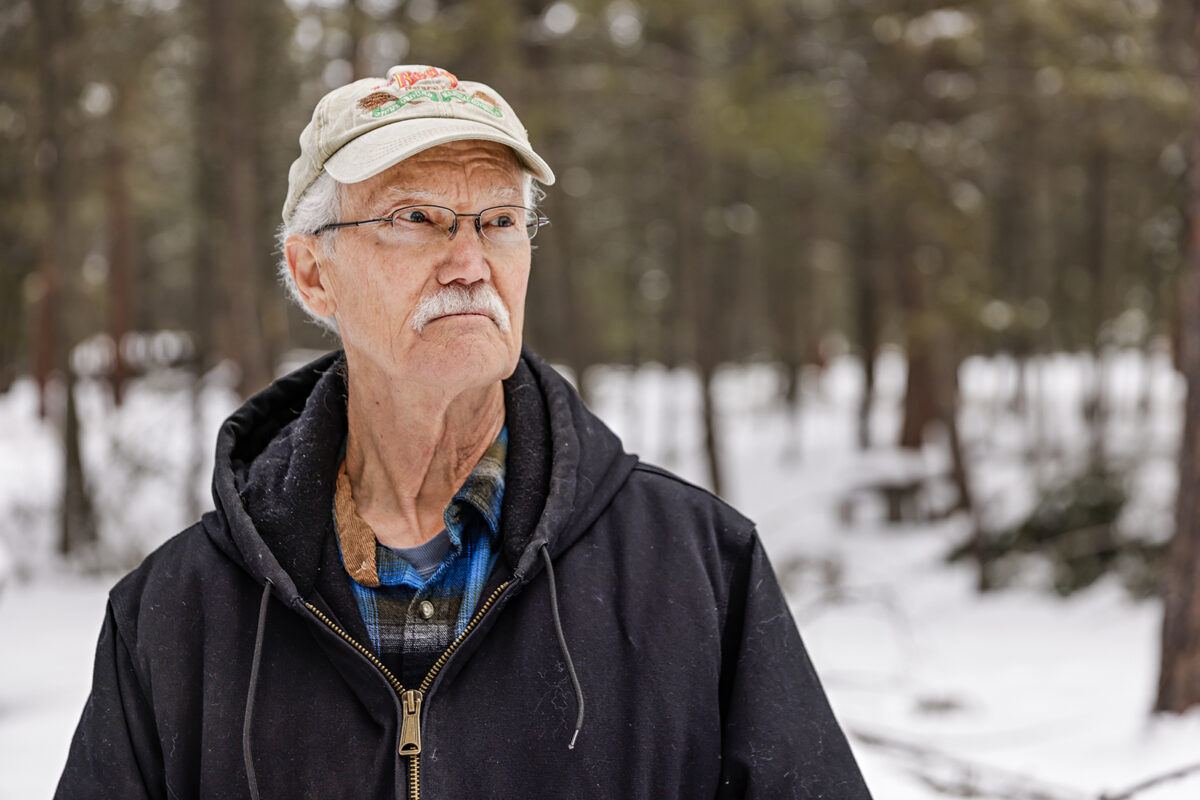
Lyle Olsen has met so many decent, dedicated, goodwilled people since his first seasonal job with the U.S. Forest Service in 1972, he’s curated a list of beneficiaries whose dreams he promises to bankroll, just as soon as he buys a winning lottery ticket. Holding a termination letter from the federal government in his hands on Feb. 20, the 73-year-old Tobacco Valley resident admits his luck may have run out.
Read the rest of the story here.
Rural School Administrators Report Mounting Mandates, Limited Support from State and Federal Agencies
An uptick in reporting and testing requirements has placed an undue burden on Montana’s small school superintendents. Five schools in Flathead County are set to lose their top administrators this year.

On any given day, Marion School Superintendent Julia Maxwell takes on dozens of different tasks. She shepherds the school through curriculum changes, steps in for absent teachers, plans the calendar, puts Band-Aids on scraped knees, monitors outdoor recess and mops the hallway after students trudge in with snowy boots.
Read the rest of the story here.
Eureka Business Owners Remain Optimistic Despite U.S.-Canada Trade War Tension
As tariff-induced tensions escalate between the two countries, business owners in Eureka say they continue to see regular Canadian customers, attributing a drop in travel to the pandemic-era border closure and the weak dollar that has chilled Canadian spending in recent years

When the U.S.-Canada border closed to most travelers at the start of the pandemic in 2020, Eureka business owner Mike Volsky lost a large chunk of his customer base at Four Corners Casino and Grill. To supplement his income, he shifted to selling real estate, a market that heated up when a slew of Canadian property owners sold their northwest Montana homes.
Read the rest of the story here
‘I Feel Fear All the Time’: Flathead Valley Immigrant Communities Report Unease as Risk of Deportations Looms
Under directives from the White House, federal agencies have ramped up migrant arrests in the Flathead Valley. Fearing deportation, local Latino communities report a chilling effect, even among those with legal status.

“What I lived through and what I saw, I wouldn’t wish it on anyone.” Sitting in a coffee shop, Luis, a recent arrival to the Flathead Valley from Venezuela, recounted his months-long journey from South America to Kalispell. In the quiet hum of a Montana morning, the experience Luis described stood in stark contrast to the valley around him. He recounted leaving his beloved home of Venezuela after watching the country’s economy collapse under an authoritarian government.
Read the rest of the story here.
Vertical Feat: How A Retired School Teacher Smashed Big Mountain’s Boldest Skiing Record
By logging 10,347,920 vertical feet at Whitefish Mountain Resort last winter — more than any other season-pass holder in Big Mountain’s history — a 53-year-old retired teacher named Michael Donnay has set what many consider an unbreakable record.
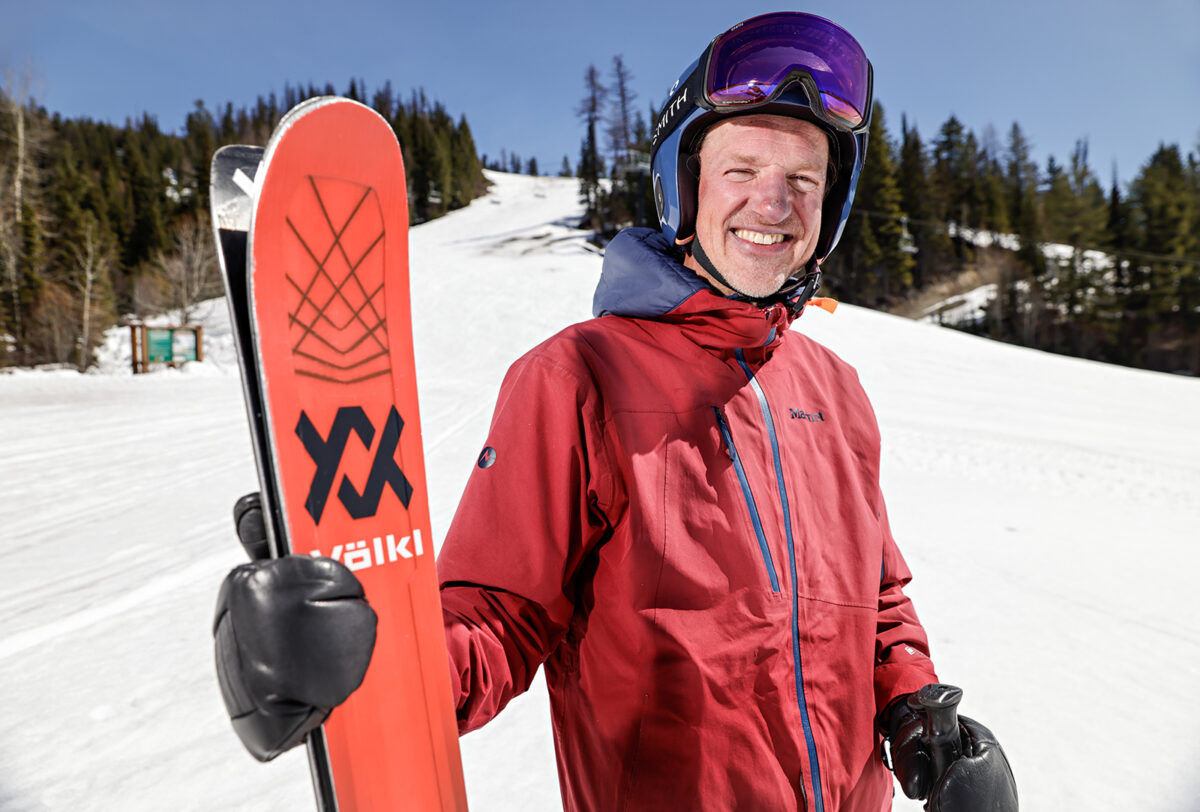
It wasn’t until Michael Donnay encountered the most disagreeable skiing conditions he’d ever experienced at Whitefish Mountain Resort — bone-blasting windchill, rime ice, impenetrable fog, holiday crowds — that he finally found the confidence to declare his ambition to rip more laps down Big Mountain than anyone in the ski area’s history, or any other ski area’s for that matter.
Read the rest of the story here.
As the ‘Silver Tsunami’ Hits the Flathead Valley, Dementia Diagnoses are Rising While Caregivers Reach a Breaking Point
An estimated 2,000 people with dementia live in Flathead County, overwhelming the region’s scarce resources and shrinking workforce as the baby boomer generation continues to age
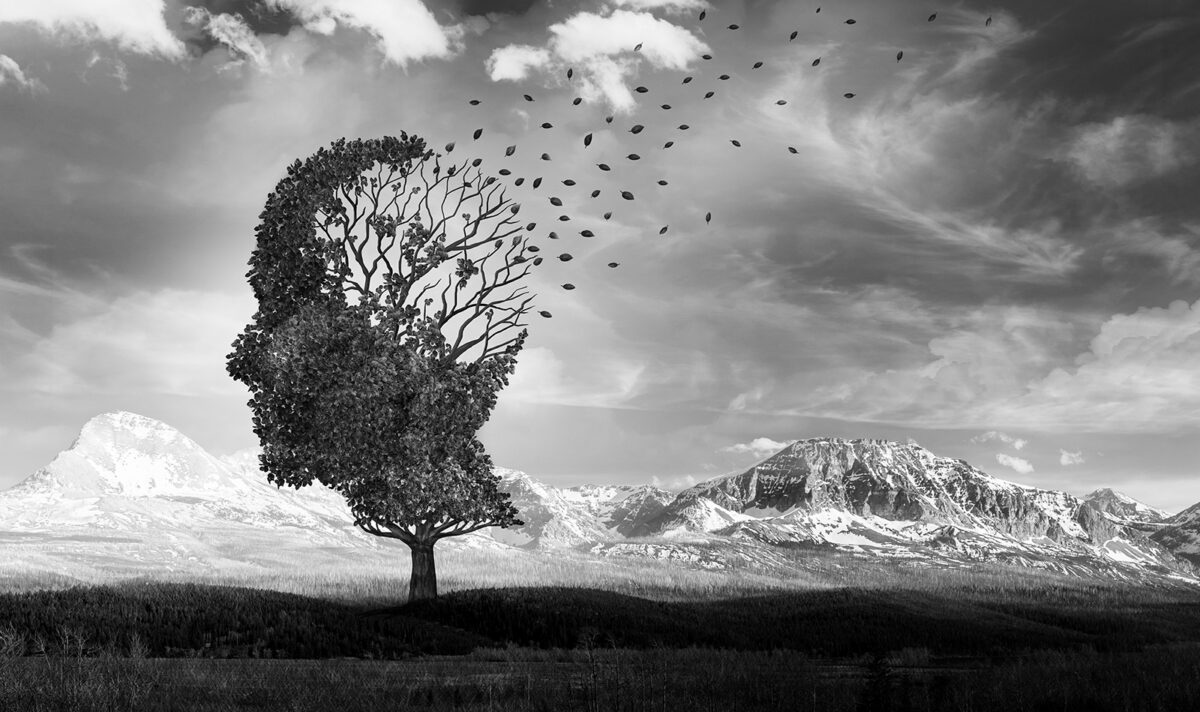
More than 50 years ago when Frank Shelt was a student at the University of Idaho, he picked up an extra job as a busboy at the Kappa Alpha Theta sorority to help pay for college. Two years after meeting Karen Sue in the sorority house, the couple got married on July 3, 1971, and spent the following decades traveling the world and moving across the Mountain West.
Read the rest of the story here.
The Grand Lodges of Glacier
A century ago, a railroad company hoping to attract passengers built a series of lodges in Glacier National Park
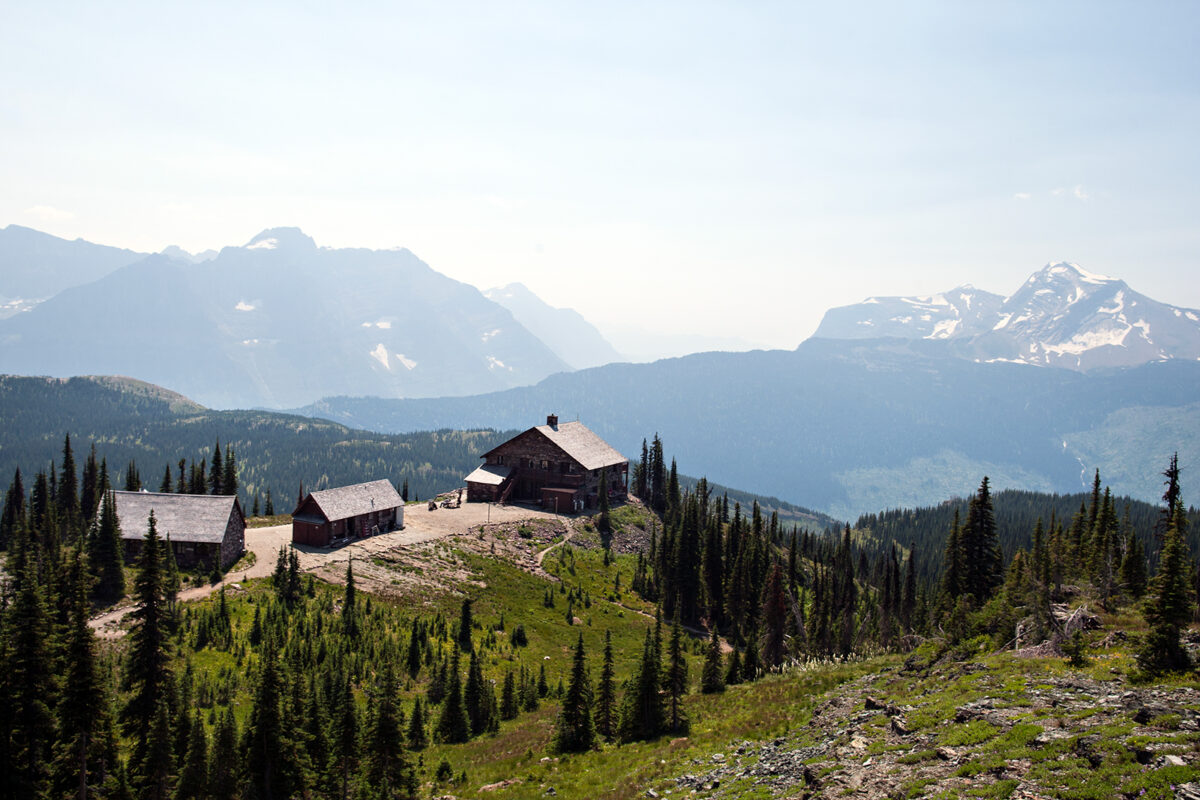
Prior to May 10, 1910, the 1 million acres that are now part of Glacier National Park were part of the Flathead Forest Reserve. Although the glacier-capped mountains and deep blue lakes were just as beautiful before President William Howard Taft signed the legislation creating Glacier as they were afterward, the designation of this area as a national park changed everything. Suddenly, the plot of land east of the North Fork of the Flathead River and south of the Canadian border was a nationally recognized destination.
Read the rest of the story here.
As Montana’s Grizzly Population Grows, Bear Managers Grapple with Conflict Conundrum
A bear relocated for killing sheep was shot and killed weeks later after charging a Swan Valley landowner, raising more questions about the conflict-response criteria for a population of grizzlies that wildlife managers say has met its recovery goals
When a Swan Valley landowner shot a grizzly bear on June 4 after it threatened his livestock and charged him on his property near Condon, he had no way of knowing that wildlife managers captured the same bear weeks earlier for killing sheep near Potomac, about an hour away. That’s set to change under new legislation requiring the Montana Department of Fish, Wildlife and Parks (FWP) to notify county officials within 24 hours of relocating a grizzly bear, and to publish those details publicly to an online dashboard.
Read the rest of the story here.
One Year After a Local Paddleboarder Disappeared on Hungry Horse Reservoir, a Community Tries to Make Sense of the Loss
Emily Rea’s disappearance has led to a range of theories as her family and friends cope with the uncertainty and ambiguity surrounding the case as the search continues
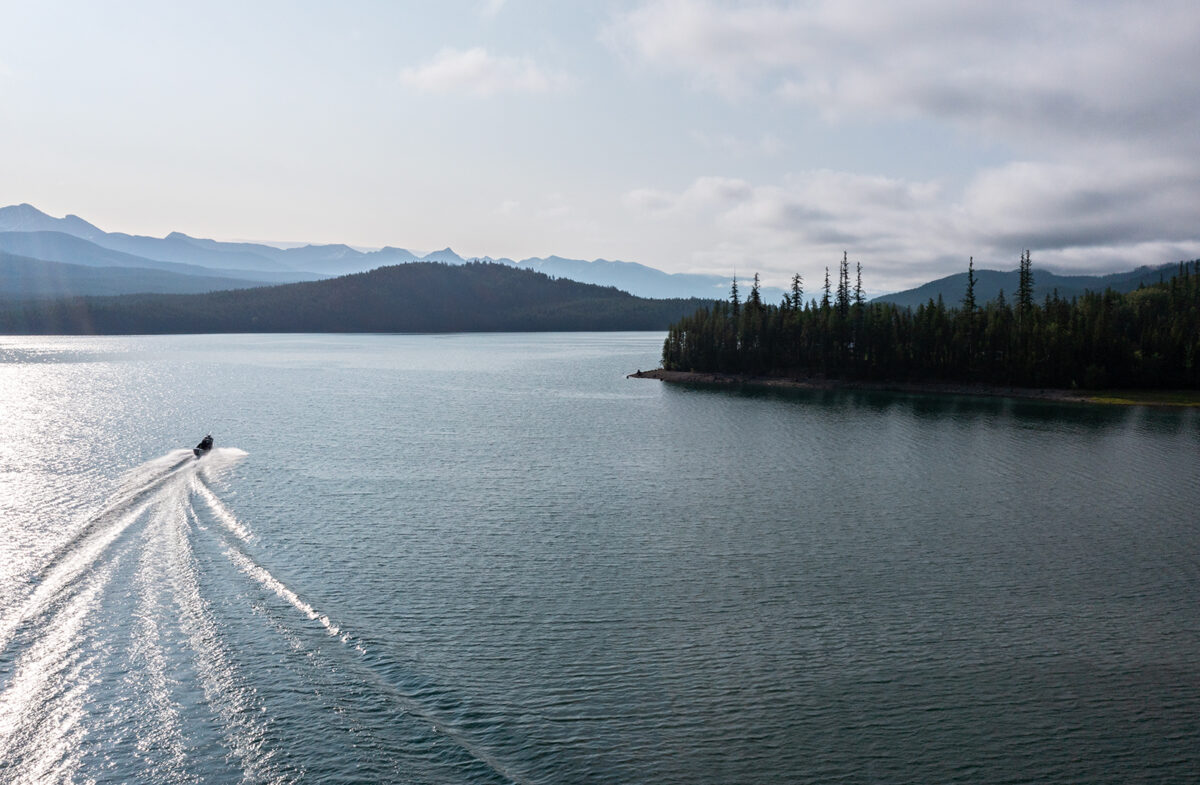
Last year on July 16, 33-year-old West Glacier resident Emily Rea drove her black Honda CRV up the South Fork Road 21 miles to the Riverside Boat Launch on the east side of the Hungry Horse Reservoir for what law enforcement officials believe was an evening of solo paddleboarding on a hot summer night.
Read the rest of the story here.
What Could the End of the Roadless Rule Mean for Montana’s National Forests?
Critics of the decades-old policy restricting road construction and timber harvests in inventoried roadless areas say its repeal removes obstacles for local forest managers. But conservation advocates and former forest planners say the rule’s dissolution is more complicated.
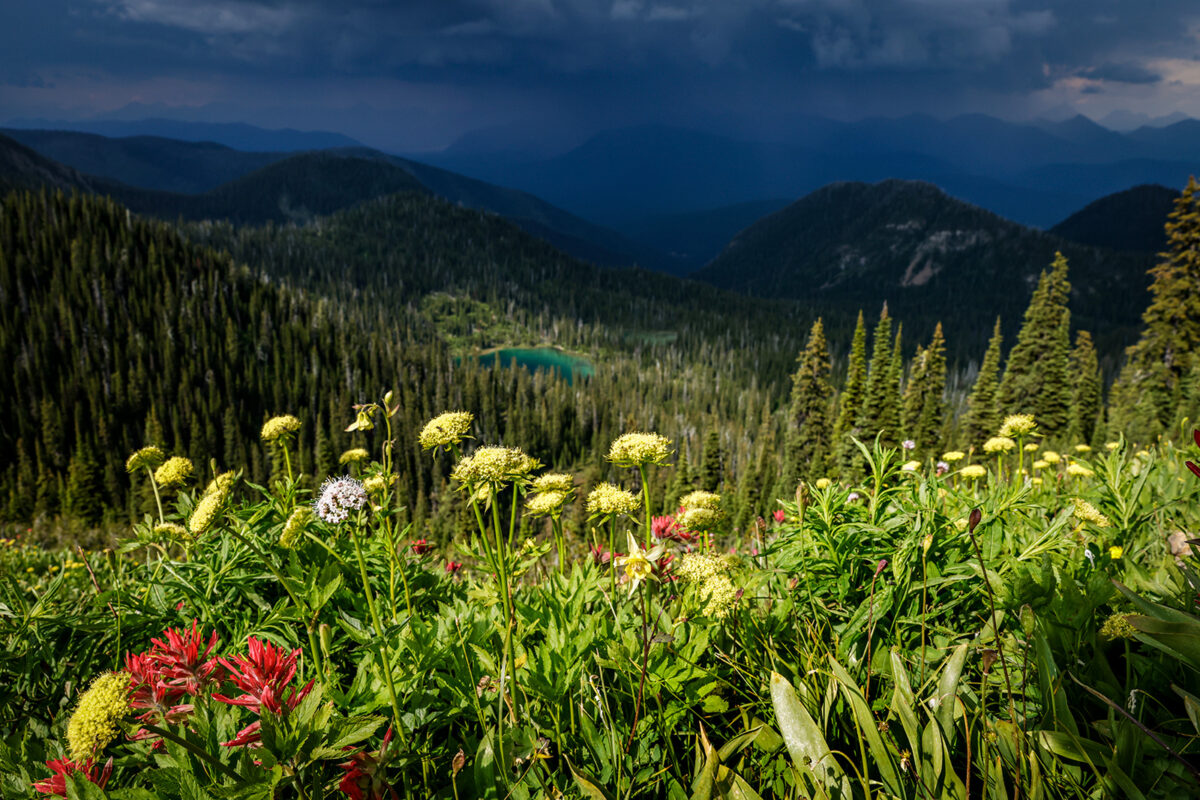
When U.S. Department of Agriculture Secretary Brooke Rollins announced last month that the administration was taking steps to rescind a decades-old policy to restrict road building and timber harvests on 58.5 million acres of national forest lands, she justified it as another step by the Trump administration to remove “absurd obstacles” that have stymied forest management and intensified the threat of wildfire.
Read the rest of the story here.
The Faces of Indian Relay Races
As the sport continues to gain popularity, Indian Relay team participants say the horsemanship, camaraderie and adrenaline rush keeps them addicted to racing

At the North American Indian Days, teams from around Montana and the Mountain West came together for a weekend of Indian Relay races on the Blackfeet Nation, a sport that is growing in popularity since becoming more official in the 1980s. While it started gaining popularity about four decades ago when the Shoshone-Bannack Tribes in Idaho began acquiring more thoroughbred horses, the sport has been around unofficially for hundreds of years.
Read the rest of the story here.
Extreme Drought Tests Resilience of Ranchers on Blackfeet Reservation
The desperation of livestock and agriculture producers reflects a broader crisis on the Blackfeet Reservation, where reports of extreme drought conditions led the Tribal Business Council to declare a state of emergency last month
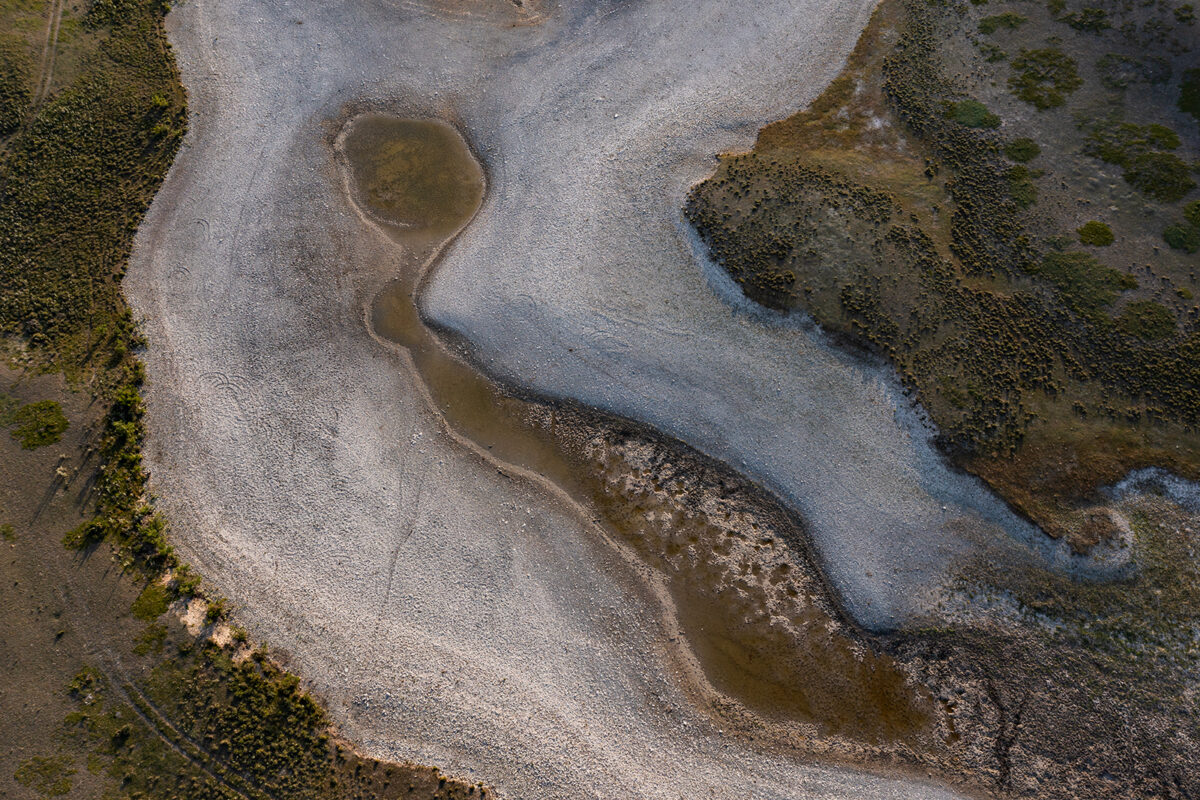
The lake that rancher Lance Williamson depends on to keep his cattle alive is nearly dry. Chain Lake, located on Williamson’s lease in Heart Butte on the Blackfeet Reservation, is usually “booming with fish.” This year, it’s the lowest he’s ever seen. “Last year the water was low, but there was enough to get the cows through late August,” he said. “This is the first time I’ve seen the lake dry up into a puddle.”
Read the rest of the story here.
‘We’re Better Together’: Outgoing Montana GOP Chair Reflects on What Unites — and Divides — the Party
Over six years, Kaltschmidt’s leadership of the Republican Party helped turn Montana into a “red state.” But with internal conflicts and new leadership, the party he’s leaving behind is grappling with how to use its recent dominance to govern.

Don “K” Kaltschmidt doesn’t like to lose. While he was chair of Montana’s Republican Party, he didn’t do it often. A Flathead High graduate, a veteran, a local businessman and, as of June, the former chair of Montana’s Republican Party, Kaltschmidt led the GOP as Montana’s political winds underwent a change. The state, long-regarded as a purple one with a predilection for split-ticket voting, is now vividly red.
Read the rest of the story here.
The Costly Quest to Save Smith Lake
Facing a $23.4 million price tag for a recreation easement that would preclude private development and preserve public access on 600 acres of Montana school trust land at the head of Whitefish Lake, local stakeholders are left wondering: What’s it worth to save Smith Lake?
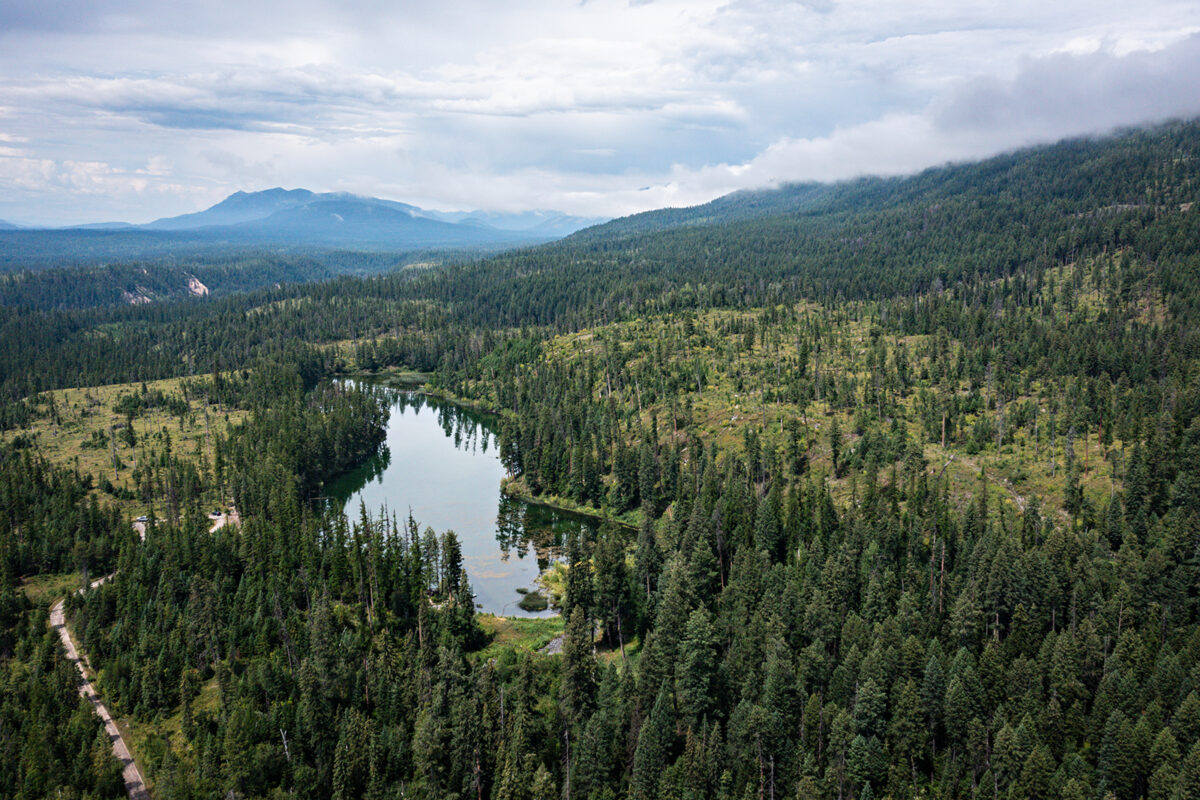
Last November, Heidi Van Everen could look toward Smith Lake north of Whitefish and watch the stars align above her organization’s flagship project to conserve 600 acres of some of the most sought-after land in the Flathead Valley. Pegging its value at $7.2 million, the state of Montana’s initial appraisal of the parcel guarding the head of Whitefish Lake was just within reach for Whitefish Legacy Partners, the local nonprofit organization Van Everen has led since 2010, racking up community-wide conservation and recreation wins stretching from Beaver Lakes to Haskill Basin while generating millions in revenue for Montana’s school trust.
Read the rest of the story here.
50 Years in Flight
A flight nurse and pilot share some of A.L.E.R.T.’s most memorable moments as they reflect on the genesis of America’s first rural air ambulance program, which observes a half century of service this year

t all started 50 years ago when 27-year-old logger Dennis Buck sustained a severe injury while working out near Hungry Horse Reservoir. The rugged roads and terrain made the trip impassable, resulting in his crewmates calling for a nearby forest service helicopter. The makeshift operation took too long, however, and he died before he could reach the hospital.
Read the rest of the story here.
On the Blackfeet Nation, Shield Keepers are Working to Reverse Historical Trauma
Since launching in 2021, Blackfeet Eco Knowledge has united elders and young interns to reconnect tribal members to their land and traditions while protecting sacred places like Chief Mountain
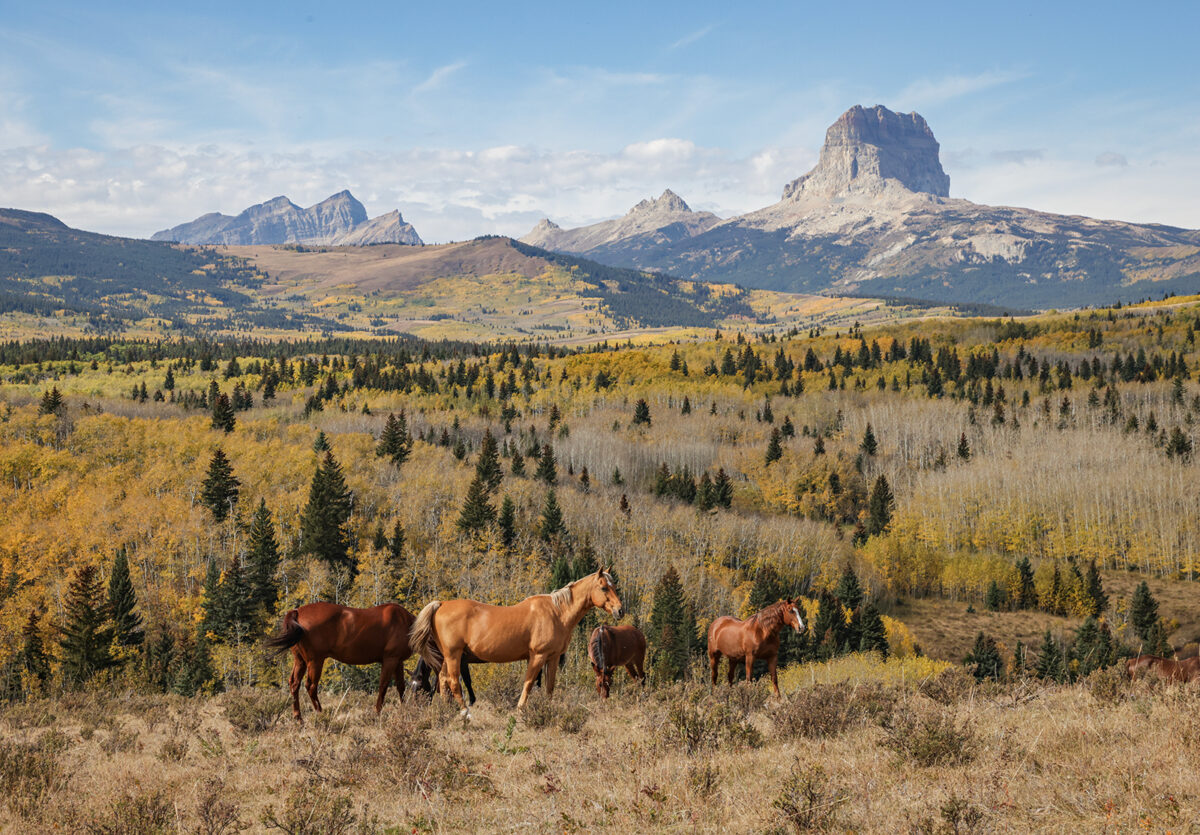
hree months ago when Tucker Juneau started interning as a Shield Keeper for Blackfeet Eco Knowledge (BEK), he struggled to identify with his deep roots in the Blackfoot Confederacy. Although he had experienced some cultural traditions, like sweat lodge ceremonies, he felt too westernized. He needed more guidance.
Read the rest of the story here.
‘One Way or Another’: As Affordable Care Act Subsidies Hang in Shutdown Limbo, Health Care Leaders Warn of Impacts
If Congress doesn’t extend the subsidies, local health officials worry skyrocketing premiums will force people off their insurance and say taxpayers will foot the bill regardless

In her day-to-day work as Greater Valley Health Center’s applications specialist, Lori Jones educates people on their insurance options. “There are different resources here for people I didn’t realize until I came into this position,” Jones said. But Jones and Greater Valley Health have dealt with several shifts in the insurance realm in the past few years.
Read the rest of the story here.
Federal Cuts Endanger USGS ‘Dream Team,’ Threaten Science in Northern Rockies
At the Northern Rocky Mountain Science Center, budget cuts and layoffs could jettison decades of cutting-edge research propping up the ecology and economy of the Crown of the Continent
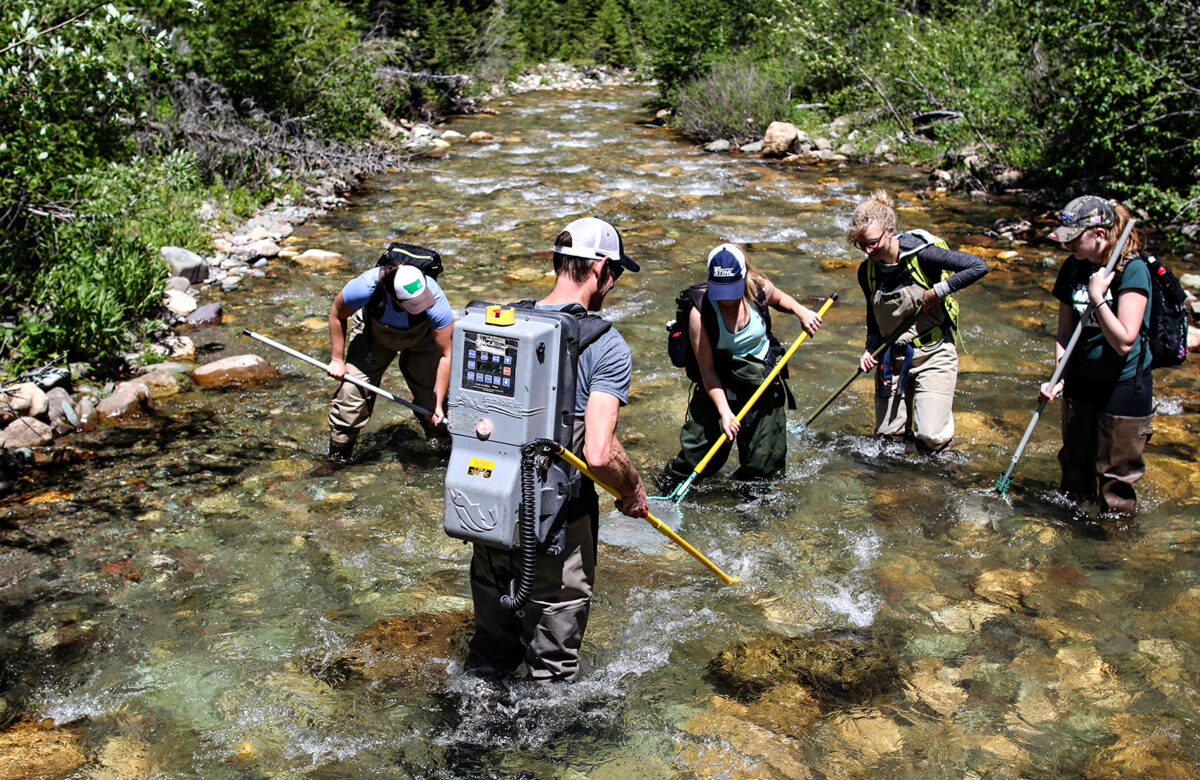
You’d be hard pressed to assemble a team of mountain athletes that can keep up with the U.S. Geological Survey’s cohort of super-scientists who, in addition to traversing Glacier National Park’s rugged and remote terrain, also perform cutting-edge research at the Northern Rocky Mountain Science Center. In fact, most prospective recruits would turn tail before they’d even finished reading the job description.
Read the rest of the story here.
Whitefish Immunologist Wins Nobel Prize
Fred Ramsdell was out of cell service on a hike when news arrived that he’d received the most prestigious award in his field. For the scientist with humble academic beginnings, it was a “full-circle moment.“
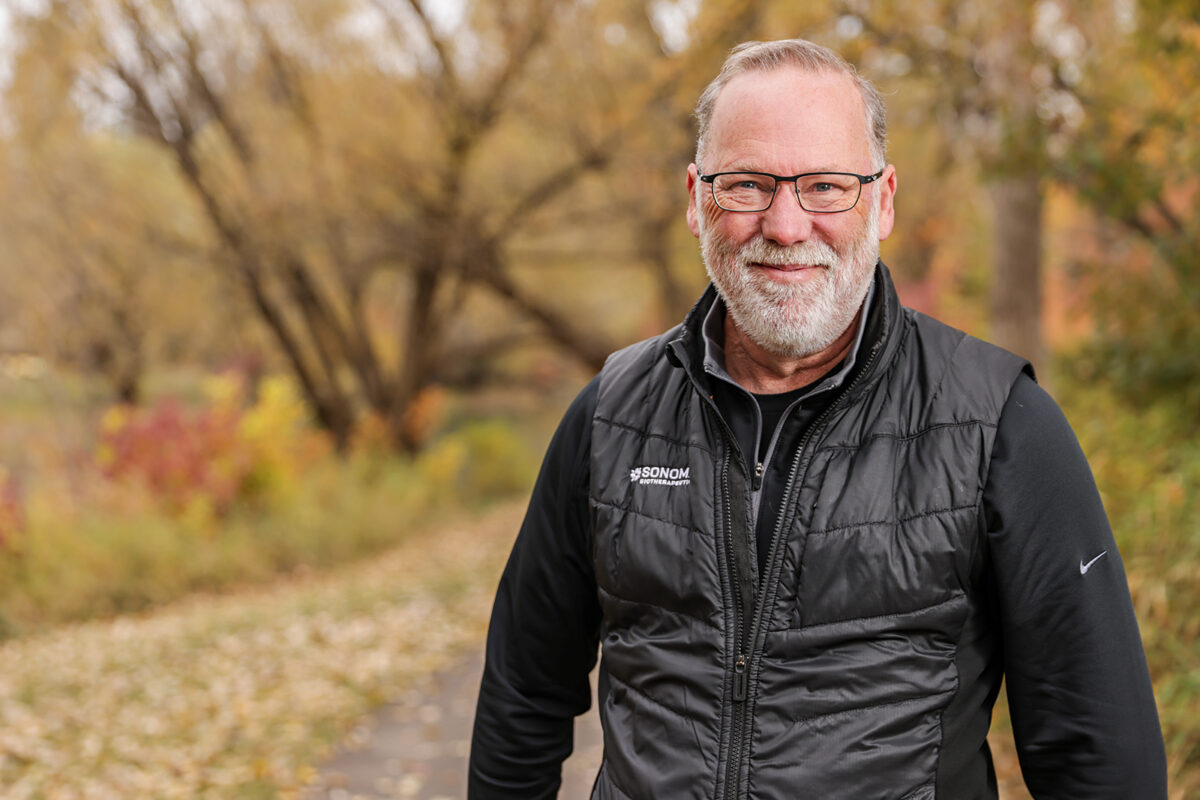
n the weeks since Fred Ramsdell learned he won a Nobel Prize for his work in immunology, the part-time Whitefish resident’s fall deer-hunting plans have been dashed. Instead, Ramsdell’s been busy coordinating meetings with his team and preparing to travel to Sweden to accept the award.
Read the rest of the story here.
‘You Can’t Let Us Starve’: Food Bank Directors, Blackfeet Leaders Brace for ‘Food Emergency’ as SNAP Benefits Cliff
The U.S. Department of Agriculture said it can’t legally dole out SNAP funds in November during the government shutdown, despite previous assurances federal funding would continue. More than 77,000 Montanans would be affected by the delay, which is unprecedented in the food-assistance program’s history.

Chris Sidmore, the executive director of the Flathead Food Bank, understands on a personal level what the Supplemental Nutrition Assistance Program (SNAP) can offer to a family. “It’s kind of funny how life works,” Sidmore said. “Sometimes, I think back on things in the past, and it seems like another lifetime ago, but … when I was a teenager, I was raised by a single mom, and we used SNAP benefits. I just think, like, I was a kid. I had no control over that, but man, it made a huge difference. That’s really one of the things that allowed us to, you know, have some food on our plate, which was great.”
Read the rest of the story here.
From ‘Nebraska’ to Whitefish: The Man Behind Springsteen’s Sound
As the Springsteen biopic “Deliver Me from Nowhere” hits screens, Whitefish sound engineer Toby Scott looks back on decades in the studio with the Boss

Before “Nebraska” became a career defining acoustic turn for Bruce Springsteen, it lived on a cassette tape that he carried in the front pocket of his jacket. Springsteen kept it there for months without even a case on it before finally pulling it out to share with Whitefish resident Toby Scott, his sound engineer.
Read the rest of the story here.
‘A Revolving Door’
With few community-based mental and behavioral health resources in the Flathead Valley — and as waitlists grow at the Montana State Hospital — a vulnerable population of people with mental illness is now cycling through the streets, jail and local hospital
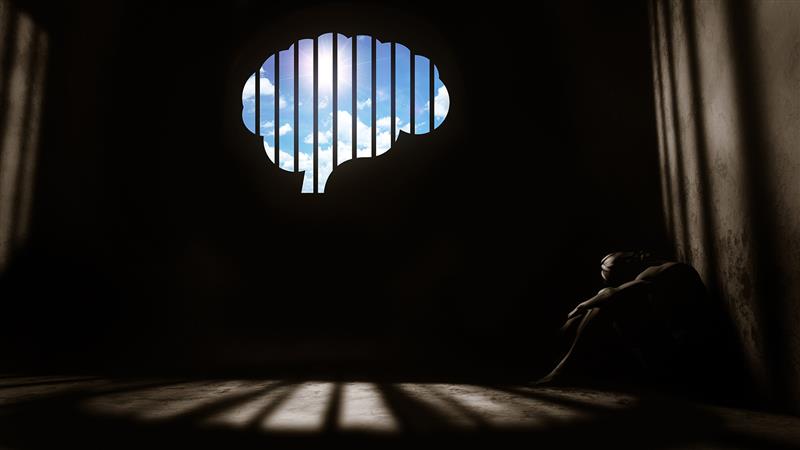
On Feb. 7, a 32-year-old man was arrested at the intersection of North Main Street and West Center Street in Kalispell after he was seen charging passing cars. He yelled at pedestrians on the sidewalk and threw a glass bottle into the road before he was arrested by Kalispell Police Department officers. According to charging documents, he spit in the back of the patrol vehicle on the way to the Flathead County Detention Center, where he was booked on a misdemeanor disorderly conduct charge.
Read the rest of the story here.
Since 1989, Town Pump Petroleum Seep a Perpetual Problem on Whitefish River
Last month, the Montana DEQ approved another work plan to test new remediation technology; water quality advocates say decades of delays akin to “kicking the can down the road”
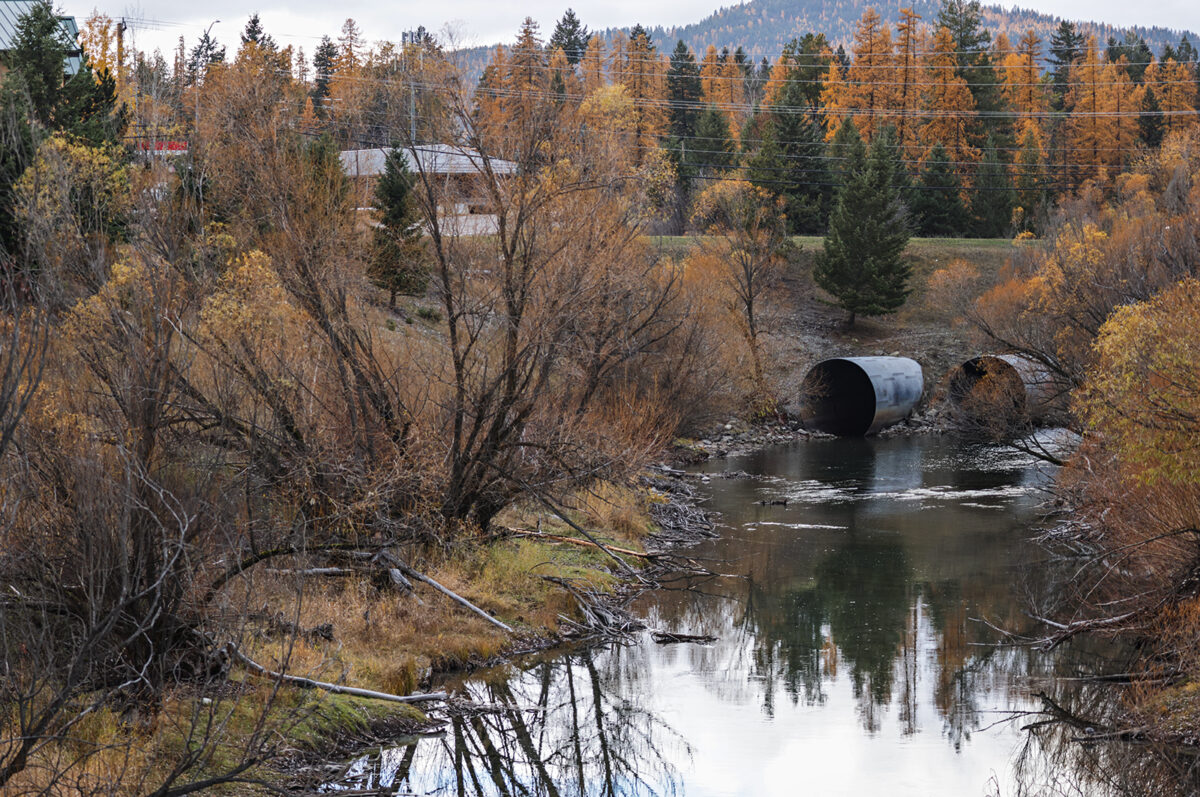
The mountain-framed gateway to downtown Whitefish is a fitting showcase for the resort town’s natural treasures, which function as its economic and its ecological heartbeat. But even if the views rising above the city center’s low-slung skyline command visitors’ immediate attention, the town’s true lifeblood runs beneath it.
Read the rest of the story here.
Ratepayers See Insurance Premiums Spike with Affordable Care Act Subsidies Set to Expire
Some Montana residents will face premium increases upwards of 200% as enhanced ACA tax credits near year-end expiration

Every year, Marijke Stob has at least two doctor’s appointments – checkups that regularly include computed tomography (CT) scans, colonoscopies and bloodwork. Stob had hardly seen the inside of a doctor’s office just a few years ago. Finding out she had colon cancer in 2023, however, changed everything.
Read the rest of the story here.
Flathead Breweries Tap into Generational Trends with Fresh Flavors, Diversified Menus
As declining demand triggers a nationwide drop in craft beer production, Flathead Valley brewery owners are adapting their business models with alternative fermentation, non-alcoholic beverages, expanded food menus and community events

In 2018 when Gabe Mariman and Adam Robertson transitioned from a homebrewing operation in Whitefish to launch Bias Brewing in downtown Kalispell, they started pouring craft beers like sours and blondes at their initial location on First Avenue East. To add some variety to the taproom, they also saw a market for alternatives and launched a hard seltzer within the first three months of opening.
Read the rest of the story here.
After A Half Century, Bigfork Whitewater Festival Keeps Paddling
Even amid changing trends, changing gear, and changing people, in all the years the festival has stayed afloat, the Swan River and its storied mile of whitewater has remained the centerpiece of it all
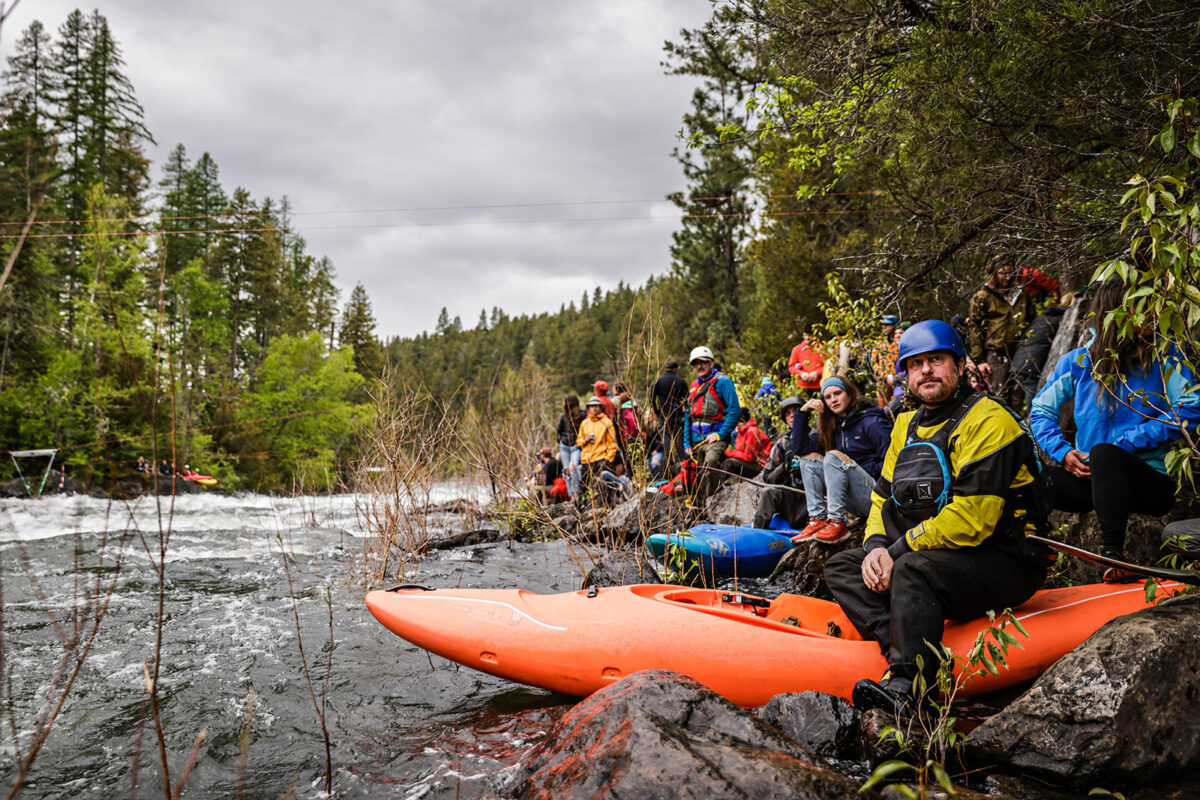
As a local paddler born and raised in Bigfork, Dave Meyers thinks it’s “pretty sweet” to play a role in keeping the tradition of the Bigfork Whitewater Festival alive.
Read the rest of the story here.
The Wild Life of Danny On
While locals are familiar with Danny On as the namesake of a popular hiking trail at Whitefish Mountain Resort, a smaller segment of the Flathead Valley knows about his World War II heroics, or his career as a smokejumper, forester and nature photographer
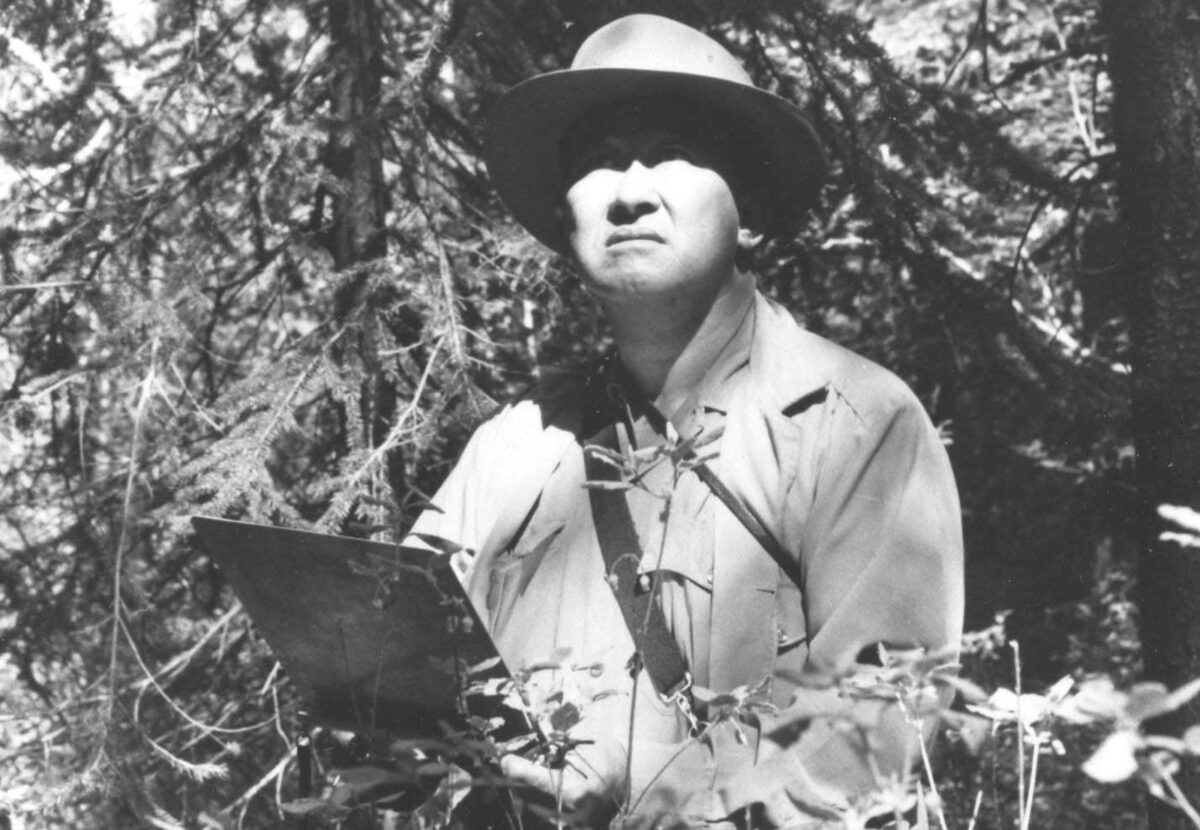
The D-Day invasion began in the dark early hours of June 6, 1944, when more than 13,000 U.S. Army paratroopers jumped into Normandy from the holds of C-47 transport planes that had departed from England.
Read the rest of the story here.
Harnessing the Kootenai
A half-century ago, the Libby Dam was the final piece of one of the most significant public works projects in American history
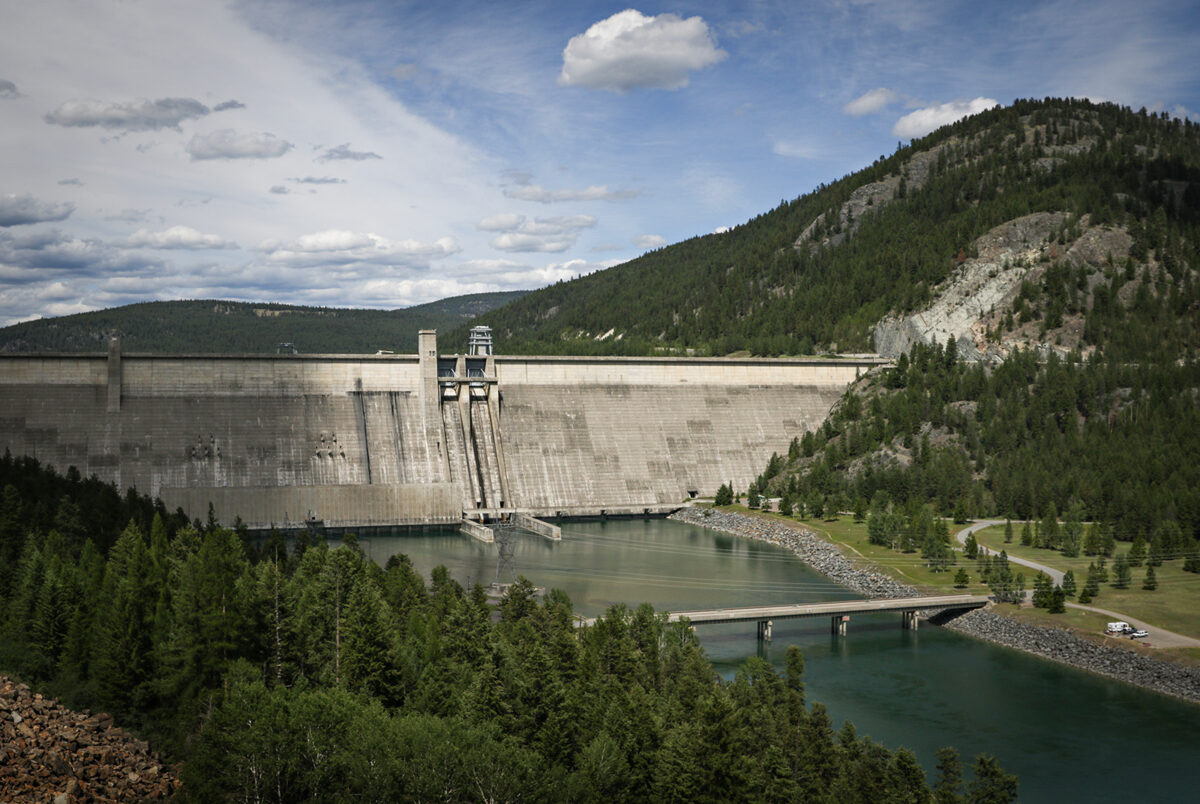
Driving along the Fisher River east of Libby offers a glimpse of what much of the Pacific Northwest looked like a century ago. The pristine Fisher River rushes through the mountainous landscape, unrestrained and free to carve its own path. Evergreen trees blanket the countryside, creating an endless carpet of green in some areas. While certain sections have been harvested for timber, it’s easy to look at the hillsides and imagine a time when few people roamed this territory.
Read the rest of the story here.
A Place to Scream
How heavy music is transforming lives in the Blackfeet Nation

A junior at Browning High School, Reb Pollock has had an experience unlike most other high schoolers — or adults for that matter. She’s designed t-shirts for two of her music idols, the world-renowned Old Norse-rooted Wardruna and the Norwegian black-metal Old Man’s Child.
Read the rest of the story here.
Call of the Wild Woman
Longtime wildlife biologist Diane Boyd has been howling about wolf recovery on the doorstep of Glacier National Park for 45 years, often in the face of public misperception and resistance. Now, having recorded her journey in a book that’s receiving international attention, the “Jane Goodall of Wolves” is telling her story for the first time.
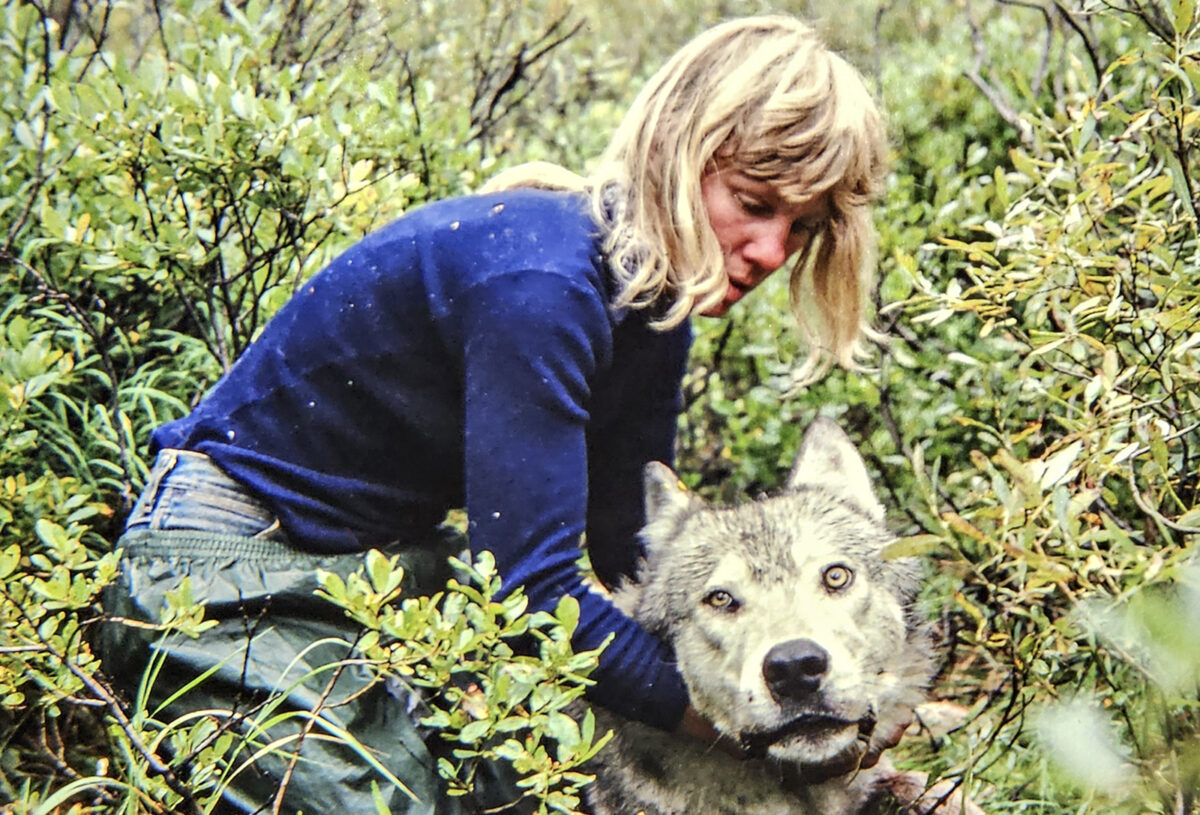
During the four decades Diane Boyd studied wolves on the doorstep of Glacier National Park, tracking the “magic pack” and its offspring as the species migrated from Canada to naturally recolonize the western U.S., the term “wolf management” never struck her as a fitting job description.
Read the rest of the story here.
The Philosopher King of Wild Horse Island
As one of the earliest — and only — homesteaders to occupy Flathead Lake’s Wild Horse Island, Herman Schnitzmeyer nearly starved to death before turning his attention to photography, a talent he used to capture a turning point in the American West
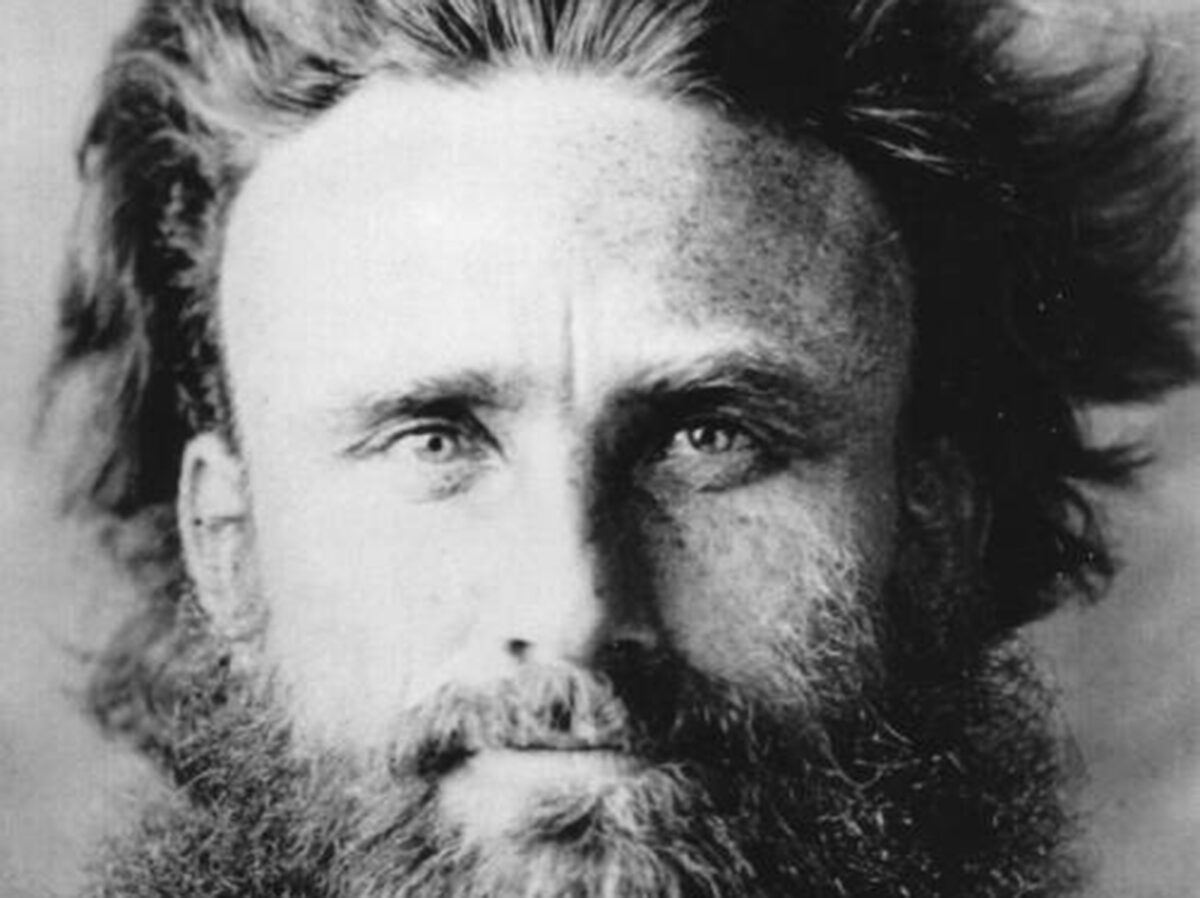
Herman Schnitzmeyer was lucky, at least in his early years. Born in 1879 in Illinois, Schnitzmeyer, the son of German immigrant parents, worked as a house painter before getting training in photography in St. Louis. He was one of more than 81,000 people who entered a lottery in hope of winning the right to select a homestead on the Flathead Indian Reservation. One of 1,600 lottery winners, Schnitzmeyer filed a claim to 160 acres on the southeast portion of Wild Horse Island, with ideas of an idyllic life filling his head. He developed plans, including bylaws and a constitution for a self-sustaining society on the island that he called Apollo Heights.
Read the rest of the story here.
The Blue Byrd Bus of Essex Route
Martin City resident Gerard Byrd has shuttled generations of students through the Middle Fork Flathead River corridor on an isolated section of U.S. Highway 2, where he has witnessed a slew of wrecks and wildlife while building lifelong friendships over the past 42 years
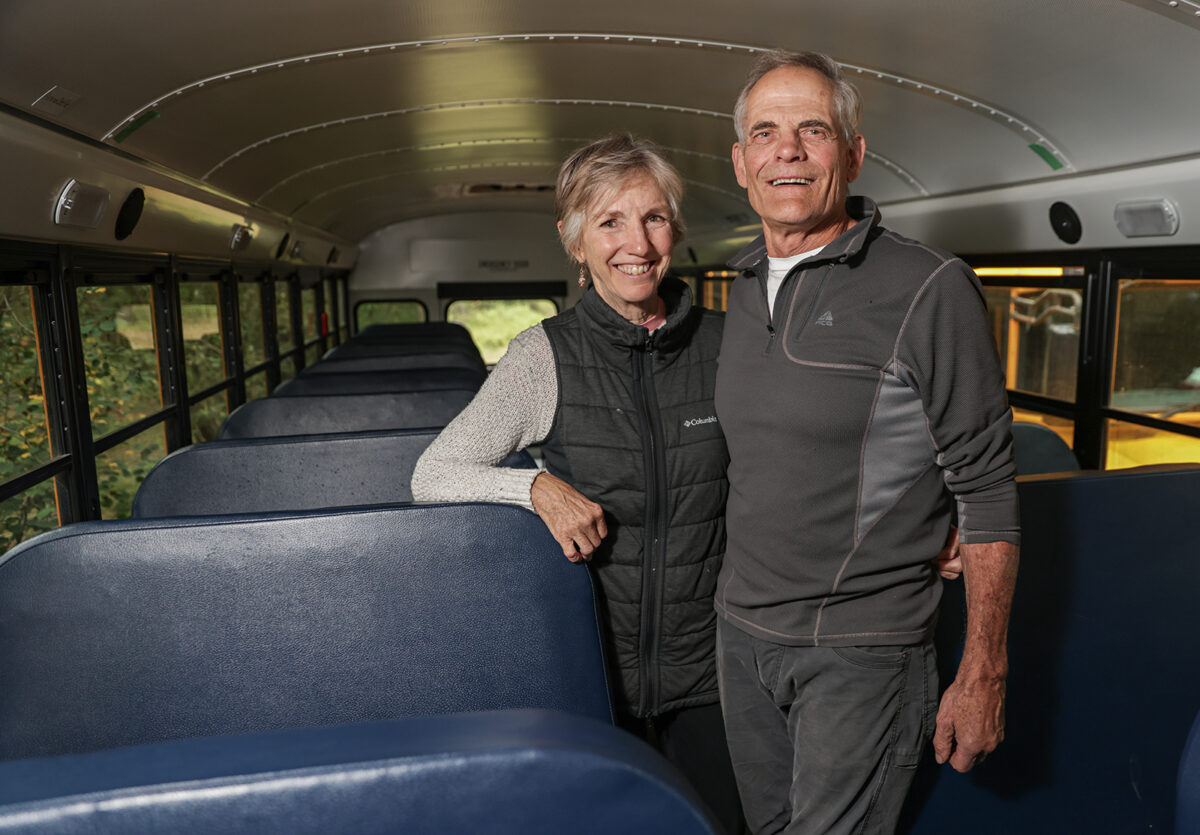
For 42 years, Gerard Byrd left his home in Martin City at 6:30 a.m. and drove east on U.S. Highway 2 through Bad Rock and John F. Stevens canyons, threading a yellow school bus through the Middle Fork Flathead River corridor against the backdrop of Glacier National Park’s southern border. His most committing routes involved driving 186 miles per day as he navigated the narrow, two-late artery between Essex and Columbia Falls. But for the bulk of his career, Byrd’s daily route only spanned 164 miles, affording him the luxury of turning his 72-passenger Blue Bird around at Pinnacle near Glacier Haven Inn.
Read the rest of the story here.
How Pat Williams Kept His Promise to Montana
His family, friends and admirers say his legacy in the Flathead – and as Montana’s longest-serving congressman – lies with his advocacy for conservation, and on behalf of Native Americans
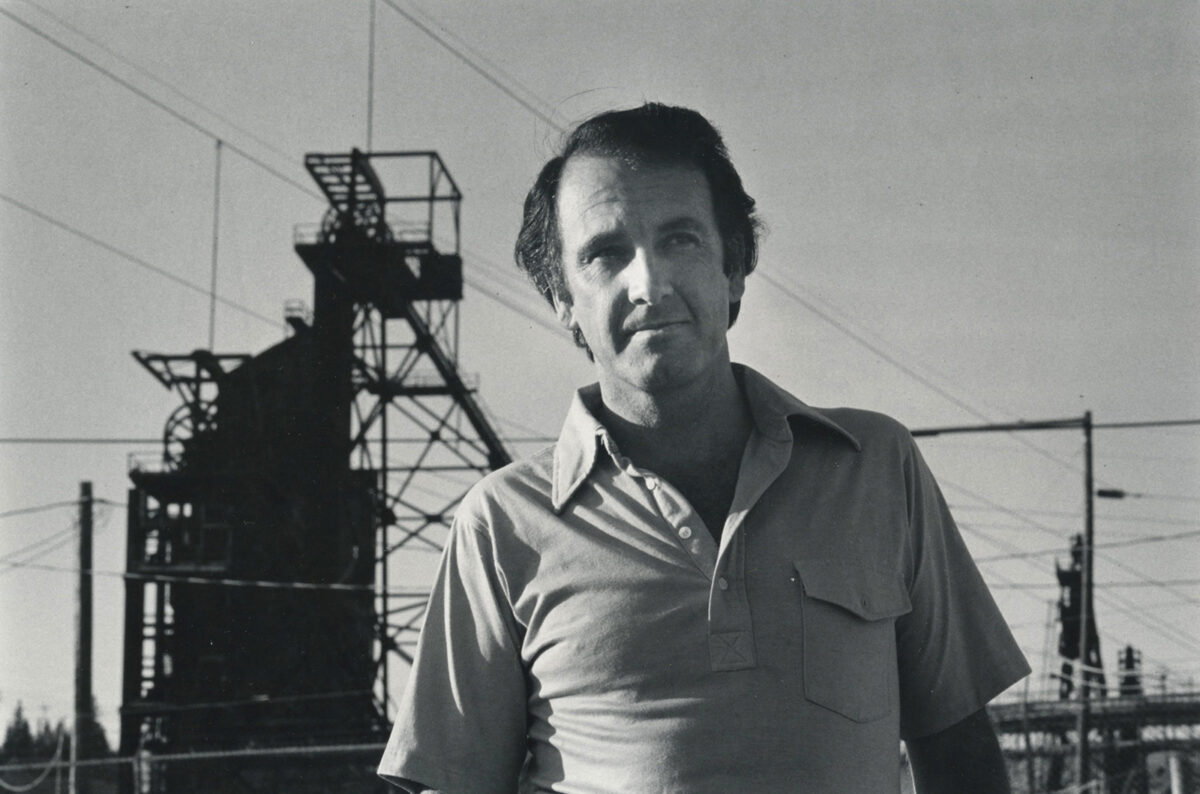
When he talks about Pat Williams, former Montana Gov. Brian Schweitzer likes to retell a story he heard from Chuck Johnson. As the story goes, Johnson, a political journalist, attended a forum in the Bitterroot where Williams fielded questions from the public. People stepped up, asked questions and Williams answered in 12-15 seconds, always ending by repeating the same statement: “Montanans demand clean places for hunting, for camping, for fishing.”
Read the rest of the story here.
Rangers to the Rescue
For more than a century, an elite group has worked to keep visitors safe from the wilds of Glacier National Park — and themselves

In the winter of 2017, Jim Dahlstrom reported to the Polebridge Ranger Station for his new assignment in Glacier National Park. For a career National Park Service ranger, it was the type of assignment someone like Dahlstrom had dreamed about: the closest a 21st century park ranger could come to experiencing what the job was like a century earlier, when rugged outdoorsmen roamed a remote landscape tasked with caring for the nation’s most precious resource.
Read the rest of the story here.
Who Will Feel the Squeeze of Montana’s New Property Tax Code?
Those who own second homes or short-term rentals to be most impacted by projected tax hikes
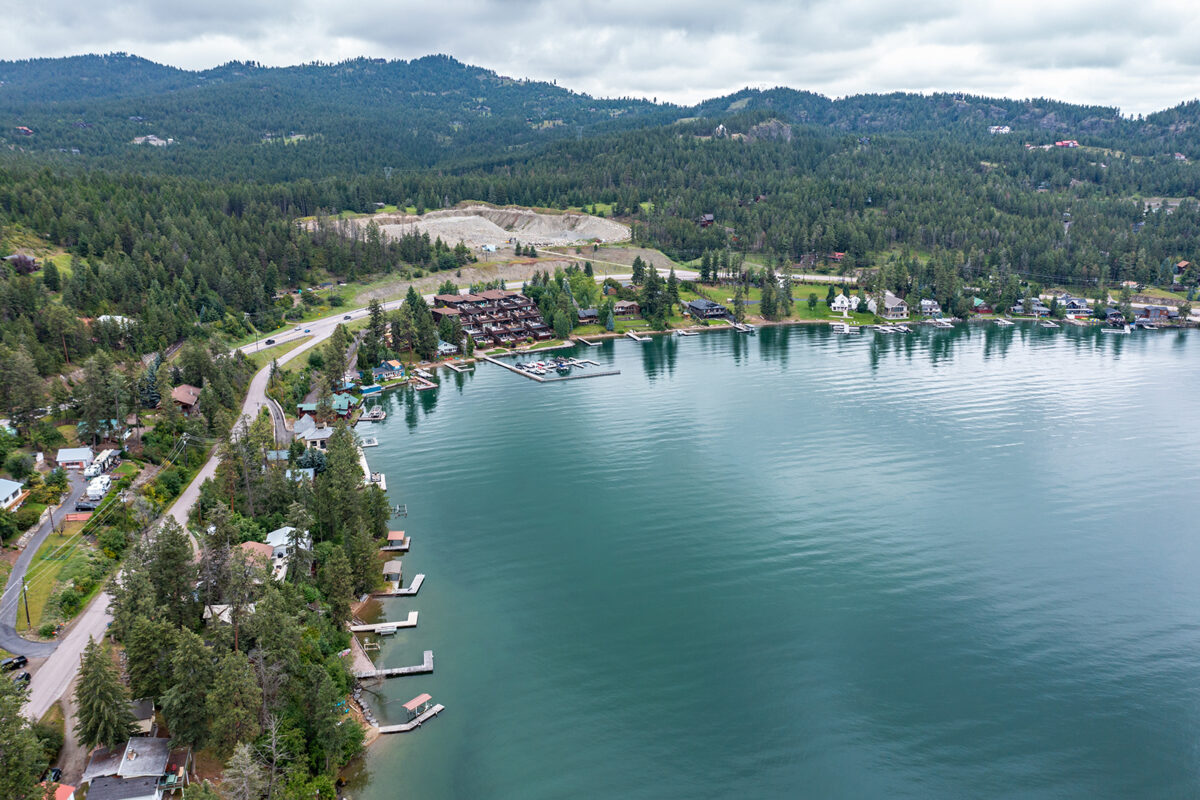
Bill Leininger has seen the housing market go up and down over the course of his 30-year career as a Flathead County realtor. Since 2020, it’s been up — way up. People flocked to the Flathead Valley during the COVID pandemic, driving a population boom and rising home prices.
Read the rest of the story here.
Film Exploring Blackfeet Nation Language, Indian Relays Wins at Banff Film Festival
The 2025 Banff Mountain Film Competition featured 87 films selected from around the world, awarding thirteen for various categories, including “Borrowed from the Earth” for Best Short Film
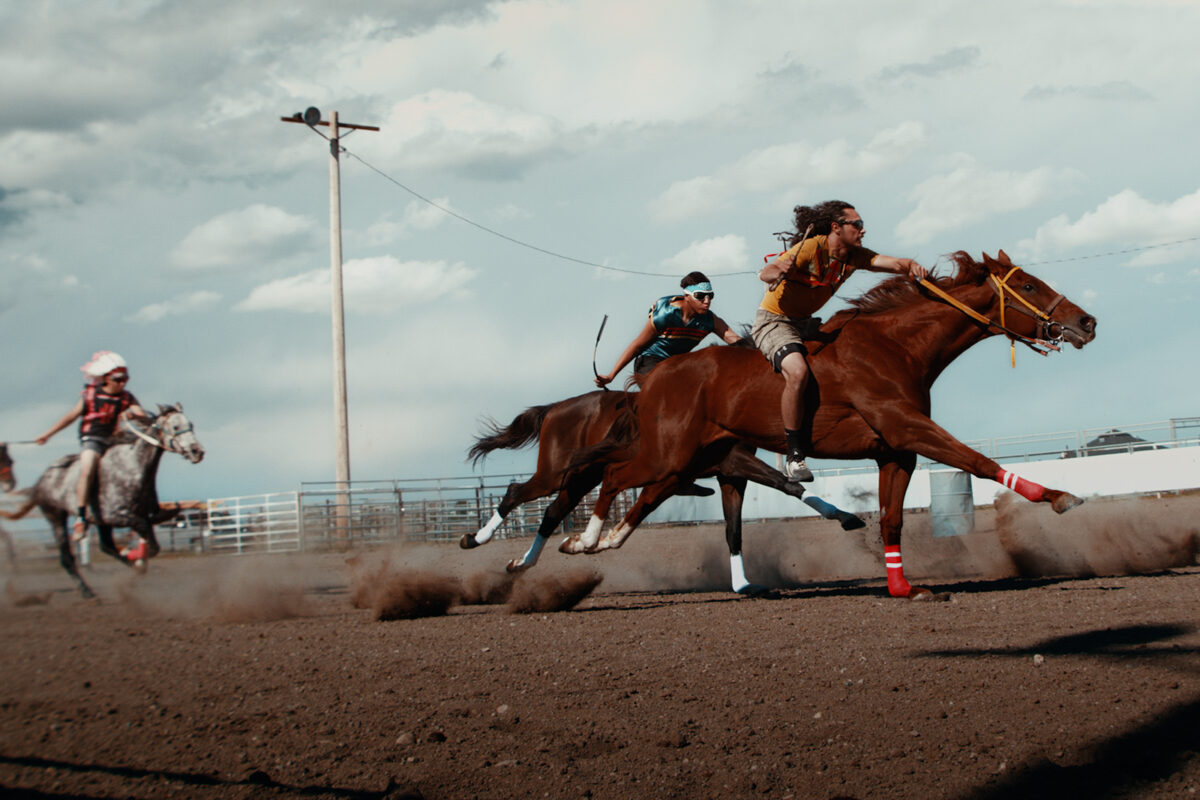
“Astory is something that is so powerful. All of our history was passed down through stories. We call it ‘Aipoomah’sin;’ a transfer of knowledge. When we lose our stories, we lose our history. And a lot of these stories are being forgotten.”
Read the rest of the story here.
Montana Farmers Describe $12 Billion Federal Ag Bailout as a ‘Far Cry’ From Actual Losses
As a tight global market, low commodity prices and high input costs driven by tariffs and inflation contribute to thin margins, Montana producers and economists say the Farmer Bridge Payments will provide scant relief
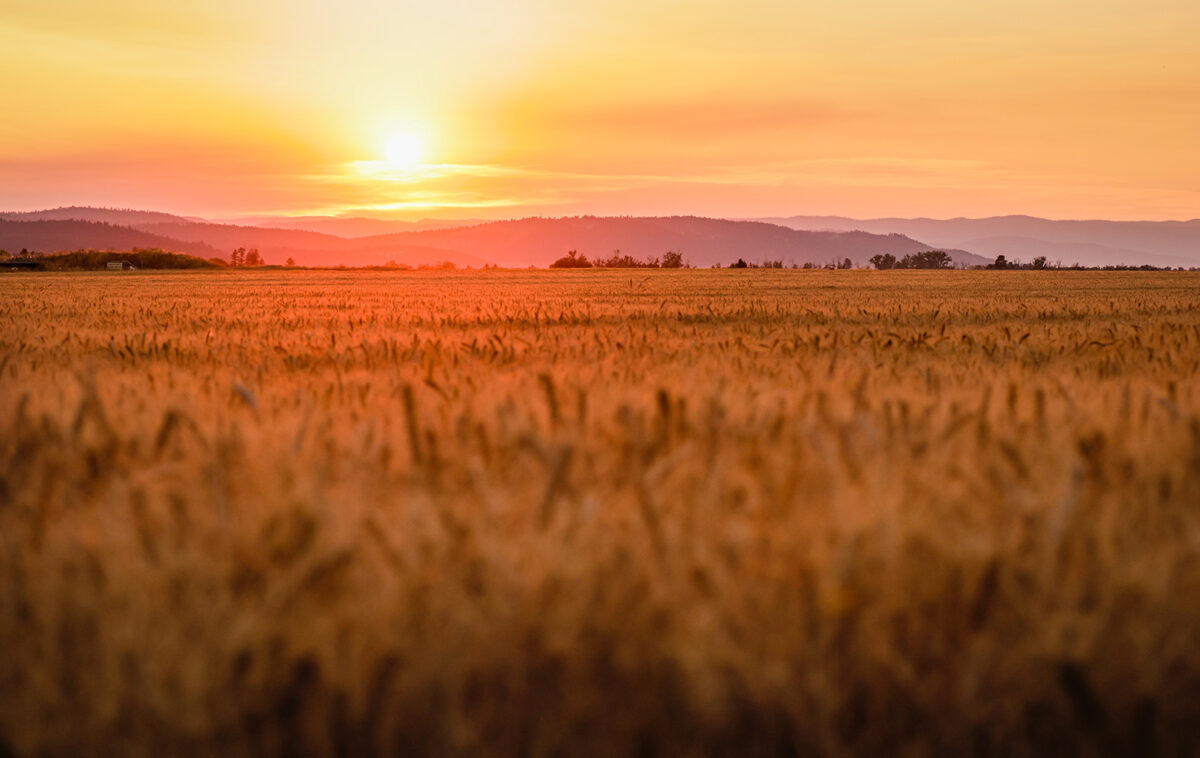
In the 1970s when the global demand for grains triggered a commodity price spike, American wheat exports increased dramatically and prices rose to roughly $4 per bushel in the early part of the decade.
Read the rest of the story here.
On Whitefish Lake, ‘Regulation Rodeo’ Reignites City-County Enforcement Rift
When a rock-blasting operation on a luxury lakeshore home triggered a landslide last year, it became the poster child for regulatory dysfunction on Whitefish Lake. But even as the custom builders responsible for the landslide say they have repaired the damage, which didn’t warrant enforcement action, neighbors and citizens’ groups argue the lack of local oversight begs the question: Who’s in charge of Whitefish Lake?
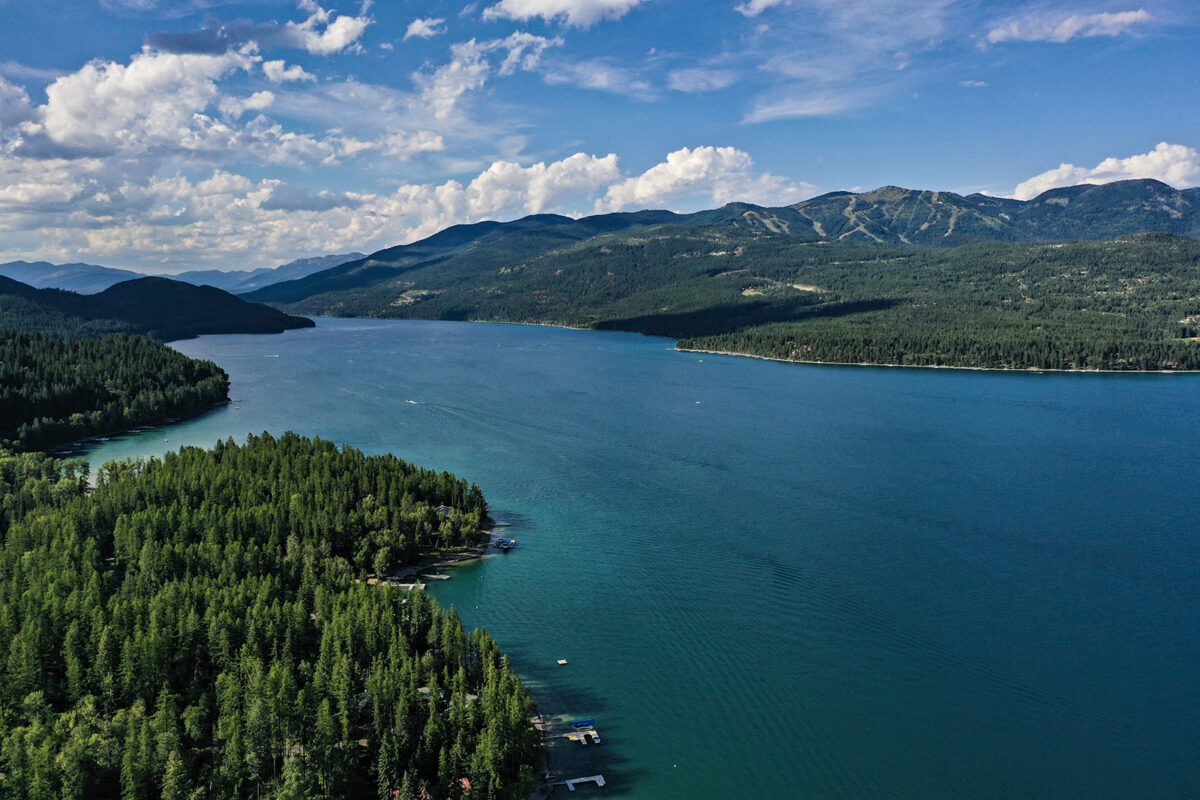
Before giving orders approving the detonation of a rock blast on a lakeshore property in Whitefish in May 2024, longtime custom home builder Walt Landi uttered these prophetic last words: “I don’t want to end up in the newspaper.” He made headlines the next day.